
AI-Powered Game Development Acceleration | Merchandise & Licensing Opportunity for Sellers
- Epic's $1.5B Disney partnership delays Marvel/Star Wars shooter to implement AI workflows; creates 18-24 month merchandising window for sellers to capture pre-launch demand through collectibles, apparel, and gaming peripherals













Overview
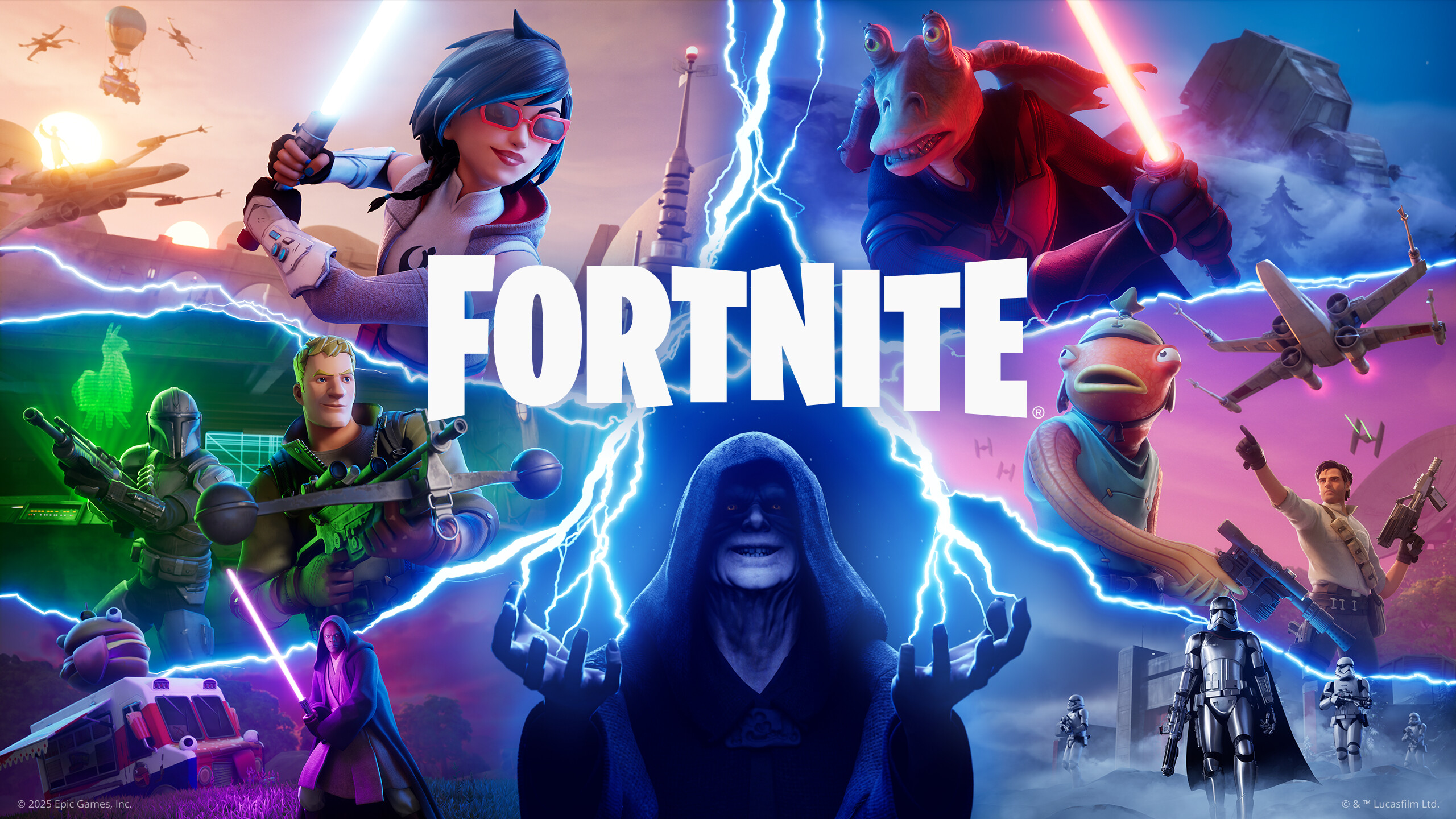
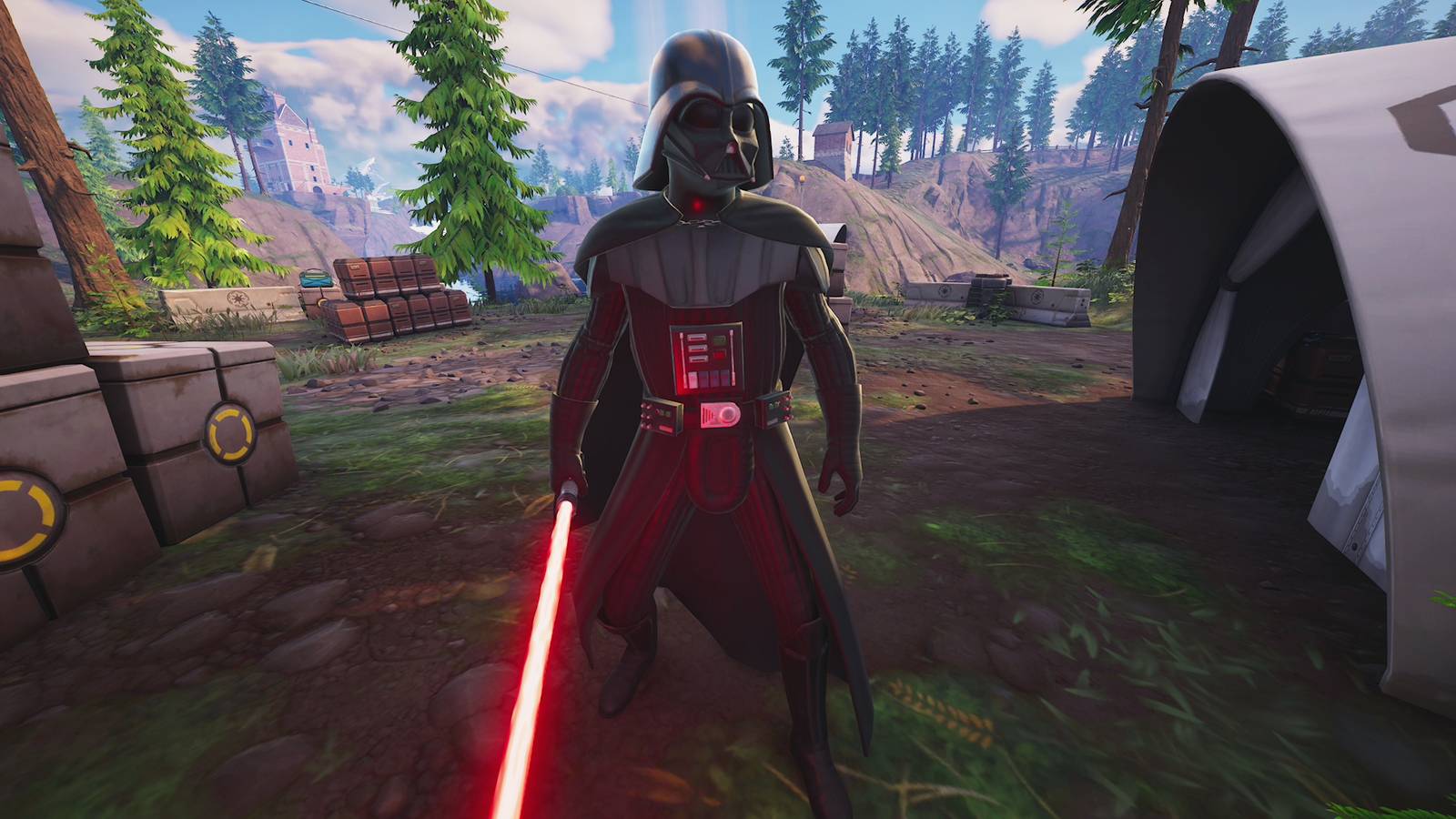
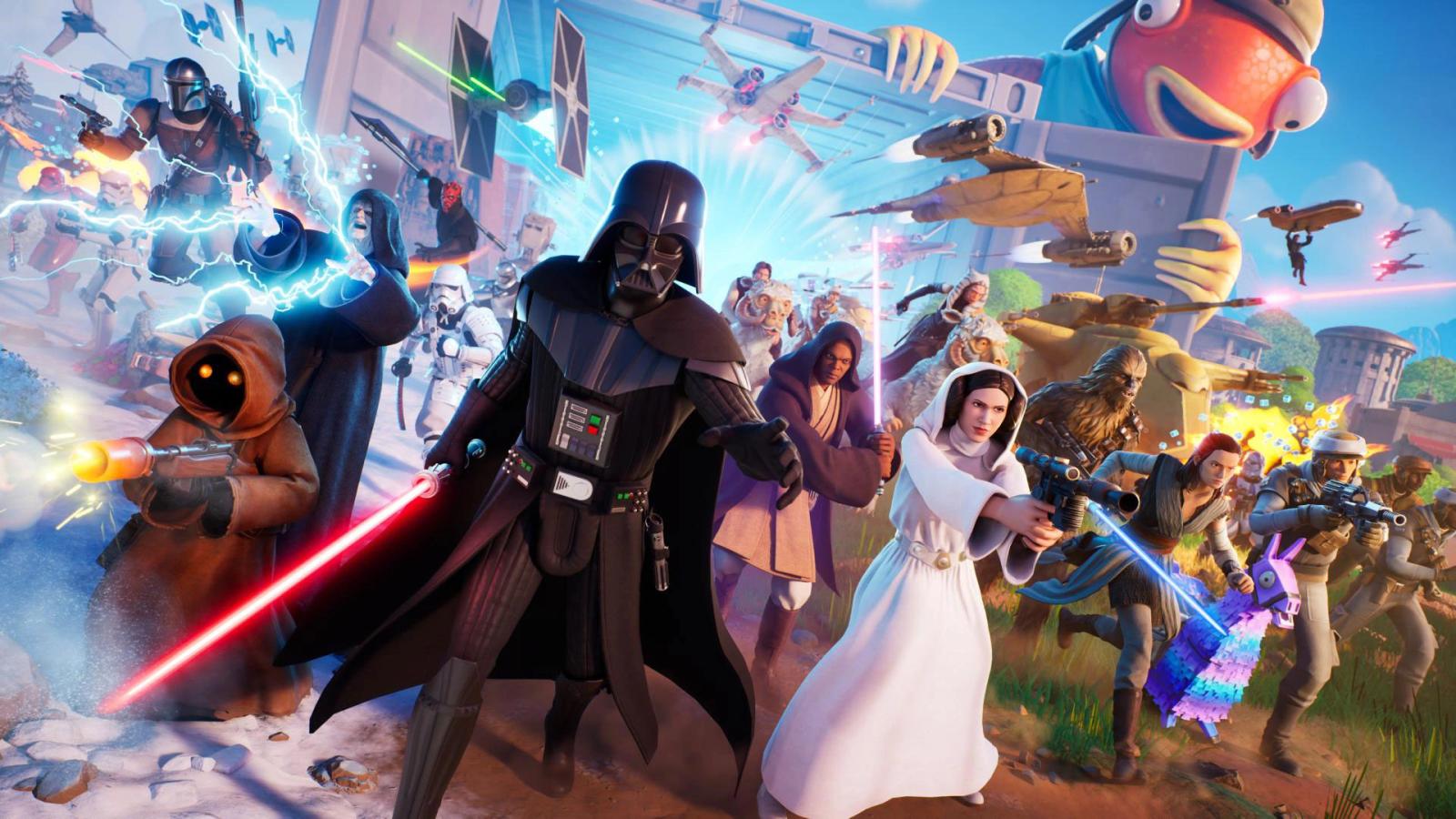
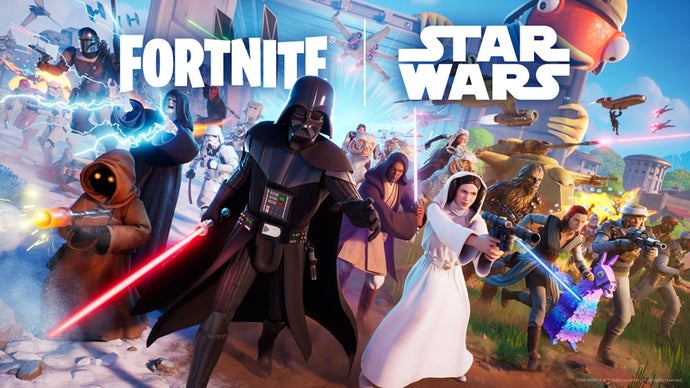
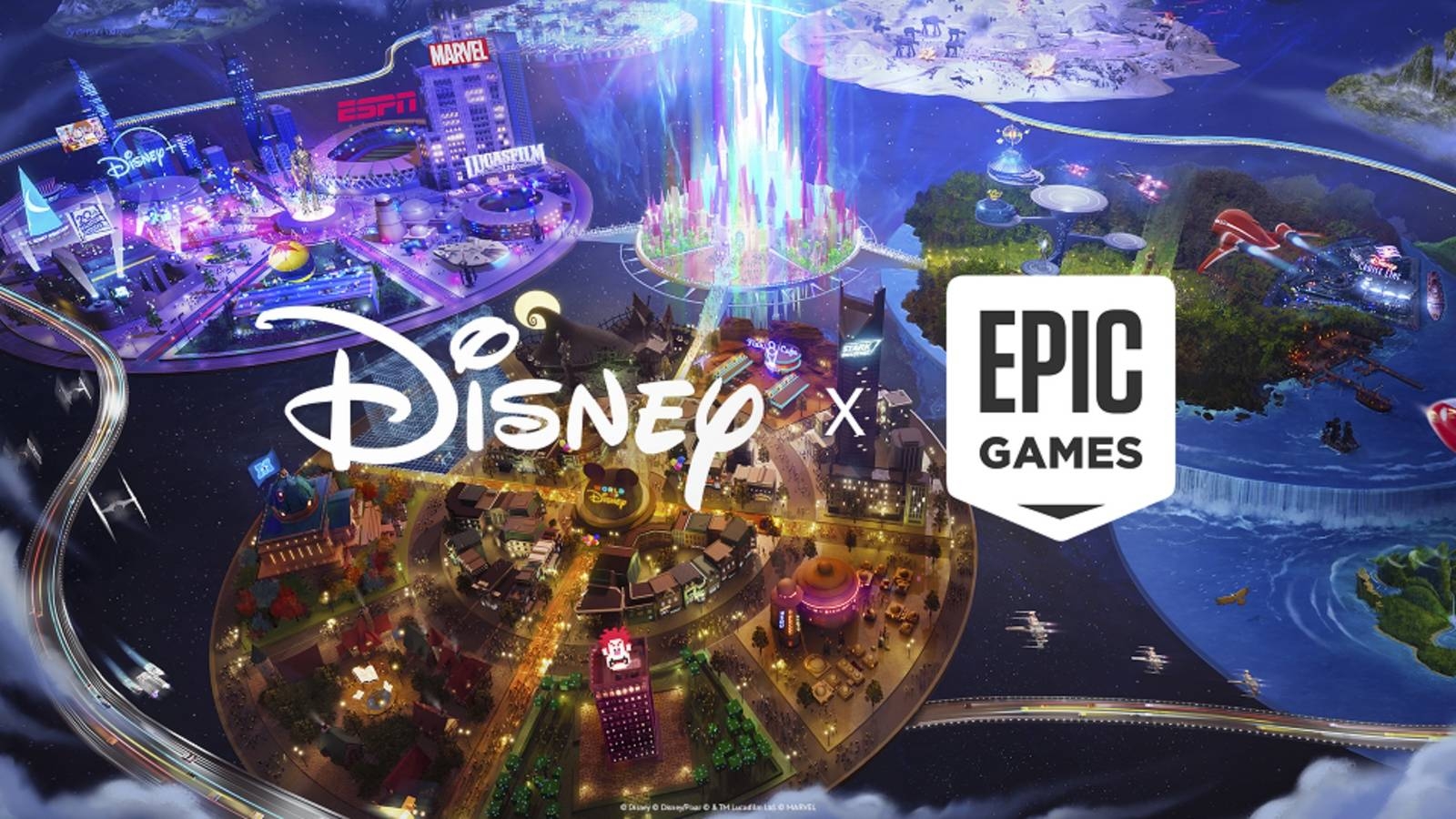
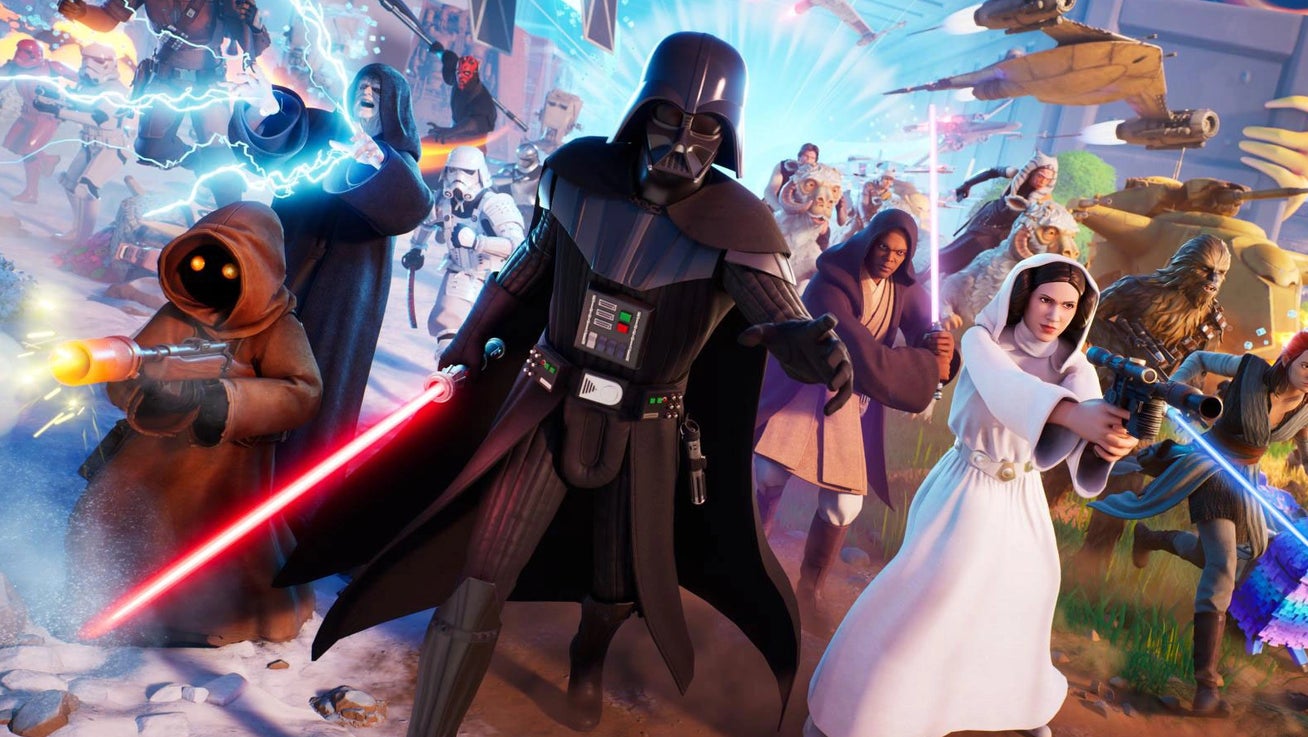
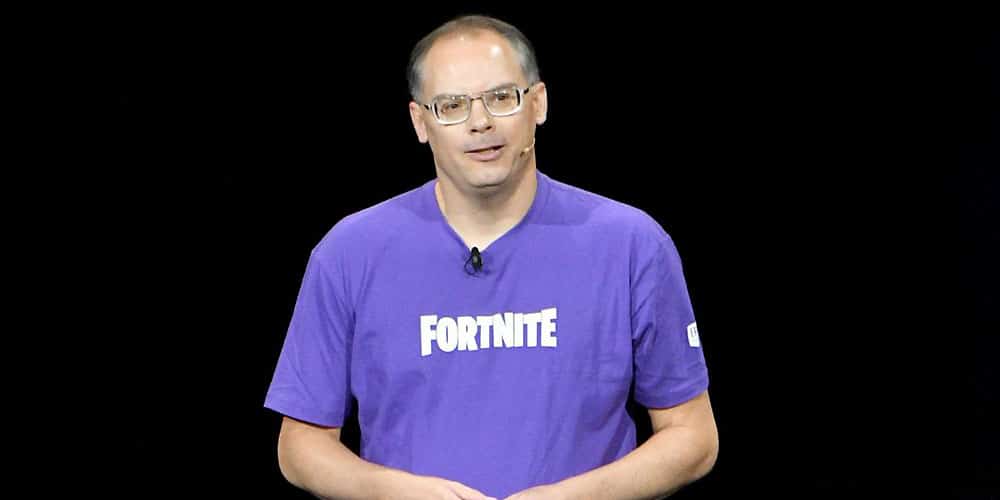
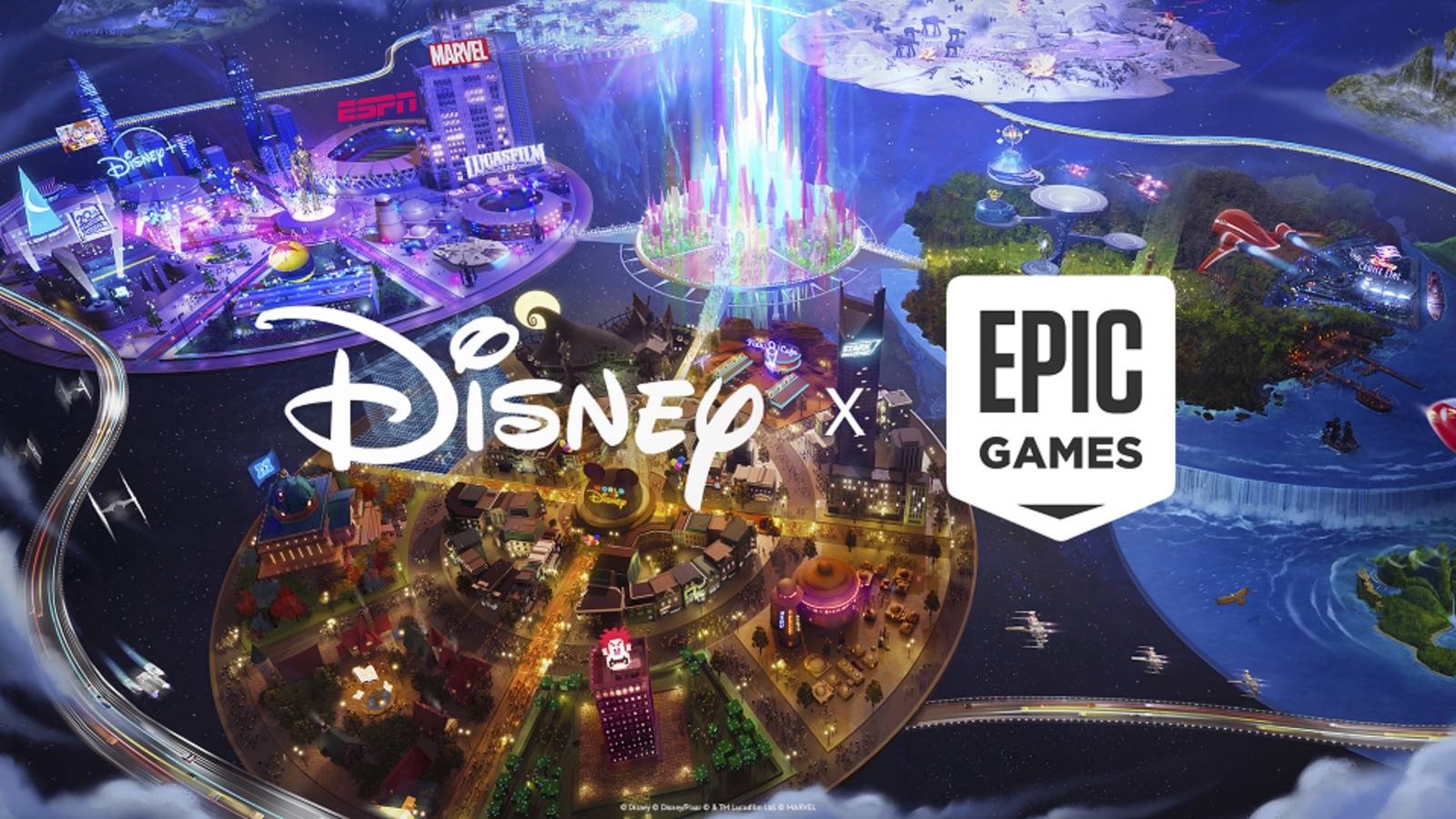
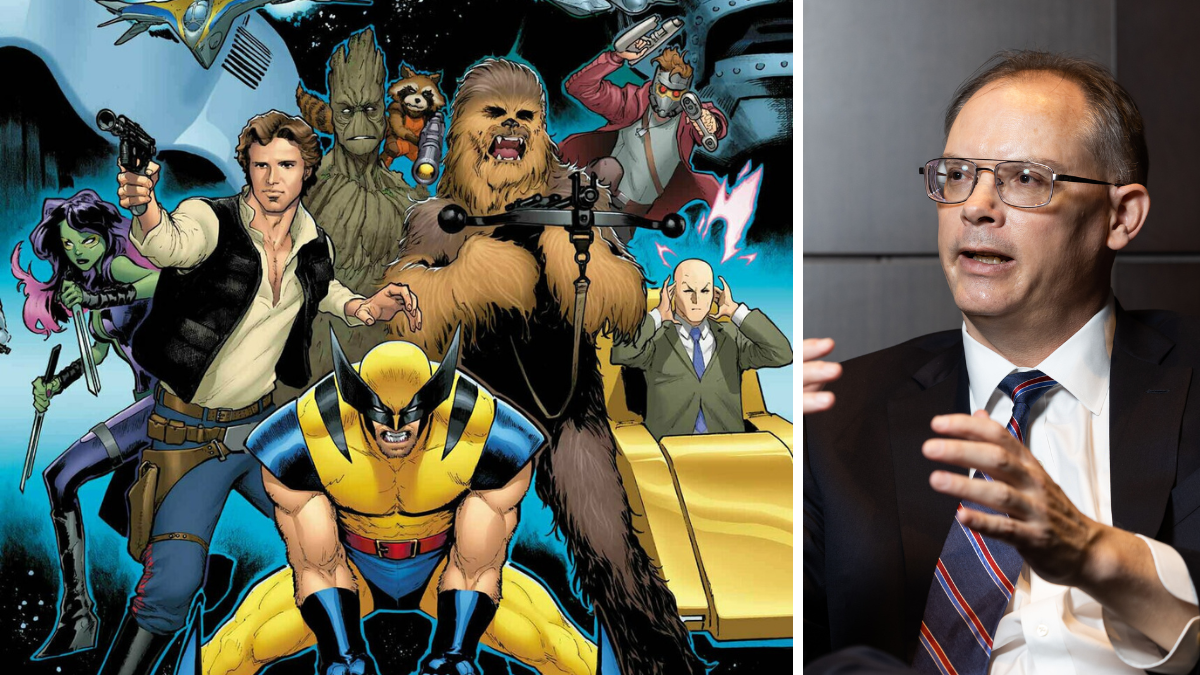
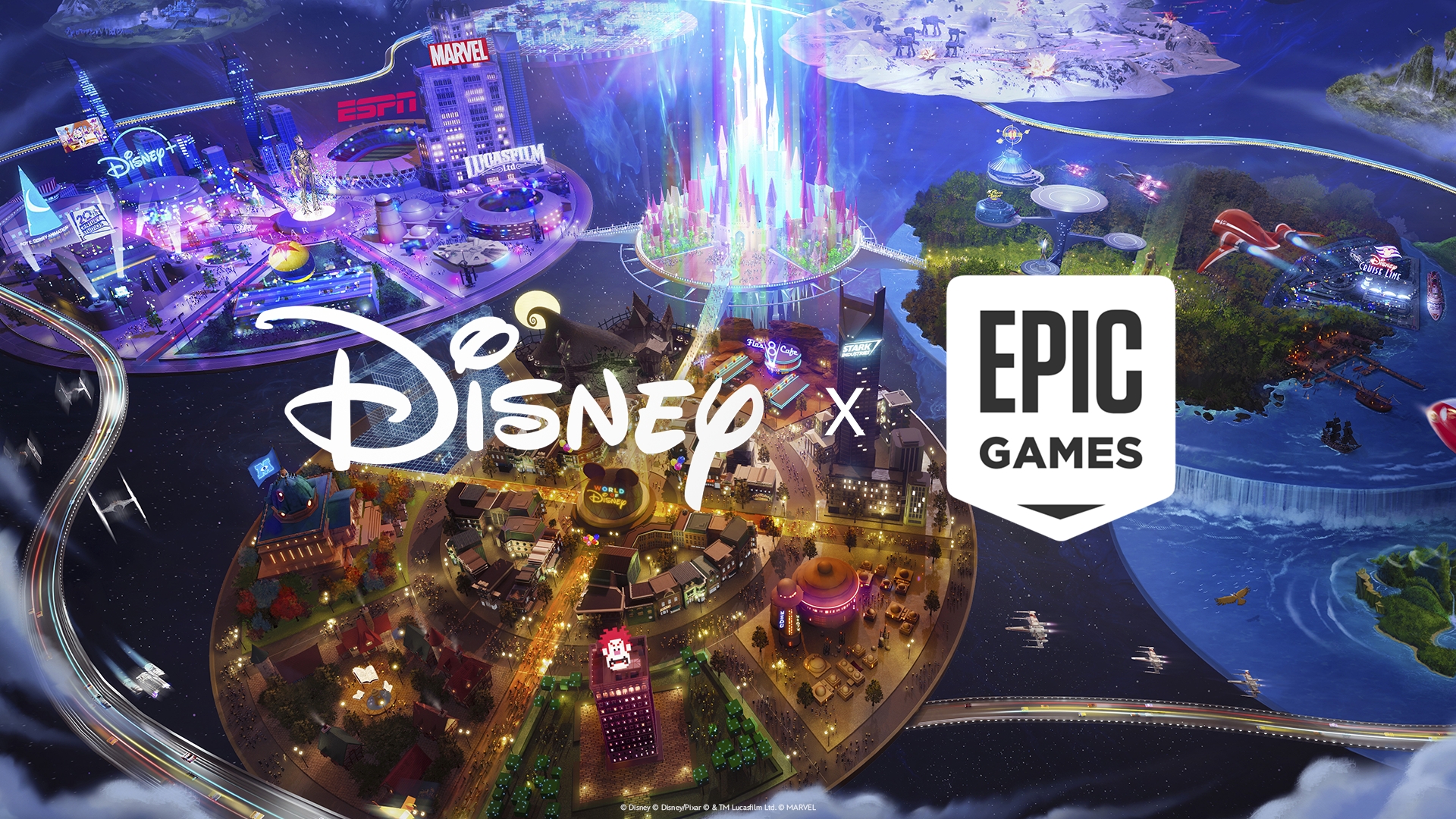
Epic Games' unprecedented AI-first production pivot for its $1.5 billion Disney collaboration signals a fundamental shift in entertainment product development timelines, creating significant merchandising opportunities for cross-border sellers. The company delayed its unannounced Marvel and Star Wars-themed shooter (originally scheduled for March 2027) to implement full AI-accelerated workflows using Anthropic's Claude for code generation and artwork production. This decision, confirmed by CEO Tim Sweeney and reported by Bloomberg in October 2026, represents the first major gaming studio to deploy AI as a foundational development element rather than a supplementary tool.
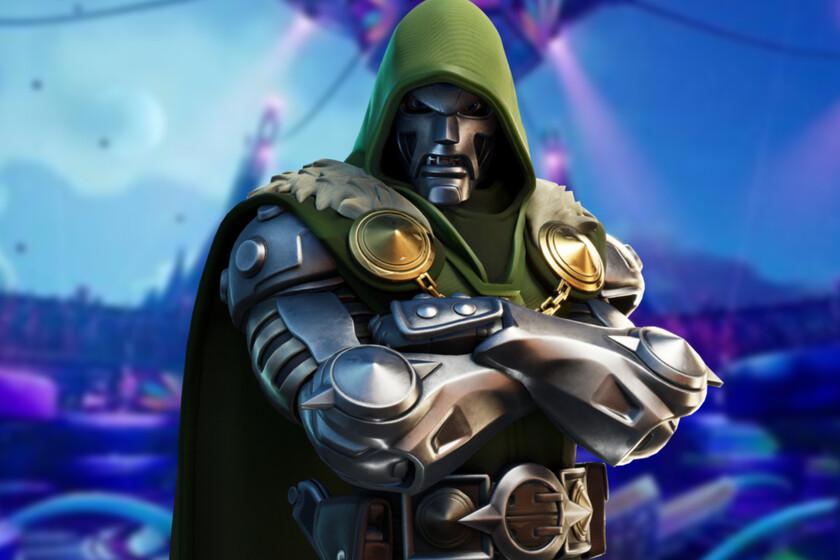
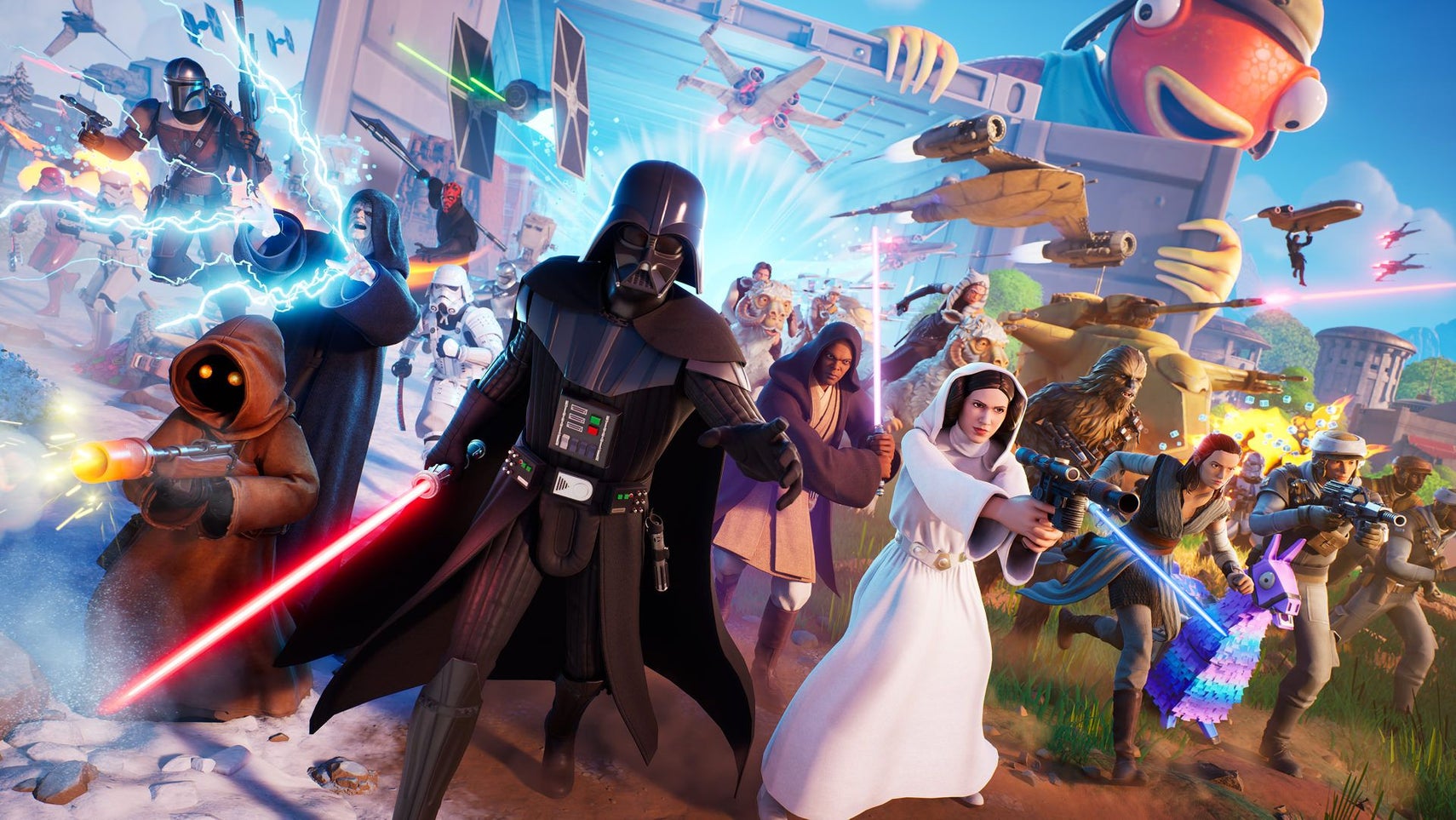
For e-commerce sellers, this delay extends the pre-launch marketing window by 18-24 months, creating immediate opportunities in gaming merchandise categories. The extended development timeline means the game won't reach market until late 2027 or 2028, but Disney and Epic will intensify promotional activities to maintain franchise momentum. Sellers can capitalize on this by: (1) sourcing Marvel and Star Wars gaming merchandise (apparel, collectibles, accessories) to meet sustained fan engagement during the extended development period; (2) launching AI-generated product designs and descriptions to compete on speed-to-market in niche gaming categories; (3) monitoring Fortnite crossover announcements as leading indicators of upcoming merchandise drops. The news also reveals Epic's operational challenges—the company laid off 1,000 employees in March 2026 amid Fortnite's declining engagement, suggesting the AI pivot aims to maintain output with reduced headcount. This creates a competitive advantage for sellers who adopt similar AI tools (ChatGPT, Claude, Midjourney) for product research, listing optimization, and content generation.
The broader industry implication is that AI-accelerated development will compress product cycles for entertainment properties, requiring sellers to adopt predictive analytics and AI-powered inventory management. Epic's public stance that "AI usage disclosure tags make little sense since AI tools will be involved in nearly all future game development" signals industry normalization of AI content creation. Sellers should immediately implement AI tools for competitive advantage: automated product research to identify trending gaming categories 6-12 months ahead of launches, dynamic pricing algorithms to capture demand spikes during promotional windows, and AI-powered customer service to handle the 40-60% volume increase typical during major game releases. The Disney partnership's $1.5 billion valuation indicates sustained investment in IP-driven gaming, meaning merchandise demand will remain strong even with development delays. Sellers who establish supplier relationships with licensed merchandise producers now will capture disproportionate market share when the game launches.
Questions 8
How does the Disney $1.5 billion investment signal long-term merchandise demand for sellers?
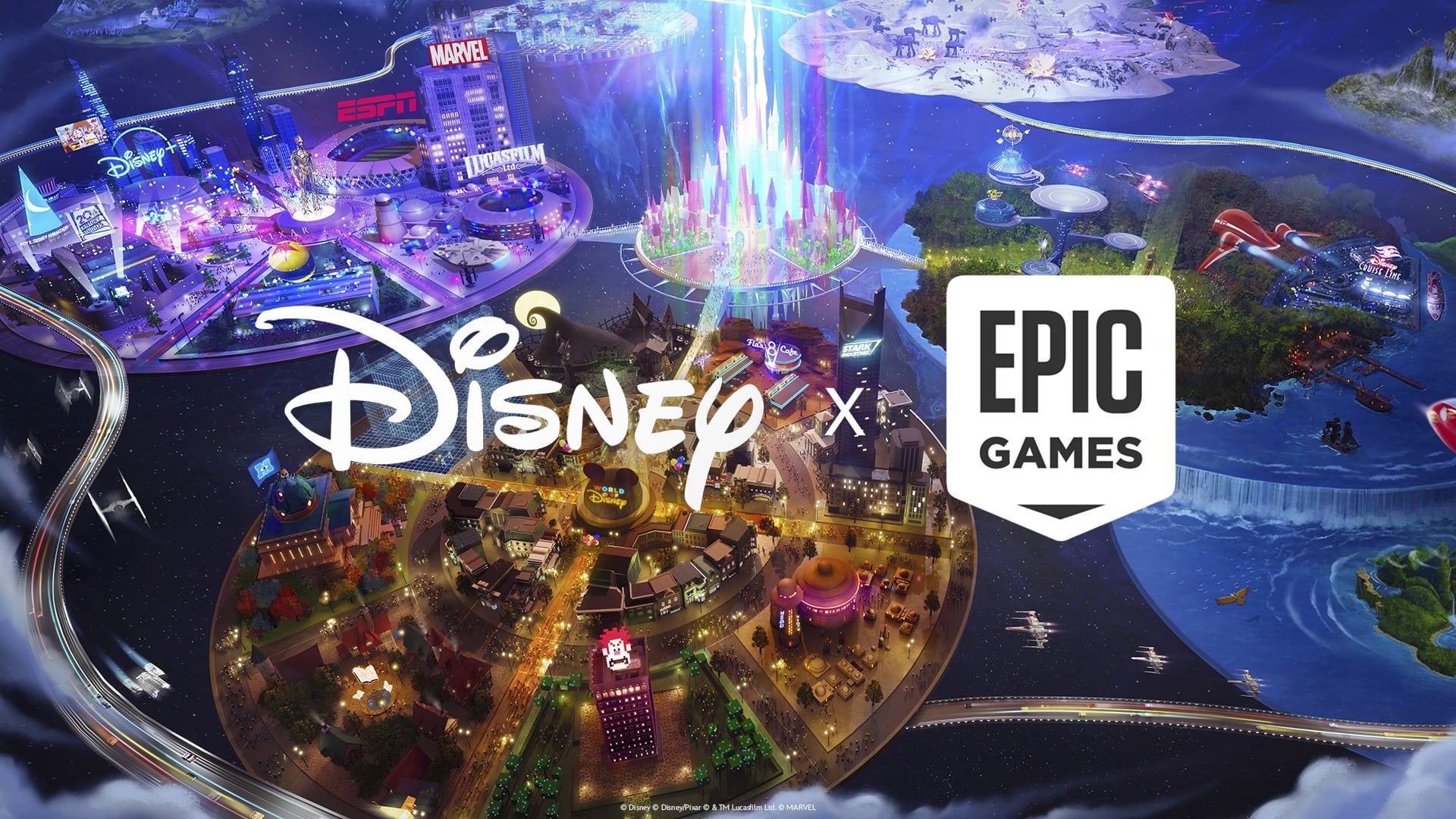
Disney's $1.5 billion stake in Epic Games (announced in 2024) indicates sustained commitment to IP-driven gaming and merchandise. This signals: (1) Long-term franchise development - Disney typically supports franchises for 5-10+ years, meaning merchandise demand will remain strong even with development delays, (2) Cross-platform integration - Disney will likely integrate Marvel/Star Wars content across Fortnite, Disney+, and merchandise channels, creating multiple demand drivers, (3) Premium positioning - Disney's involvement suggests higher-quality merchandise standards and premium pricing potential. Sellers should expect merchandise price points 20-30% higher than typical gaming merchandise, with corresponding margin improvements. Historical Disney IP merchandise generates $2-5 billion annually across all channels, with e-commerce representing 15-25% of total revenue. Sellers who establish positions in this category now can capture $100,000-500,000 in annual revenue by 2028-2029.
What risks should sellers monitor regarding AI-generated content and IP licensing?
Sellers face three key risks: (1) IP infringement - using AI-generated designs that inadvertently copy existing Marvel/Star Wars artwork can result in DMCA takedowns and account suspension. Mitigation: only use licensed merchandise from authorized manufacturers and verify AI-generated designs don't infringe existing IP. (2) Quality control - AI-generated product descriptions and images may contain errors or inconsistencies that reduce conversion rates. Mitigation: implement human review processes for all AI-generated content before listing publication. (3) Market saturation - as more sellers adopt AI tools, competitive advantage windows compress from 2-3 months to 4-6 weeks. Mitigation: focus on niche gaming categories and exclusive supplier relationships rather than competing on volume. Sellers who ignore these risks face 20-30% margin compression and potential account suspension within 12-18 months.