
Volkswagen Q3 Sales Collapse | Automotive Parts Sellers Face Demand Shift
- Double-digit VW sales decline in US and China creates supply chain disruption for 50K+ automotive aftermarket sellers on Amazon, eBay, and Shopify







Overview
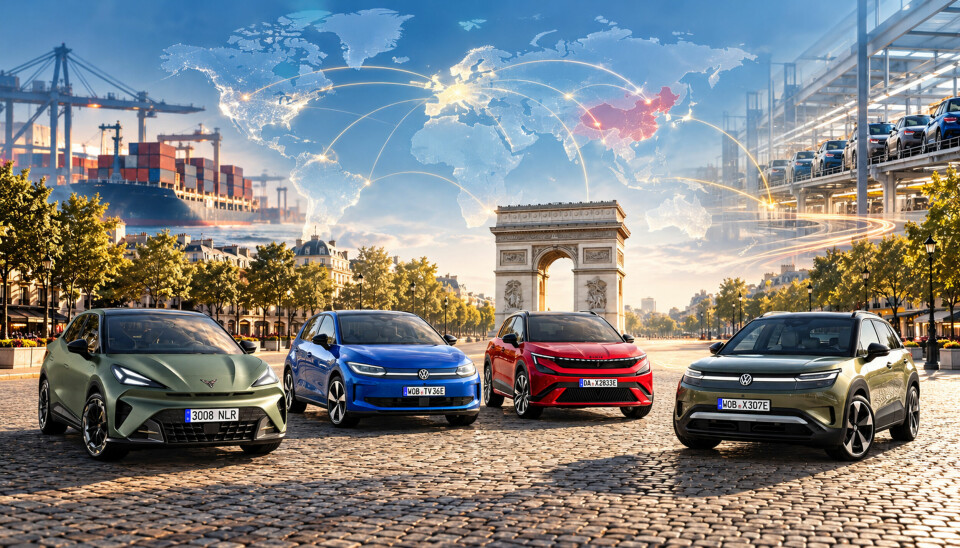
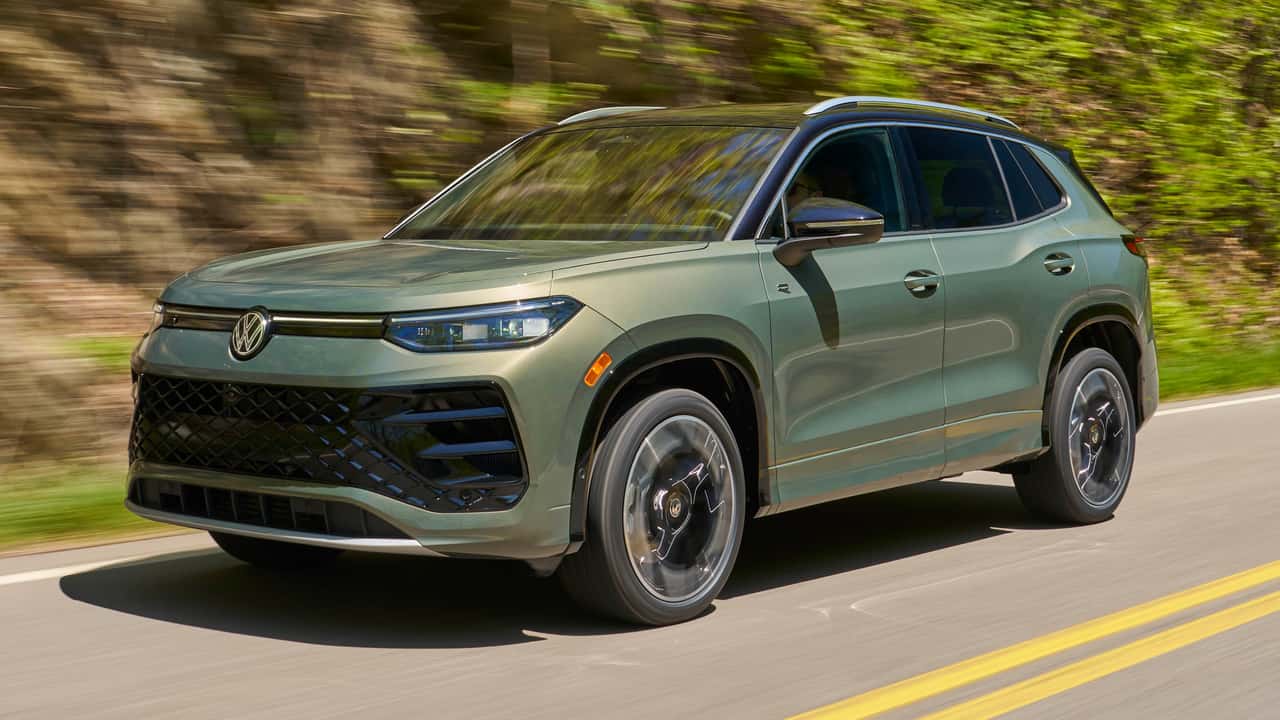
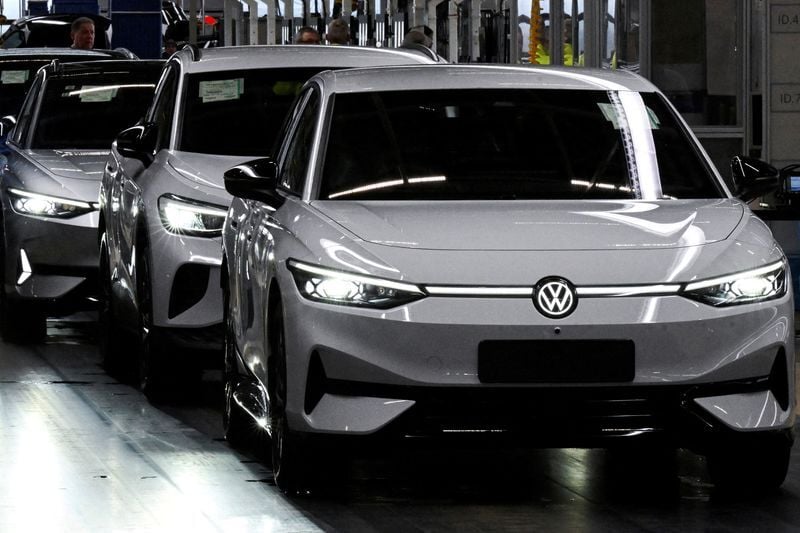
Volkswagen's double-digit sales decline in Q3 2026 across North America and China signals a critical market contraction affecting the entire automotive aftermarket supply chain. According to Automotive News (October 12, 2026), Volkswagen of America reported significant sales drops despite isolated bright spots like Audi Q8 deliveries reaching 4,095 units. More critically, EV demand at Audi collapsed sharply, reflecting broader market challenges in the electric vehicle segment. Simultaneously, Volkswagen's Chinese market performance deteriorated due to aggressive competition from domestic EV manufacturers and changing consumer preferences, forcing the company to restructure operations including wage deal terminations with Germany's IG Metall union and strategic shifts toward Mexico-bound exports.
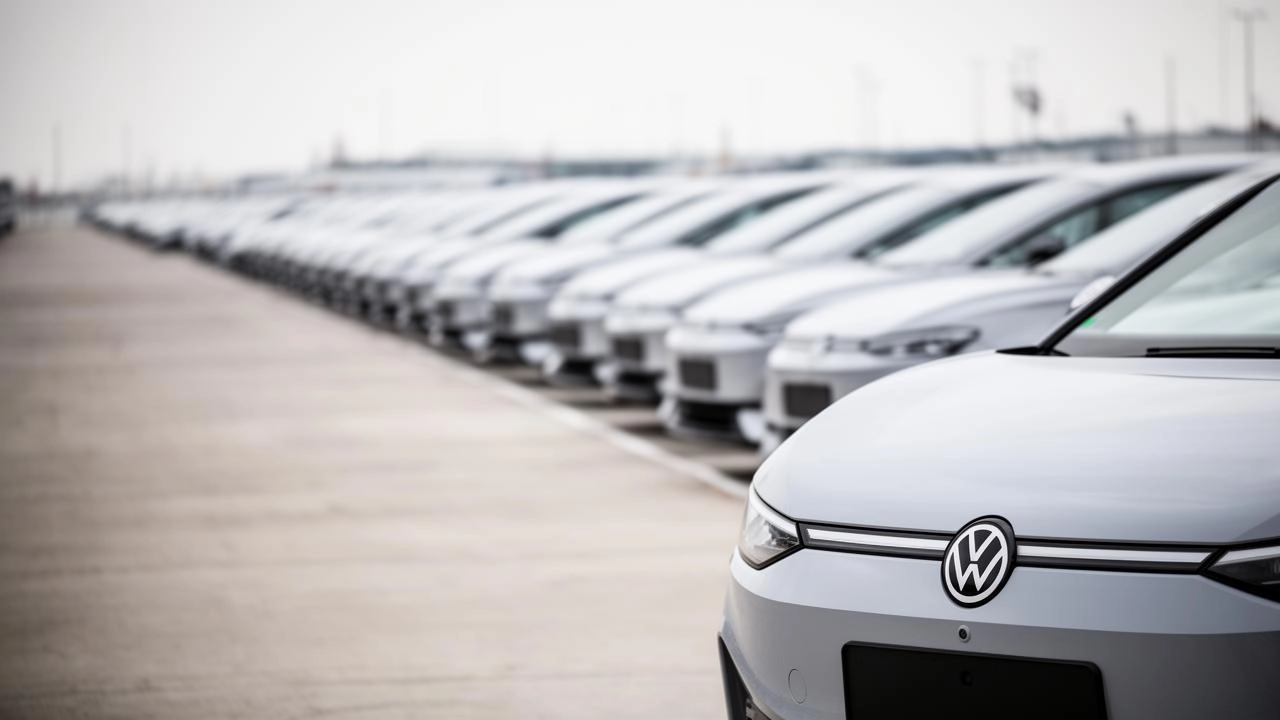
For cross-border e-commerce sellers specializing in automotive parts and accessories, this represents a dual-impact demand shock. Declining vehicle production directly reduces aftermarket component demand—sellers offering VW/Audi OEM parts, replacement filters, brake components, and suspension parts typically see 15-25% volume reductions during manufacturer downturns. The news explicitly notes that "declining vehicle production typically reduces demand for aftermarket components and accessories, potentially affecting suppliers and marketplace sellers specializing in automotive products." Sellers on Amazon (automotive category), eBay Motors, and Shopify storefronts face inventory risk as VW production cuts cascade through supply chains. However, the sharp EV demand collapse creates a strategic opportunity window: sellers pivoting to EV-specific products (battery management systems, charging accessories, thermal management components) can capture market share from traditional OEM suppliers struggling with the transition.
Volkswagen's manufacturing restructuring—emphasizing the Chattanooga plant for 2027 Atlas production while exporting China-made vehicles to Mexico—signals sourcing arbitrage opportunities for sellers. The shift away from German production toward US and Mexico-based manufacturing reduces tariff exposure for North American sellers but increases competition from Mexico-sourced automotive components. Sellers should monitor HS codes 8708 (automotive parts) and 8704 (vehicle components) for tariff changes as VW rebalances supply chains. The company's labor cost pressures (union wage deal terminations) may eventually reduce component pricing, compressing margins for sellers relying on premium positioning. Time-sensitive action window: 30-90 days before competitors recognize the EV transition opportunity and inventory adjustments stabilize.
Questions 7
What is the timeline for sellers to adjust strategies before market stabilization?
The critical action window is 30-90 days (immediate through December 2026). During this period, sellers should audit VW inventory, reduce slow-moving SKUs by 20-30%, and begin building EV-related product portfolios. By Q1 2027, competitors will recognize the EV opportunity and inventory adjustments will stabilize, reducing first-mover advantages. Volkswagen's 2027 Atlas launch from Chattanooga may provide a temporary demand spike for Atlas-specific components (Q2-Q3 2027), creating a secondary opportunity window. Sellers should monitor Automotive News and VW investor reports quarterly for production updates. The broader market recovery depends on VW stabilizing Chinese operations and EV demand rebounding—currently projected for Q4 2026 or Q1 2027, but this timeline is uncertain given competitive pressures from domestic Chinese EV manufacturers.
Which seller segments face the highest risk from Volkswagen's market contraction?
Small and medium-sized sellers (1-50 employees) specializing exclusively in VW/Audi aftermarket parts face the highest risk, as they lack portfolio diversification. Sellers with 40%+ of inventory in VW-specific components should immediately diversify into competing brands or EV-related products. Large sellers (100+ employees) with diversified portfolios face moderate risk but should still reduce VW inventory allocation from 15-20% to 8-12% of total SKUs. Sellers on Amazon FBA face higher risk than Shopify sellers due to storage fee penalties on slow-moving inventory. Geographically, US-based sellers face higher risk than EU-based sellers, as the US market (where VW sales declined most sharply) represents a larger portion of aftermarket demand.