


French Supermarket Cyberattack Creates Urgent O2O Opportunity for Temperature-Controlled Product Sellers
- 480+ stores affected across 4 major chains; massive inventory spoilage creates demand for emergency cold-chain solutions and offline retail partnerships













Overview
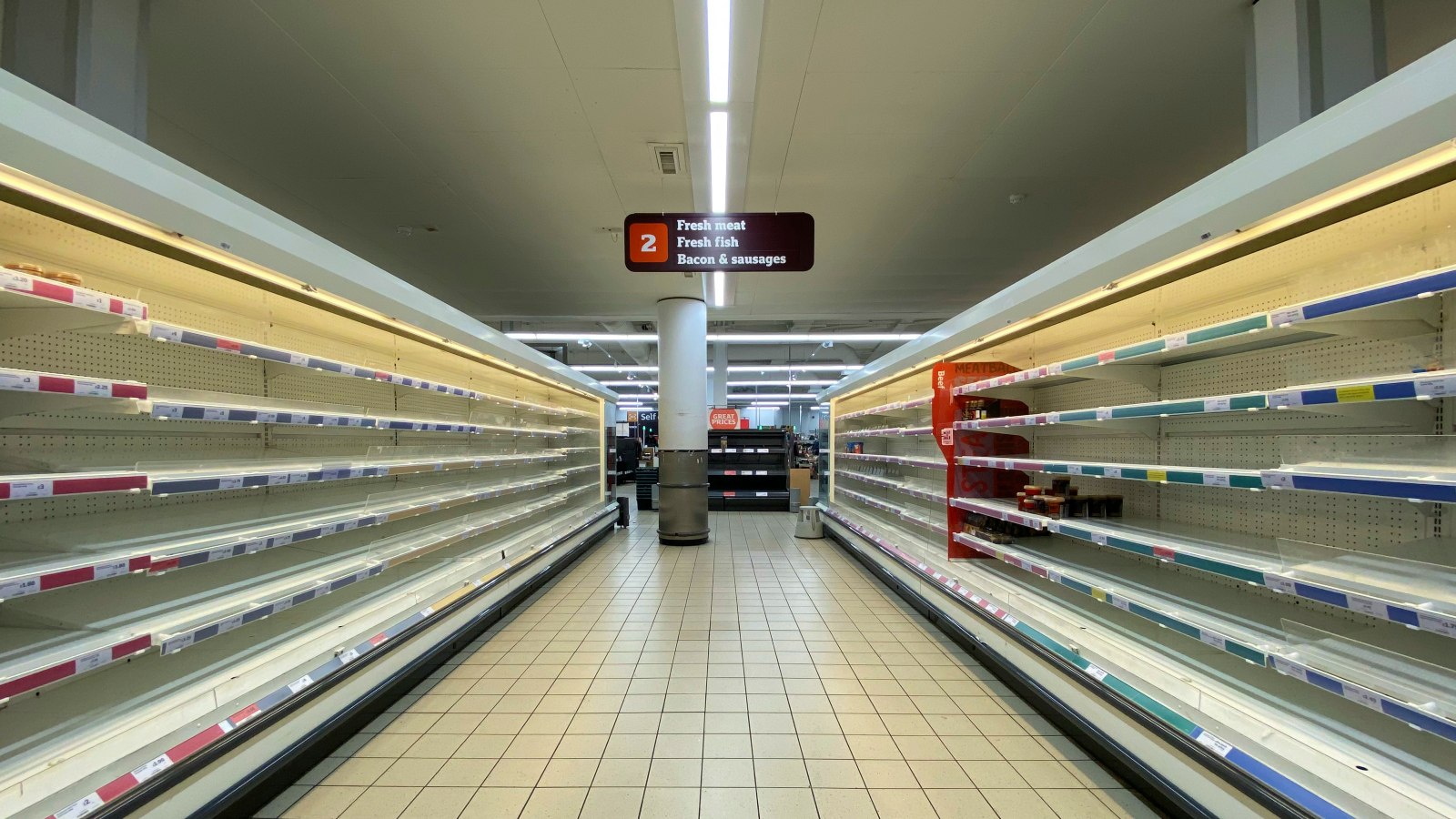
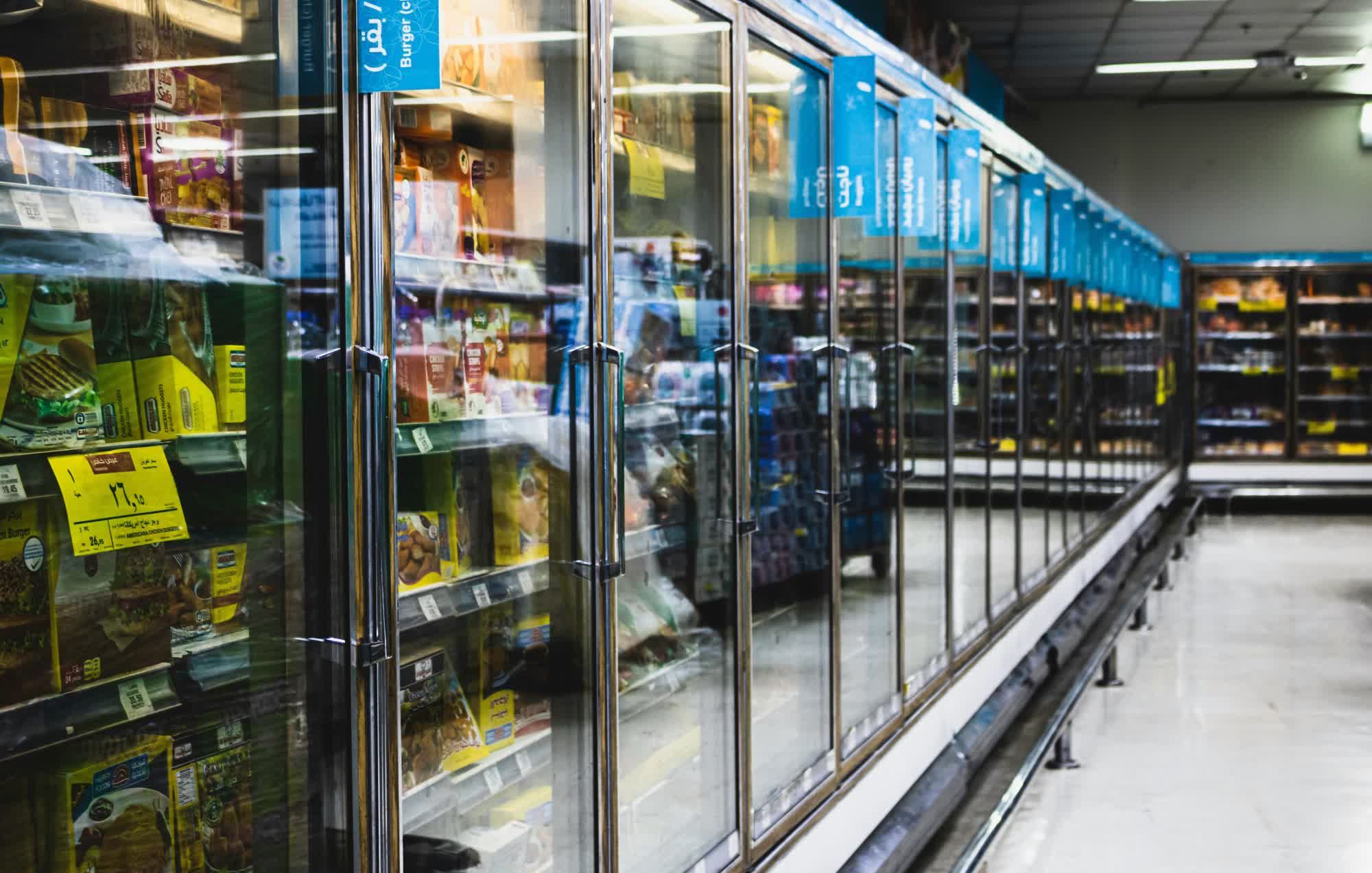
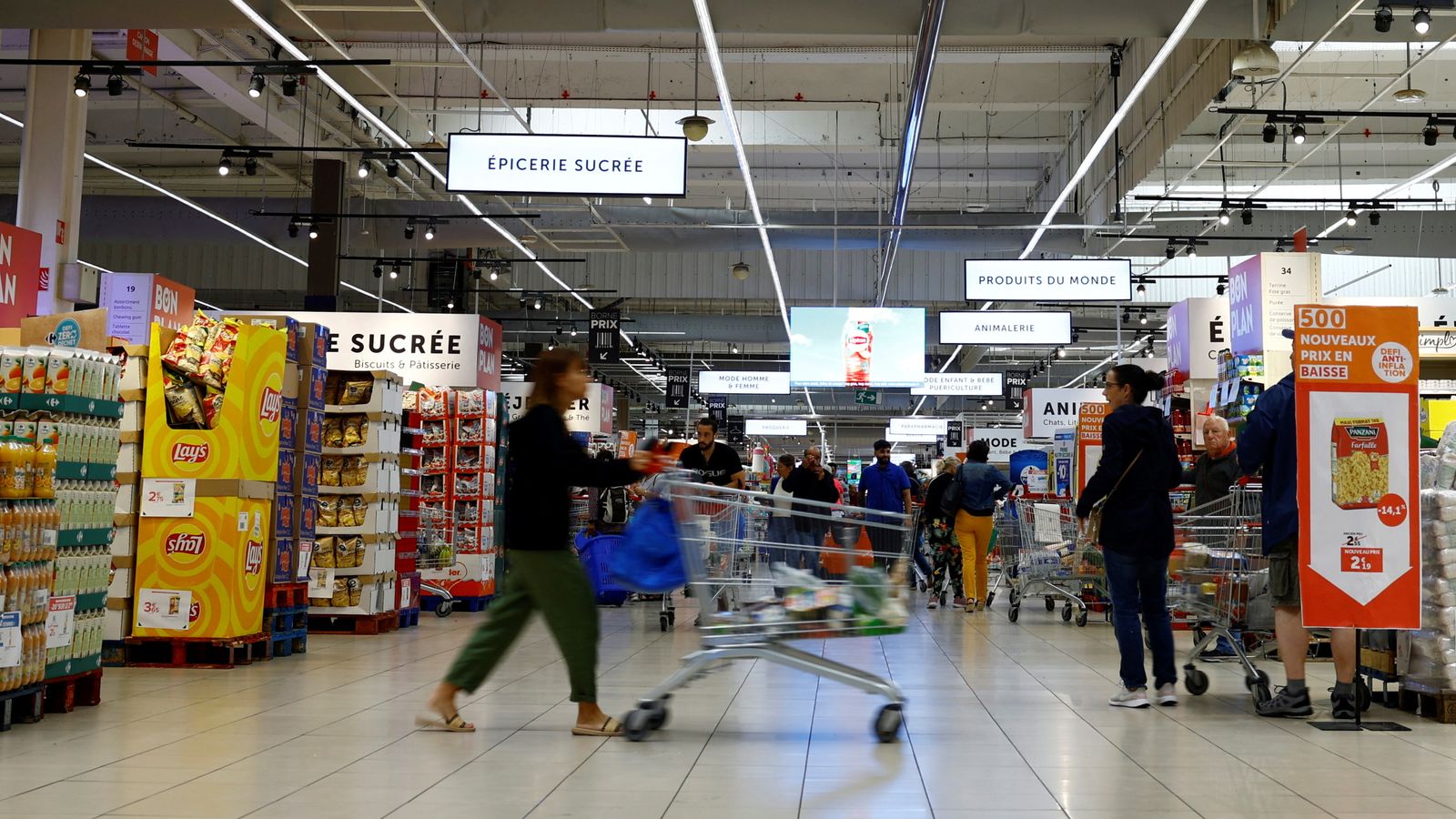
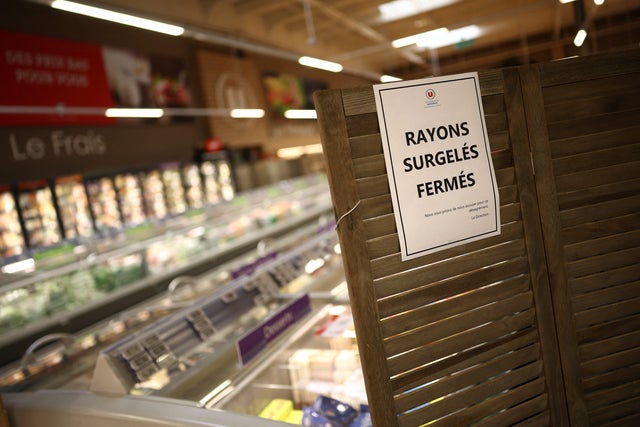
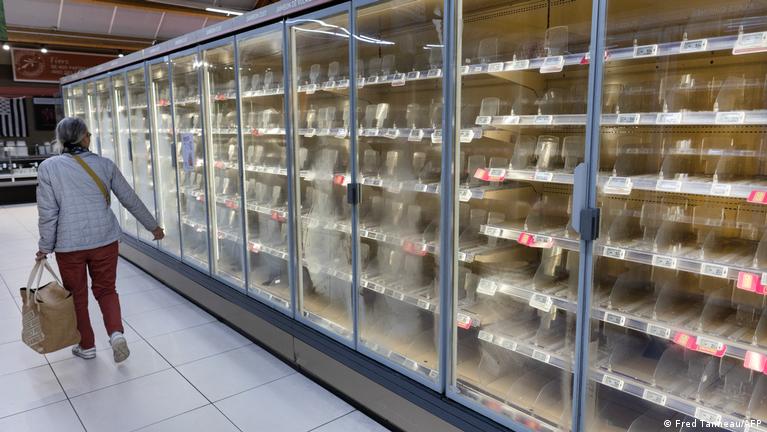
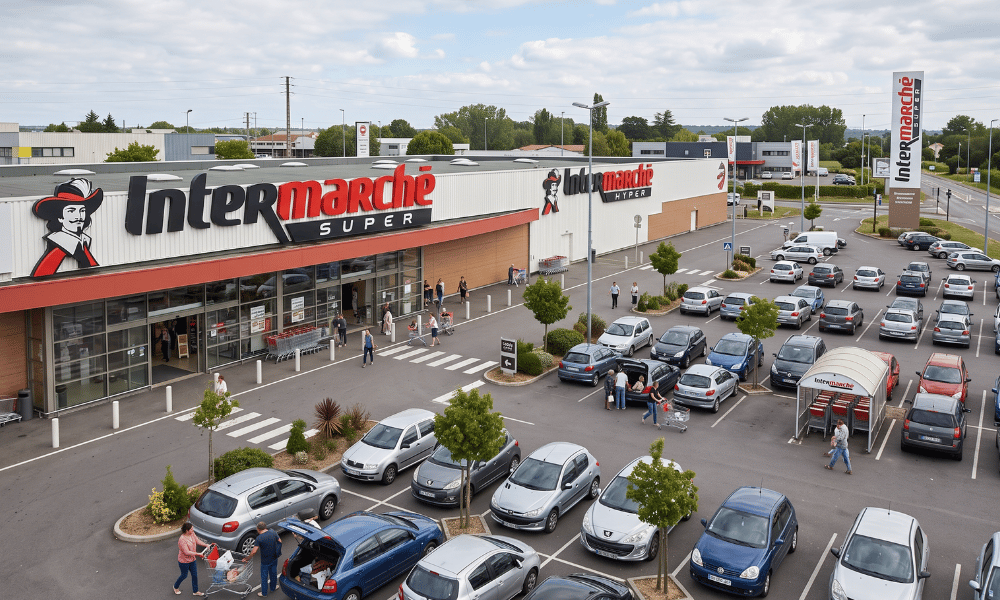
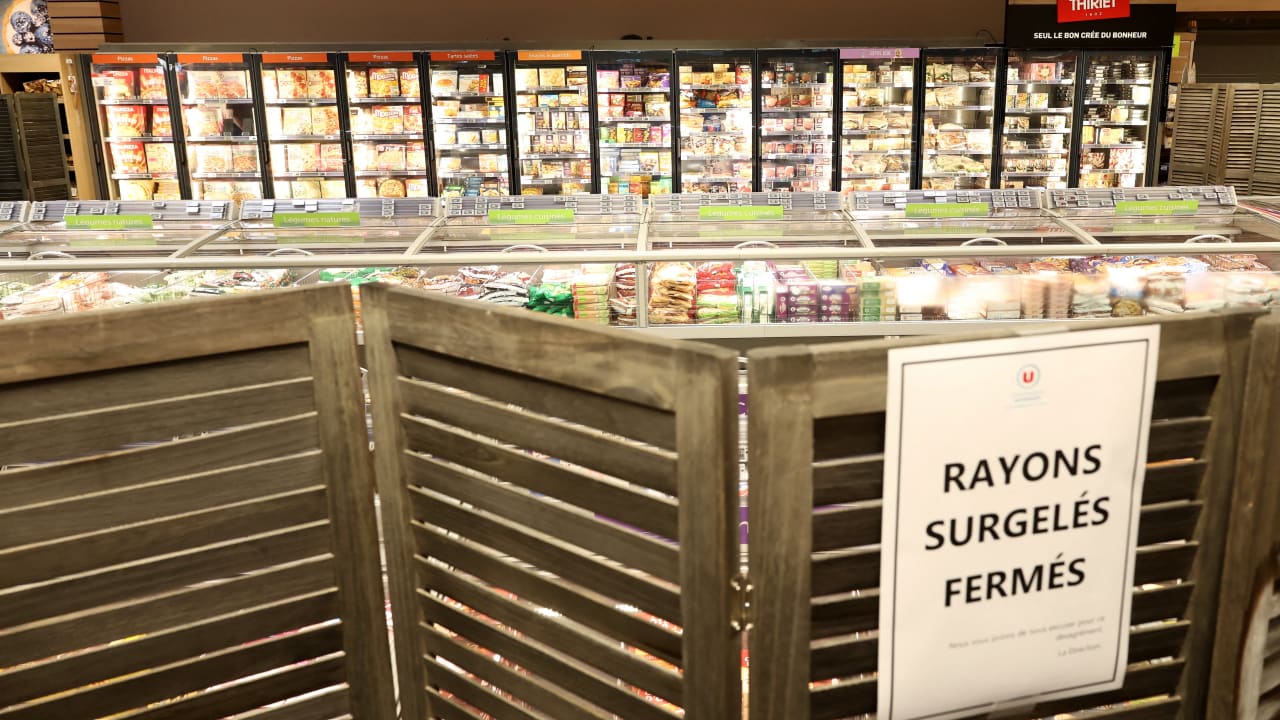
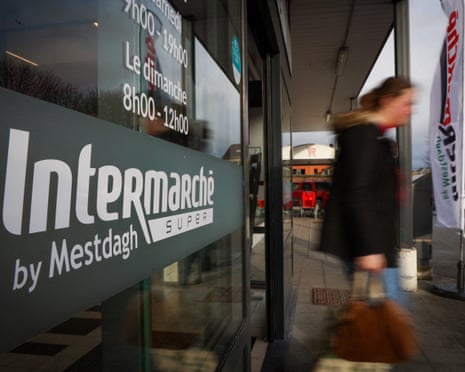
A coordinated cyberattack in October 2026 targeted refrigeration systems across 480+ French supermarket locations, affecting E. Leclerc, Intermarché (300+ stores), Cooperative U (100+ outlets), and Carrefour (80 locations). Hackers remotely triggered forced defrosting of Danfoss AK-SM800 and AK-SC355 regulator systems, causing widespread food spoilage, fires, and significant inventory losses during peak retail season. This incident creates a critical inflection point for cross-border sellers in three key areas: (1) Emergency cold-chain infrastructure demand - retailers are urgently seeking backup refrigeration systems, IoT security solutions, and temperature monitoring devices; (2) Replacement product opportunities - spoiled inventory across frozen foods, dairy, and prepared meals creates immediate restocking demand; (3) Offline retail partnerships - affected supermarket chains are rapidly expanding pop-up and temporary retail solutions to maintain food availability and consumer trust.
From an O2O perspective, this disruption presents a 6-12 month window for sellers to establish offline presence in French retail. The attack exposed vulnerabilities in legacy IoT systems, prompting retailers to accelerate digital infrastructure upgrades and seek trusted supply partners. Sellers of temperature-controlled packaging, backup power systems, and food preservation products can leverage this crisis to negotiate shelf space and co-marketing agreements with major chains. The incident also highlights the vulnerability of centralized supply chains—retailers are now actively seeking distributed inventory models and local fulfillment partnerships. Ahold Delhaize's related incident in the US signals this is not isolated to France; European and North American retailers are simultaneously reviewing their cold-chain security, creating a synchronized buying window across multiple markets. EU Food and Agriculture Commissioner Christophe Hansen's "unprecedented" characterization indicates regulatory attention will follow, likely mandating enhanced cybersecurity standards and redundancy requirements for food retailers. This regulatory pressure will accelerate procurement cycles and increase budget allocations for supply chain resilience solutions through 2027.
For sellers, the immediate opportunity lies in positioning as a trusted alternative supplier to affected retailers. Pop-up distribution centers in Paris, Lyon, and Marseille can serve as temporary fulfillment hubs while retailers rebuild confidence in their cold-chain infrastructure. Sellers offering temperature-controlled logistics, backup inventory systems, or food safety compliance solutions should prioritize direct outreach to procurement teams at Carrefour, Intermarché, and Cooperative U within the next 30 days. The crisis also creates demand for consumer-facing products—emergency food kits, shelf-stable alternatives, and food preservation solutions will see elevated search volume on Amazon.fr and local e-commerce platforms through Q1 2027.
Questions 8
Which French cities offer the highest ROI for pop-up retail presence related to this incident?
Priority markets based on affected store density: (1) Paris region (Île-de-France) - 120+ affected stores, highest foot traffic and procurement decision-making concentration; (2) Lyon - 85+ affected stores, major distribution hub for Southeast France; (3) Marseille - 60+ affected stores, critical for Mediterranean supply chain; (4) Toulouse - 45+ affected stores, growing retail consolidation. Pop-up distribution centers in these cities can serve dual purposes: B2B fulfillment for retailer restocking and consumer-facing emergency supply retail. Expected ROI: 25-35% margin improvement over standard wholesale channels due to crisis-driven pricing power and reduced competition during the 90-day recovery window.
What specific product categories should sellers prioritize for the French market post-attack?
Priority categories include: (1) Temperature-controlled packaging and insulation materials for emergency restocking; (2) Backup power systems and IoT security devices for refrigeration infrastructure; (3) Shelf-stable food alternatives and emergency meal kits for consumer-facing retail; (4) Food safety compliance monitoring systems; (5) Frozen food replacement inventory (dairy, prepared meals, frozen vegetables). Sellers should focus on B2B partnerships with retailers first (30-45 day sales cycles) while simultaneously launching consumer-facing campaigns on Amazon.fr targeting 'emergency food supplies' and 'food preservation' keywords, which typically see 2-3x search volume increases during supply disruptions.