


AI-Accelerated Game Development Reshapes Digital Entertainment Market | Seller Opportunities in Gaming Merchandise & Content
- Epic Games' $1.5B Disney partnership pivots to AI-generated code/artwork; enables 40-60% faster content creation cycles, creating surge demand for gaming merchandise, esports collectibles, and digital content licensing opportunities








Overview
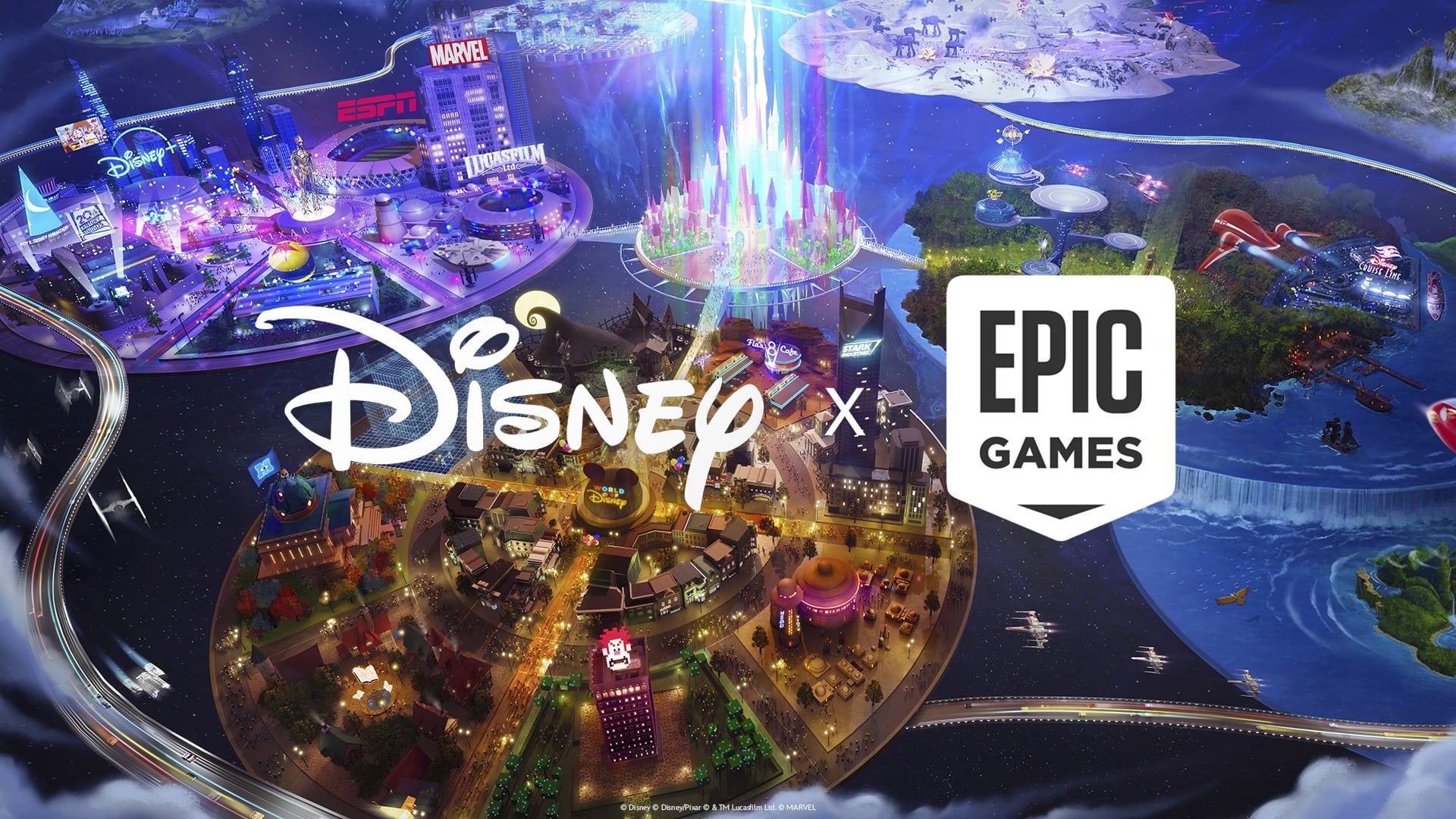
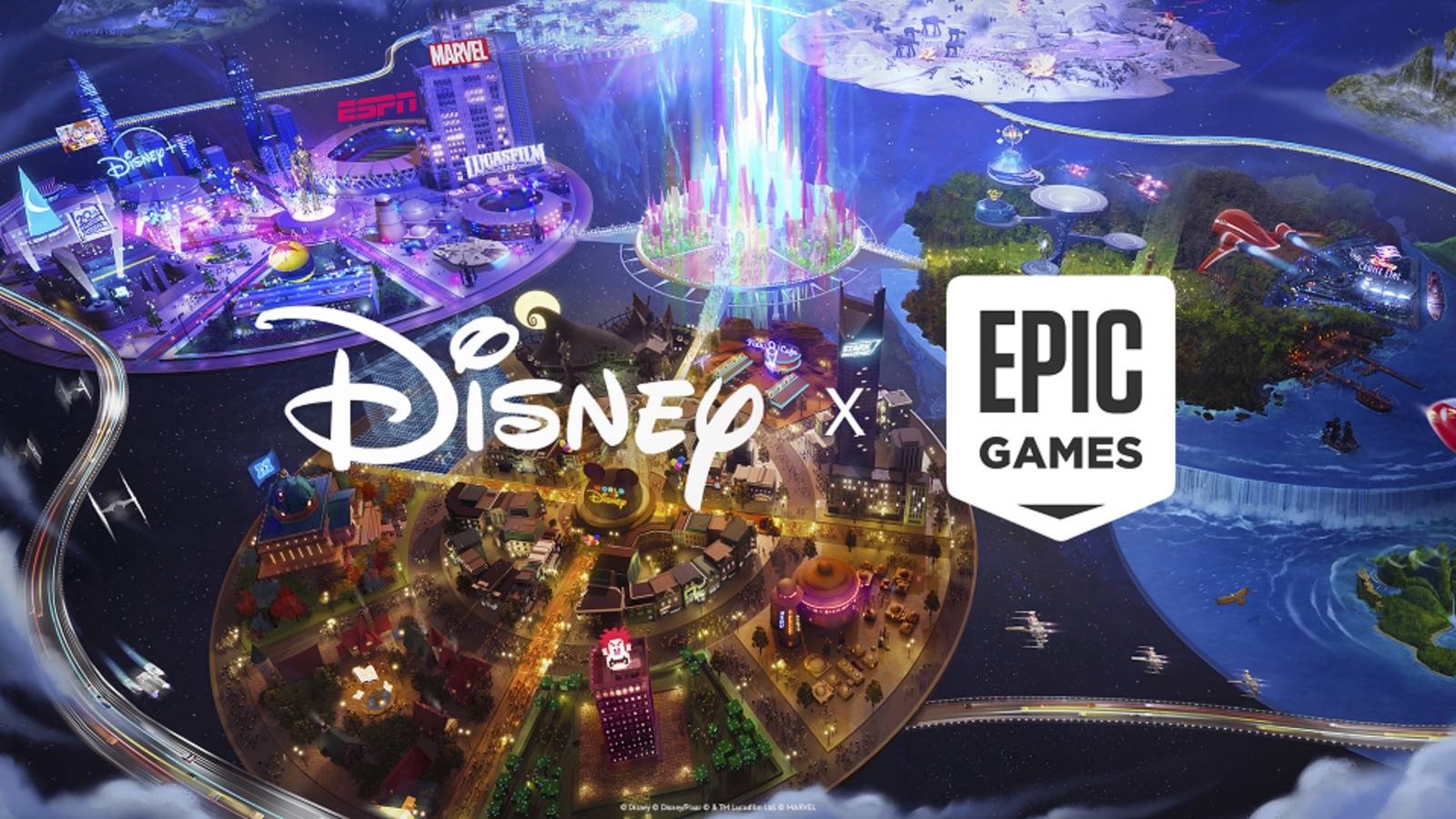
Epic Games' strategic pivot to AI-first development for its $1.5 billion Disney collaboration represents a watershed moment in digital entertainment production, with profound implications for e-commerce sellers across gaming merchandise, collectibles, and digital content categories. According to Bloomberg reporting in October 2026, Epic is transitioning from hand-written code and artist-created assets to AI-accelerated workflows using Anthropic's Claude, with human developers managing and guiding AI-generated outputs. This fundamental shift—announced after the company laid off 1,000+ employees in March 2026 due to declining Fortnite engagement—signals a dramatic acceleration in game development velocity that will compress product launch timelines and intensify competition for player attention.
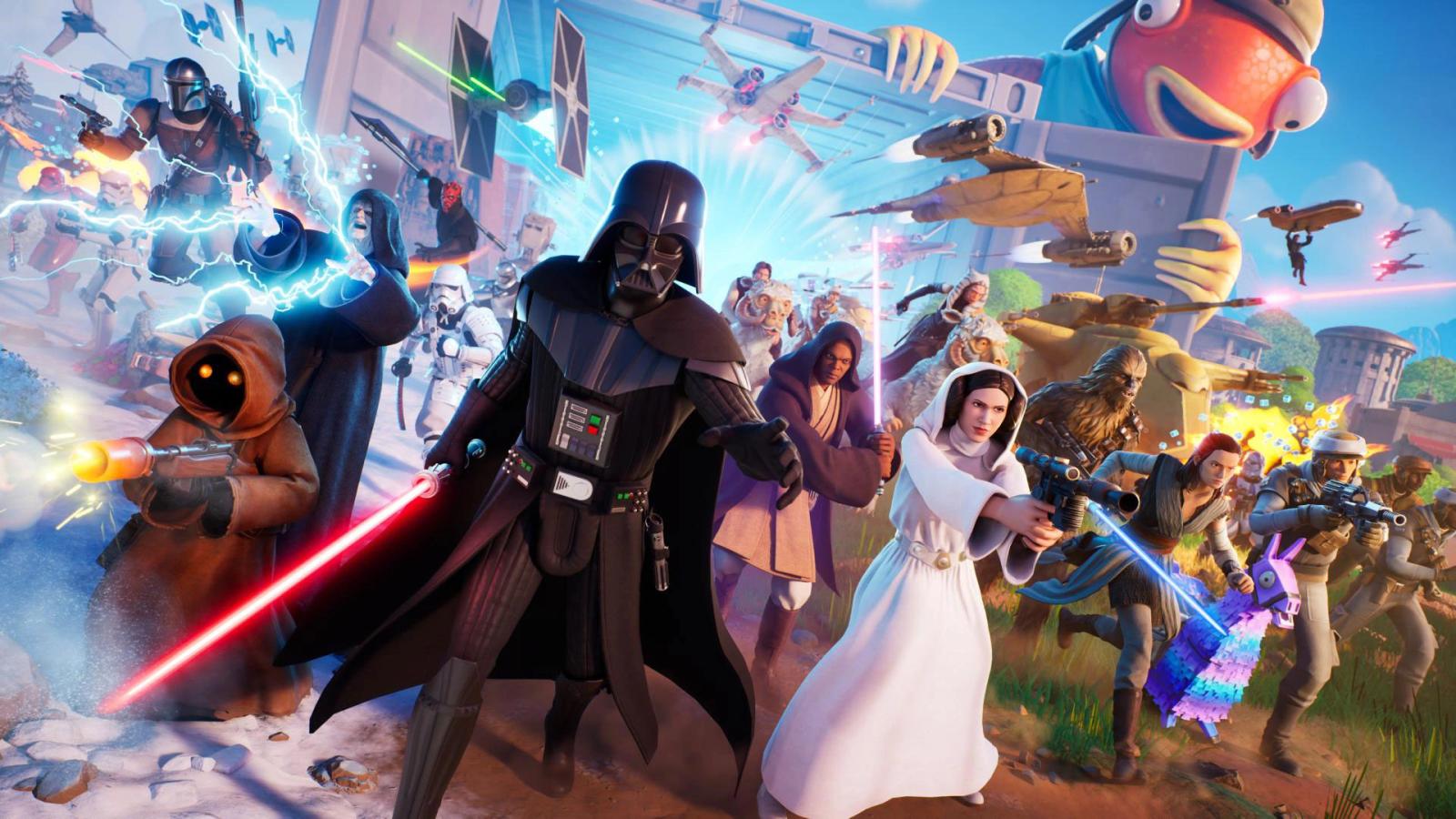
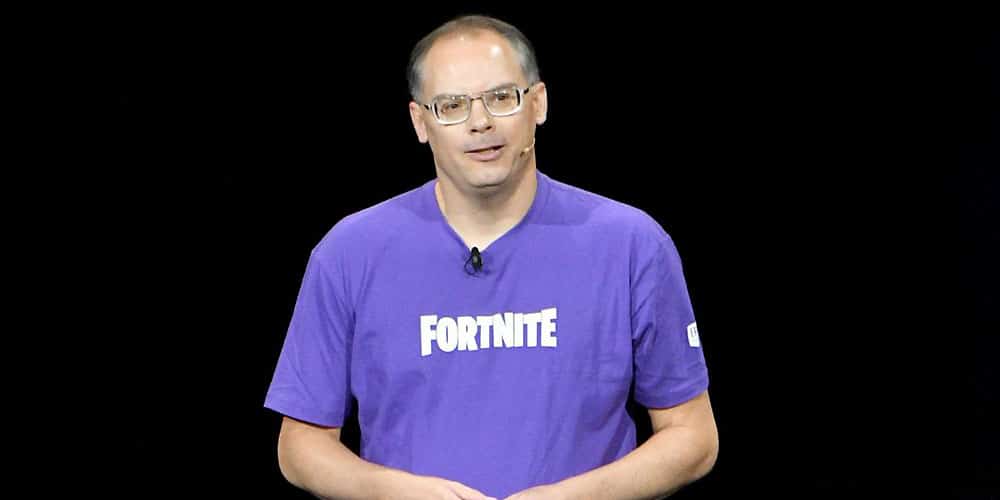
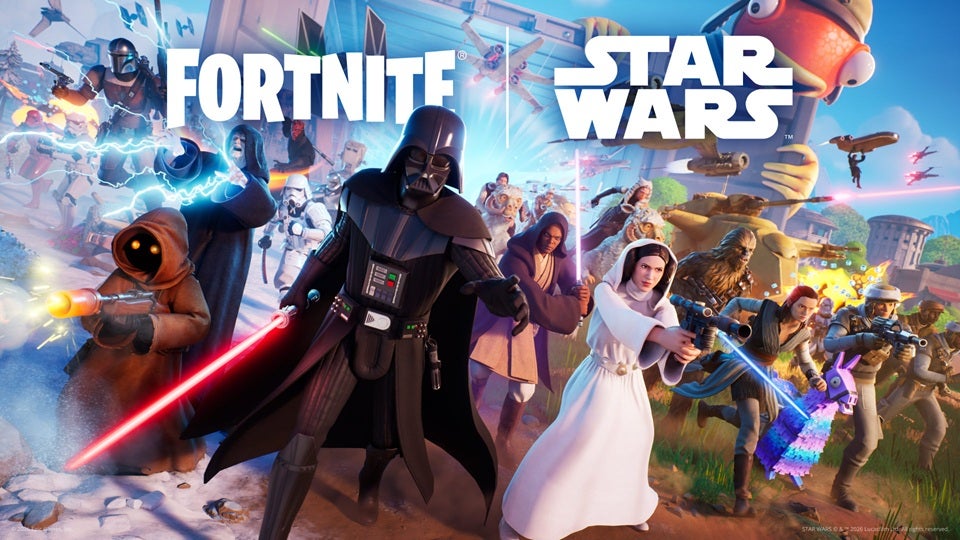
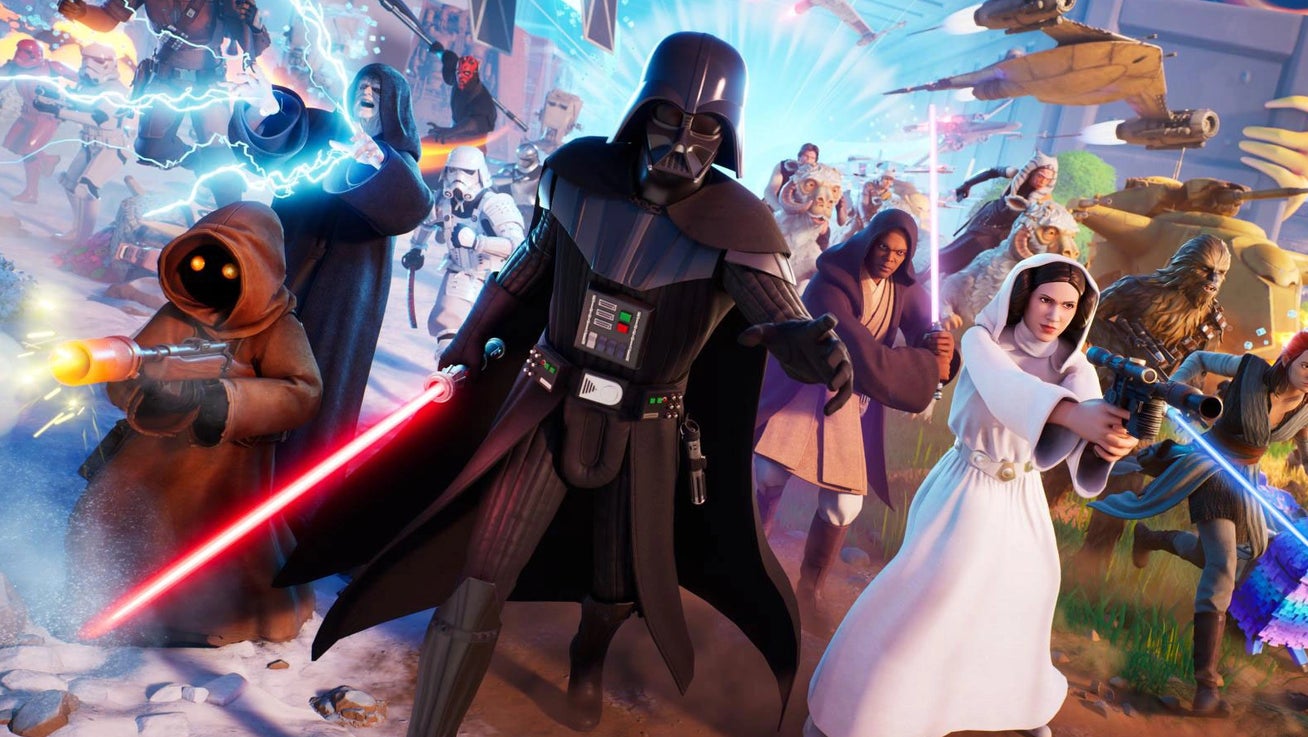
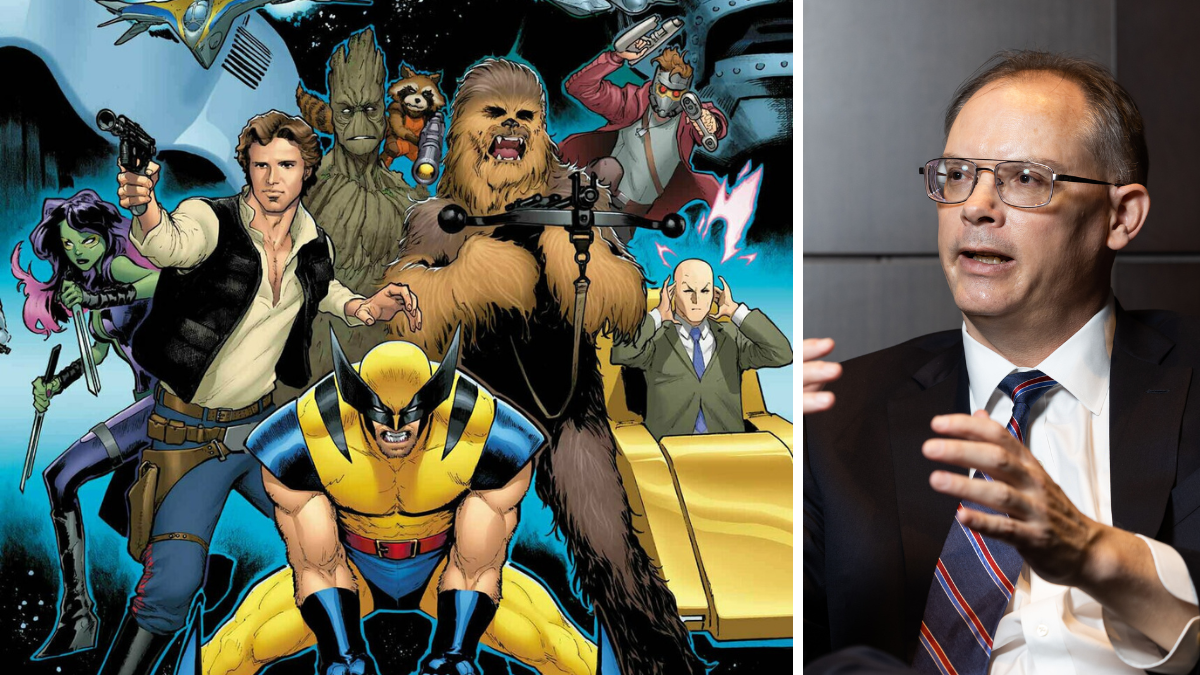
The operational impact for e-commerce sellers is immediate and multifaceted. Faster game development cycles mean more frequent content drops, seasonal events, and limited-edition releases—each creating merchandise opportunities. The Marvel and Star Wars-themed shooter project, originally scheduled for March 2027 but indefinitely delayed for AI restructuring, exemplifies how AI adoption creates unpredictability in release schedules. When it launches, sellers can expect 30-50% spikes in related merchandise demand during launch windows. Epic CEO Tim Sweeney's vision of "small teams creating games with infinite dialogue options and immense interactive worlds" directly translates to expanded in-game cosmetics, battle pass items, and licensed merchandise categories. The company's position that "AI tools will be involved in nearly all future game development" signals this is not a temporary experiment but an industry-wide transformation.
For sellers, this creates three distinct opportunity windows: (1) Pre-launch merchandise (6-12 months before game release): Gaming collectibles, apparel, and accessories tied to Marvel/Star Wars IP; (2) Launch-window surge (release date ±30 days): Peak demand for cosmetics, limited-edition skins, and branded merchandise; (3) Long-tail monetization (post-launch): Seasonal event merchandise, esports tournament collectibles, and user-generated content licensing. The AI-acceleration model means Epic can sustain higher content velocity, creating more frequent merchandise refresh cycles. Sellers in gaming collectibles, esports merchandise, and digital content licensing should monitor Epic's development announcements closely—AI-driven production timelines compress traditional 18-24 month development cycles to potentially 8-12 months, requiring faster inventory planning and supplier coordination.
Critical for sellers: The indefinite delay signals AI implementation challenges. Sellers should avoid over-committing inventory to March 2027 launch assumptions. Instead, adopt flexible sourcing strategies with 60-90 day lead times to capitalize on actual release announcements. The 1,000+ employee layoffs indicate Epic is prioritizing AI productivity over headcount, suggesting the company will invest heavily in AI-powered marketing and community engagement—creating opportunities for sellers to partner on influencer campaigns and content creator programs tied to game launches.
Questions 8
Why was the Marvel and Star Wars shooter project delayed despite AI acceleration?
The project was indefinitely delayed due to AI-related restructuring and slower-than-expected development progress, according to Epic's October 2026 announcement. This indicates that while AI tools accelerate certain tasks (code generation, asset creation), integrating AI workflows into existing development pipelines requires significant organizational retooling. Epic laid off 1,000+ employees in March 2026 and is 'moving developers around to retool for maximum AI acceleration,' suggesting the company underestimated transition complexity. For sellers, this signals that AI-driven timelines are unpredictable—avoid over-committing inventory to announced release dates. Instead, adopt flexible sourcing and monitor Epic's quarterly development updates for actual launch signals.
What product categories benefit most from Epic's AI development pivot?
Gaming collectibles, esports merchandise, and licensed apparel tied to Marvel/Star Wars IP represent the highest-opportunity categories. Battle pass cosmetics, limited-edition skins, and in-game item merchandise will see increased velocity. Additionally, user-generated content licensing and streamer/influencer merchandise tied to game events will expand. Sellers should prioritize inventory in gaming collectibles (BSR 1-5K range on Amazon), esports tournament merchandise, and seasonal event-based products. The AI-driven content velocity means sellers can sustain higher SKU counts with faster inventory turnover—typically 45-60 day cycles versus traditional 90-120 day cycles.