




PS5 Jailbreak Epidemic Exposes Digital Rights Gaps | Sellers Face IP Compliance Reckoning
- AI-accelerated console hacking creates $1.3B+ secondary market crisis; sellers of gaming accessories and DLC face new compliance risks as DMCA exemptions leave publishers vulnerable











Overview
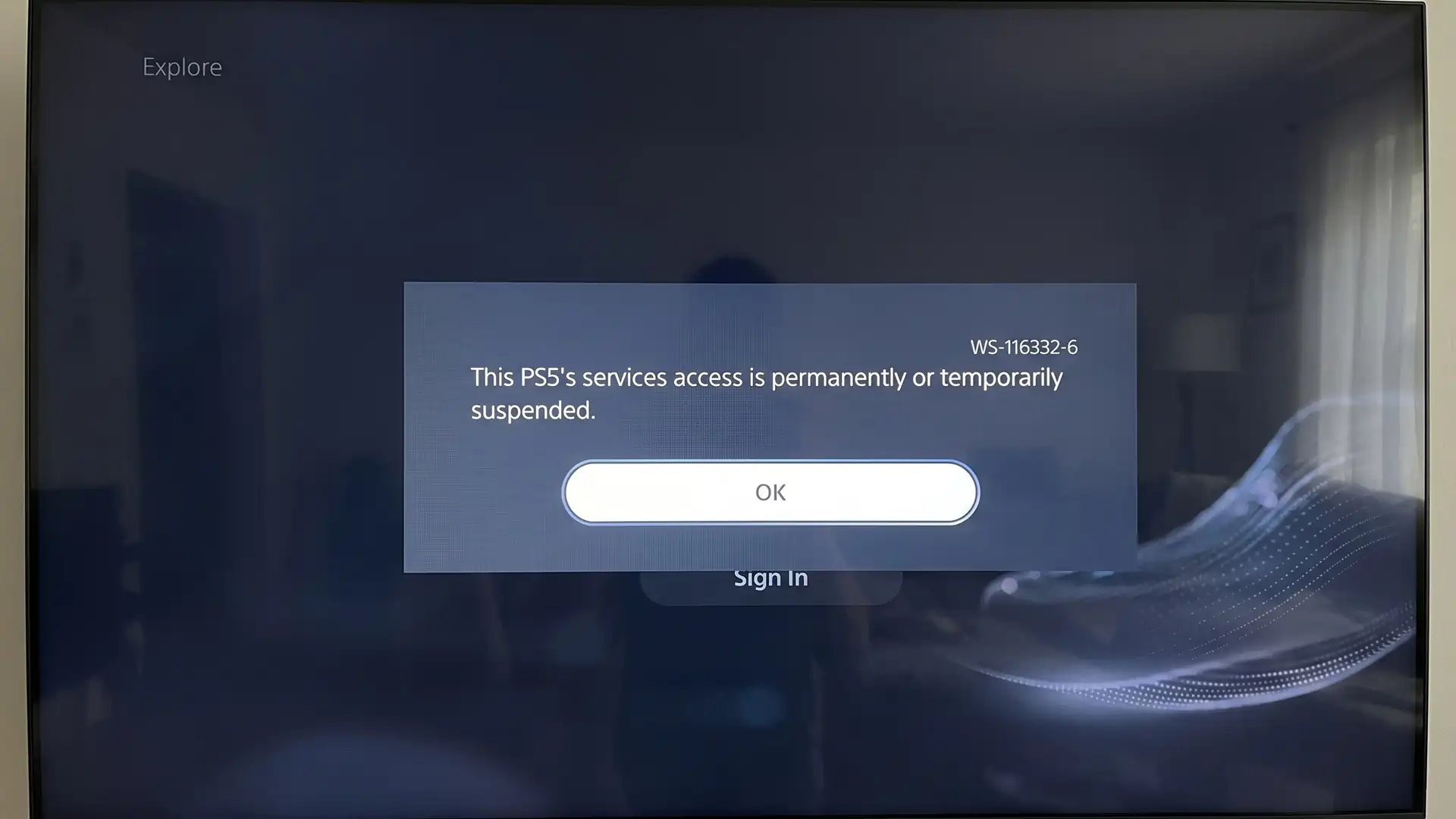
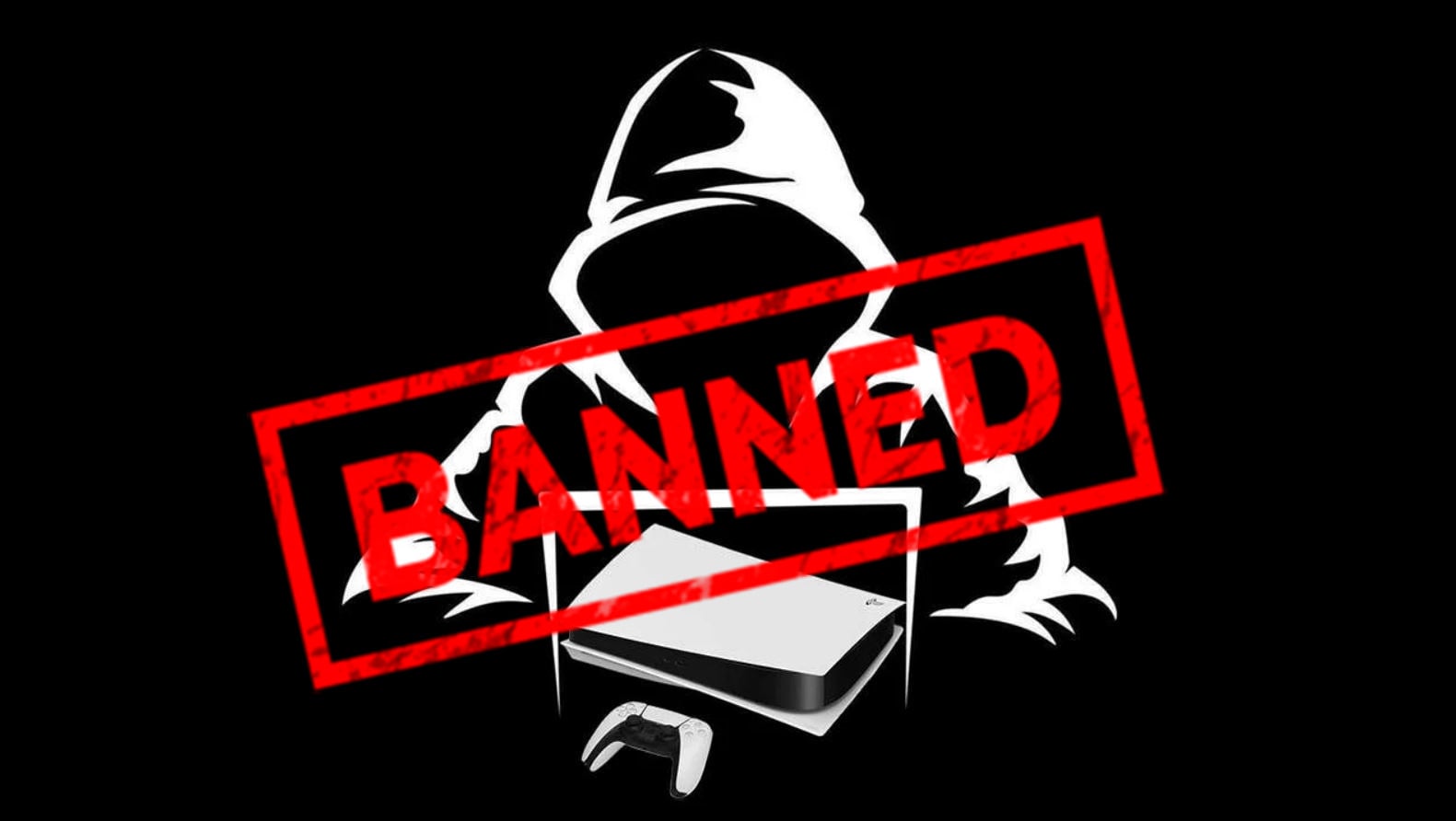
The PS5 jailbreak surge represents a critical intellectual property and digital rights enforcement crisis that directly impacts e-commerce sellers across multiple categories. The emergence of tools like Overdrive (enabling free access to major titles including Battlefield 6, Black Myth: Wukong, Forza Horizon 5, and 007: First Light) and PSXBOX (streaming Xbox Cloud Gaming at 1080p/60fps on jailbroken PS5s) demonstrates how AI-powered decompilation—accelerated by Claude Opus 5.5 and similar coding assistants—has reduced firmware exploitation from years of manual work to weeks of automated development. This creates cascading compliance risks for sellers operating in gaming-adjacent categories.
The regulatory vulnerability is stark: Sony faces limited legal recourse under DMCA exemptions, which explicitly exclude console jailbreaking protections (unlike smartphones and smart TVs). This legal gap creates a compliance moat for sellers who understand and exploit it. Simultaneously, the PS5 Pro shortage crisis—driven by semiconductor constraints and GTA 6 demand—has created a secondary market explosion with scalpers charging $1,300-$1,750 for consoles retailing at $899, prompting Sony to implement lottery systems in Japan. This $1.3B+ secondary market represents both opportunity and risk for cross-border sellers.
For e-commerce sellers, the implications are multifaceted: (1) Gaming accessory sellers face demand destruction as jailbroken consoles eliminate DLC revenue streams—sellers of game codes, season passes, and digital content on Amazon, eBay, and Shopify must pivot to physical merchandise or risk inventory obsolescence. (2) Console and hardware resellers encounter new compliance obligations as modified PS5s become indistinguishable from retail units in secondary markets; sellers must implement authentication protocols or face liability for facilitating IP infringement. (3) Merchandise sellers (gaming peripherals, DualSense controllers, headsets) benefit from increased console adoption but face margin compression as jailbreak communities commoditize premium gaming experiences. (4) Compliance service providers face explosive demand for IP verification, DMCA takedown management, and digital rights authentication—a high-margin service gap currently underserved.
The fastest compliance path for sellers is category-specific: gaming code/DLC sellers should migrate to physical merchandise (gaming chairs, controllers, cables) where jailbreaking has no impact; hardware resellers must implement serial number verification and blockchain-based authentication (cost: $50-200 per unit, timeline: 2-4 weeks); accessory sellers should emphasize compatibility with both jailbroken and legitimate consoles to capture the expanding installed base. The market elimination rate is estimated at 15-25% of digital content sellers within 12 months as jailbreak adoption accelerates, creating a compliance moat for sellers who proactively shift categories.
Questions 7
How are AI tools like Claude Opus accelerating jailbreak development and what does this mean for sellers?
AI coding assistants have reduced firmware exploitation from years of manual work to weeks of automated development, with hundreds of AI-decompiled games emerging within weeks (including browser-based ports of Halo: Combat Evolved and Grand Theft Auto: Vice City). This acceleration means jailbreak adoption will accelerate exponentially, compressing the timeline for seller compliance from 12 months to 6-8 months. Sellers should immediately audit their inventory for categories vulnerable to jailbreaking (digital content, DLC, game codes) and begin migration to resilient categories (physical accessories, hardware, merchandise). The competitive advantage goes to sellers who move fastest—those who pivot categories within 30 days will capture market share from slower competitors.
Why does DMCA exemption for console jailbreaking create a compliance moat for sellers?
Unlike smartphones and smart TVs, console jailbreaking remains explicitly unprotected under DMCA exemptions, leaving Sony with limited legal recourse. This regulatory gap creates a compliance advantage for sellers who understand the legal landscape: those selling to jailbreak communities face lower legal risk than sellers of smartphone modifications. However, this moat is temporary—industry observers compare the current moment to Napster's disruption of music, suggesting regulatory tightening is inevitable. Sellers should capitalize on this window by building compliance infrastructure (IP verification, authentication systems) that will become mandatory within 12-24 months, positioning them as trusted partners when regulations tighten.