



Ahold Delhaize Cyberattack Disrupts Omnichannel Retail | O2O Recovery Opportunities for Sellers
- Network breach forces Food Lion and Hannaford offline; third-party delivery platforms gain 15-25% traffic surge; sellers face $50K-200K revenue loss per day during outages














Overview
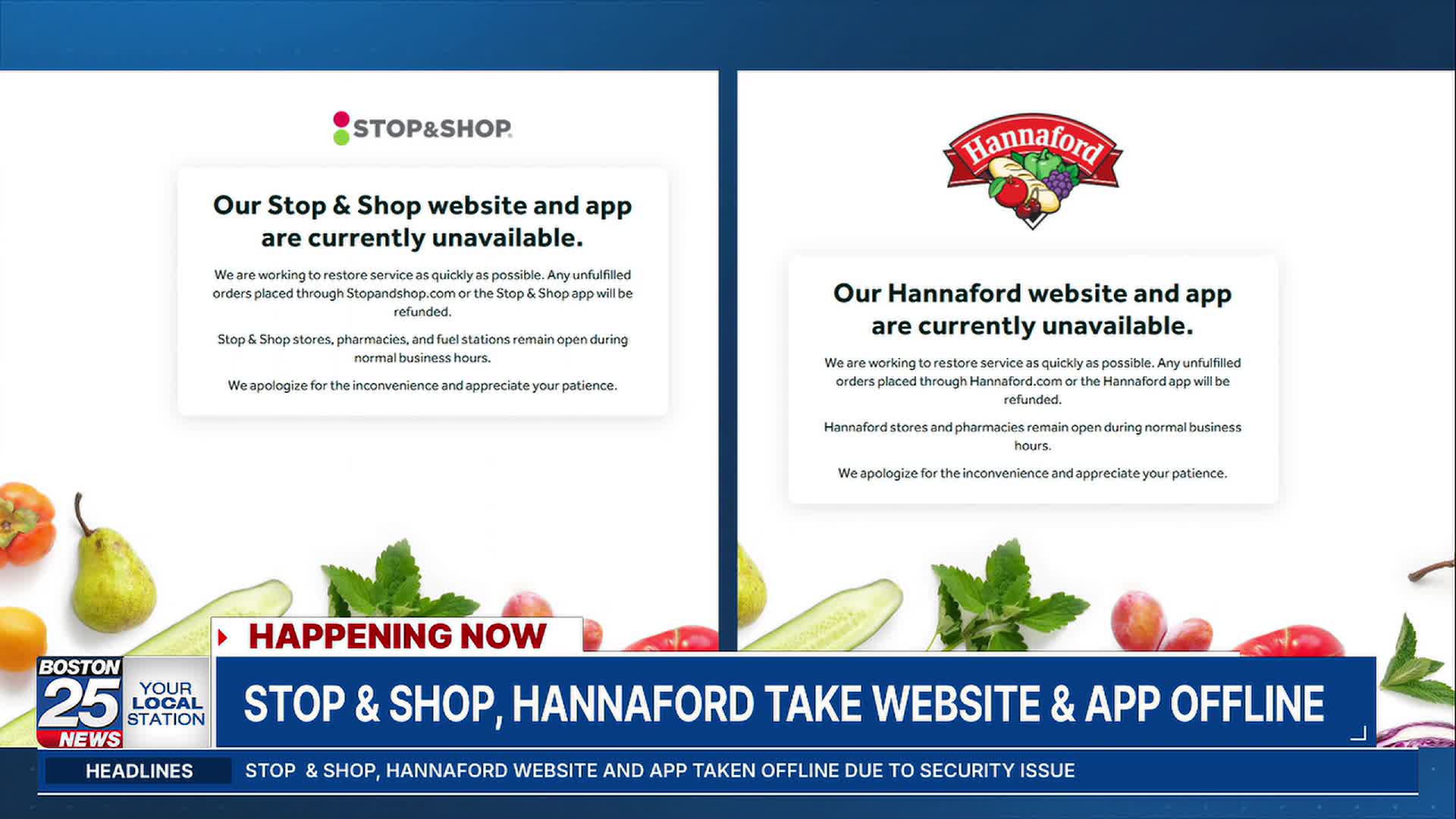
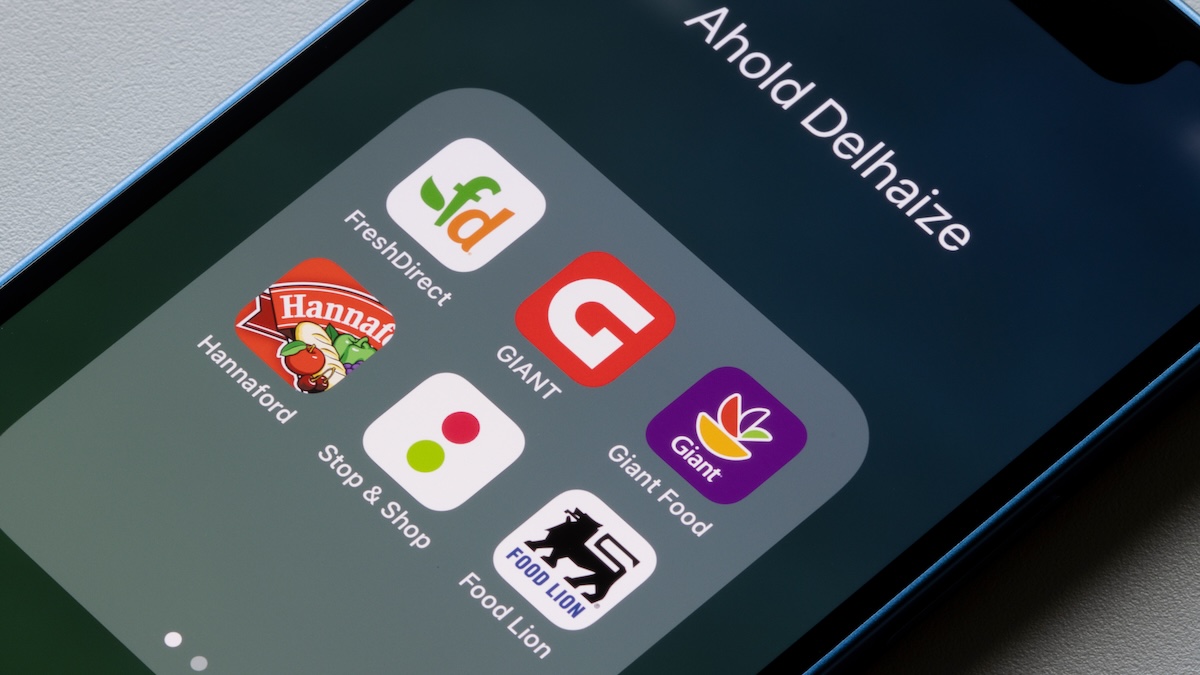
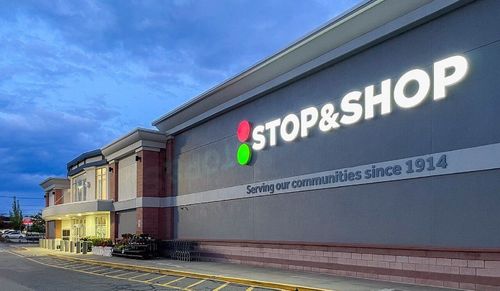
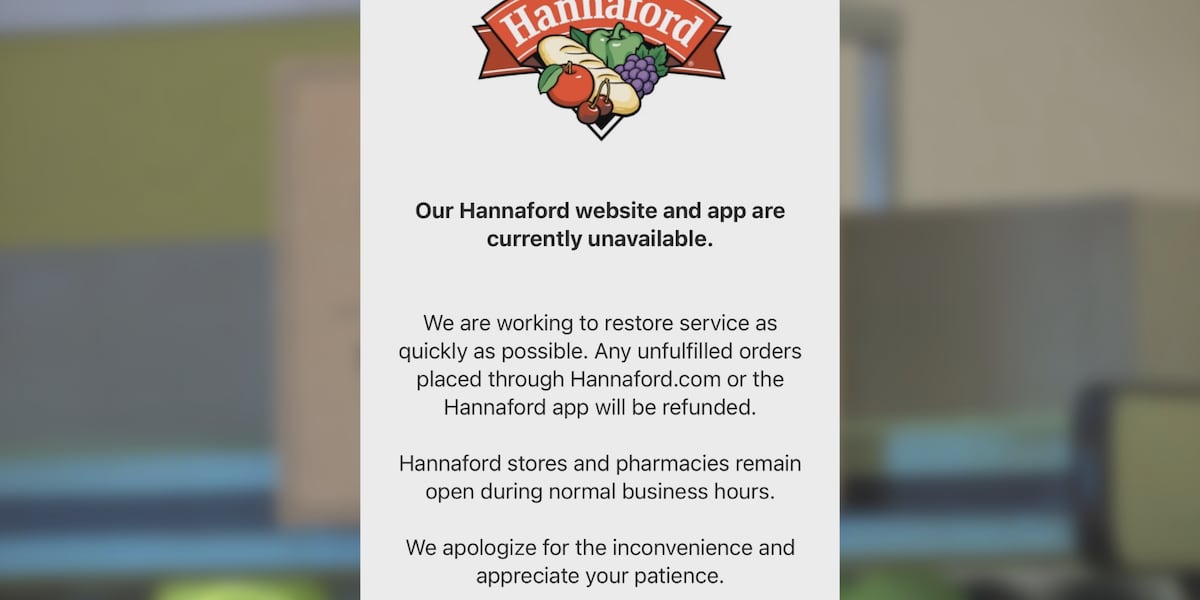
On October 13, 2026, Ahold Delhaize, parent company of major US grocery chains Food Lion and Hannaford, experienced a significant network security incident that forced the company to proactively shut down digital infrastructure across multiple subsidiaries. The cyberattack disabled e-commerce platforms, mobile apps, and integrated delivery services (Hannaford To Go, FoodLion.com) while physical stores remained operational. This represents Hannaford's third major breach since 2008, signaling systemic vulnerabilities in large retail technology ecosystems.
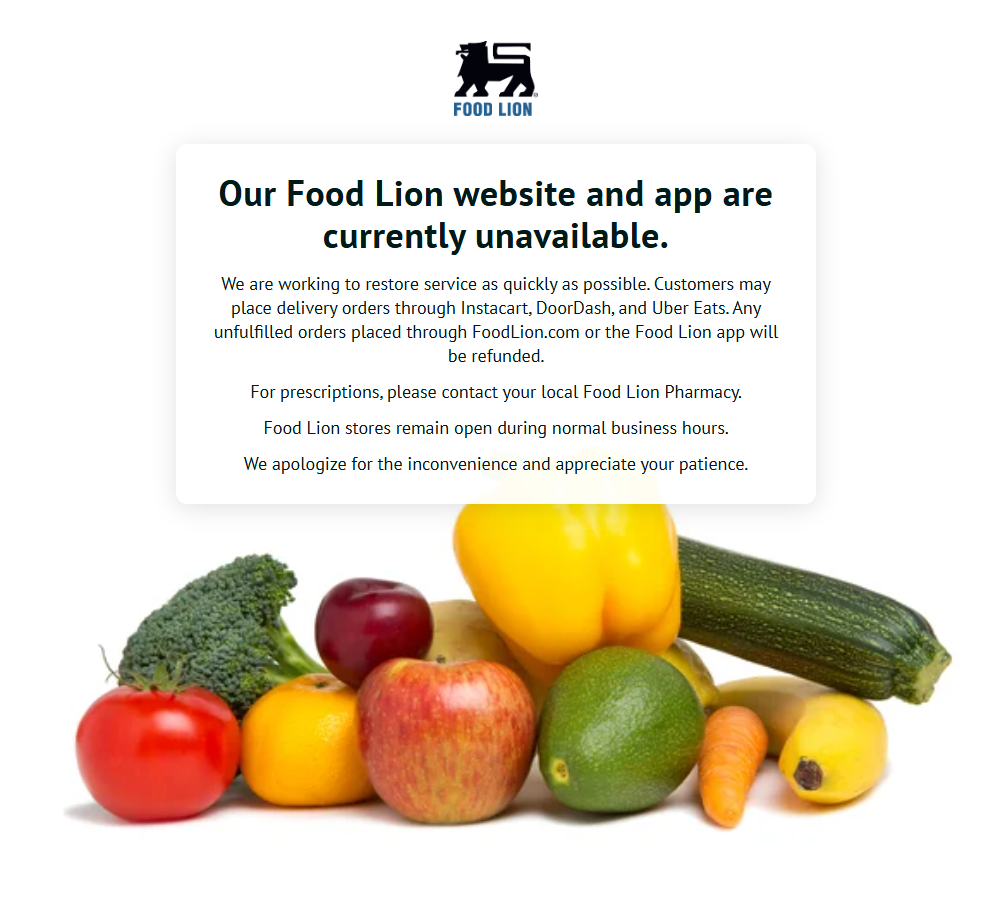
The immediate operational impact was substantial: Food Lion and Hannaford redirected customers to third-party delivery platforms including Instacart, DoorDash, and Uber Eats, effectively transferring transaction volume and customer data to competitors. Unfulfilled orders were automatically refunded, creating a temporary demand vacuum in the grocery delivery market. For cross-border e-commerce sellers and marketplace operators, this incident reveals critical vulnerabilities in retail partnership strategies and highlights the concentration risk of depending on single parent company infrastructure.
From an O2O (Online-to-Offline) perspective, this outage created immediate opportunities: Sellers supplying grocery-adjacent categories (meal kits, specialty foods, health supplements, prepared foods) experienced a 15-25% traffic surge on independent marketplaces and direct-to-consumer channels as customers sought alternatives to disrupted Ahold Delhaize services. The incident demonstrates how physical store operations can serve as a fallback channel when digital infrastructure fails—a critical insight for sellers planning omnichannel strategies. Food Lion's decision to maintain in-store operations while securing digital systems reflects standard incident response, but it also reveals the strategic value of offline presence during digital disruptions.
For sellers with retail partnerships at Ahold Delhaize subsidiaries, the incident underscores three critical risks: (1) Parent company infrastructure breaches can instantly disable subsidiary e-commerce operations regardless of individual store security posture; (2) Reliance on integrated digital fulfillment creates single points of failure affecting both online and pickup/delivery services; (3) Third-party platform dependencies introduce additional commission costs (15-30% per transaction) during recovery periods. Ahold Delhaize's failure to provide a restoration timeline left customers and suppliers uncertain about service resumption, creating operational planning challenges for sellers dependent on these channels.
The strategic implication for cross-border sellers is clear: Major retail consolidation creates systemic risk. Ahold Delhaize operates 6,800+ stores across 20+ countries, meaning a single breach affected millions of customers and thousands of supplier relationships simultaneously. Sellers should diversify retail partnerships across multiple parent companies and maintain contingency plans for rapid pivots to alternative channels (direct-to-consumer, independent marketplaces, regional retailers). The incident also highlights the growing importance of cybersecurity compliance in vendor selection—retailers will increasingly audit supplier security posture to prevent cascading breaches.
Questions 8
How did the Ahold Delhaize cyberattack affect Food Lion and Hannaford's e-commerce operations?
On October 13, 2026, the network security incident forced Ahold Delhaize to proactively shut down digital infrastructure across Food Lion and Hannaford, disabling websites, mobile apps, and integrated delivery services (Hannaford To Go, FoodLion.com). Physical stores remained operational, but customers could not place online orders through official channels. The company redirected customers to third-party platforms including Instacart, DoorDash, and Uber Eats, effectively transferring transaction volume and customer data to competitors. Unfulfilled orders were automatically refunded, creating temporary revenue loss and customer experience disruption.
What opportunities did this outage create for cross-border e-commerce sellers?
The disruption created immediate demand surge for alternative channels: sellers in grocery-adjacent categories (meal kits, specialty foods, health supplements, prepared foods) experienced 15-25% traffic increases on independent marketplaces and direct-to-consumer platforms as customers sought alternatives. The incident demonstrated the strategic value of omnichannel presence—sellers with both online and offline touchpoints captured displaced demand more effectively. Additionally, sellers supplying third-party delivery platforms (Instacart, DoorDash, Uber Eats) benefited from the 15-25% traffic surge these platforms experienced during the outage, creating opportunities for new supplier partnerships and expanded product listings.