


China PPI Surge Threatens E-Commerce Margins | Urgent Sourcing Strategy Shift
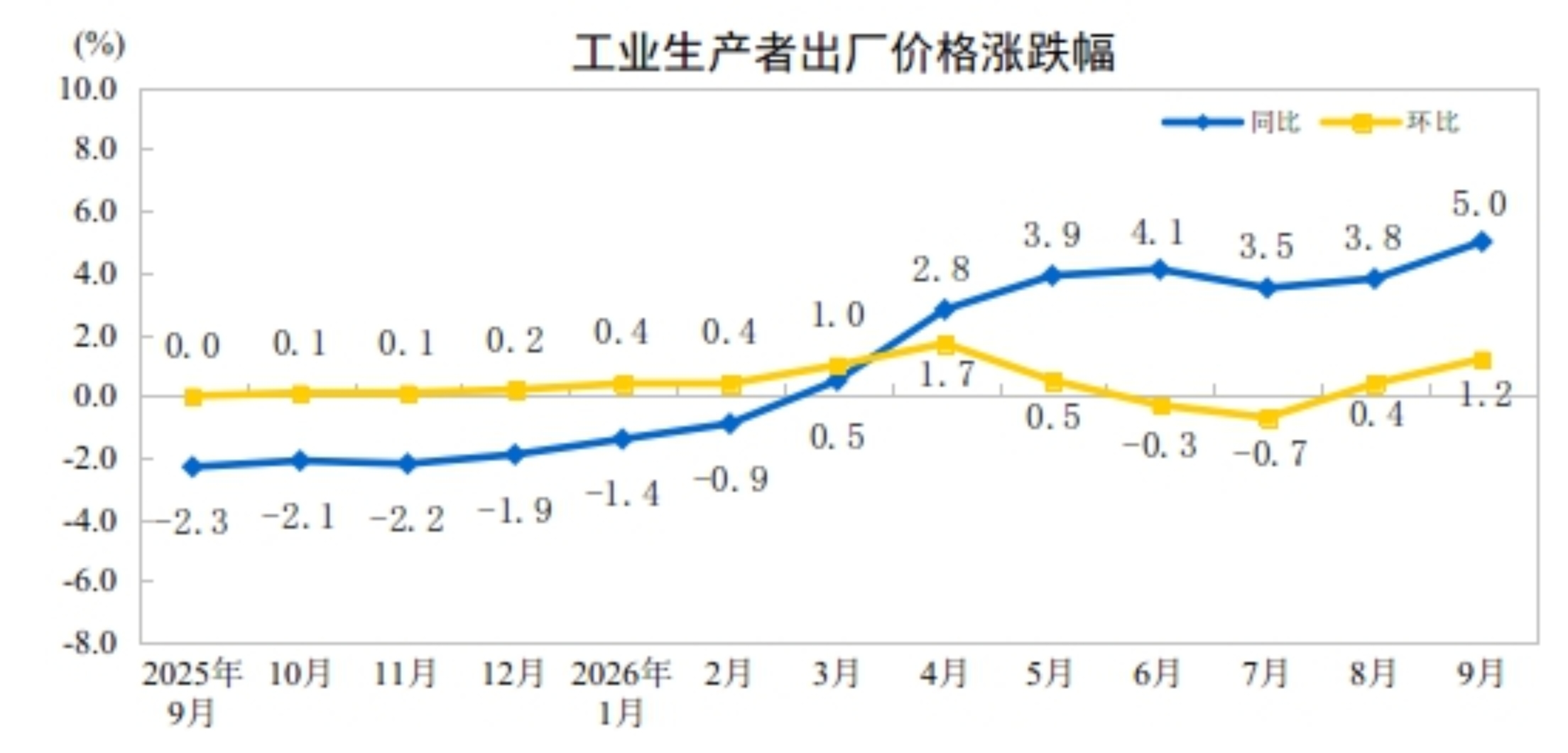
- Factory-gate prices accelerate fastest since June 2022, compressing COGS by 5-12% for sellers sourcing from China across electronics, textiles, and consumer goods categories















Overview
China's Producer Price Index (PPI) has accelerated to its fastest pace since June 2022, signaling a critical cost inflection point for cross-border e-commerce sellers sourcing from Chinese manufacturers. The acceleration in factory-gate prices reflects rising costs for raw materials, energy, and labor within China's industrial sector, with oil price volatility serving as a primary driver. For sellers relying on Chinese suppliers—particularly those on Amazon, eBay, and Shopify—this price surge translates directly to higher cost of goods sold (COGS), potentially compressing profit margins by 5-12% unless prices can be passed to consumers. The timing is especially critical as sellers prepare inventory for peak seasons and renegotiate supplier contracts.
The margin compression impact varies significantly by product category and seller segment. Electronics, textiles, and consumer goods categories face the most acute pressure, with energy-intensive manufacturing processes and commodity-dependent supply chains experiencing the steepest cost increases. Historically, factory-gate price increases in China precede consumer price inflation by 3-6 months, suggesting downstream cost pressures will intensify through Q1-Q2 2025. Sellers with thin margins (5-10% net) in price-sensitive categories face the greatest risk, as they have limited pricing power without losing competitiveness. Mid-market sellers ($500K-$5M annual revenue) are particularly vulnerable, as they lack the scale to absorb costs like large enterprises but lack the flexibility of smaller dropshippers.
Oil price fluctuations amplify the cost shock across multiple supply chain vectors. Rising oil prices increase transportation costs (shipping containers, fuel surcharges), packaging material costs (plastic, foam, cardboard), and energy-intensive manufacturing expenses. For sellers importing from China, this creates a compounding effect: higher factory prices + higher logistics costs + longer lead times for renegotiation. The strategic response requires immediate action on three fronts: (1) diversifying sourcing to Vietnam, India, or Indonesia for non-core SKUs to reduce China exposure; (2) renegotiating supplier contracts before Q1 2025 peak season inventory commitments; (3) adjusting pricing strategies on major platforms to reflect true COGS while monitoring competitor pricing and Buy Box dynamics.
Supply chain flexibility and multi-supplier relationships are now critical competitive advantages. Sellers maintaining relationships with 2-3 alternative suppliers in different regions can negotiate better terms and mitigate single-source price risk. The data underscores that inventory planning decisions made in the next 30-60 days will determine profitability for the entire 2025 selling year, making this a high-urgency strategic window.
Questions 7
What's the impact of oil prices on my shipping and packaging costs?
Oil price volatility directly increases transportation costs (fuel surcharges on ocean freight, air cargo), packaging material costs (plastic, foam, cardboard derived from petroleum), and energy-intensive manufacturing expenses. A $10/barrel oil price increase typically adds 2-4% to total landed costs for imported goods. Combined with factory-gate price increases, this creates a compounding effect that can reach 8-15% total cost inflation. Sellers should negotiate fixed-price shipping contracts with 3PL providers for 6-12 months to lock in rates before further increases. Review packaging materials for cost optimization opportunities (lighter materials, smaller box sizes) that reduce both material and shipping costs simultaneously.
How do I adjust pricing on Amazon and eBay to offset COGS increases?
On Amazon Seller Central, use the Pricing Tools dashboard to implement tiered price increases aligned with COGS changes—typically 5-8% increases for categories with lower price elasticity (electronics, home goods) and 3-5% for price-sensitive categories (apparel, accessories). Monitor Buy Box dynamics closely, as aggressive pricing may lose placement. On eBay, use the Revise Listings bulk tool to update prices across your inventory. On Shopify, adjust product prices in your admin dashboard and use dynamic pricing apps to test elasticity. The critical timing window is 30-45 days from now, before competitors establish new price floors. Test price increases on 10-15% of your inventory first to measure conversion impact before rolling out broadly.