



China's 36.3% Export Surge Reshapes Cross-Border Sourcing | Seller Opportunity Window
- September exports hit $447.18B with semiconductor shipments up 108%; AI-driven demand creates sourcing advantages for electronics sellers through Q1 2025
























Overview
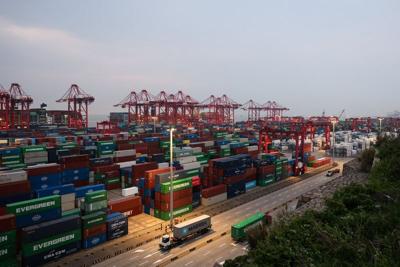
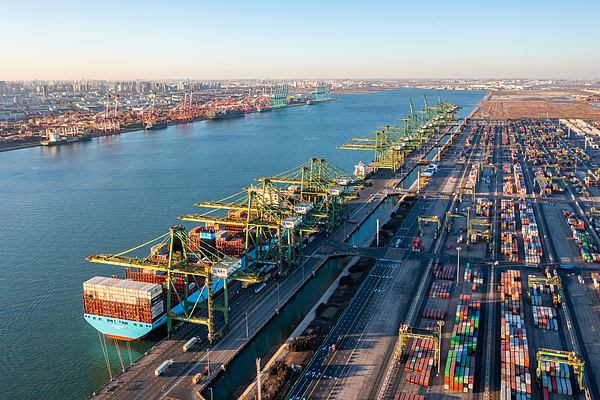
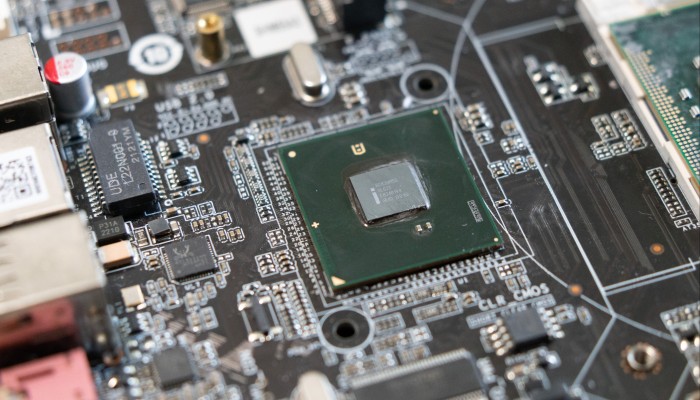
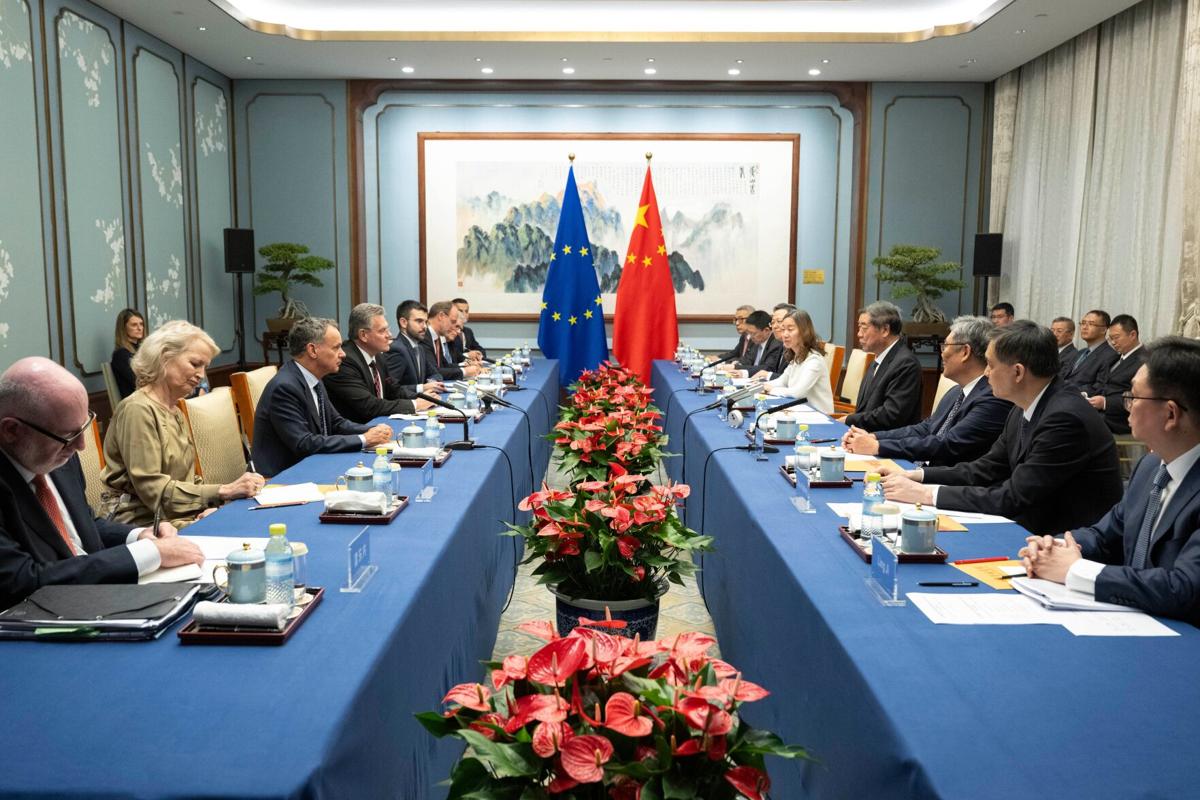
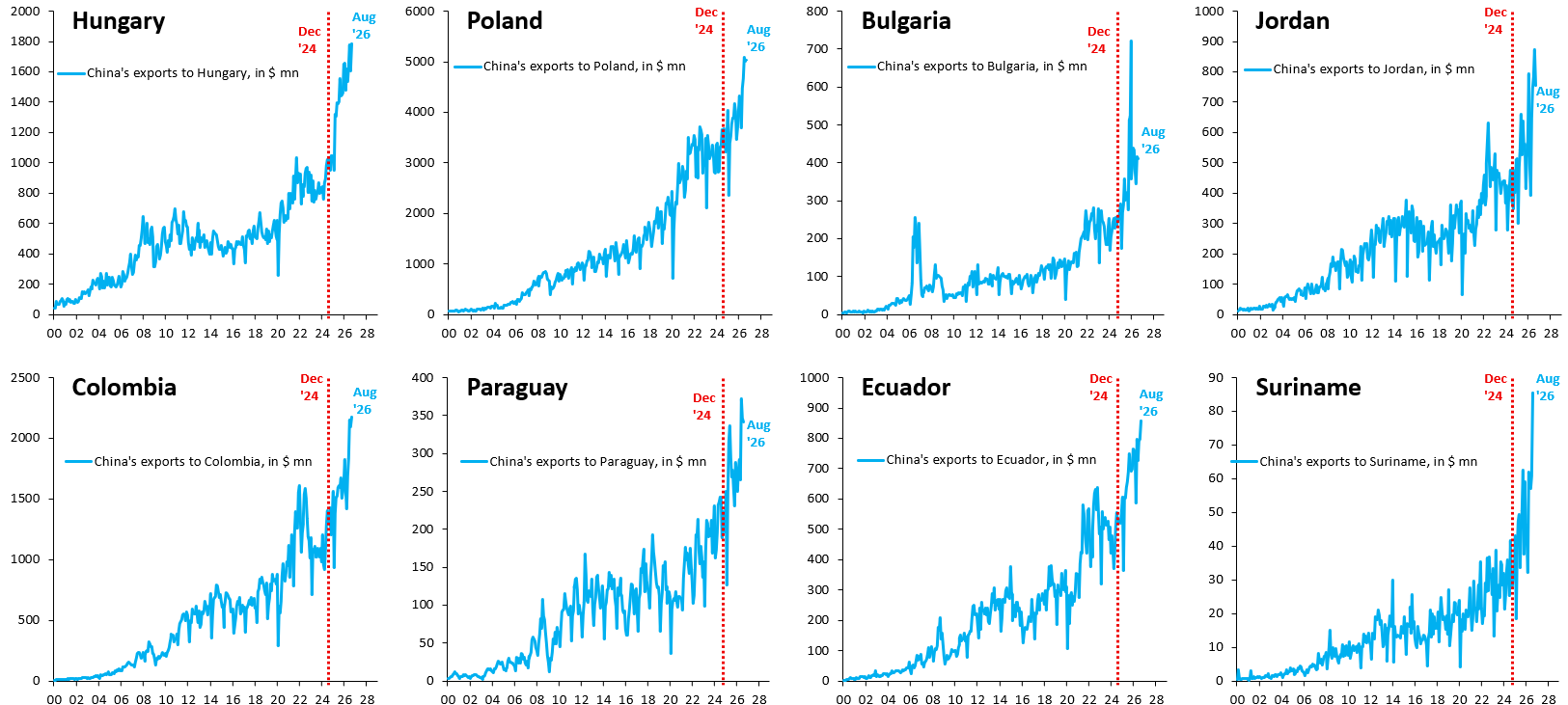
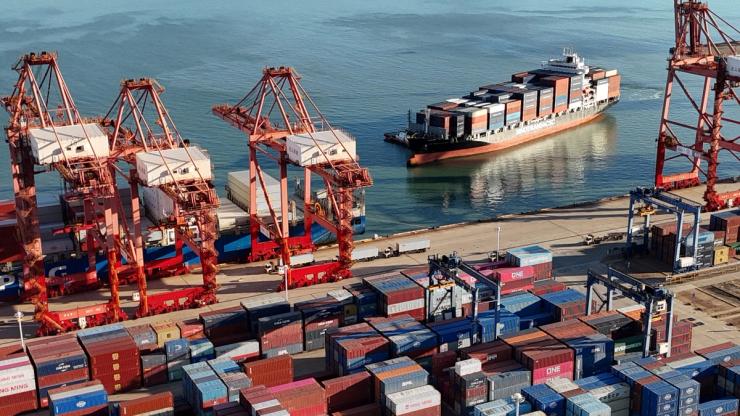
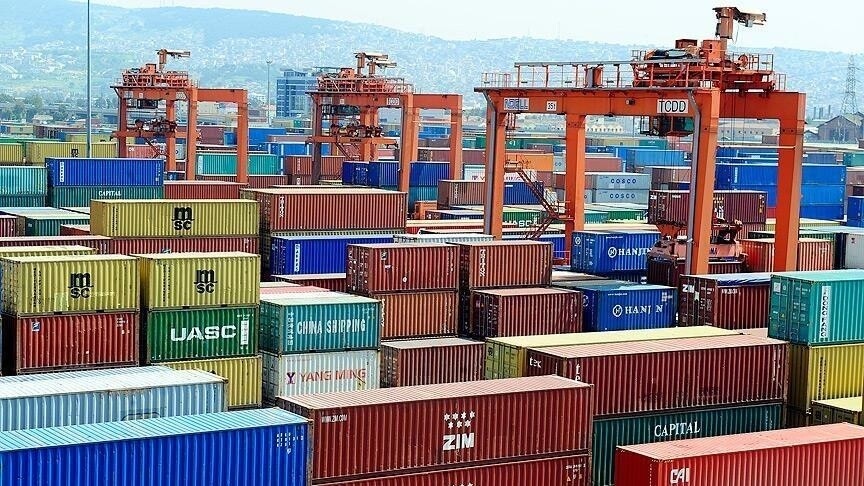
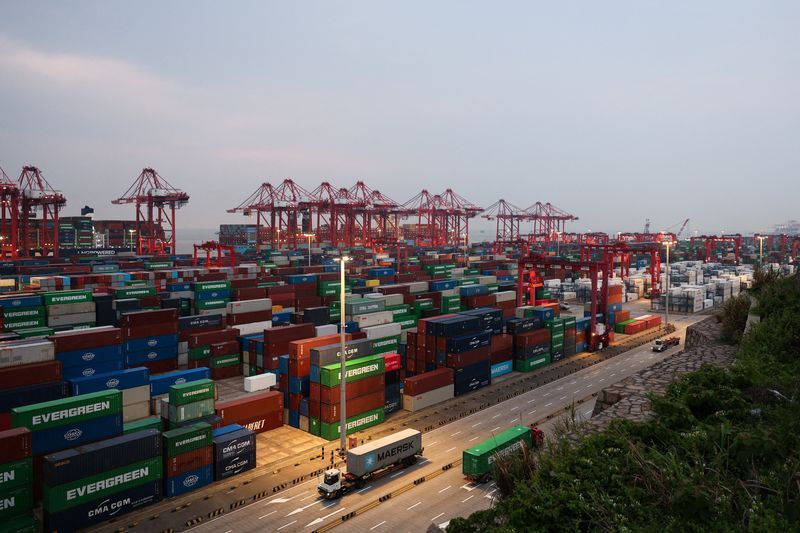
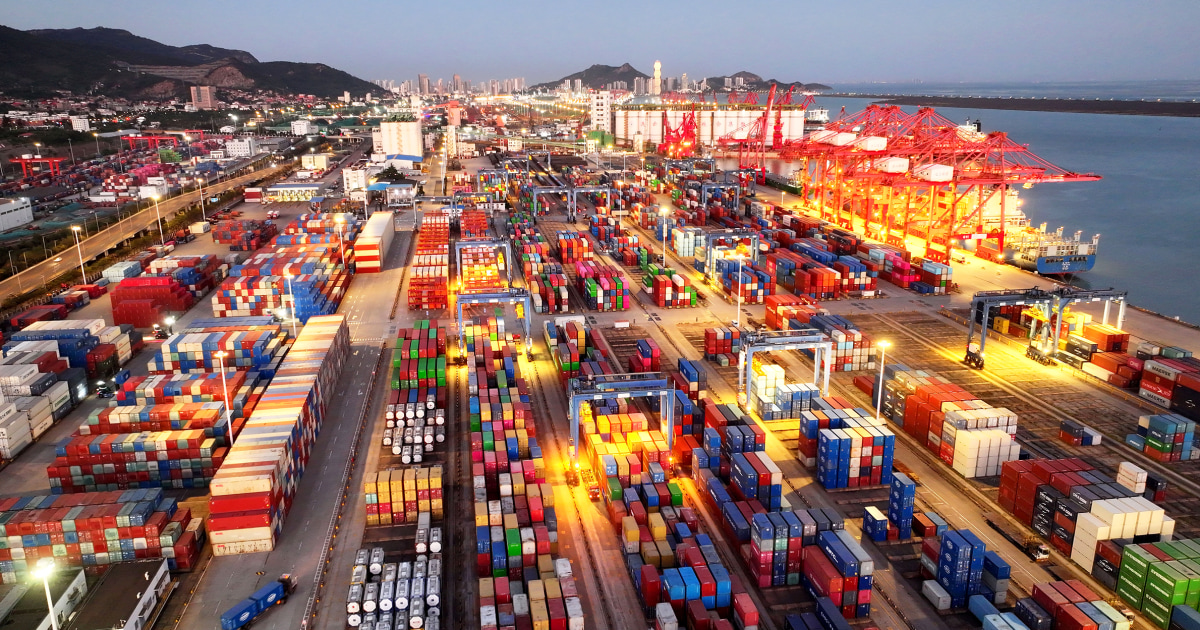
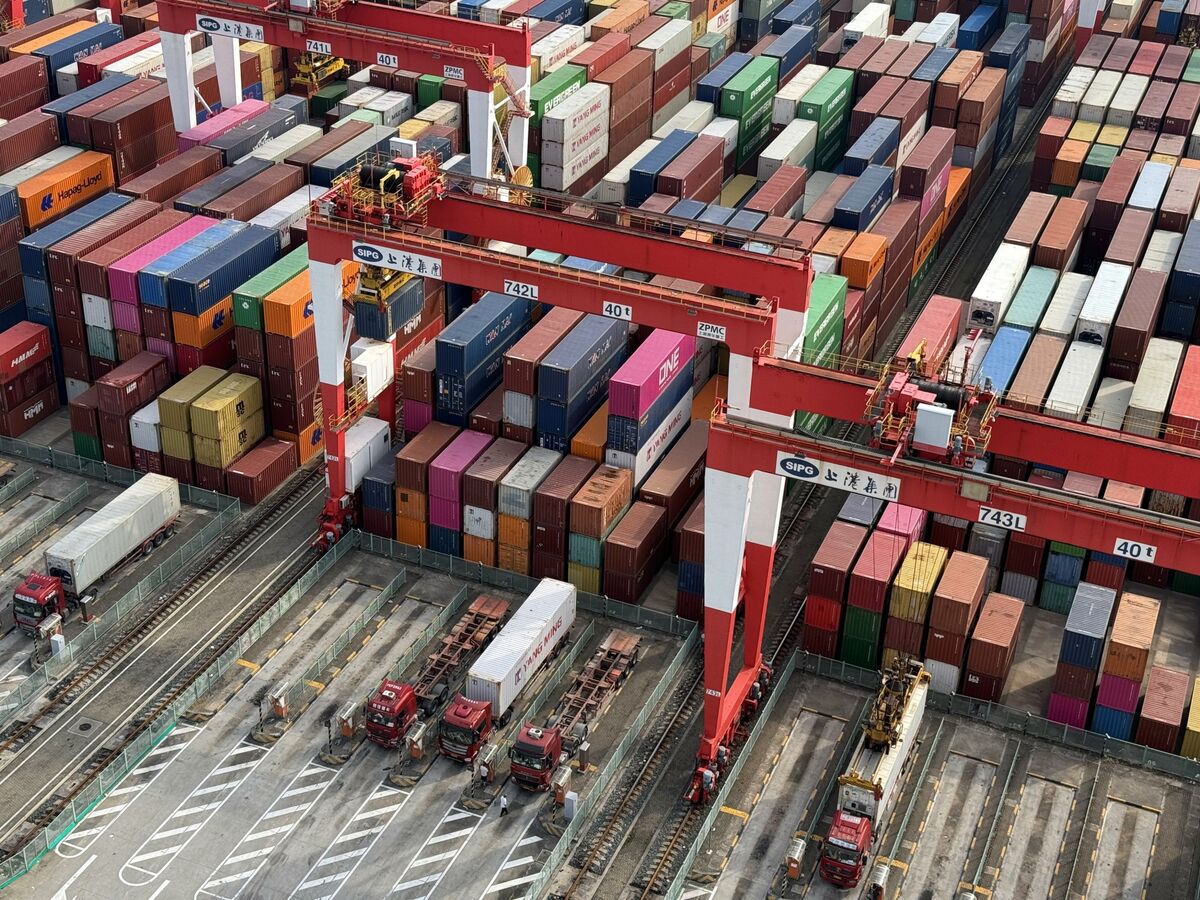
China's export sector achieved unprecedented momentum in September 2024, with official customs data revealing a 36.3% year-on-year surge to $447.18 billion—the largest monthly increase since 2021. This expansion directly impacts cross-border e-commerce sellers through multiple supply chain vectors. Semiconductor exports jumped 108% and automatic data processing machine shipments rose 55%, driven by the global AI boom. Regional performance shows ASEAN capturing 52% growth to $81.7B, EU exports increasing 25.3% to $60.15B, and US shipments jumping 39.6% to $47.88B. For the first nine months of 2024, China's total exports reached $3.37 trillion (up 21.3%), generating a record trade surplus of $938.1 billion.
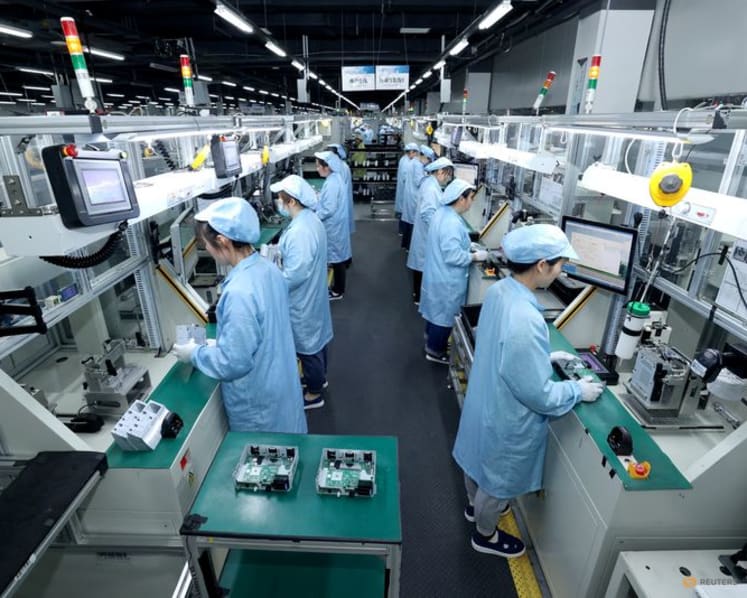
For cross-border sellers, this export surge creates immediate sourcing advantages through Q1 2025. Manufacturing facilities operating at high capacity indicate improved product availability and competitive pricing across electronics, textiles, and machinery—the core categories dominating e-commerce supply chains. Sellers sourcing private label products or reselling Chinese-manufactured goods benefit from enhanced supplier reliability and potentially stable or declining unit costs due to economies of scale. However, increased export volumes create dual logistics impacts: competition for shipping capacity may raise freight rates on major trade routes, while abundant supply abundance enables cost-effective sourcing for sellers willing to optimize procurement timing.
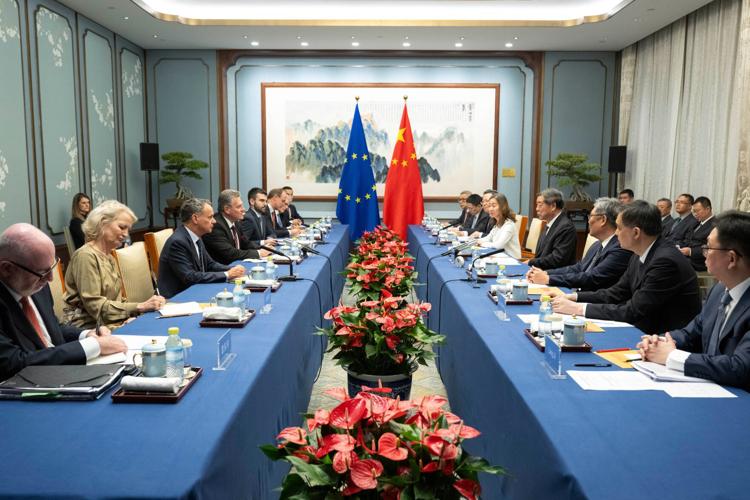
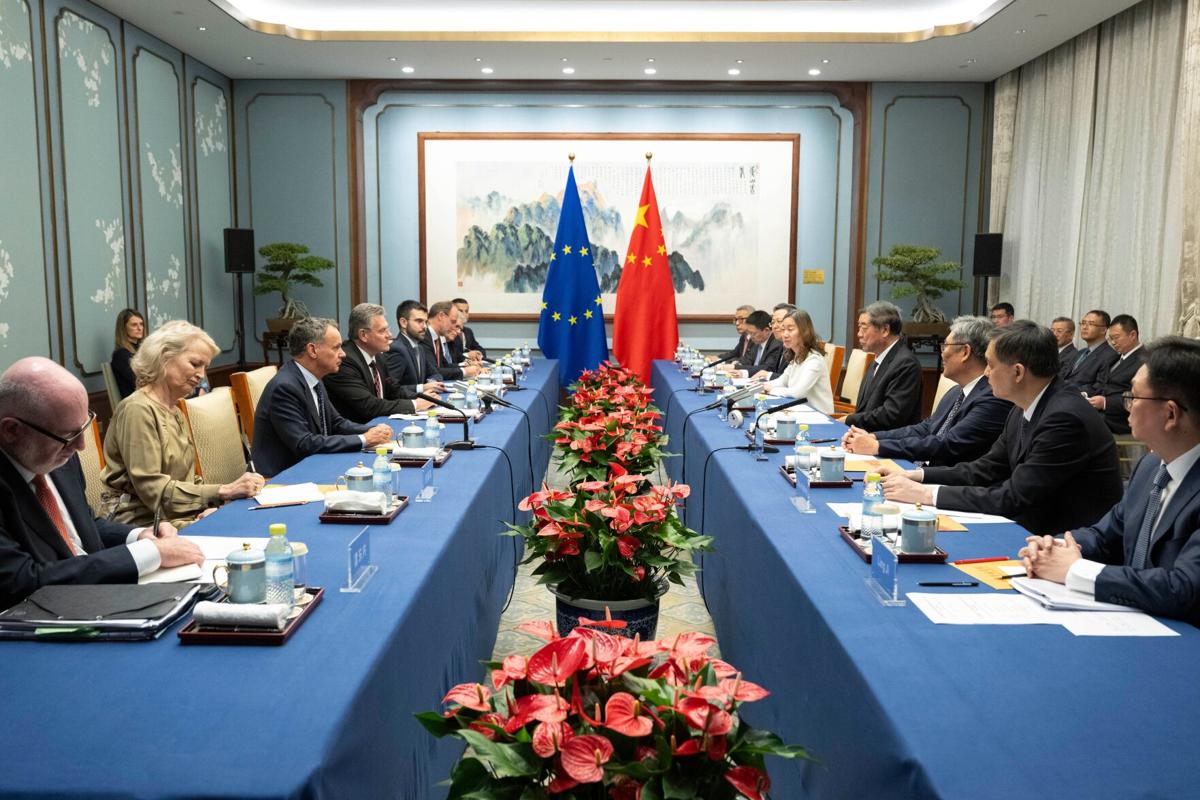
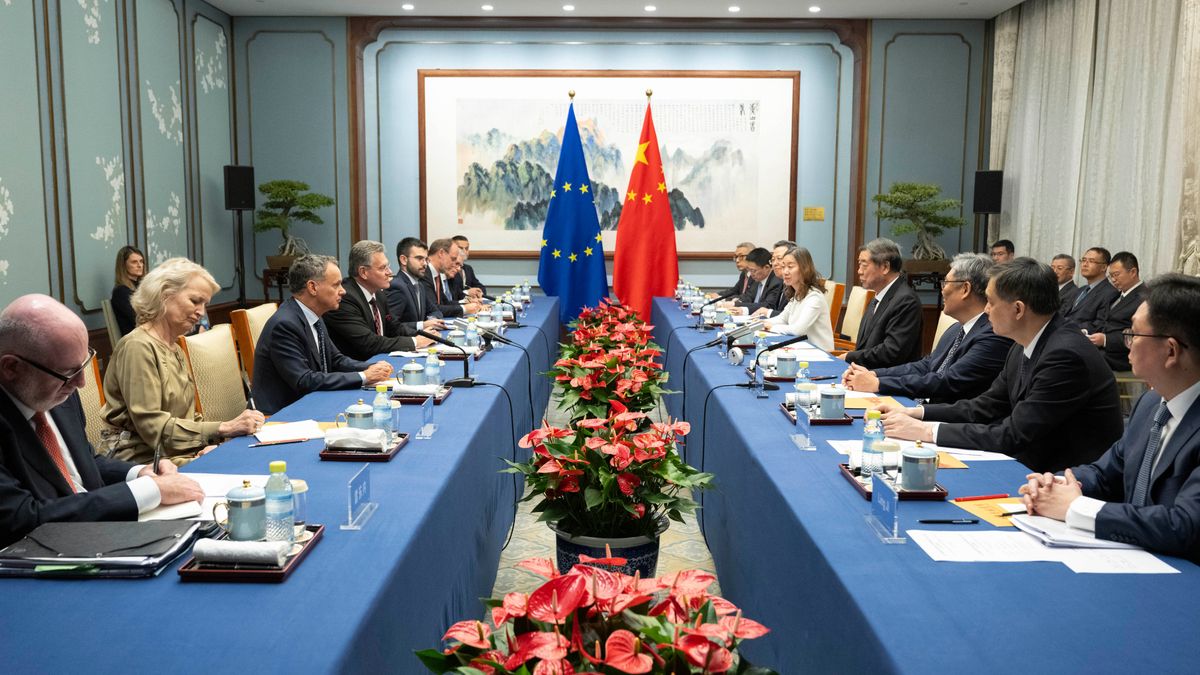
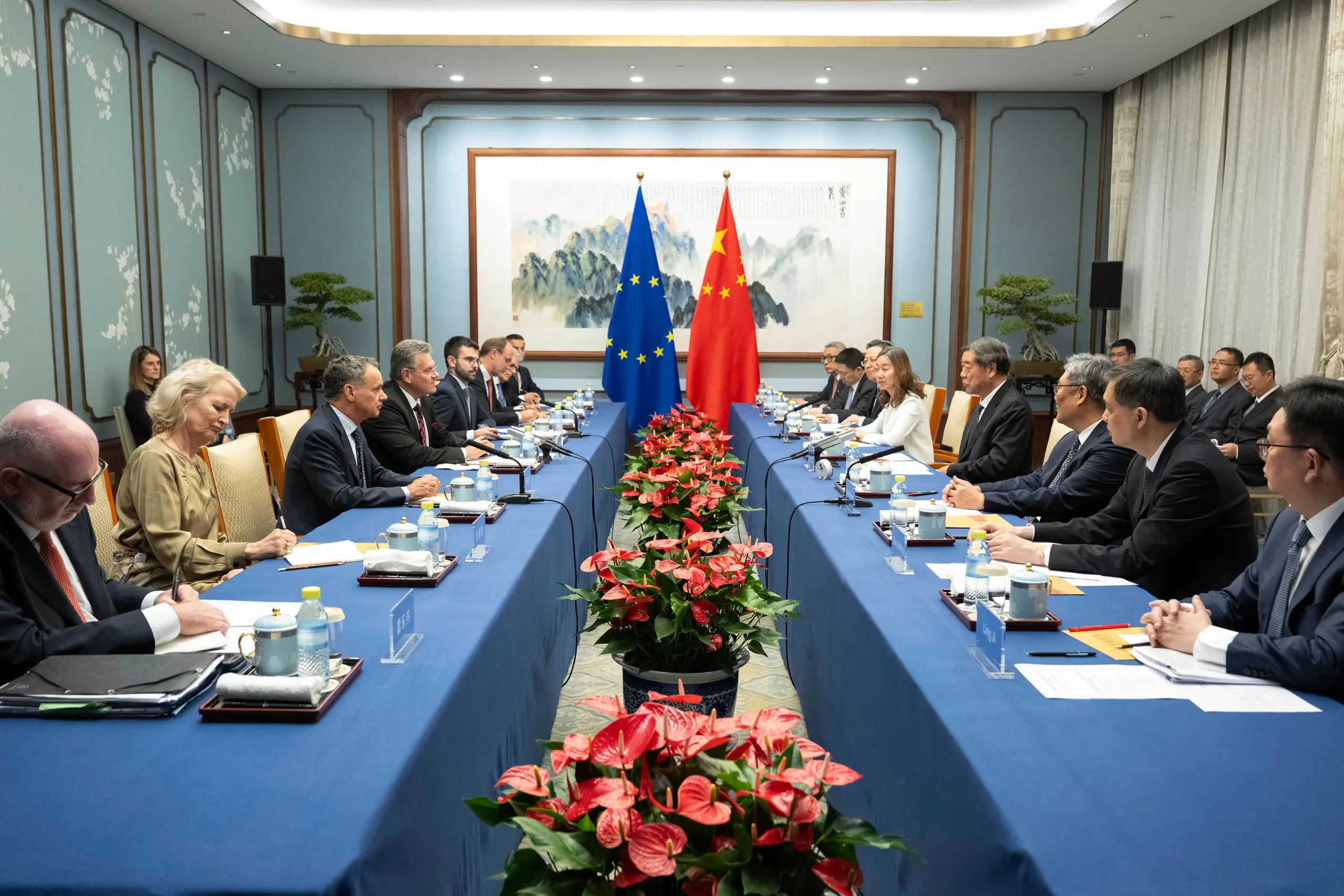
The strategic window for sellers involves three critical considerations. First, HSBC economist Taylor Wang attributes the surge to high-tech demand supported by the global and domestic AI upcycle combined with China's competitive pricing and supply-chain advantages. This signals sustained demand for AI-related hardware, semiconductors, and data processing equipment through 2025. Second, sellers must monitor potential policy responses from trading partners—tariff adjustments or trade restrictions could compress margins by 8-15% depending on product category and destination market. Third, the record trade surplus may trigger protectionist responses, particularly from the US (receiving 39.6% growth in shipments) and EU, creating urgency for sellers to lock in current pricing and secure inventory before potential tariff escalations.
Operational implications vary by seller segment. Small sellers (under $500K annual revenue) should prioritize securing inventory of high-demand AI-adjacent products (semiconductors, processors, networking equipment) before Q4 2024 to capitalize on sustained demand through Q1 2025. Medium sellers ($500K-$5M) can leverage improved supplier capacity to negotiate longer payment terms and volume discounts, potentially improving cash flow by 15-20%. Large sellers ($5M+) should consider strategic sourcing diversification—while China remains dominant, the export surge's sustainability depends on geopolitical stability and potential retaliatory tariffs, making Vietnam and India increasingly attractive alternatives for non-AI electronics categories.
Questions 7
What inventory management strategy maximizes the export surge opportunity?
The September surge indicates peak manufacturing capacity and improved supplier reliability through Q1 2025. Sellers should implement a three-tier inventory strategy: (1) Fast-moving SKUs (AI hardware, semiconductors)—increase stock 40-60% to capture sustained demand and lock in current pricing; (2) Seasonal categories (apparel, textiles)—maintain normal 30-45 day inventory cycles, as these show steady 25-30% growth; (3) Commodity electronics—reduce inventory 10-15% due to increased competition and potential margin compression. Use Amazon Seller Central inventory management tools to track BSR trends by category; prioritize restocking items with BSR under 5,000 in electronics and under 10,000 in apparel. Monitor freight rates weekly—if rates increase 8%+ before December 31, 2024, accelerate procurement; if rates decline 5%+, delay non-urgent orders to Q1 2025.
How should sellers optimize procurement timing given the export surge?
The September surge represents the largest monthly increase since 2021, indicating peak manufacturing capacity through Q4 2024. Sellers should accelerate procurement of high-demand categories (semiconductors, AI hardware, consumer electronics) before December 31, 2024, to secure current pricing and avoid Q1 2025 potential tariff increases. Manufacturing facilities operating at high capacity suggest 2-3 week lead times (vs. typical 4-6 weeks), enabling faster inventory turnover. However, increased competition for shipping capacity may delay logistics by 5-10 days. Small sellers should prioritize fast-moving SKUs with 30-45 day inventory cycles; medium sellers can negotiate volume discounts (10-15% cost reduction) by committing to Q4 orders; large sellers should lock in pricing for Q1-Q2 2025 demand.