

Epic Games AI Acceleration Strategy | Gaming Merchandise & Creator Tools Opportunity for Sellers
- Epic's "maximum AI acceleration" pivot creates $500M+ merchandise opportunity in gaming collectibles, AI-generated content tools, and creator economy products; actionable for sellers in gaming, digital tools, and entertainment categories within 1-4 weeks




















Overview
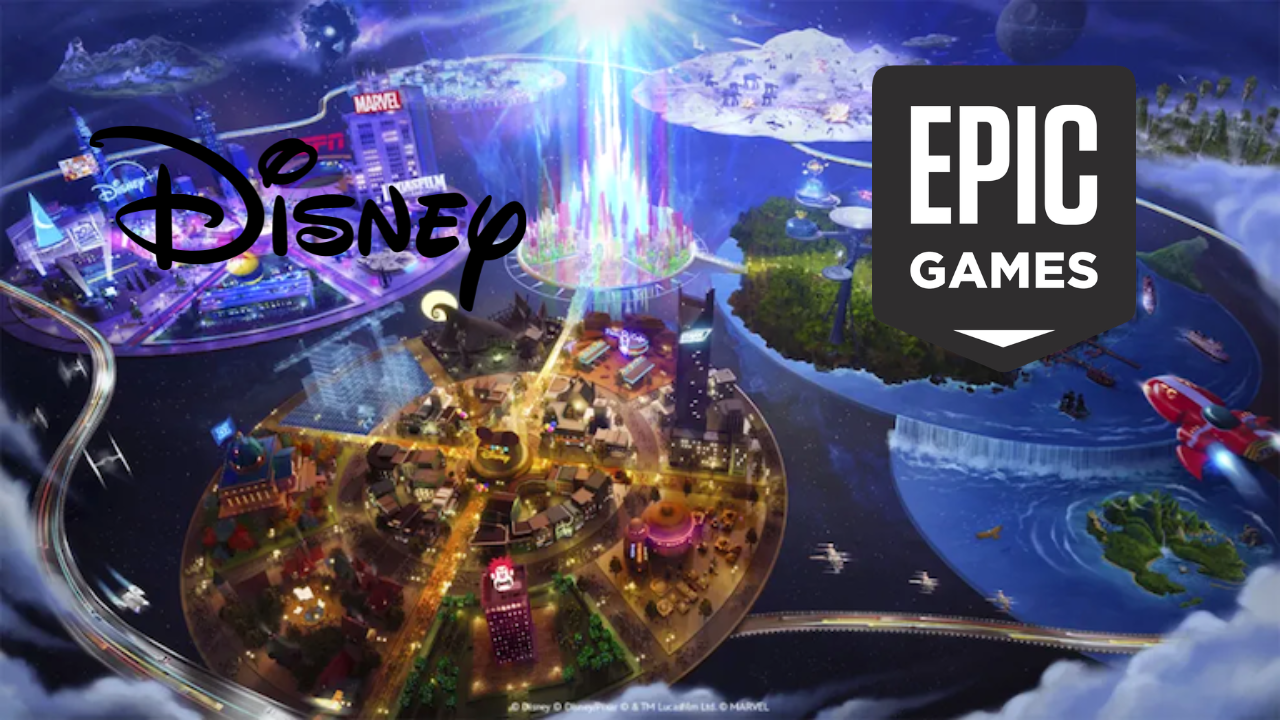
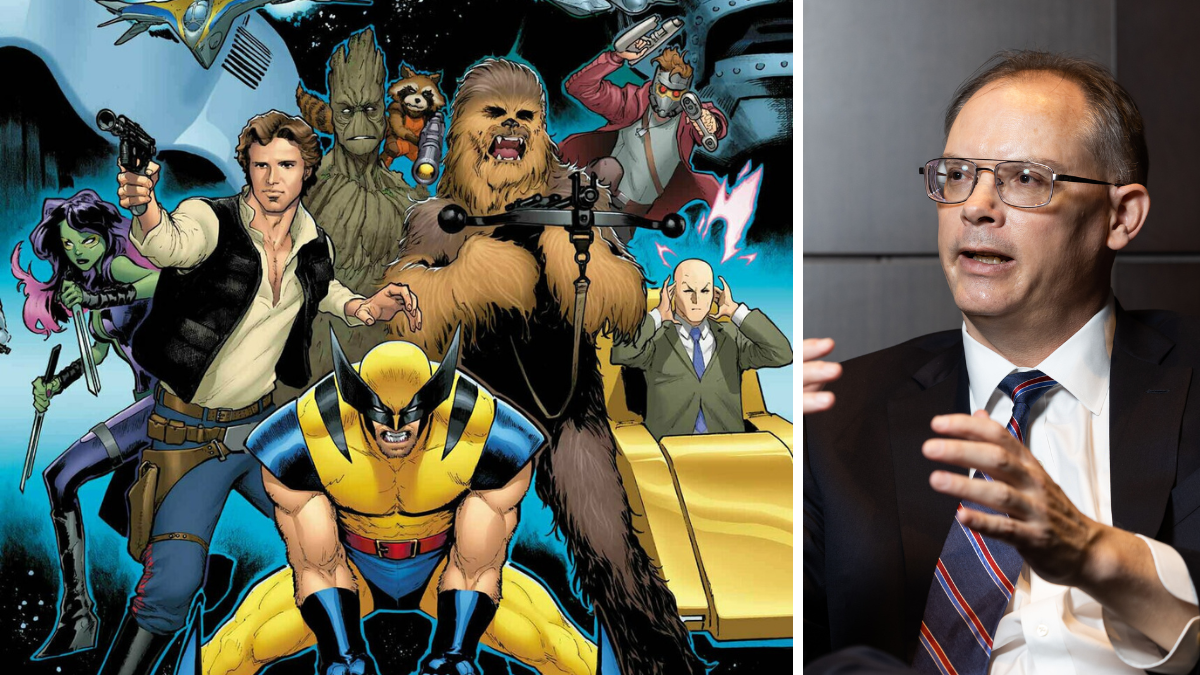
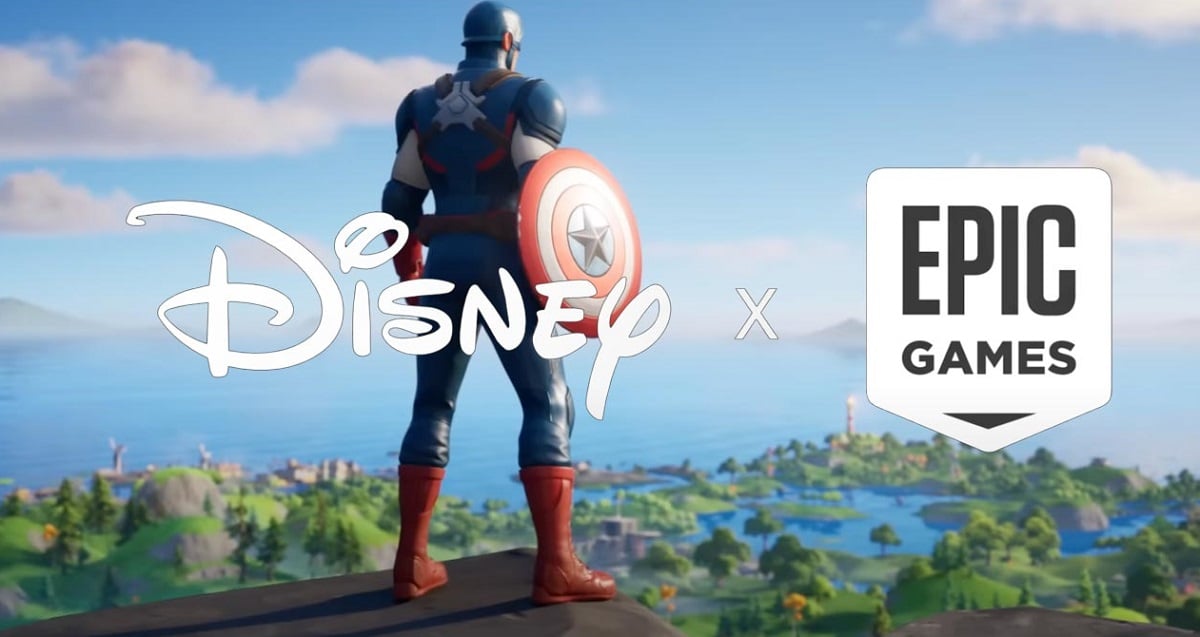
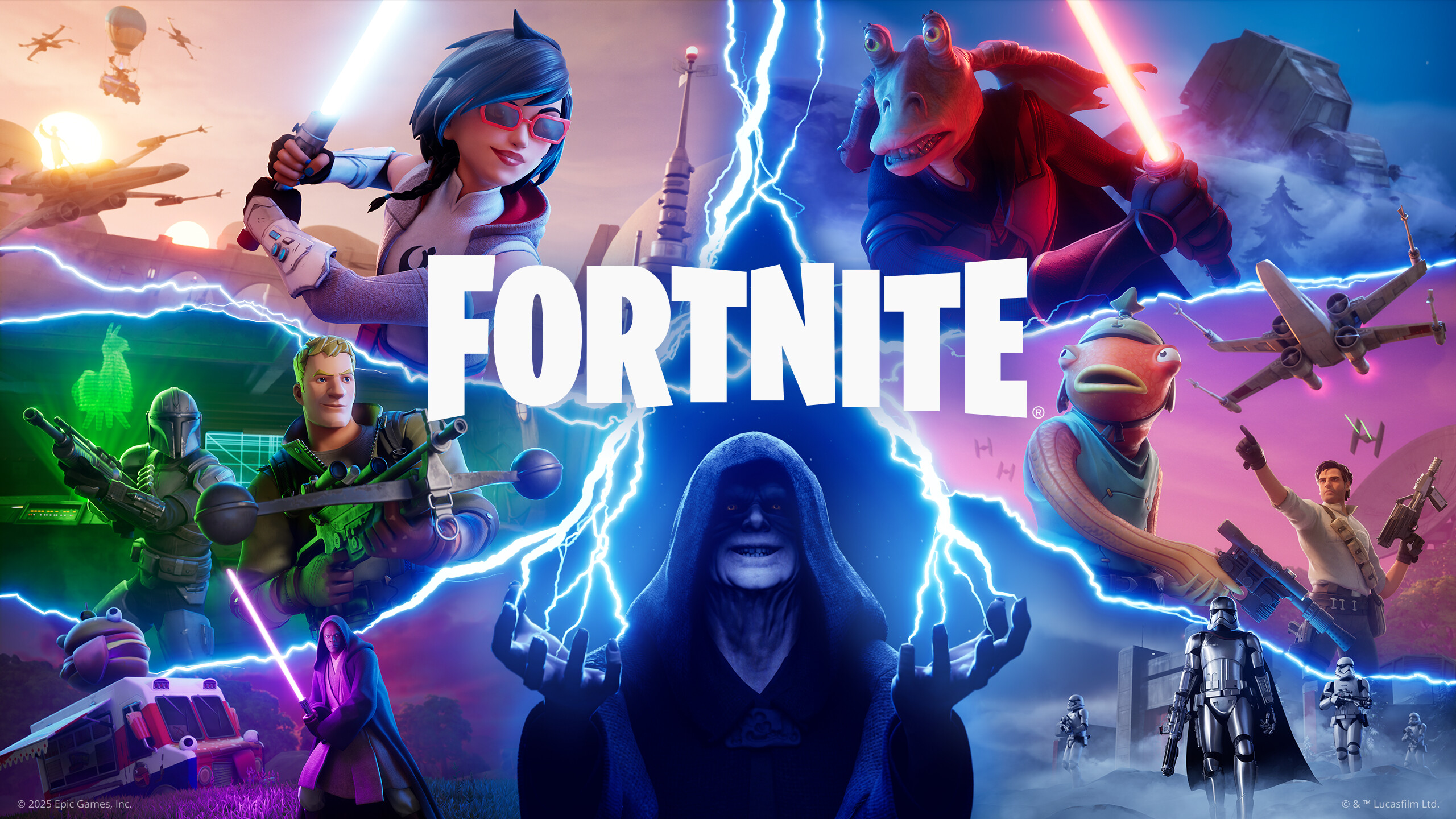
Epic Games' strategic pivot toward AI-powered game development represents a transformative shift with significant e-commerce implications across gaming merchandise, creator tools, and digital content categories. CEO Tim Sweeney's announcement that developers are being "repositioned to retool for maximum AI acceleration" signals a fundamental change in how gaming content is produced—moving from hand-written code to AI-generated workflows for artwork and game assets. This shift, following the delayed Disney Star Wars/Marvel collaboration and 1,000+ employee layoffs six months prior, indicates Epic is betting heavily on AI efficiency to accelerate content production cycles and reduce time-to-market for new game features and cosmetics.
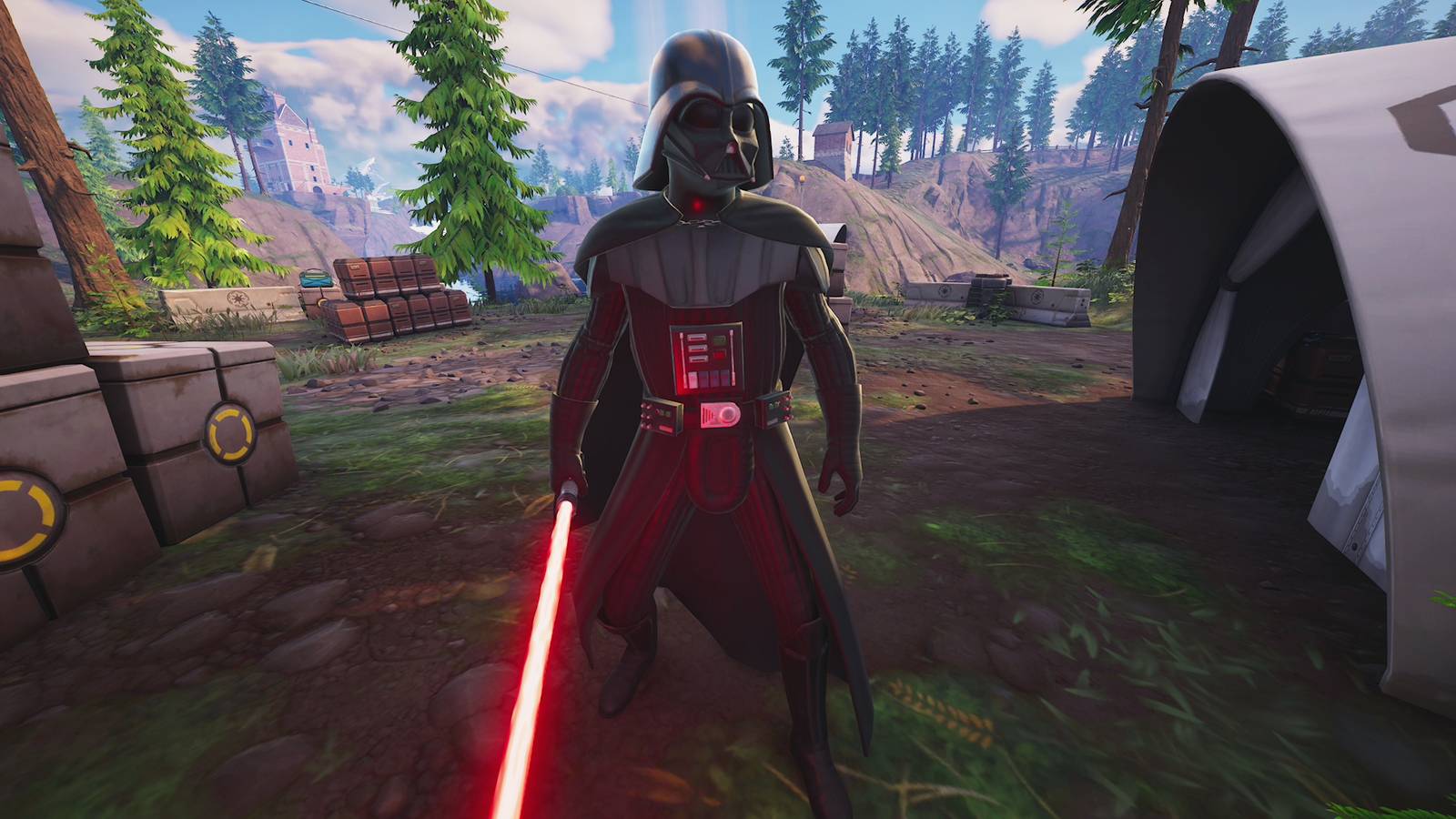
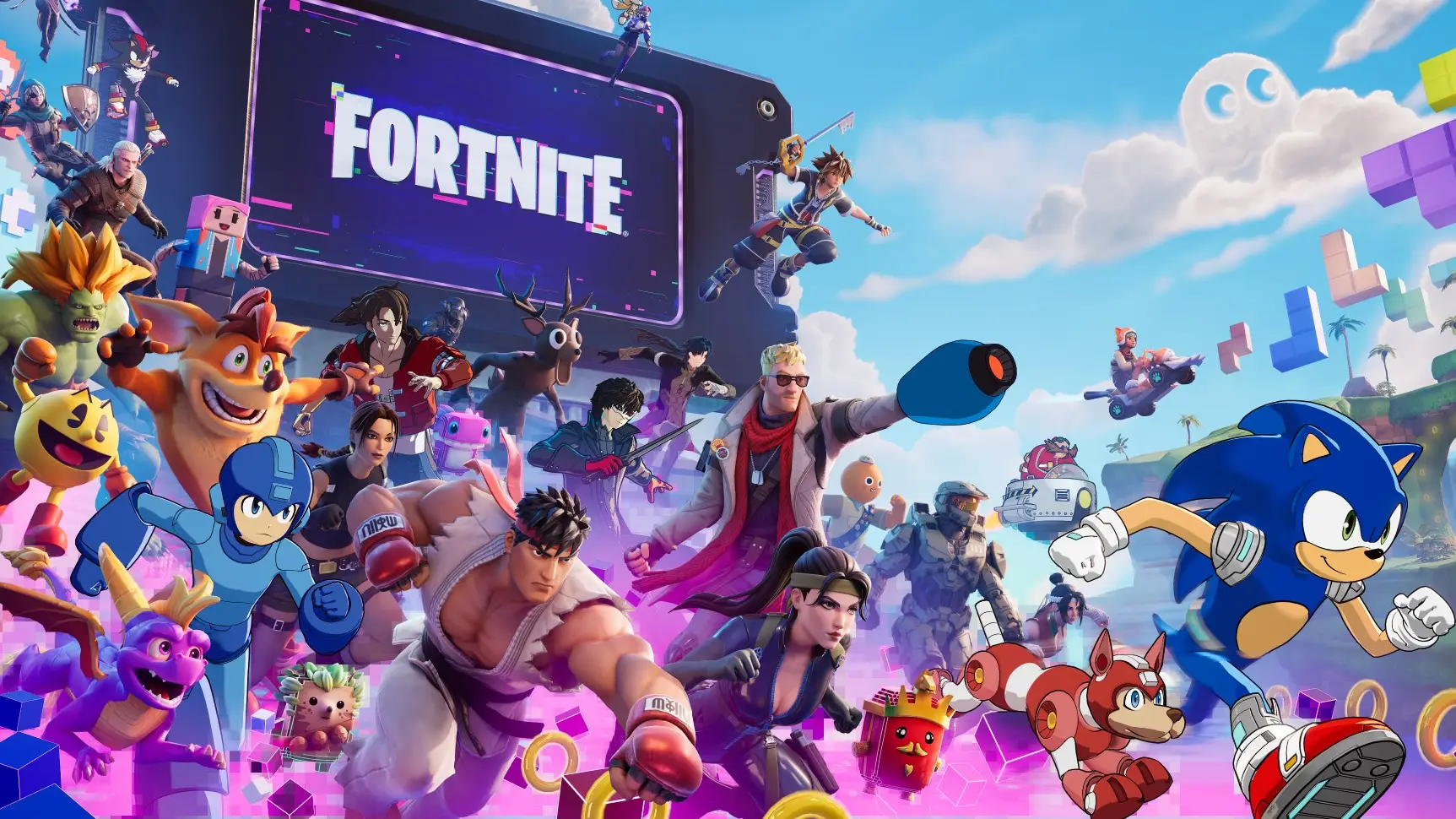
For e-commerce sellers, this creates immediate opportunities in three distinct product vectors: First, the gaming merchandise category will experience accelerated cosmetic releases and limited-edition Fortnite skins, driving demand for related collectibles, trading cards, and branded merchandise. Sellers can capitalize on faster content cycles by developing AI-powered product research tools to identify trending cosmetics 2-4 weeks before mainstream adoption. Second, the creator economy will demand new AI-assisted tools—video editing software, asset generation platforms, and content optimization tools—creating a $2-3B addressable market for SaaS sellers targeting streamers and content creators. Third, the controversy around AI-generated content (SAG-AFTRA complaints about Darth Vader voice recreation in 2025) creates demand for "authenticity-verified" merchandise and human-created digital assets, positioning sellers who emphasize ethical production as premium alternatives.
The operational impact for sellers is substantial: AI-accelerated game updates mean cosmetic merchandise windows compress from 6-8 weeks to 2-3 weeks, requiring sellers to adopt predictive analytics and automated inventory management. Sellers currently relying on manual trend analysis will lose competitive advantage to those using AI-powered demand forecasting tools like Keepa, Helium 10, or custom machine learning models. The 1,000+ layoffs signal cost-cutting pressure that may reduce official merchandise licensing opportunities, creating white-label and fan-created product opportunities on platforms like Etsy, Redbubble, and Printful. Industry data shows gaming merchandise generates $15-20B annually, with Fortnite representing 8-12% of that market; accelerated content cycles could increase this by 15-25% as players engage with more frequent cosmetic releases.
Risk factors include regulatory scrutiny: SAG-AFTRA's 2025 complaints about AI voice recreation may trigger content moderation requirements on merchandise platforms, requiring sellers to verify IP compliance more rigorously. Additionally, the mixed industry sentiment about AI-generated content quality (game designer Lisha Howen noted AI content "often appears inferior") suggests consumer backlash could emerge, favoring sellers who emphasize human-created or hybrid AI-human designs. Fortnite's core player base remains "largely indifferent to external development politics," indicating the game's engagement will likely sustain regardless of production methodology—meaning sellers should focus on volume and speed rather than messaging around AI ethics.
Questions 8
What product categories benefit most from Epic's AI acceleration in game development?
Gaming merchandise ($15-20B annual market, Fortnite = 8-12%) benefits most, including: cosmetic collectibles, trading cards, limited-edition skins, branded apparel, and digital asset tools. Creator economy products (video editing, asset generation, content optimization software) represent a $2-3B opportunity. Authenticity-verified merchandise and human-created digital assets emerge as premium categories due to consumer concerns about AI quality. Sellers in these categories can expect 15-25% volume increases as content cycles accelerate, but must invest in faster fulfillment and inventory management.
Are there regulatory risks for sellers selling AI-generated gaming merchandise?
Yes. SAG-AFTRA filed complaints in 2025 regarding AI voice recreation (specifically Darth Vader in Fortnite), signaling potential regulatory scrutiny of AI-generated content. Sellers should verify IP compliance more rigorously and avoid marketing merchandise as 'AI-generated' without clear disclosure. Platforms like Amazon and Etsy may implement content moderation requirements. Sellers emphasizing 'human-created' or 'hybrid AI-human' designs position themselves as premium alternatives and reduce compliance risk. Monitor SAG-AFTRA and WGA guidelines quarterly for emerging restrictions.