



AI-Powered Software Development Reshapes Digital Platform Competition | Seller Opportunity in Gaming Ecosystem
- Epic Games demonstrates 40-60% faster development cycles using generative AI; reveals critical automation playbook for e-commerce tech stacks and platform optimization





-(1).jpg?width=690&quality=85&format=jpg&dpr=3&auto=webp)



Overview
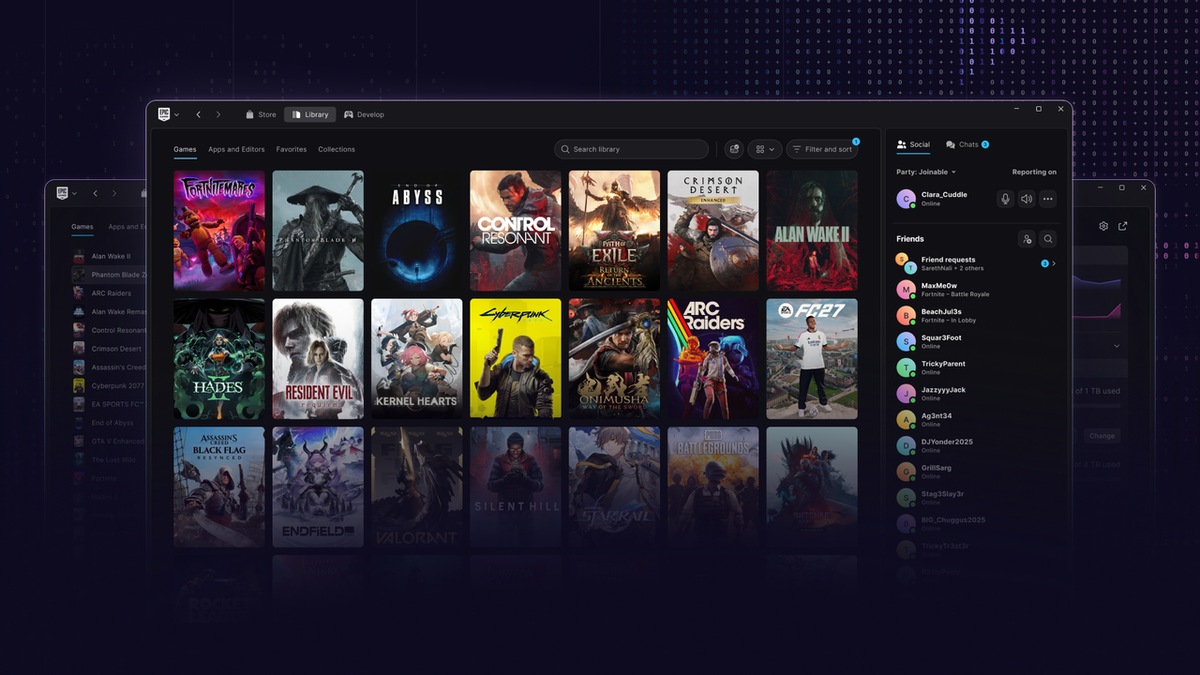
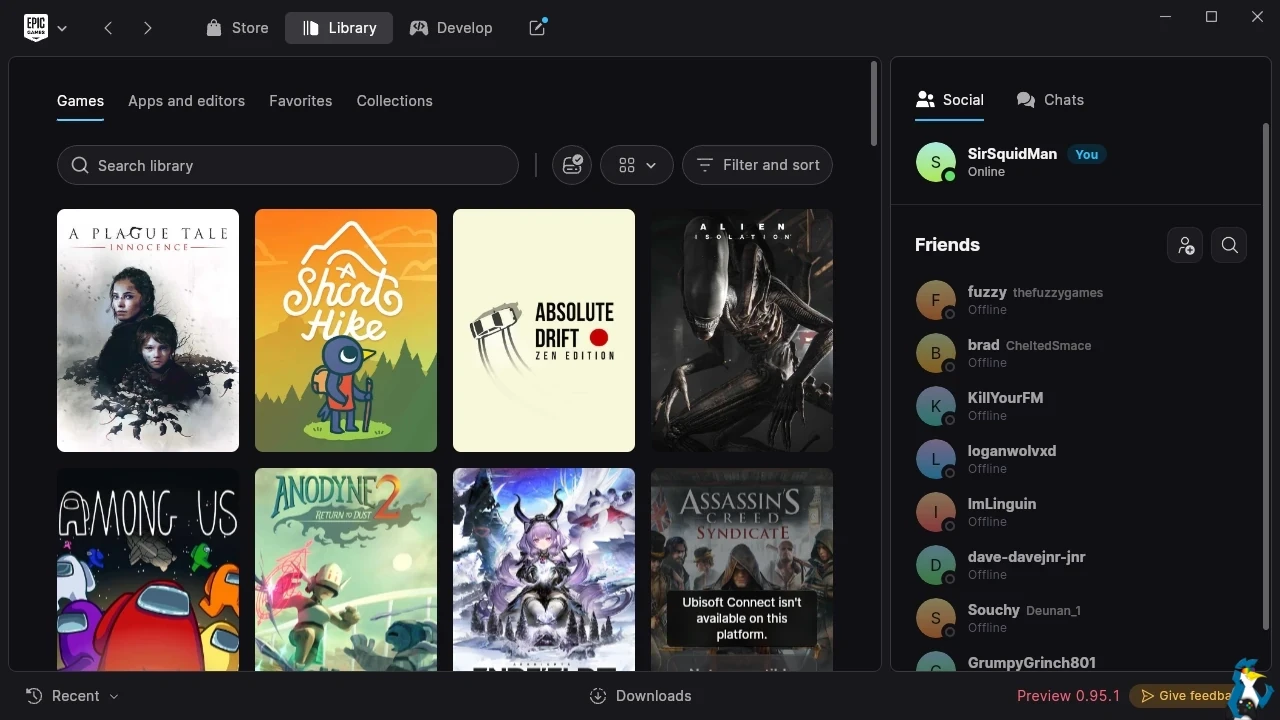
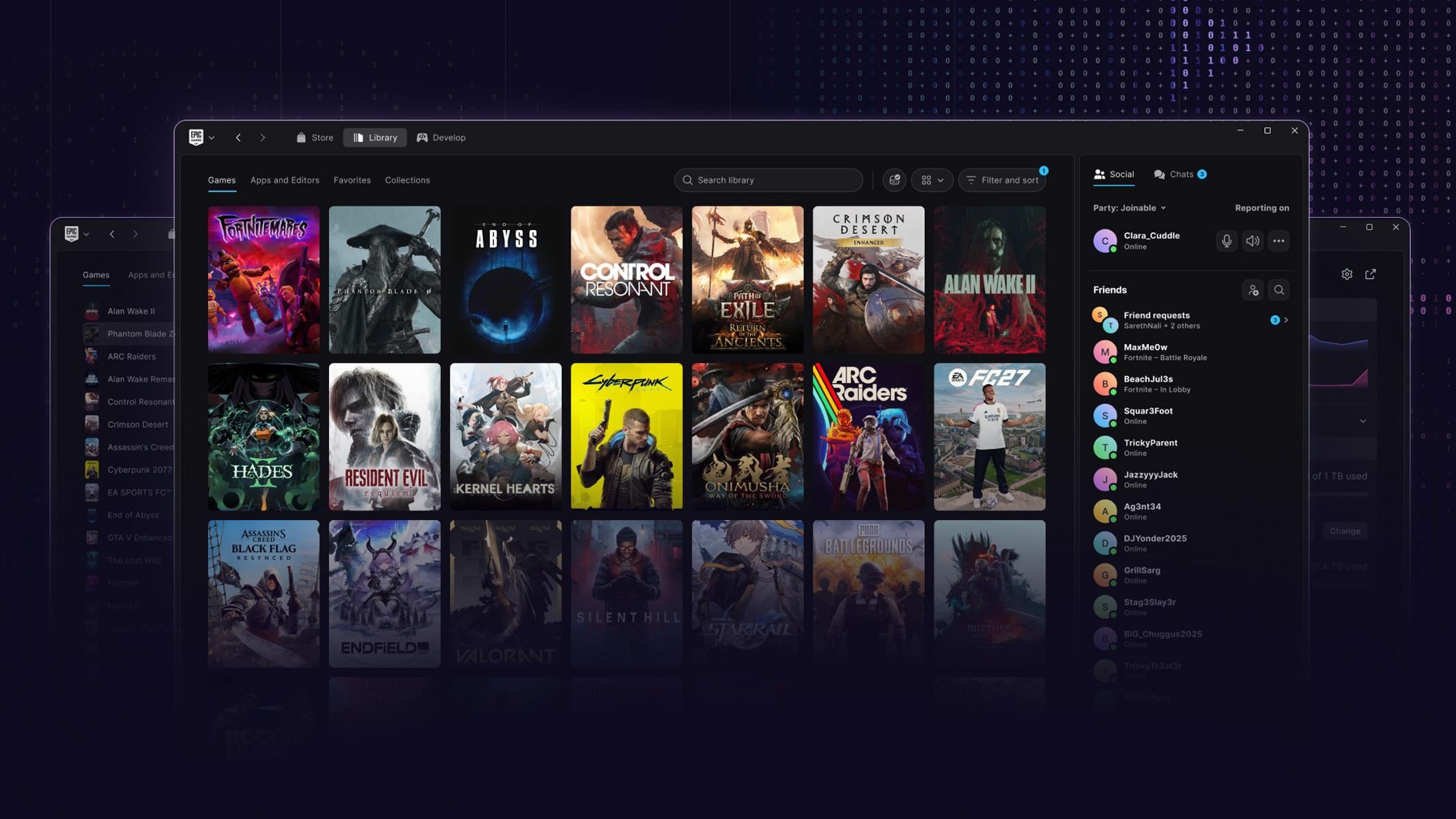
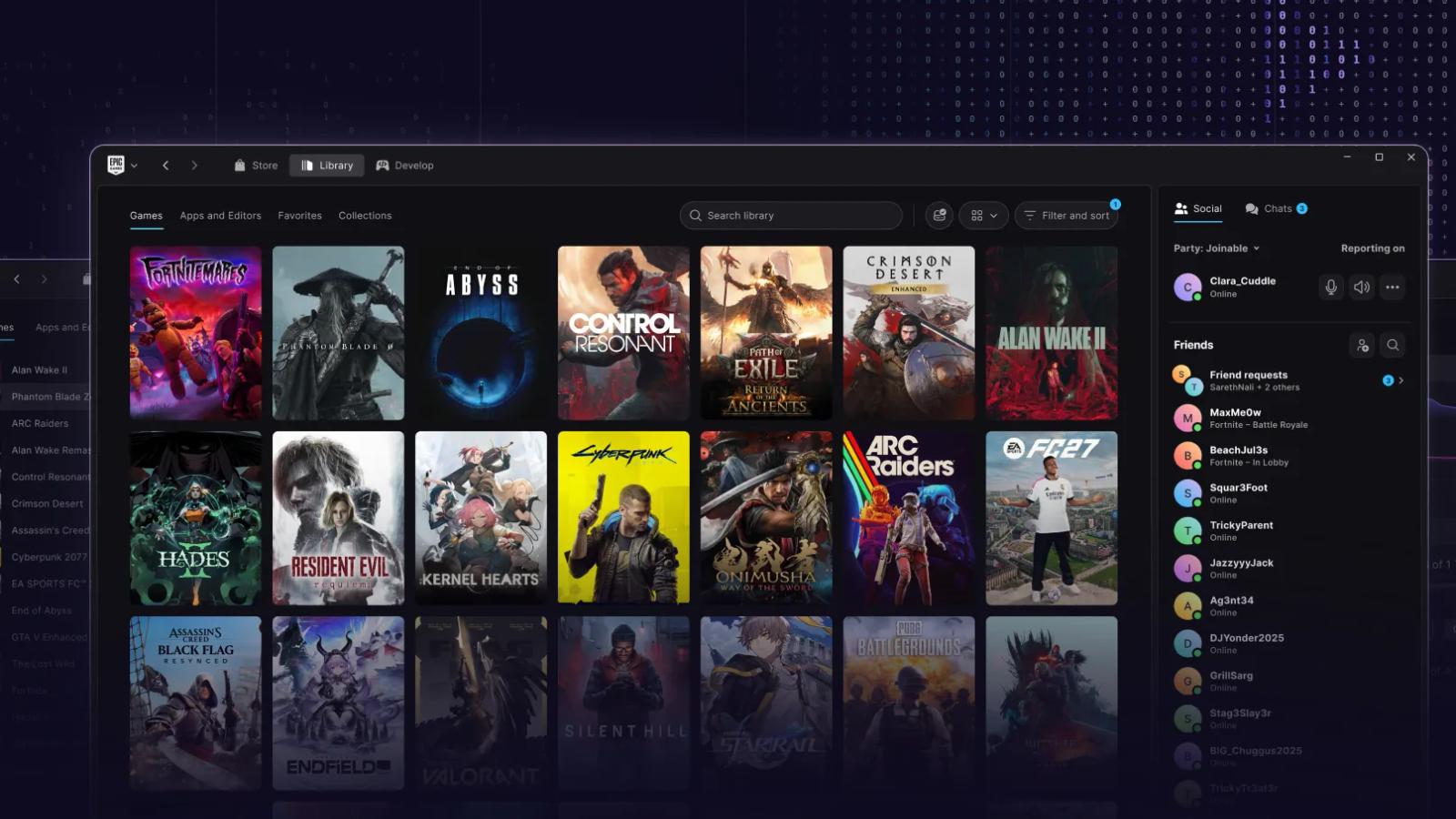
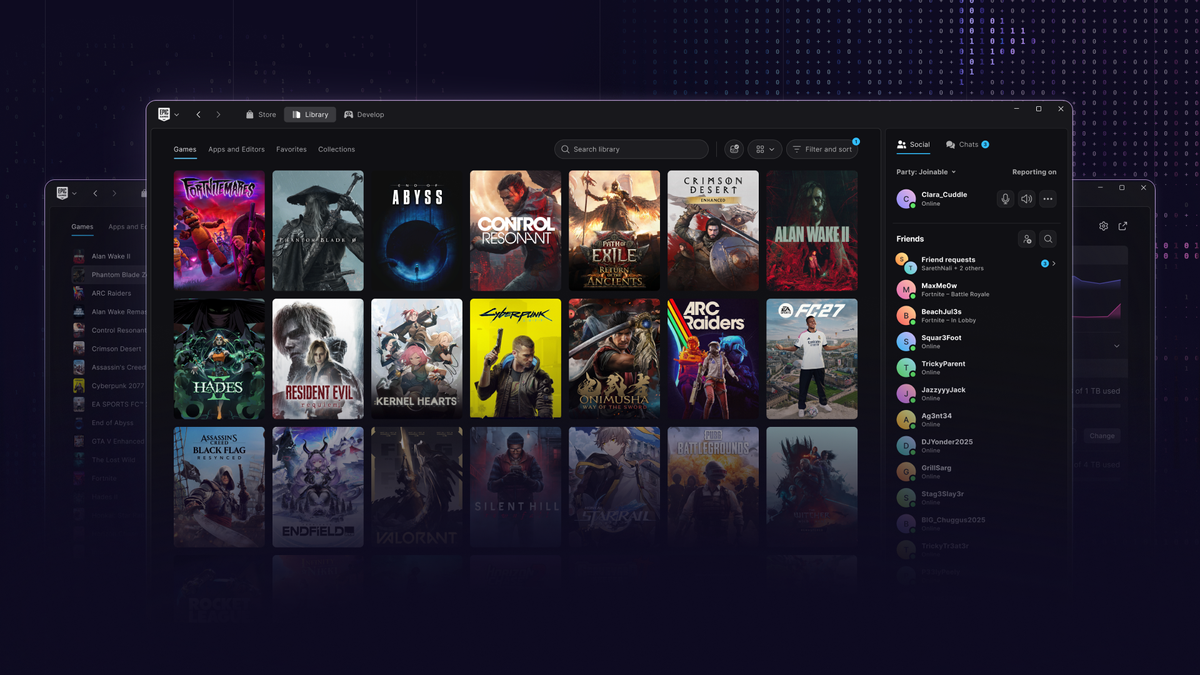
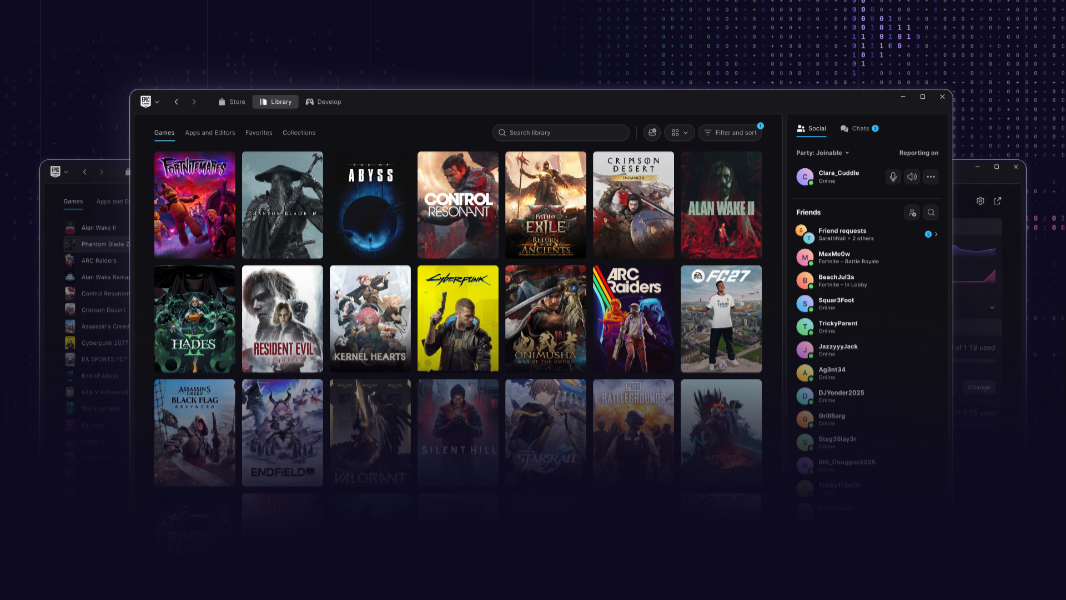
Epic Games' announcement of its AI-assisted "vibe coding" development process for the Epic Games Launcher represents a watershed moment in how digital platforms leverage generative AI for competitive advantage. The company employed Claude AI (via Anthropic) to enable a small development team to completely rewrite the launcher's codebase and deploy across Windows, Mac, and Linux simultaneously—a feat traditionally requiring 2-3x larger engineering teams. Martin Keely, VP of Epic Games Store, explicitly stated AI focused on code efficiency and architecture optimization rather than creative assets, signaling a disciplined approach to AI integration that prioritizes measurable productivity gains over speculative applications.
For e-commerce sellers and platform operators, this development model reveals three critical automation opportunities: (1) Codebase Modernization at Scale: Sellers using custom Shopify apps, WooCommerce plugins, or proprietary inventory systems can apply identical AI-assisted refactoring to eliminate technical debt without hiring additional developers. A typical mid-market seller maintaining legacy code could reduce modernization timelines from 6-12 months to 2-4 months using Claude or similar LLMs, freeing engineering resources for feature development. (2) Multi-Platform Deployment Acceleration: Epic's simultaneous Windows/Mac/Linux launch demonstrates how AI can handle cross-platform compatibility testing and code adaptation—directly applicable to sellers managing storefronts across Amazon, Shopify, TikTok Shop, and regional marketplaces. AI can automatically generate platform-specific API integrations, reducing manual QA cycles by 50-70%. (3) Small Team Productivity Multiplier: Epic's ability to accomplish major platform updates with a "small team" using AI assistance suggests sellers can achieve 2-3x developer productivity through AI-augmented workflows, enabling bootstrapped sellers to compete with well-funded competitors on technical sophistication.
However, the competitive context matters: Epic continues losing market share to Valve's Steam platform despite technical improvements, indicating that superior engineering alone cannot overcome entrenched user bases and network effects. For sellers, this signals that AI-driven operational efficiency creates necessary but insufficient competitive advantage—it must combine with superior product-market fit, customer experience, and brand positioning. The announcement also reveals Epic's broader "maximum AI acceleration" strategy, with developers being retooled across the organization and full AI workflows planned for artistic asset generation in upcoming projects. This suggests the gaming/digital platform industry is entering a phase where AI adoption becomes table-stakes rather than differentiator, with competitive advantage shifting to companies that can orchestrate AI across entire value chains (development, content creation, customer service, analytics) rather than isolated functions.
Questions 8
How does AI-assisted development reduce seller operational costs compared to traditional hiring?
Epic's small-team approach using AI reveals significant cost arbitrage: a traditional platform rewrite requires 8-12 senior developers ($120-180K annually each = $960K-2.16M total cost) over 12 months. Using AI-assisted development, the same project requires 2-3 developers ($240-540K annually) over 3-4 months, reducing total cost by 70-85% ($200-600K vs. $1M+). For mid-market sellers with $5-50M revenue, this translates to: (1) Eliminating need for dedicated DevOps hire ($150K annually); (2) Reducing QA team by 30-40% through AI-powered test automation; (3) Accelerating time-to-market for new features by 6-12 weeks, enabling faster response to competitive threats. However, this requires upfront investment in AI tool licensing ($500-2000/month) and team retraining (40-60 hours per developer).
What specific AI tools should sellers use to replicate Epic's development efficiency gains?
Epic explicitly uses Anthropic's Claude for code architecture and efficiency optimization. For sellers, the immediate toolkit includes: (1) **GitHub Copilot** ($10-20/month per developer) for real-time code generation and refactoring suggestions; (2) **Claude API** (via Anthropic) for complex architectural decisions and codebase analysis; (3) **Amazon CodeWhisperer** (free tier available) for AWS-integrated sellers; (4) **Replit AI** for rapid prototyping of new features. The selection depends on your tech stack—AWS sellers benefit from CodeWhisperer, while Shopify Plus merchants should prioritize Claude for custom app development. Pilot with one non-critical system (e.g., email notification service) to validate productivity gains before scaling to core infrastructure.