


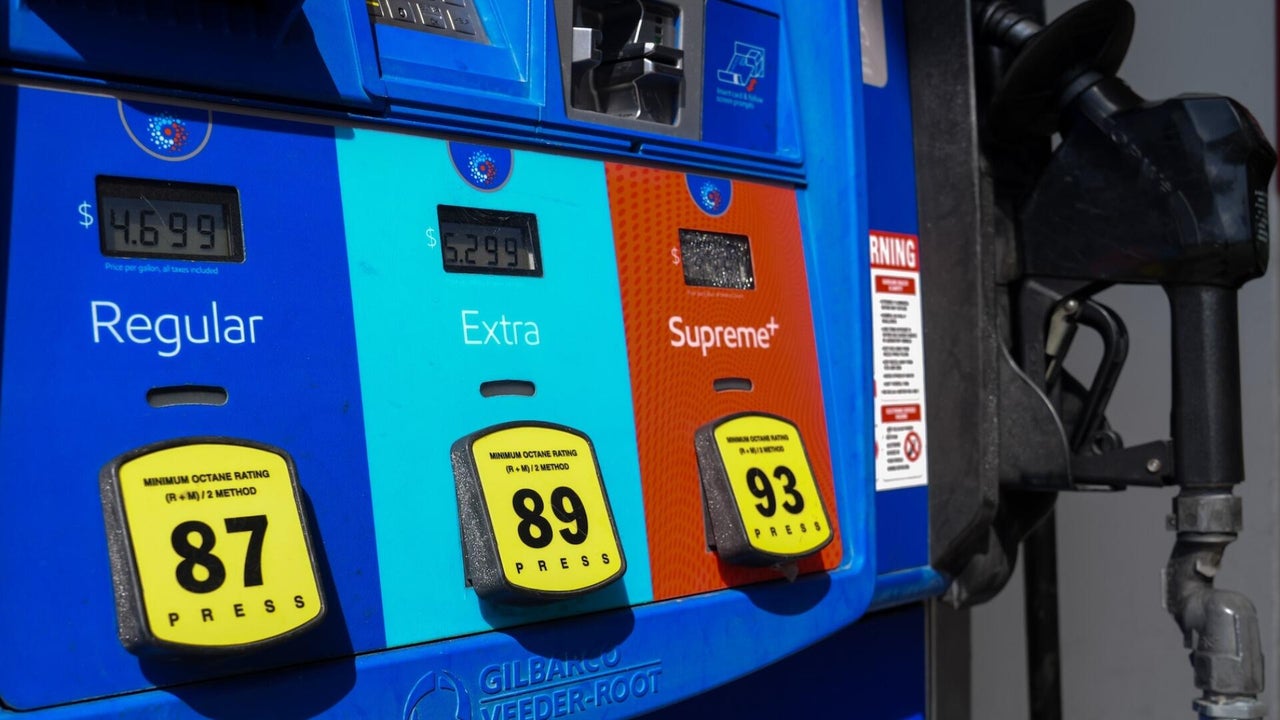
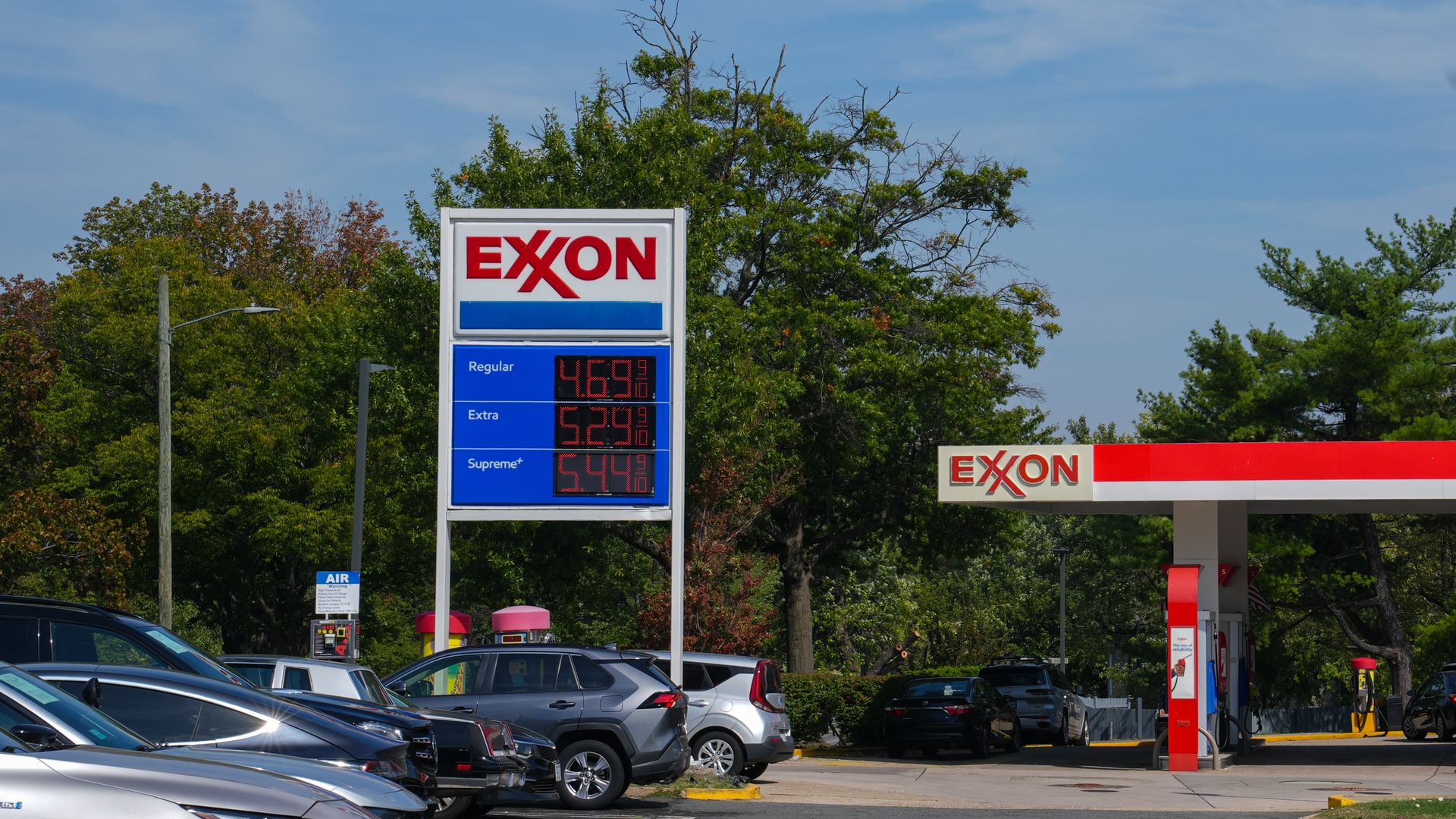

September 2026 Inflation Surge 3.7% CPI | Critical Cost Impact for Cross-Border Sellers
- Diesel prices exceed $6.20/gallon, fuel surcharges spike 8-15% for logistics-intensive sellers; rate hike probability jumps to 46%, threatening inventory financing costs















Overview
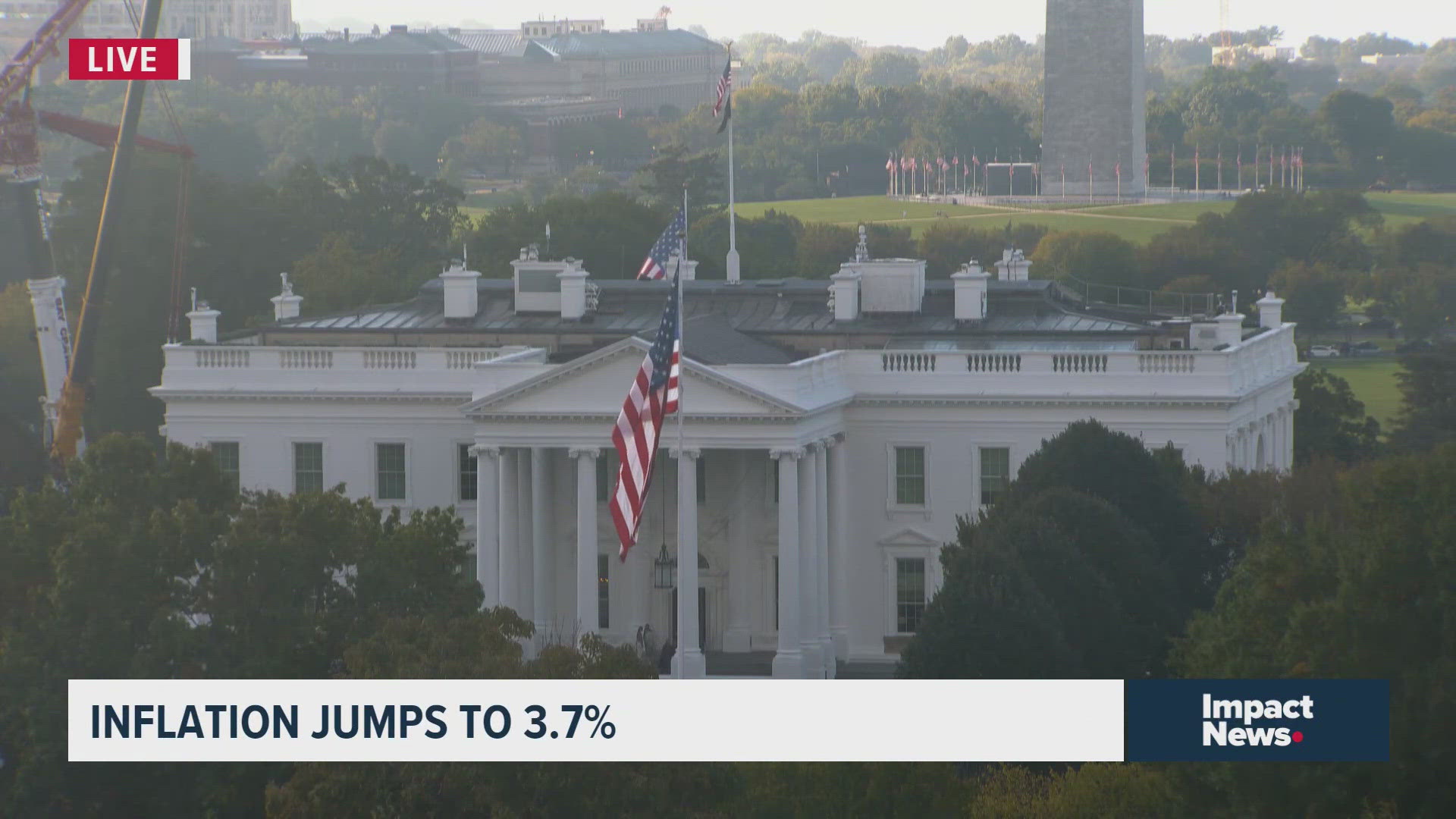
The September 2026 Consumer Price Index report released October 14, 2026, reveals a sharper-than-expected 3.7% annual inflation surge driven primarily by soaring energy and fuel costs, with diesel prices remaining above $6.20 per gallon near record highs. This represents the final inflation data before the 2026 elections, and market expectations for a Federal Reserve rate hike jumped from 21.6% to 46% probability, signaling potential December action. For cross-border e-commerce sellers, this inflation acceleration creates a dual cost crisis: immediate logistics expense increases and looming financing cost pressures.
Direct Logistics Impact: Elevated fuel prices translate directly into higher transportation costs across all shipping methods. Sellers relying on air freight for expedited shipments face acute cost pressures, with fuel surcharges typically increasing 8-15% when energy prices spike this sharply. International freight forwarding, last-mile delivery, and warehouse operations all consume significant energy resources. Cold chain logistics for perishable goods sellers face compounded pressure from both fuel surcharges and increased refrigeration costs. The news explicitly notes that diesel price elevation indicates structural challenges in commodity markets rather than temporary disruptions, suggesting these cost increases will persist through Q4 2026 and potentially into 2027.
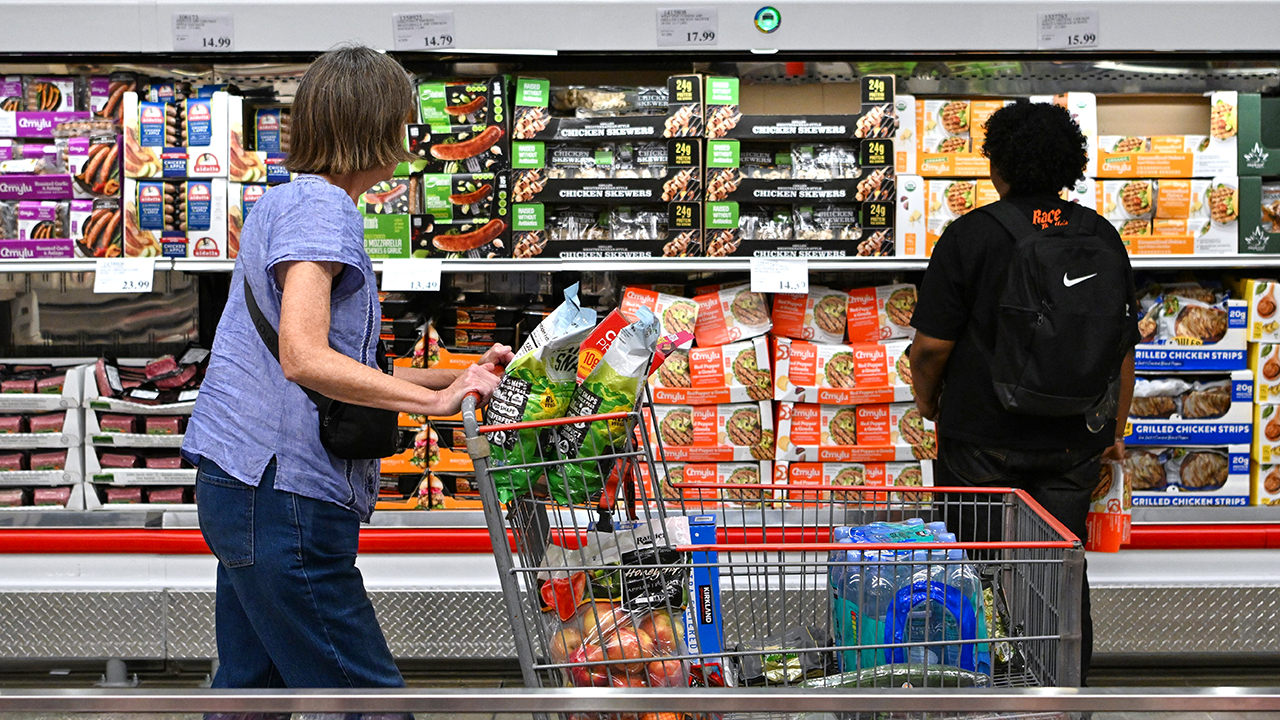
Consumer Demand Contraction Risk: The inflation report demonstrates that consumer sentiment deteriorated significantly as Americans prepared to vote, directly correlating with energy price spikes. Higher inflation typically reduces discretionary spending on non-essential products—precisely the merchandise categories that dominate cross-border e-commerce platforms. Sellers in electronics, apparel, home décor, and beauty categories should anticipate demand softening as household budgets tighten. The Wall Street market reaction (S&P 500 down 0.60%, Nasdaq down 0.78%, declining issues outnumbering advancers 5.57-to-1) reflects broad economic weakness that historically precedes consumer pullback on e-commerce purchases.
Financing Cost Escalation: The 46% probability of a Federal Reserve rate hike by December 2026 creates urgent implications for sellers financing inventory through credit lines or business loans. Rate increases directly impact borrowing costs for inventory purchases, working capital, and business expansion—typically adding $200-400 monthly to financing costs for sellers carrying $50K-100K inventory balances. Bank stocks declined sharply (Bank of America -8.5%, S&P 500 Banks index -2.4% to four-month lows), signaling tightening credit conditions ahead. Sellers should lock in current financing rates immediately before potential December rate increases.
Questions 7
How do I know if demand is actually declining or just seasonal variation?
Compare your September-October 2026 sales velocity against September-October 2025 same-period performance. The news shows consumer sentiment deteriorated sharply due to inflation, so expect 10-15% YoY demand decline in discretionary categories if broader economic trends are impacting your sales. Monitor your category's Best Seller Rank (BSR) movement—if BSR is rising (worsening) despite normal seasonal patterns, demand is declining. Check competitor pricing and inventory levels; if competitors are discounting heavily, it signals category-wide demand softening. Use Amazon Seller Central analytics to track conversion rate trends; declining conversion rates despite stable traffic indicate price sensitivity from inflation-conscious buyers.
What immediate actions should I take this week to protect margins?
Take three urgent steps by October 21, 2026: (1) Contact your freight forwarder/3PL to lock in current fuel surcharge rates before they increase further; (2) Call your bank/lender to lock in current financing rates before December rate hike; (3) Audit your top 50 SKUs for shipping weight optimization—even 5% weight reduction saves $50-150 monthly on air freight. Review your pricing strategy and test 3-5% price increases on low-elasticity products (essentials, bestsellers) while holding prices on discretionary items. Shift marketing spend toward high-margin products and consider promotional bundles to maintain volume while protecting margins.