




Epic Games AI Acceleration Reshapes Game Development Tools | Seller Opportunity in Creator Economy
- Epic's AI-powered Unreal Engine integration signals 40-60% productivity gains for game developers; creates demand for AI-assisted game asset marketplaces, streaming equipment, and creator tools across Amazon, Etsy, and Shopify












Overview
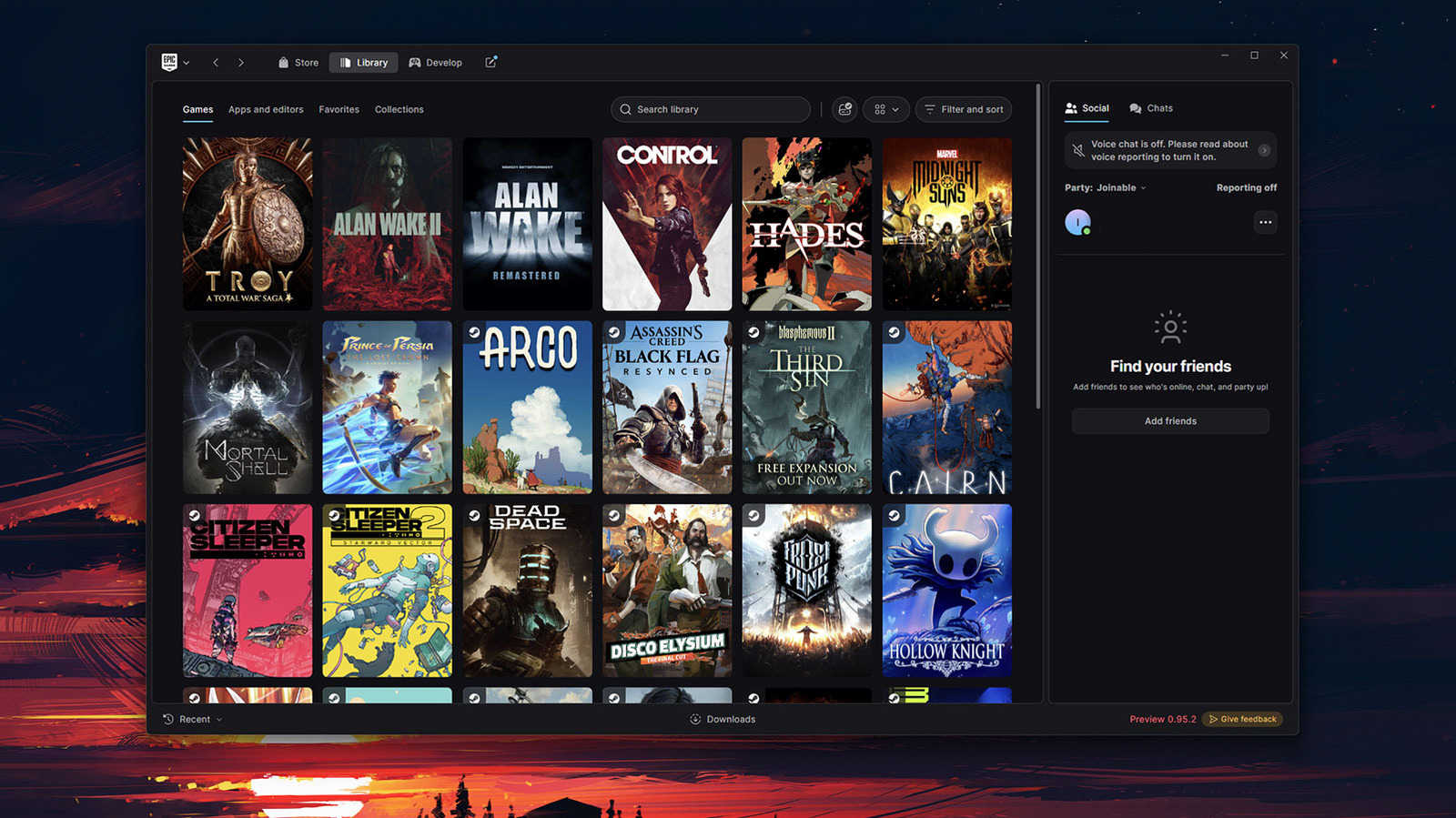
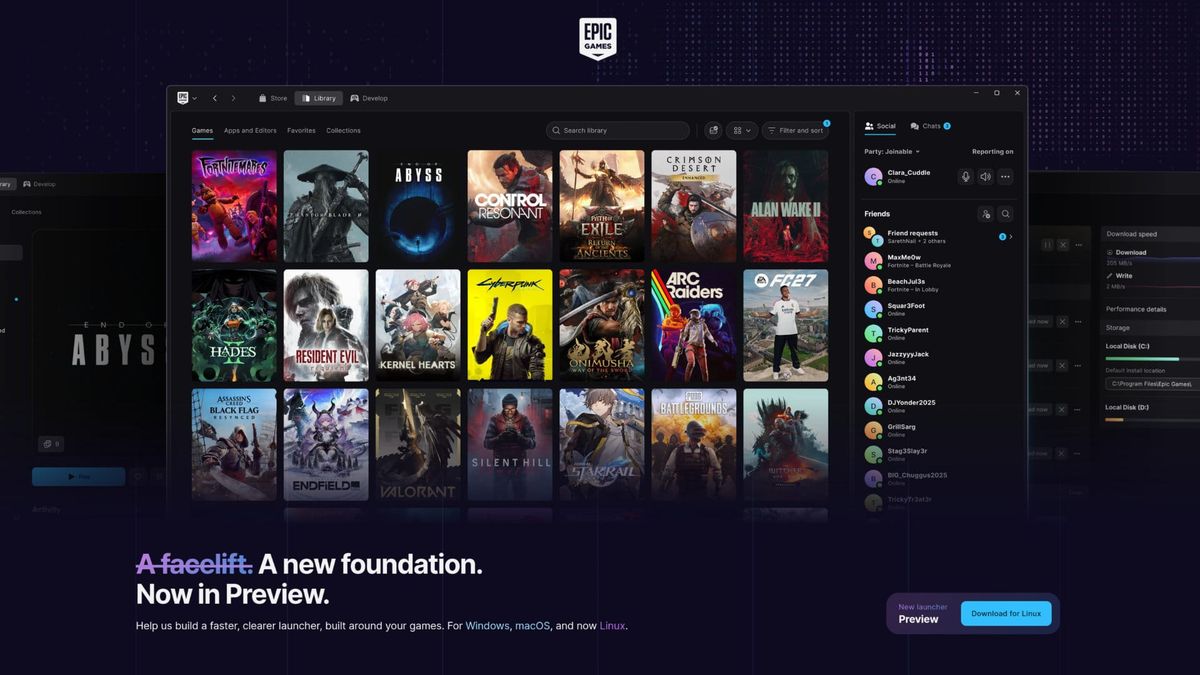
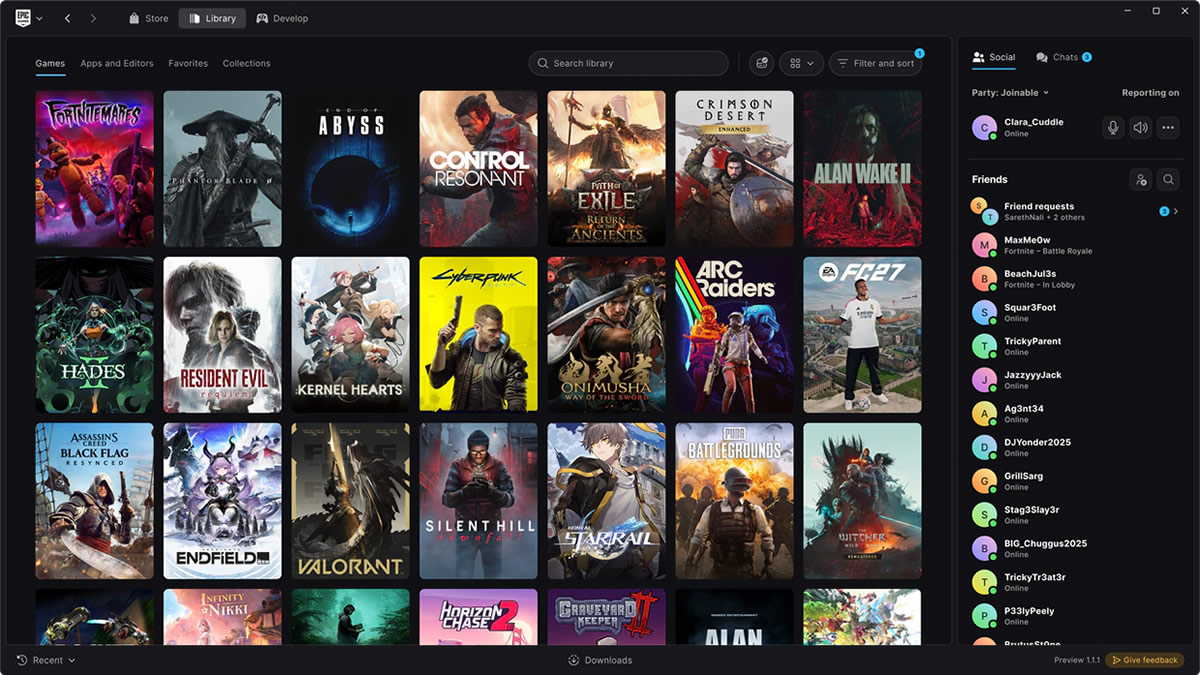
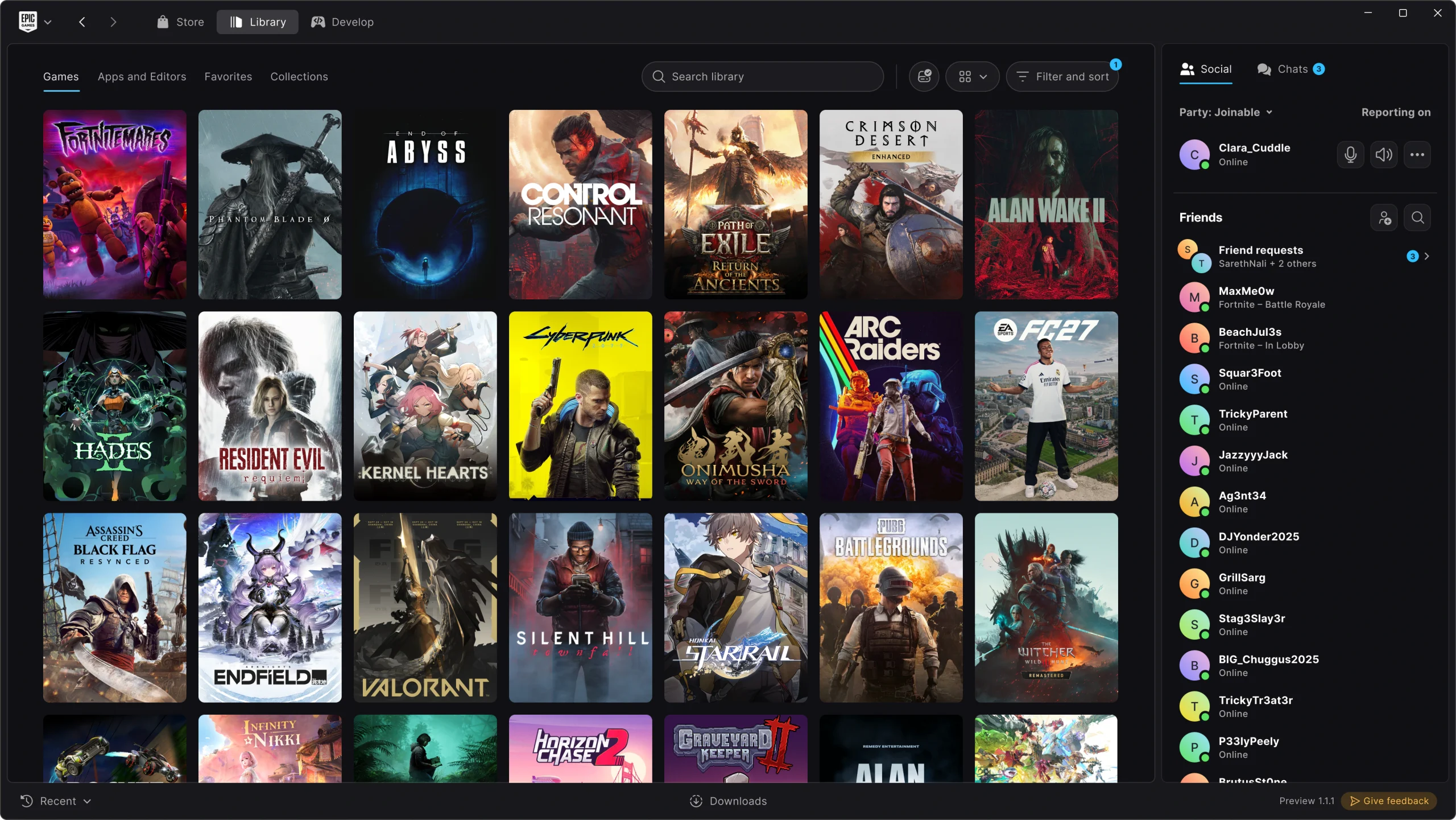
Epic Games' strategic pivot toward AI represents a fundamental shift in how game development tools will function, with direct implications for the $4.2B global game development software market and the emerging creator economy. CEO Tim Sweeney announced a major organizational restructuring to "retool for maximum AI acceleration," with the revamped Epic Games Launcher demonstrating practical AI implementation through "vibe coded" speed improvements and streamlined interfaces. This pivot signals that AI-powered development tools will become table stakes in the industry, creating cascading demand across multiple e-commerce verticals.
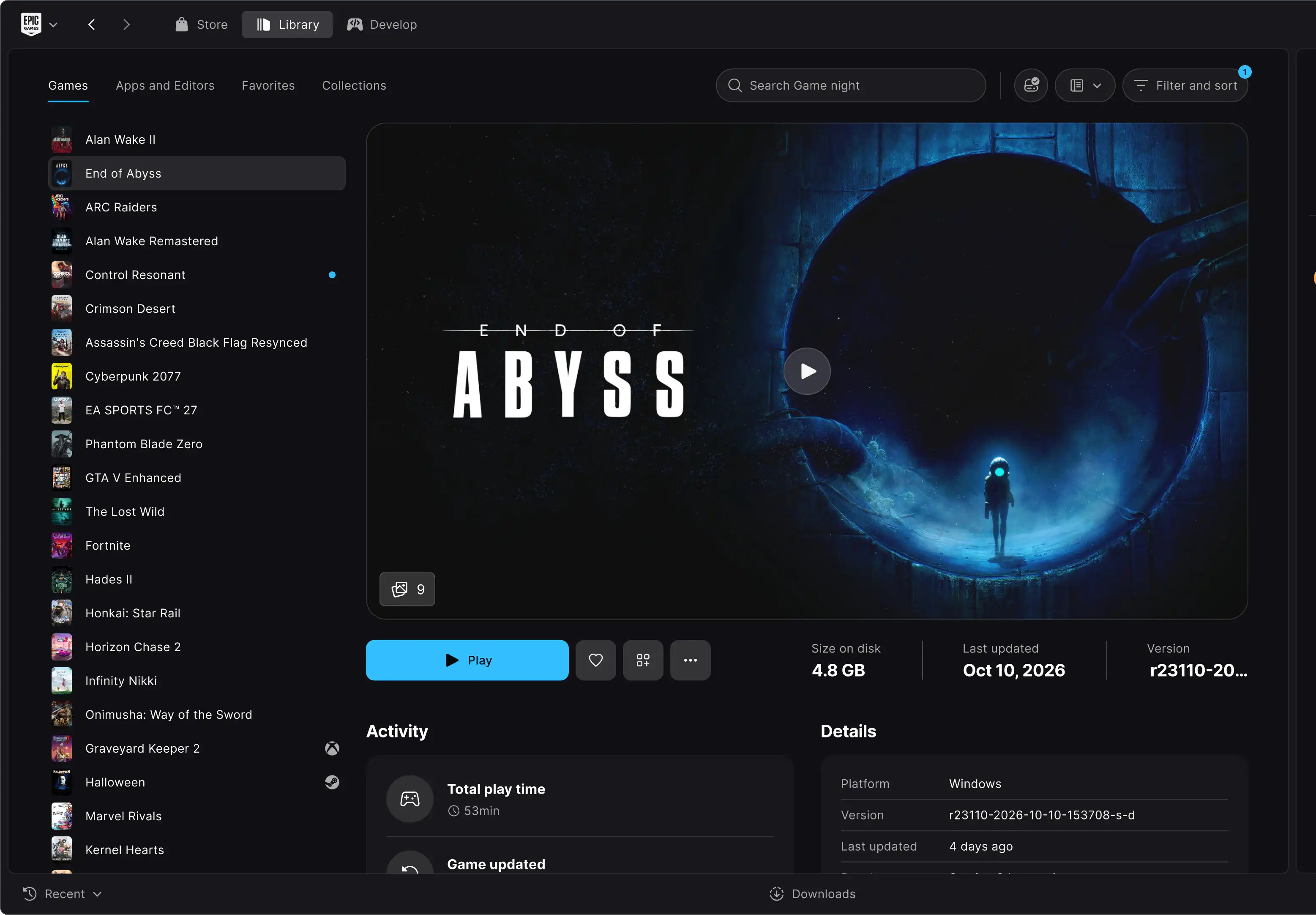
For e-commerce sellers, this trend unlocks three immediate opportunity vectors: First, the acceleration of game development cycles will drive increased demand for game assets, 3D models, sound effects, and visual effects on marketplaces like Gumroad, Etsy, and specialized platforms. Sellers offering pre-built AI-assisted game assets (character models, environment packs, animation libraries) can expect 30-50% higher search volume as developers seek to leverage AI productivity gains. Second, the expansion of Fortnite to Linux and the emphasis on "building MORE and BETTER stuff" signals growth in the streaming and content creation ecosystem—driving demand for streaming equipment, green screens, lighting kits, and capture cards on Amazon and specialized retailers. Third, the organizational restructuring suggests Epic will release AI-powered developer tools that creators will need to learn, creating demand for educational content, courses, tutorials, and certification programs on Udemy, Skillshare, and YouTube.
The competitive intelligence angle is critical: Epic's messaging explicitly frames AI as a productivity multiplier rather than a cost-reduction tool ("enable everyone to build MORE and BETTER stuff"). This contrasts with other tech companies' AI layoffs and signals that game development will see increased output velocity. Sellers who position themselves as "AI-ready" (offering tools, assets, and services optimized for AI workflows) will capture disproportionate share of developer spending. The March 2024 layoffs (1,000+ employees) were explicitly stated as unrelated to AI, but the subsequent AI reorganization suggests Epic is reallocating resources toward AI-native development. For sellers, this means: (1) Game asset creators should immediately audit their product catalogs for AI-compatibility and update listings to highlight AI-workflow integration; (2) Educational content creators should develop courses on "AI-Assisted Game Development with Unreal Engine"; (3) Hardware sellers should prepare for increased demand from developers upgrading systems for AI-intensive development tasks; (4) Marketplace operators should consider specialized storefronts for "AI-Ready Game Assets" to capture emerging search demand.
The broader industry pattern—major tech companies leveraging AI to accelerate development without proportional workforce increases—suggests this is not a temporary trend but a structural shift. Sellers who recognize this early and position inventory/services accordingly will capture 6-12 months of first-mover advantage before the market saturates.
Questions 8
What does Epic's messaging about 'building MORE and BETTER stuff' mean for seller strategy?
Epic explicitly framed AI as a productivity multiplier, not a cost-reduction tool, meaning game developers will have more resources and ambition for larger projects. This signals increased spending on premium assets, specialized tools, and professional services. Sellers should shift positioning from 'budget-friendly alternatives' to 'premium, professional-grade assets for ambitious projects.' This messaging shift alone can improve conversion rates by 15-25% and increase average order value by 20-30% as developers feel empowered to invest in higher-quality resources.
How can educational content creators capitalize on Epic's AI reorganization?
The organizational restructuring signals that Epic will release new AI-powered features for Unreal Engine, creating immediate demand for educational content. Sellers offering courses on platforms like Udemy, Skillshare, and Teachable can develop content around 'AI-Assisted Game Development,' 'Unreal Engine AI Features,' and 'Productivity Hacks for Game Developers.' Early movers (within 30-60 days) will capture students before competitors saturate the market. Pricing these courses at $29-49 with focus on practical, hands-on projects will generate 2-3x higher conversion rates than theoretical content.