


Fed Rate Uncertainty & Sticky Inflation | Cross-Border Sellers Face Higher Financing Costs Through 2027
- September CPI surge to 3.7% YoY signals 90%+ probability of additional rate hikes before year-end; financing costs for inventory loans and working capital expected to remain elevated through 2027, directly impacting seller cash flow optimization strategies











Overview
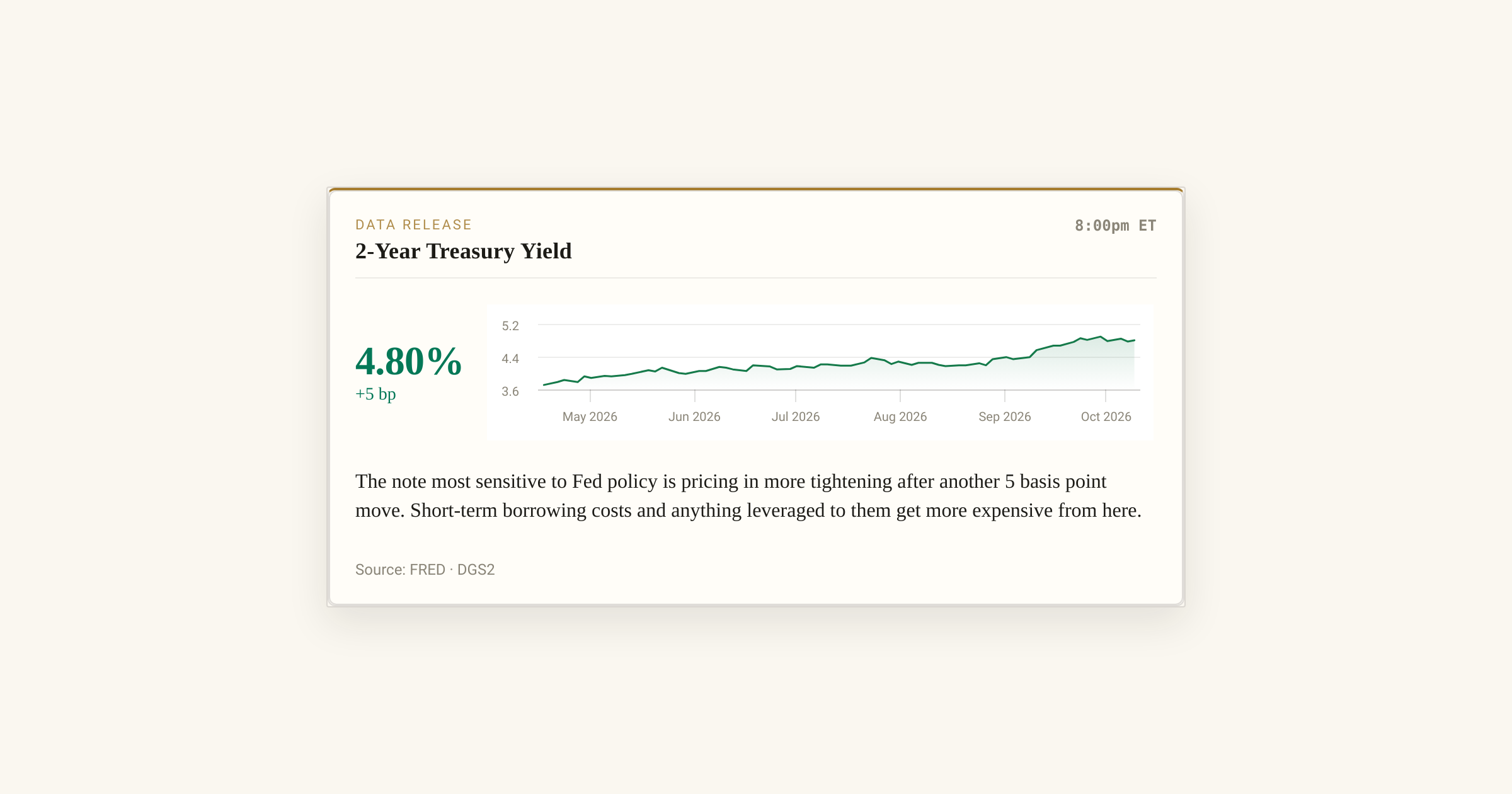
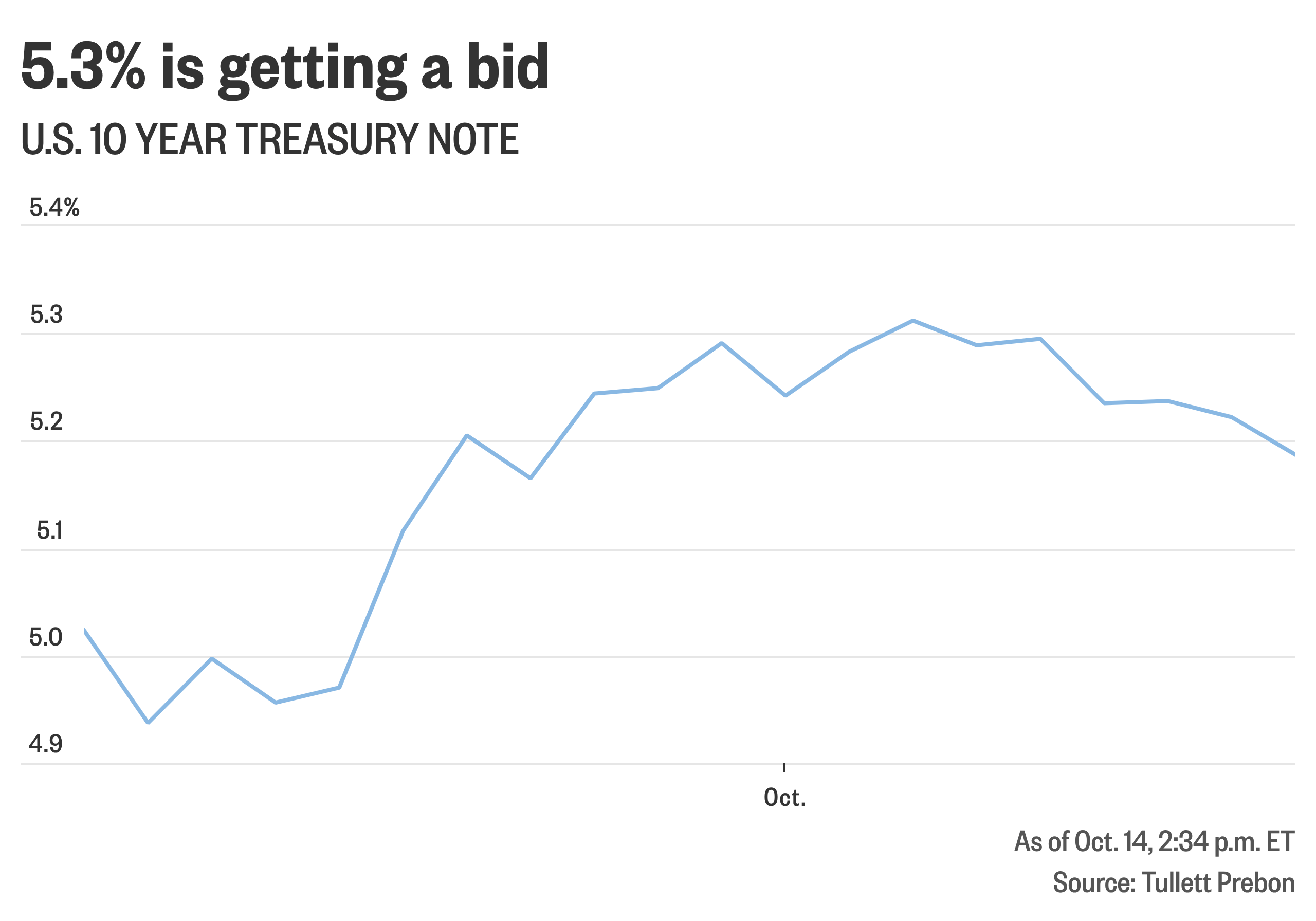
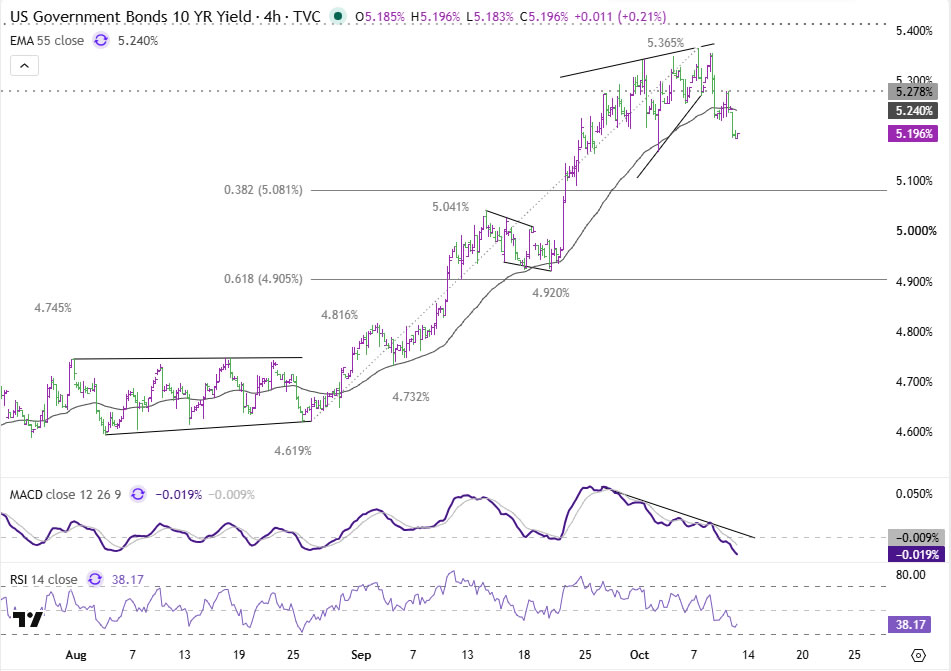
The Federal Reserve faces mounting pressure to maintain elevated interest rates through 2027 as September inflation data reveals sticky price pressures that exceed expectations. The Labor Department reported September CPI rose 0.6% monthly (vs. 0.3% forecast) and 3.7% year-over-year (vs. 3.6% estimate), with core inflation at 2.6% annualized versus the 2.5% consensus. This hot inflation reading immediately triggered Treasury volatility—2-year yields spiked to 4.9521%, their highest in two weeks—before moderating to 4.802% by day's end as Fed officials signaled patience on October rate decisions. However, the underlying message is clear: markets now price in over 90% probability of at least one additional rate hike before year-end, with 40% odds of a 0.5% increase (double the prior day's expectations). Boston Fed President Susan Collins explicitly stated additional rate increases will likely be necessary before year-end, contradicting dovish commentary from Vice Chair Philip Jefferson and New York Fed President John Williams.
For cross-border e-commerce sellers, this inflation persistence directly translates to sustained high financing costs through 2027. The Fed's current target range of 3.75%-4.00% is expected to remain elevated longer than previously anticipated, according to chief economist Christopher Rupkey at Fwdbonds. This impacts three critical seller financial levers: (1) Inventory financing costs: Working capital loans, PO financing, and inventory-backed credit lines tied to Fed rates will remain expensive; sellers currently paying 8-12% APR on inventory loans should expect rates to hold or increase further; (2) Cross-border payment optimization: Higher USD rates strengthen the dollar, creating headwinds for sellers with revenue in EUR, GBP, or emerging market currencies—the 2-10 year yield curve spread narrowed to just 38.5 basis points, signaling modest growth expectations that typically weaken non-USD currencies; (3) Cash conversion cycle pressure: With sticky inflation eroding consumer purchasing power (evidenced by S&P 500 declining 1%+ on the CPI release), sellers face slower inventory turnover, requiring larger working capital buffers to bridge the gap between purchase and sale.
The 10-year TIPS breakeven rate settled at 2.351%, implying markets expect inflation averaging 2.4% annually over the next decade—well above the Fed's 2% target. This persistent inflation expectation means sellers cannot rely on price deflation to improve margins; instead, they must lock in financing rates immediately before further hikes. Sellers with variable-rate inventory loans should consider converting to fixed-rate products within the next 30 days, as the October 28 Fed decision (two weeks away) could trigger additional tightening. The probability of an October rate hike fluctuated from 40% immediately after the CPI release to 33% by late afternoon, reflecting market confusion—but the underlying trend is toward higher rates persisting longer. For sellers managing multi-currency exposure (USD costs, EUR/GBP revenue), the strong dollar environment creates FX headwinds; hedging costs for 6-12 month currency forwards are elevated, but locking in rates now protects against further dollar appreciation if the Fed maintains its hawkish stance.
Questions 8
Which financing products offer the best terms given current rate environment?
Amazon Lending (6-12 month terms at 8-10% APR for qualified sellers) and Fundbox (working capital lines at 9-12% APR) offer competitive rates vs. traditional banks (12-15% APR). PO financing from Tradeshift or Flexport (10-14% APR) is ideal for sellers with confirmed purchase orders. Invoice factoring (2-4% discount) is best for B2B sellers with 30-45 day payment terms. The key is locking in fixed rates now before the October 28 Fed decision potentially triggers further hikes. **Action**: Apply for Amazon Lending and Fundbox simultaneously to compare terms; if approved, lock in 12-month fixed rates immediately; for PO financing, prioritize suppliers with confirmed orders; evaluate invoice factoring for 20%+ of B2B revenue to reduce working capital needs.
How can I optimize my cash flow given higher financing costs and slower consumer spending?
Three immediate levers: (1) **Accelerate inventory turnover**: Reduce SKU count by 20-30%, focus on fast-moving items with 30-45 day inventory turns vs. 60+ days; (2) **Negotiate supplier terms**: Extend payment terms from 30 to 45-60 days, freeing up 15-30% of working capital without additional financing; (3) **Implement invoice factoring**: Convert receivables to cash immediately at 2-4% discount vs. waiting 30-45 days, reducing reliance on expensive inventory loans. The 10-year TIPS breakeven rate of 2.351% signals persistent inflation, so pricing power is limited—focus on operational efficiency instead. **Action**: Audit top 50 SKUs by profit margin and inventory turn; discontinue bottom 20% of SKUs; contact suppliers to negotiate 45-day terms; evaluate invoice factoring for B2B sales to free up 10-15% of working capital within 30 days.