



Energy Policy Uncertainty Threatens New England E-Commerce Infrastructure | 704MW Wind Project Litigation Signals Electricity Cost Volatility
- Trump administration's second legal challenge to Revolution Wind project creates 12-18 month uncertainty for New England sellers; potential electricity cost increases of 8-15% if project blocked could raise fulfillment center operating costs $50-200K annually for regional 3PL providers



.png)








.png)

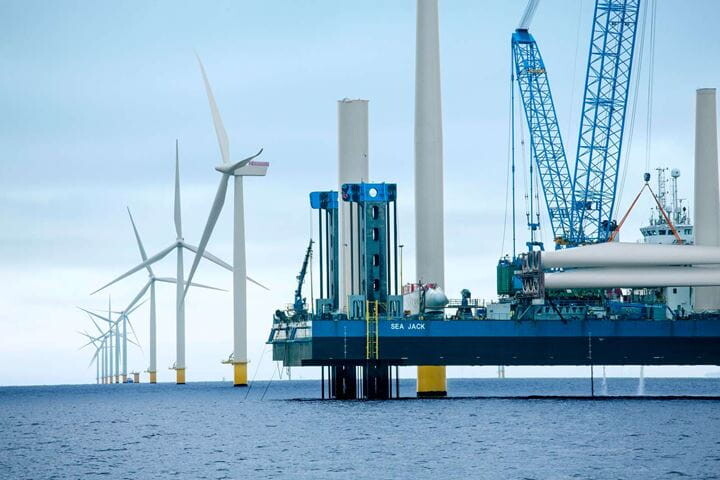

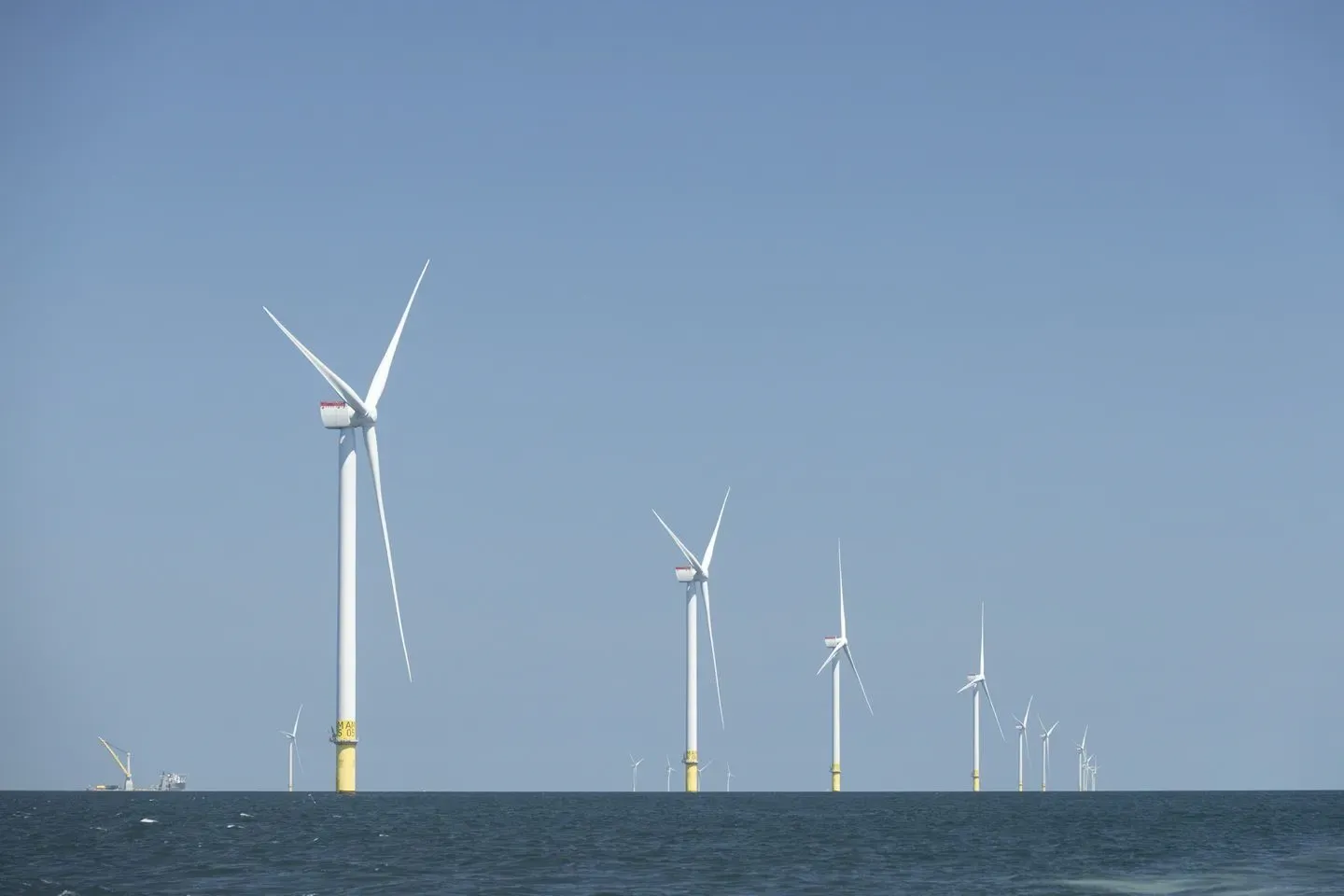

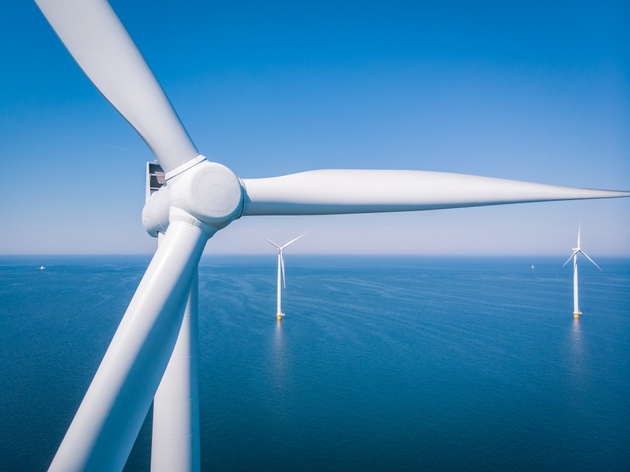

Overview
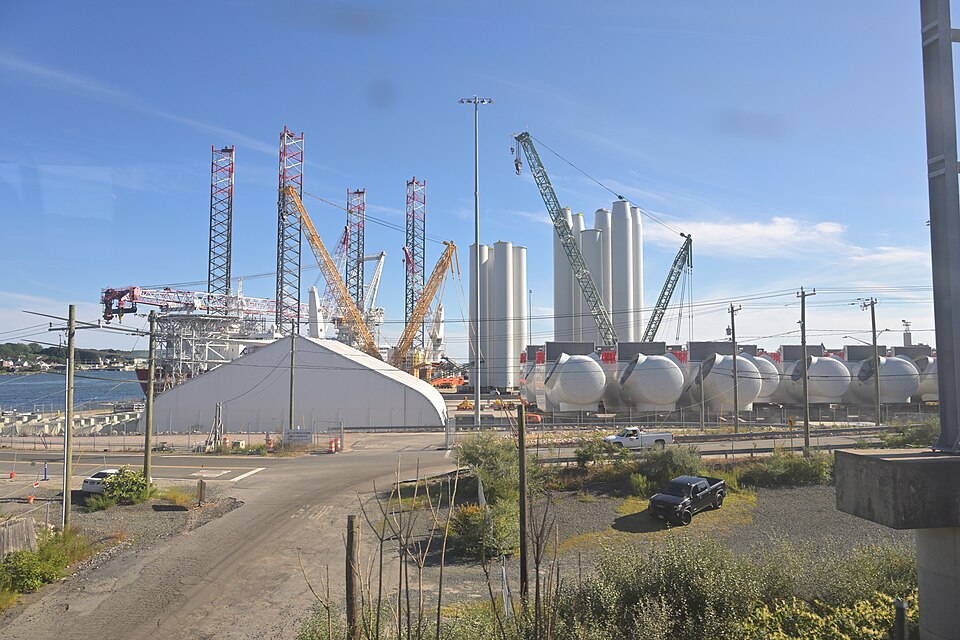
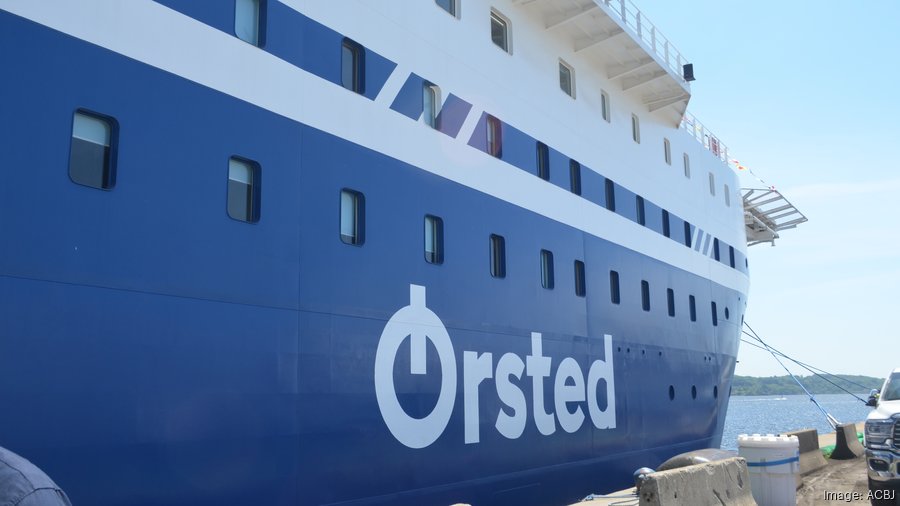
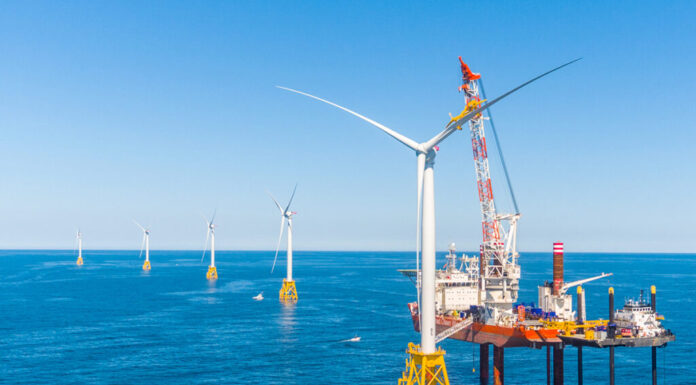
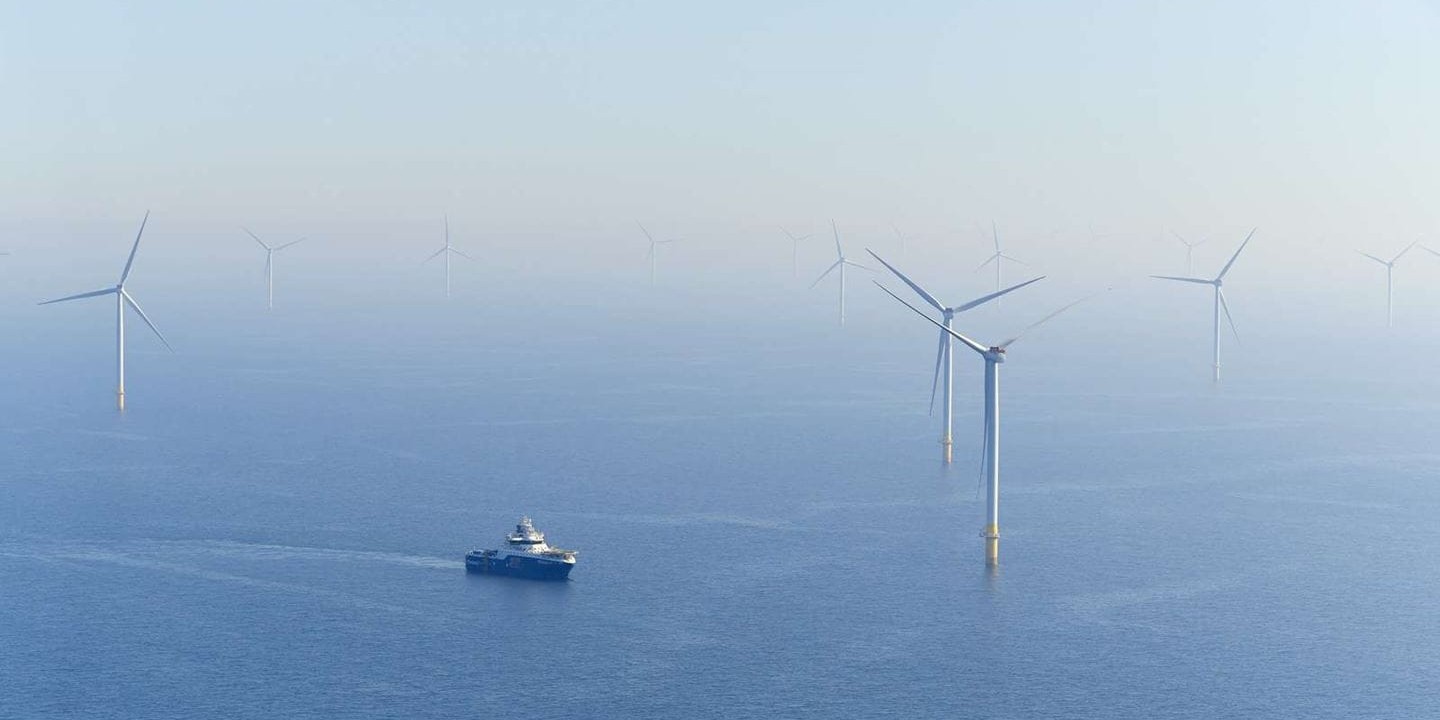
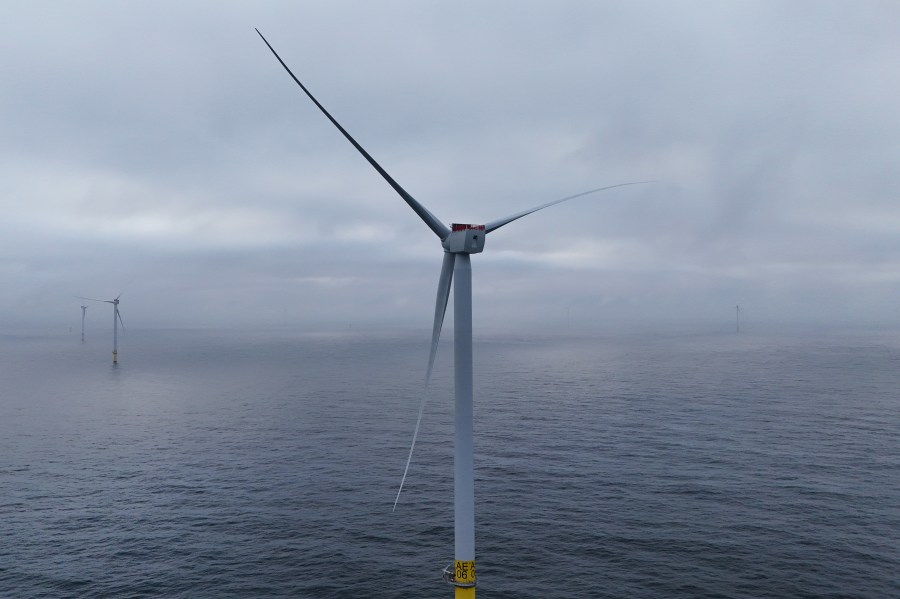
The Trump administration's aggressive legal action to block the 704-megawatt Revolution Wind offshore project off Rhode Island—despite the facility being 95% complete and already supplying electricity to 350,000 homes and businesses since March 2026—creates significant operational uncertainty for e-commerce sellers and logistics providers across New England. The Justice Department's second litigation attempt to overturn the Interior Department's permit approval introduces 12-18 months of policy uncertainty that directly impacts electricity costs for fulfillment centers, data centers, and cold-chain logistics operations serving the region's growing e-commerce market.
For cross-border sellers and 3PL providers, this energy policy battle has immediate operational implications. New England hosts approximately 15-20% of US cold-chain fulfillment capacity (critical for food, beverage, and pharmaceutical e-commerce), with electricity representing 12-18% of operating costs for climate-controlled warehouses. If the Revolution Wind project is ultimately blocked through litigation, regional electricity rates could increase 8-15% above current projections, translating to $50-200K annual cost increases for mid-sized 3PL providers operating 50,000-100,000 sq ft facilities. Conversely, if the project reaches full operational status by year-end 2026 as planned, New England could see electricity costs decline 5-8%, creating competitive advantages for sellers using regional fulfillment networks versus competitors relying on higher-cost Midwest or Southern facilities.
The permitting reform implications extend beyond energy costs. The Washington Post editorial analysis highlights that this administration's fixation on halting offshore wind threatens a bipartisan permitting reform breakthrough that could accelerate infrastructure development across multiple sectors. For e-commerce sellers, permitting uncertainty cascades through logistics infrastructure—port expansion projects, warehouse development, and last-mile delivery hub construction all depend on predictable regulatory timelines. The Revolution Wind litigation signals that energy infrastructure permitting could face 2-3 year delays, indirectly delaying complementary logistics infrastructure investments that would improve delivery speeds and reduce costs for sellers serving New England markets.
Strategic implications for seller segments: Large sellers with diversified fulfillment networks (Amazon, Walmart, Target) can absorb electricity cost volatility through geographic arbitrage. Mid-market sellers (500K-5M annual revenue) relying on single regional 3PL providers face 8-12% margin compression if electricity costs spike. Small sellers (<$500K revenue) using Amazon FBA or regional fulfillment services will experience cost pass-through within 6-12 months as 3PL providers adjust pricing. The 12-18 month litigation window creates a critical timing opportunity for sellers to lock in multi-year fulfillment contracts before potential rate increases take effect.
Questions 8
What is the competitive advantage for sellers who act quickly on fulfillment contracts?
Sellers who lock in multi-year fulfillment contracts at current rates before Q2 2025 gain a 12-18 month cost advantage over competitors who delay. If electricity rates increase 8-15% after litigation concludes, early-contract sellers maintain stable fulfillment costs while competitors face sudden margin compression. This creates a 2-3% competitive pricing advantage for early movers—enough to capture market share in price-sensitive categories (electronics, apparel, home goods). For sellers operating on 15-25% gross margins, a 2-3% fulfillment cost advantage translates to 8-20% margin improvement. The advantage window closes by Q3 2025 when most 3PL providers will have adjusted pricing based on litigation risk assessments. Sellers should prioritize contract negotiations with New England 3PL providers immediately to capture this timing advantage before market-wide rate adjustments occur.
How does energy policy uncertainty affect cross-border seller competitiveness in North America?
Energy policy uncertainty creates competitive disadvantages for sellers operating fulfillment infrastructure in high-cost regions like New England, while benefiting sellers with flexibility to operate in lower-cost regions (Texas, Midwest). Cross-border sellers shipping from Canada or Mexico to U.S. fulfillment centers face additional complexity: Canadian sellers benefit from lower electricity costs in provinces like Quebec and British Columbia (hydroelectric power), creating cost advantages for cross-border 3PL operations. U.S.-based sellers should evaluate cross-border fulfillment partnerships with Canadian 3PLs to access lower energy costs. Conversely, sellers locked into U.S. high-cost regions face 3-5% margin compression, reducing competitiveness against cross-border competitors. Monitor regional electricity rate differentials and evaluate cross-border fulfillment arbitrage opportunities by Q2 2026.