


Global Semiconductor Crash & Inflation Surge | Critical Supply Chain Risk for E-Commerce Sellers
- October 14, 2026 market collapse triggers 7-10% inventory cost increases for electronics sellers; Asian sourcing disruption affects 40%+ of cross-border tech product suppliers

















Overview
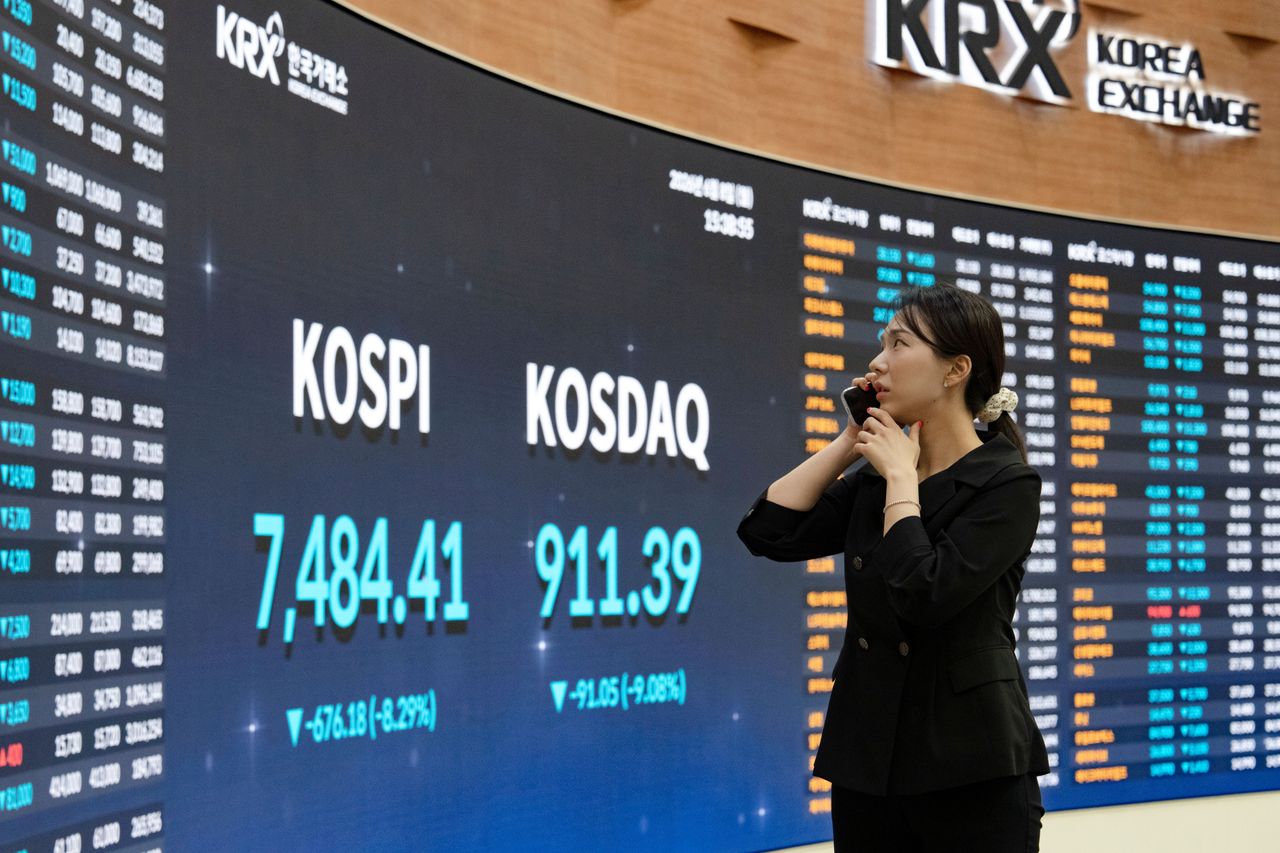
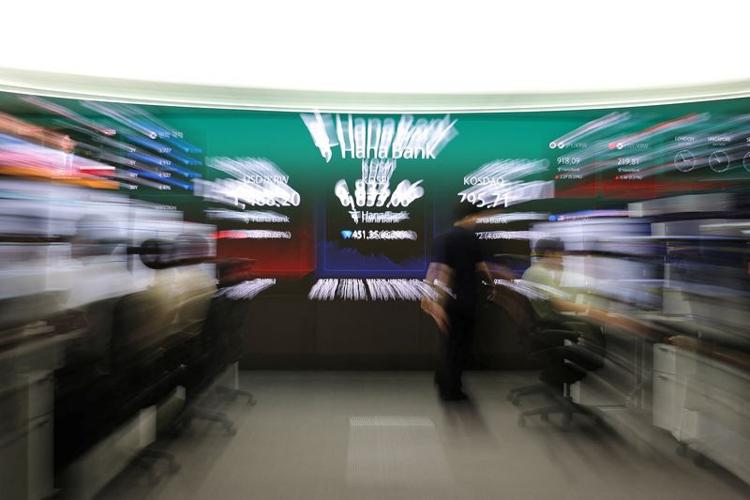
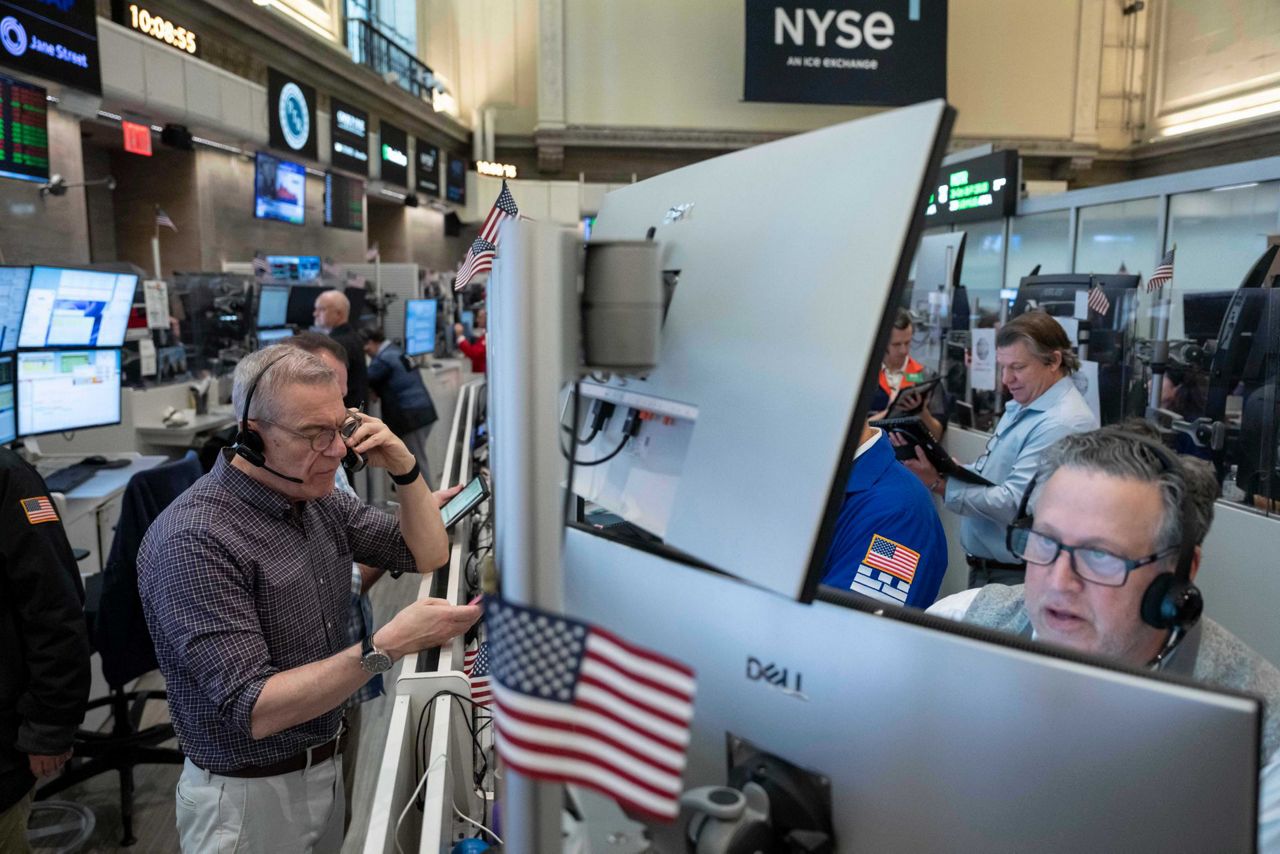
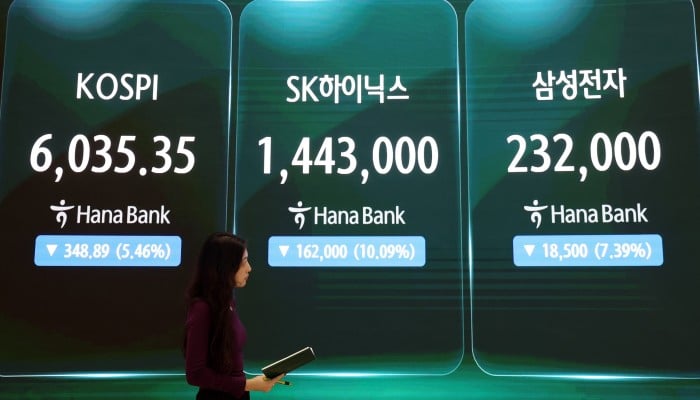
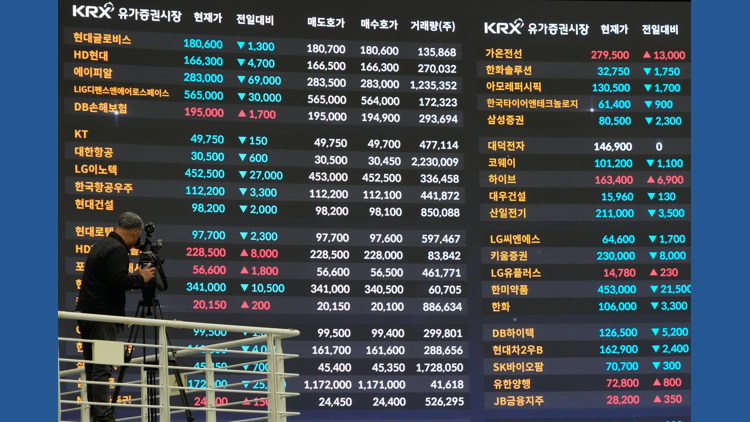
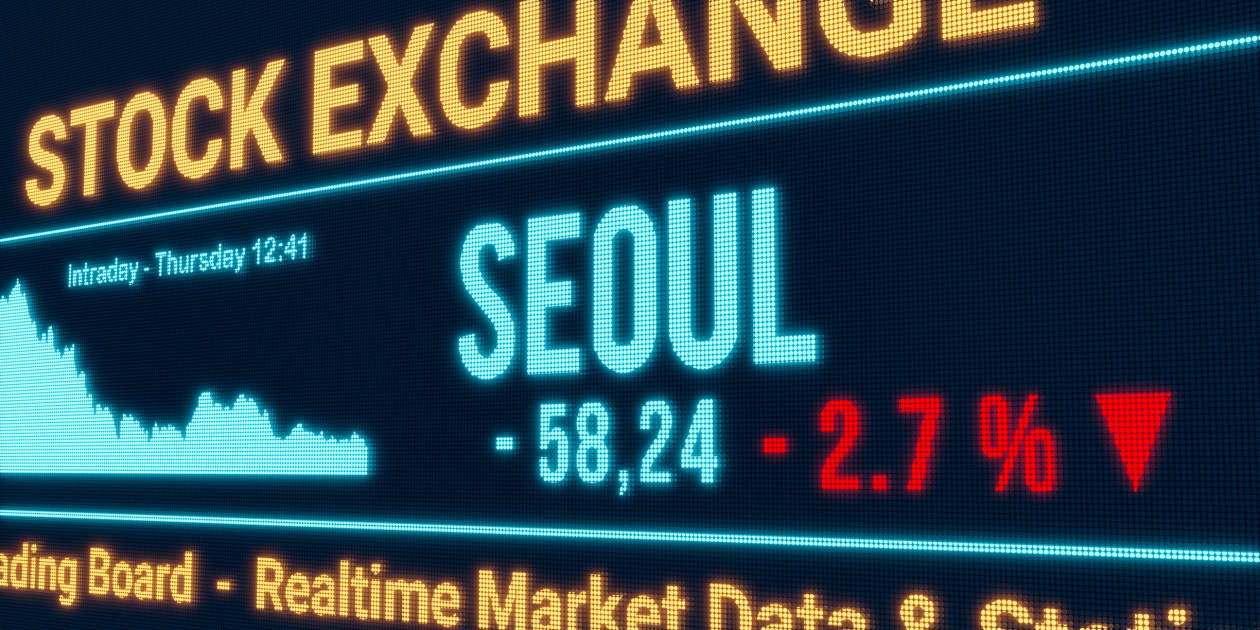
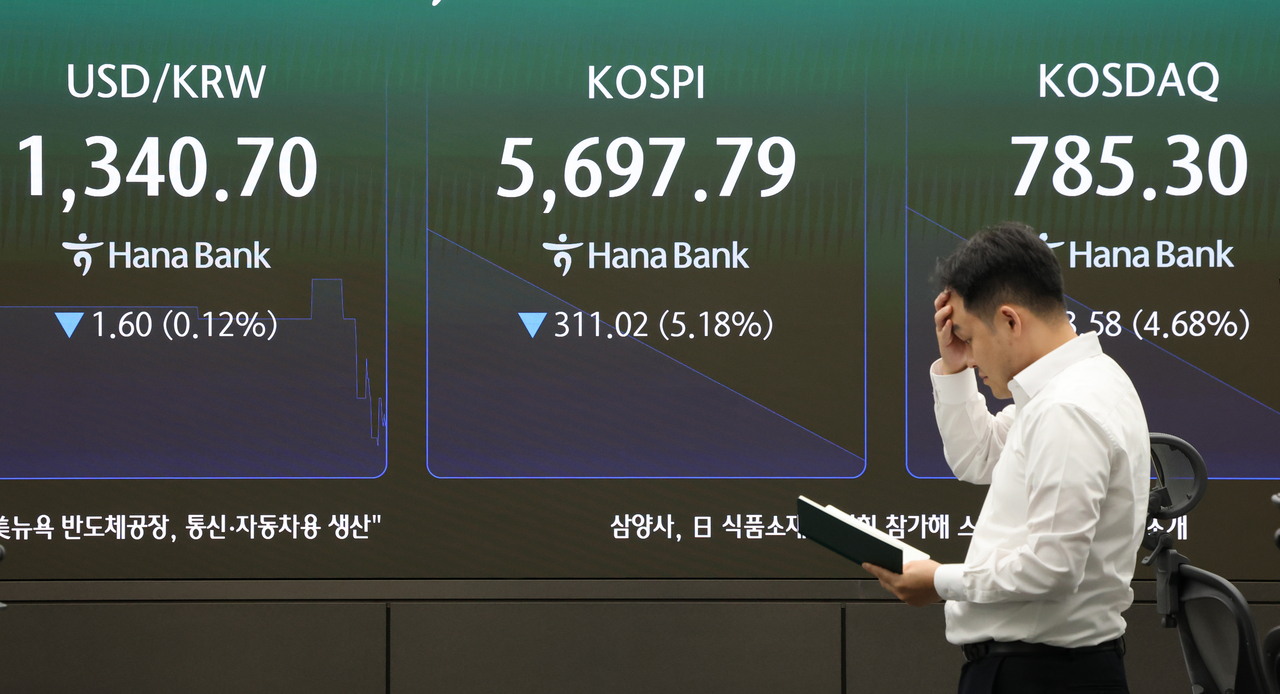
Global semiconductor markets experienced a severe collapse on October 14, 2026, with South Korea's KOSPI index plummeting 8.02% and major chip manufacturers including Samsung (down 8%), SK Hynix (down 10%), Nvidia (down 3.16%), and Intel facing double-digit losses. The catalyst was hotter-than-expected U.S. inflation data showing 3.7% year-on-year growth in September, triggering Federal Reserve rate hike expectations and a cascading sell-off across technology stocks globally. The Nasdaq fell nearly 2%, while Asian markets experienced severe contagion—Japan's Nikkei 225 declined 5.23% and Hong Kong's Hang Seng fell 1.12%.
For cross-border e-commerce sellers, this represents an immediate supply chain crisis with multifaceted operational impacts. Electronics and tech-enabled product sellers face critical inventory cost volatility as semiconductor pricing becomes unpredictable. Sellers sourcing from South Korea, Taiwan (TSMC), and China—which collectively represent 70%+ of global chip manufacturing—now face potential production delays and price escalations. The news specifically warns of foundry capacity constraints, with ASML unable to fully meet 2027 demand for advanced chip-making equipment, suggesting semiconductor shortages will persist through Q1-Q2 2027. Currency fluctuations from regional market turmoil directly impact pricing strategies for sellers operating across Asian markets; the KOSPI's 8% decline signals KRW weakness that could increase sourcing costs for sellers importing from South Korea by 5-8% in the short term.
The broader market uncertainty is already influencing consumer spending patterns, particularly in discretionary electronics categories. CoreWeave's 15% stock decline highlights investor anxiety about AI infrastructure debt sustainability, which cascades to cloud-dependent logistics optimization platforms that e-commerce sellers rely on for inventory management and fulfillment routing. Sellers dependent on cloud infrastructure for real-time inventory tracking, dynamic pricing, and logistics optimization may face service cost increases as cloud providers adjust pricing to reflect higher capital costs. The interconnected nature of semiconductor supply chains means weakness in memory chips and foundry services will cascade across the entire technology sector, directly affecting sellers of smartphones, laptops, IoT devices, smart home products, and any electronics with embedded processors.
Immediate seller actions are critical. Sellers should lock in component pricing with suppliers within the next 7-14 days before further cost escalations occur. Review inventory levels for electronics and tech-enabled products—consider reducing SKU counts in low-velocity items to free up capital. Diversify sourcing away from South Korea and Taiwan toward alternative suppliers in Vietnam, Malaysia, or India where possible. For sellers with Asian market exposure, implement currency hedging strategies immediately to protect margins against KRW and TWD weakness. Monitor TSMC's earnings report (expected Thursday per the news) and ASML's 2027 guidance closely; any further negative guidance will trigger additional price increases within 2-4 weeks.
Questions 8
How long will this semiconductor crisis impact e-commerce sellers?
Based on the news indicating ASML cannot fully meet 2027 chip-making equipment demand, expect supply constraints and elevated pricing through Q2-Q3 2027 (9-15 months from October 2026). The 2021-2022 semiconductor shortage lasted 18-24 months, but this crisis appears more contained to memory chips and advanced foundry services. Sellers should plan for elevated costs through mid-2027, with potential normalization in Q3-Q4 2027. Short-term (0-3 months): lock in pricing and diversify suppliers. Medium-term (3-9 months): reduce inventory exposure and shift to lower-cost alternatives. Long-term (9-15 months): monitor ASML and TSMC capacity additions for normalization signals.
Will cloud-based logistics platforms increase prices due to the CoreWeave decline?
CoreWeave's 15% stock decline reflects investor anxiety about AI infrastructure debt sustainability, which cascades to all cloud infrastructure providers. Expect 5-10% price increases for cloud-based logistics optimization, inventory management, and dynamic pricing tools within 60-90 days. Sellers using Flexport, Shippo, or similar cloud platforms should lock in annual contracts now before price increases take effect. If you're on month-to-month pricing, expect 8-12% cost increases at renewal. Consider hybrid approaches: use cloud tools for high-complexity operations (multi-channel inventory sync) and spreadsheet-based systems for routine tasks to reduce cloud dependency and costs.