





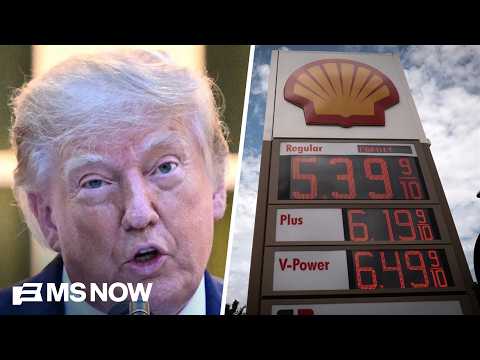
Strait of Hormuz Shipping Crisis Triggers 5-15% Logistics Cost Surge for Cross-Border E-Commerce Sellers
- Geopolitical escalation in Persian Gulf threatens 20-30% of global seaborne oil trade; Brent crude retreats to $104/barrel amid competing market forces; sellers face 2-4 week cost impact window on air/ocean freight



















Overview
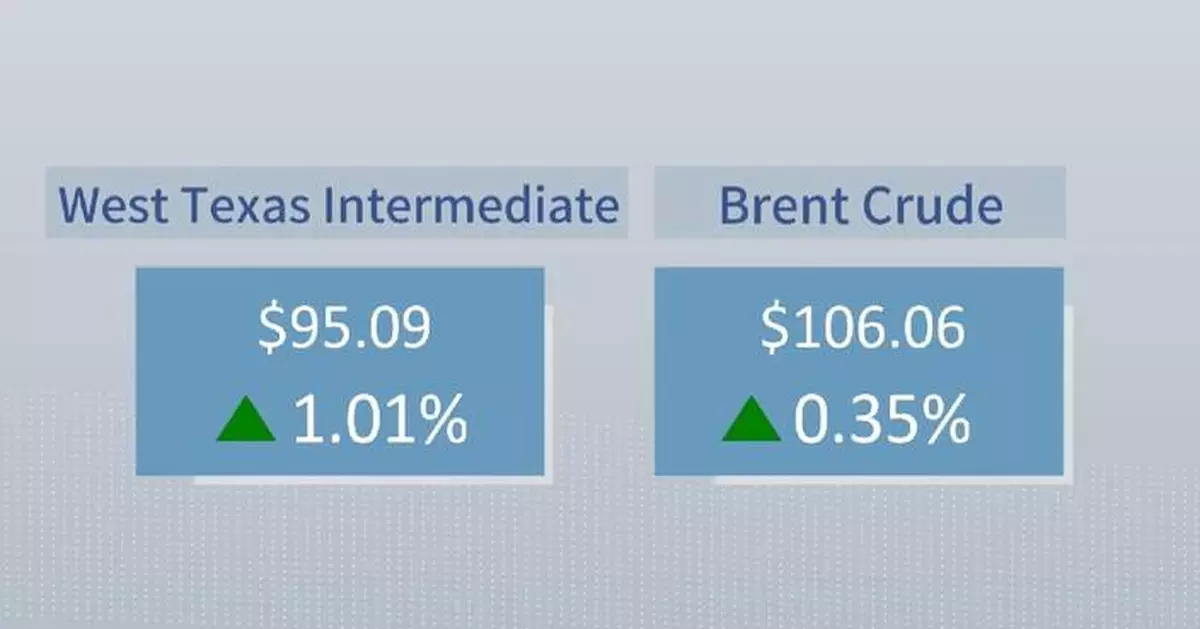
Middle East geopolitical tensions are creating immediate logistics cost pressures for cross-border e-commerce sellers, with the Strait of Hormuz—handling 20-30% of global seaborne oil trade—facing unprecedented supply disruption risks. As of October 15, 2026, Brent crude retreated below $104 per barrel while U.S. West Texas Intermediate fell to $94.05, reflecting competing market forces: geopolitical risk premiums supporting prices versus macroeconomic headwinds driving broader asset selloffs. Iran-backed Houthi rebels intensified strikes against Saudi Arabia throughout October 2026, while Iran escalated attacks on commercial shipping in the Strait of Hormuz, creating persistent supply disruption risks affecting approximately 21% of global petroleum flows. A Singapore-registered vessel was sunk in the critical chokepoint, raising concerns about prolonged Middle East conflict and potential supply disruptions extending into 2025.
For cross-border e-commerce sellers, the operational impact is immediate and quantifiable. Rising crude prices increase fuel surcharges on international freight, raising fulfillment costs for sellers using air and ocean shipping. Historically, similar Middle East tensions have caused 5-15% temporary increases in shipping costs, with rising energy costs typically increasing operational expenses across supply chains within 2-4 weeks. Sellers relying on time-sensitive shipments from Asia to North America or Europe face elevated uncertainty regarding delivery costs and timelines. The impact varies significantly by product category and shipping method—heavy goods and long-distance routes experience greater cost increases, while perishable goods, electronics, and time-sensitive inventory requiring expedited shipping methods face the most acute pressure. The International Energy Agency's October report warned that diesel market constraints could persist into 2025, with fresh attacks on Saudi Arabian infrastructure threatening to disrupt supply recovery.
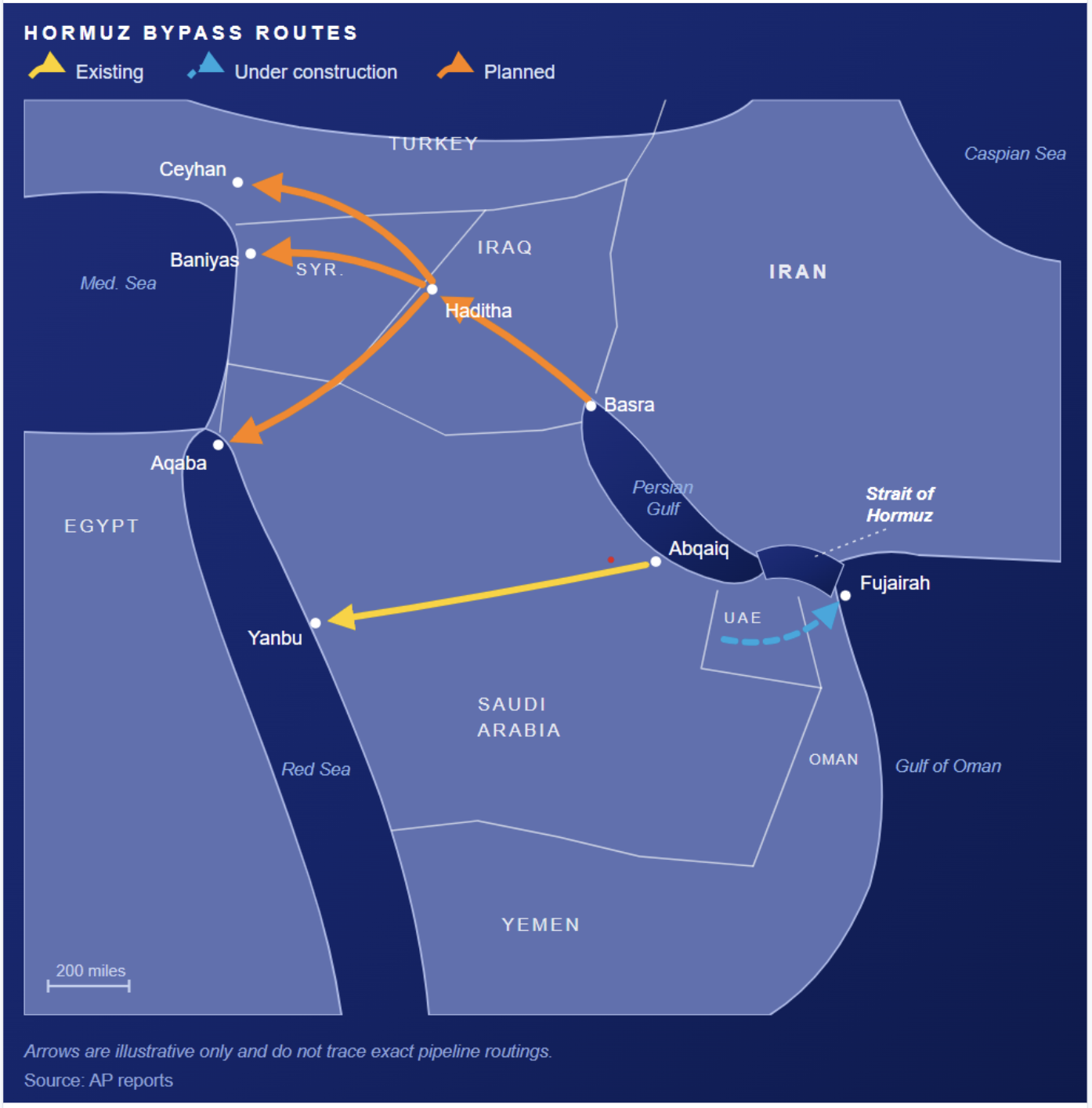
However, structural supply flexibility is currently containing price volatility. Saudi crude continues reaching international markets through alternative routes, and IEA member nations have accelerated emergency strategic petroleum reserve releases. The Trump administration is reportedly considering easing sanctions on shadow fleet vessels transporting Russian oil and petroleum products to help moderate prices. This creates a temporary pricing window where sellers can lock in current rates before potential escalation. Market participants are balancing elevated geopolitical tensions against structural supply flexibility and coordinated government interventions, resulting in measured price movements rather than sharp spikes despite significant regional instability. Energy analysts expect continued volatility as Middle East tensions persist alongside global economic uncertainty, with limited U.S.-Iran diplomatic progress offering little prospect for immediate waterway reopening.
Sellers should immediately monitor crude oil futures and shipping indices closely, as sustained supply disruptions could trigger significant cost increases within weeks. The current market retreat may provide temporary relief on shipping rates, though geopolitical risks suggest prices could spike rapidly if supply disruptions materialize. Supply chain diversification and advance booking of shipments may help mitigate exposure to sudden cost increases. Sellers managing quarterly expense forecasts face planning challenges due to energy price volatility, making real-time monitoring of both regional developments and macroeconomic indicators essential for maintaining margins.
Questions 7
What is the current status of oil prices and market outlook for sellers?
As of October 15, 2026, Brent crude retreated below $104/barrel (December futures at $104.31) while U.S. West Texas Intermediate fell to $94.05, reflecting competing market forces: geopolitical risk premiums supporting prices versus macroeconomic headwinds driving broader asset selloffs. The International Energy Agency's October report warned that diesel market constraints could persist into 2025, with fresh attacks on Saudi Arabian infrastructure threatening to disrupt supply recovery. However, structural supply flexibility is currently containing price volatility through alternative routes and strategic petroleum reserve releases. Energy analysts expect continued volatility, making real-time monitoring essential for sellers managing shipping expenses and quarterly forecasts.
Should sellers lock in shipping rates now or wait for prices to stabilize?
Sellers should advance-book shipments immediately to lock in current rates before potential escalation, as the current market retreat may provide temporary relief on shipping rates. However, geopolitical risks suggest prices could spike rapidly if supply disruptions materialize, with limited U.S.-Iran diplomatic progress offering little prospect for immediate waterway reopening. The International Energy Agency warns that diesel market constraints could persist into 2025, suggesting sustained cost pressures. Sellers with time-sensitive shipments from Asia to North America or Europe face elevated uncertainty regarding delivery costs and timelines, making advance booking a prudent risk mitigation strategy despite current price retreats.