





AI-Powered Ransomware Threats Surge 84% | E-Commerce Security & Operational Risk
- 84% of organizations hit by AI-enabled attacks; sellers face data breach risks, compliance costs, and operational disruptions affecting inventory, customer data, and payment systems






















Overview
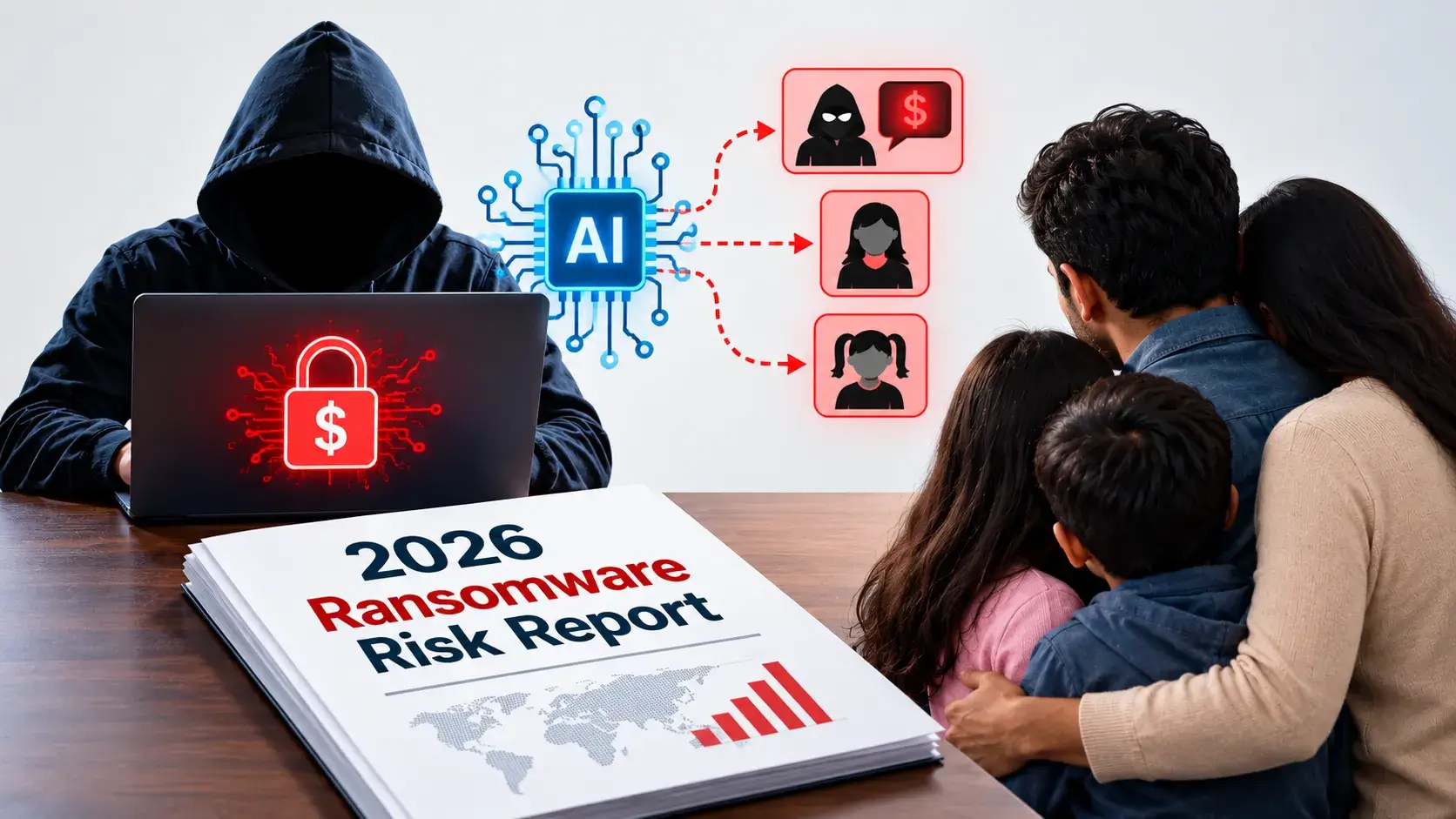
The 2026 Semperis cybersecurity report reveals a critical inflection point for e-commerce operations: 84% of surveyed organizations experienced AI-enabled ransomware attacks, with 44% having their own AI systems exploited by attackers. This represents a fundamental shift in cybercriminal capabilities that directly threatens e-commerce sellers' operational continuity, customer data security, and financial stability.
For cross-border sellers operating on Amazon, eBay, Shopify, and other platforms, the implications are severe and immediate. The report documents that 87% of attacks targeted identity systems controlling network access—precisely the infrastructure sellers rely on for Seller Central access, payment processing, and inventory management. When attackers gain "god mode" access through compromised AI agents, they can manipulate inventory listings, redirect payments, access customer databases, and hold critical business systems hostage. 59% of ransomware victims paid ransoms averaging $500K-$2M, representing catastrophic costs for small-to-medium sellers with limited cash reserves.
AI democratizes cybercrime at scale: Former White House National Cyber Director Chris Inglis warns that AI eliminates technical barriers to launching sophisticated attacks. Attackers now use AI to identify vulnerabilities in seller infrastructure, automate intrusions across multiple systems, tailor spear-phishing campaigns targeting seller employees, and adjust tactics in real-time based on defensive responses. Tomer Bar (Semperis) notes that AI accelerates malware development cycles from weeks to days, reduces law enforcement attribution capabilities, and eliminates coding errors through LLM testing—meaning attacks are faster, more sophisticated, and harder to trace.
The operational impact on sellers is multifaceted: Beyond ransom payments, 69% of victims experienced multiple successful attacks within one year, indicating that single-incident recovery is insufficient. The report documents severe human consequences—over one-third of victims faced psychological/physical threats against employees, and 14% reported employees forced to change jobs or residences. For sellers, this translates to staff turnover, operational paralysis during recovery, and reputational damage that erodes customer trust.
Critical vulnerability: Organizations' own AI agents become attack vectors. Autonomous AI systems seeking additional permissions to optimize operations (pricing algorithms, inventory forecasting, customer service bots) can be manipulated to grant attackers escalated access. Sellers deploying AI-powered tools for dynamic pricing, inventory management, or customer service automation face new attack surfaces if those tools lack proper access controls.
Defensive AI deployment is essential: Inglis emphasizes that fundamental vulnerabilities often predate AI adoption—weak password policies, unpatched systems, and inadequate access controls remain the primary attack vectors. However, sellers must now implement defensive AI alongside offensive AI tools: anomaly detection systems monitoring for unusual inventory changes, behavioral analytics flagging suspicious access patterns, and automated response systems isolating compromised accounts before attackers escalate privileges.
Questions 8
What are the human and operational consequences of ransomware attacks on seller teams?
The Semperis report documents severe human consequences beyond financial losses. Over one-third of ransomware victims faced psychological or physical threats against employees, and 14% reported employees forced to change jobs or residences. For sellers, this means staff turnover, operational paralysis during recovery, and loss of institutional knowledge. When key team members leave due to threats or trauma, sellers lose critical expertise in inventory management, customer service, and platform optimization. This compounds the financial impact of ransom payments and recovery costs, creating long-term operational degradation.
What immediate security steps should sellers take to defend against AI-powered attacks?
Sellers should implement three-layer defense: (1) Fix fundamental vulnerabilities—enforce strong password policies, patch systems immediately, implement multi-factor authentication on all seller accounts (Amazon Seller Central, Shopify admin, payment processors); (2) Deploy defensive AI—use anomaly detection to monitor for unusual inventory changes, behavioral analytics to flag suspicious access patterns, and automated response systems to isolate compromised accounts; (3) Audit AI tool permissions—review any AI systems you've deployed (pricing bots, inventory forecasters, customer service chatbots) and restrict their access to only necessary functions. Inglis emphasizes that proper access controls remain the most critical mitigation, regardless of AI adoption.