


TSMC's 6-Quarter Record Earnings Streak | AI Chip Demand Reshapes Electronics Supply Chain for E-Commerce Sellers
- TSMC Q3 profit hits NT$763.1B (+2.3% above estimates); 79% of revenue from advanced chips; semiconductor supply stabilization reduces e-commerce inventory constraints since 2021















Overview
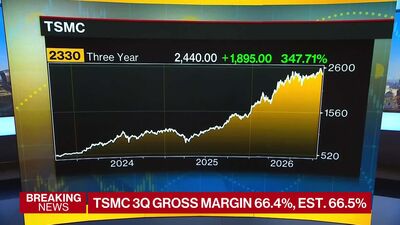
TSMC's record-breaking sixth consecutive quarter of earnings (Q3 2024: NT$763.1 billion profit, $46.36B revenue) signals a fundamental shift in semiconductor supply dynamics that directly impacts e-commerce sellers in electronics, computing, and IoT categories. The company's 58.7% operating margin—exceeding guidance ceilings—demonstrates unprecedented pricing power driven by AI infrastructure demand. Advanced technologies (7nm and above) now represent 79% of wafer revenue, with 3nm chips generating 33% of revenue share. High-performance computing dominates at 68% of platform revenue, while automotive emerges as the fastest-growing segment with 23% quarter-on-quarter growth.
For electronics-focused e-commerce sellers, this represents a critical inflection point in supply chain stability. Since 2021, semiconductor shortages have constrained inventory availability and inflated component costs for sellers offering computing devices, servers, AI-enabled products, and smart home electronics. TSMC's expanded capacity utilization and Q4 guidance ($52.3-54.3B revenue, 58% YoY growth) signal sustained semiconductor availability. However, the company's "careful customer vetting regarding financing and component availability" indicates capacity remains constrained—TSMC is prioritizing customers with strong financial positions and proven demand. This creates a two-tier market: well-capitalized sellers and established OEMs secure allocations, while smaller retailers face potential allocation delays or premium pricing.
The geopolitical dimension adds complexity to supply chain planning. TSMC's $265B Arizona investment (second fab mass production Q3 2027) and ongoing Texas expansion negotiations under the CHIPS Act represent a strategic shift toward U.S.-based manufacturing. The Terafab joint venture discussions suggest TSMC may share capacity through partnerships, potentially creating new sourcing pathways for mid-market sellers. Capital expenditure from 2026-2028 will "significantly exceed previous three-year levels," indicating TSMC expects sustained AI demand through 2028. For sellers, this means: (1) near-term supply remains tight through 2025, (2) U.S.-based sourcing options emerge in 2027, and (3) pricing power remains with TSMC and its major customers (Apple, Nvidia, AMD, Qualcomm) through 2026.
AI-powered automation opportunities emerge for sellers navigating this supply environment. Predictive analytics tools can model TSMC capacity allocation patterns based on customer tier and geopolitical factors, enabling sellers to forecast component availability 6-12 months ahead. Dynamic pricing algorithms should incorporate semiconductor cost indices—TSMC's 58.7% margin suggests component costs remain elevated despite supply improvements. Inventory optimization AI can identify which product SKUs face allocation risk versus stable supply, allowing sellers to adjust sourcing strategies by category. Competitive intelligence automation can track TSMC customer announcements and earnings calls for capacity allocation signals, providing early warning of supply shifts affecting specific product categories.
Questions 8
What is the timeline for TSMC's U.S. manufacturing expansion and how does it affect seller sourcing?
TSMC's second Arizona fabrication facility will reach mass production in Q3 2027 (ahead of schedule), with the company evaluating Texas expansion beyond its planned $265B Arizona investment. Capital expenditure from 2026-2028 will 'significantly exceed previous three-year levels,' indicating sustained investment confidence. For sellers, this creates a three-phase timeline: (1) 2024-2026: Tight supply, premium pricing, Taiwan-based sourcing dominates; (2) 2027-2028: U.S.-based capacity comes online, potential cost reductions for sellers with U.S. supply chain relationships; (3) 2029+: Diversified sourcing options reduce geopolitical risk. Sellers should begin building relationships with U.S.-based component distributors and OEMs now to position for 2027 capacity access. The Terafab joint venture discussions suggest TSMC may create partnership pathways for mid-market sellers to access capacity through collaborative arrangements.
How does TSMC's record earnings affect semiconductor availability for e-commerce sellers?
TSMC's sixth consecutive quarter of record profit (NT$763.1B in Q3 2024) signals improved semiconductor supply conditions, but availability remains constrained. The company's 79% revenue from advanced chips (7nm and above) and 58.7% operating margin indicate strong pricing power—component costs remain elevated despite supply improvements. TSMC's Q4 guidance ($52.3-54.3B revenue) projects continued growth, but the company explicitly implements 'careful customer vetting regarding financing and component availability' before capacity expansion. This means well-capitalized sellers and established OEMs secure allocations first, while smaller retailers may face allocation delays or premium pricing. Sellers should expect stable but expensive semiconductor supplies through 2025, with potential cost reductions only after 2027 when TSMC's Arizona and Texas facilities reach mass production.
How does automotive semiconductor growth (23% QoQ) create opportunities for e-commerce sellers?
Automotive emerged as TSMC's fastest-growing segment with 23% quarter-on-quarter growth, signaling strong demand for automotive-grade semiconductors used in connected vehicles, autonomous driving systems, and smart vehicle features. For e-commerce sellers, this creates indirect opportunities in adjacent categories: (1) Automotive aftermarket electronics (dash cams, GPS systems, smart charging solutions) that rely on automotive-grade semiconductors; (2) Smart home and IoT devices that use automotive-grade chips for reliability and performance; (3) Connected device accessories (smart locks, security systems, home automation) that increasingly use automotive-grade components for durability. The 23% growth rate indicates TSMC is allocating significant capacity to automotive customers, potentially creating supply constraints for consumer electronics in the near term. Sellers should monitor automotive semiconductor allocation trends—if TSMC prioritizes automotive over consumer electronics, component availability for consumer products may tighten further. Conversely, sellers with automotive aftermarket products should accelerate sourcing now before automotive demand consumes available capacity. This represents a 6-12 month window to establish automotive-adjacent product lines before supply constraints intensify.
How does TSMC's geopolitical positioning affect cross-border e-commerce sellers?
TSMC's strategic shift toward U.S.-based manufacturing (Arizona and Texas expansion under CHIPS Act) reflects geopolitical supply chain diversification amid U.S.-China tensions. For cross-border sellers, this creates both risks and opportunities: (1) Risk: Taiwan-based sourcing faces potential disruption if U.S.-China tensions escalate, making diversification critical; (2) Opportunity: U.S.-based TSMC capacity (2027+) enables sellers to establish domestic supply chains, reducing geopolitical exposure and shipping costs. The Terafab joint venture discussions suggest TSMC may create partnership pathways for sellers to access capacity through collaborative arrangements rather than direct relationships. Sellers should begin mapping supply chain dependencies now—identify which products rely on Taiwan-based semiconductors versus those that can source from U.S. facilities post-2027. Consider establishing relationships with U.S.-based component distributors and OEMs to position for 2027 capacity access. For EU-based sellers, monitor TSMC's European expansion plans; the company's $265B Arizona investment suggests U.S. prioritization over European manufacturing in the near term.
What specific actions should sellers take in the next 30-90 days to capitalize on TSMC supply stabilization?
Immediate actions (0-30 days): (1) Audit current inventory by component type and identify which products rely on TSMC-manufactured chips versus alternative suppliers; (2) Review supplier contracts and identify allocation tiers—determine if your business qualifies for TSMC's 'careful customer vetting' criteria (strong financing, proven demand); (3) Implement AI-powered demand forecasting to predict which product categories will face component shortages in Q1-Q2 2025. Medium-term actions (30-90 days): (1) Establish relationships with U.S.-based component distributors and OEMs to position for 2027 TSMC Arizona capacity access; (2) Adjust pricing strategies to incorporate 8-12% margin buffers for component cost volatility through 2026; (3) Deploy dynamic pricing AI that monitors TSMC earnings calls and capacity allocation signals, enabling 30-60 day supply forecasting. Strategic actions (90+ days): (1) Evaluate Terafab partnership opportunities if available to mid-market sellers; (2) Begin supply chain diversification planning to reduce Taiwan-based sourcing dependency; (3) Develop tiered inventory strategies that prioritize high-margin AI-enabled products while maintaining lean inventory on price-sensitive categories. Sellers who execute these actions gain 2-3 quarter competitive advantage in supply chain efficiency and margin protection.
How should sellers adjust pricing strategies given TSMC's 58.7% operating margin?
TSMC's 58.7% operating margin—exceeding its 58% guidance ceiling—demonstrates significant pricing power in the semiconductor market. This margin expansion reflects sustained AI demand outpacing production capacity, not cost reductions. For sellers, this indicates component costs will remain elevated through 2025-2026. Sellers should implement dynamic pricing strategies that incorporate semiconductor cost indices rather than assuming price reductions. Specifically: (1) monitor TSMC's quarterly earnings calls for capacity allocation signals and adjust product pricing 30-60 days ahead of supply changes, (2) implement margin protection by building 8-12% price buffers into electronics products to absorb component cost volatility, (3) prioritize high-margin product categories (AI-enabled devices, computing products) where customers accept premium pricing, and (4) consider tiered inventory strategies—stock high-margin items aggressively while maintaining lean inventory on price-sensitive categories. Sellers who fail to adjust pricing risk margin compression as component costs remain sticky through 2026.
What AI-powered tools should sellers use to optimize sourcing amid TSMC supply constraints?
Sellers should deploy three categories of AI tools: (1) Predictive analytics platforms that model TSMC capacity allocation based on customer tier, geopolitical factors, and historical patterns—enabling 6-12 month supply forecasting; (2) Dynamic pricing engines that incorporate semiconductor cost indices, TSMC margin data, and competitor pricing to optimize product margins in real-time; (3) Inventory optimization AI that identifies which SKUs face allocation risk versus stable supply, allowing category-level sourcing adjustments. Specific use cases: Use AI to analyze TSMC earnings call transcripts and customer announcements for capacity allocation signals, providing 30-60 day early warning of supply shifts. Deploy demand forecasting AI to identify which product categories will face component shortages before they occur, enabling proactive sourcing decisions. Implement competitive intelligence automation to track when competitors secure TSMC allocations or announce supply partnerships, revealing market-level supply dynamics. These tools typically deliver 15-25% improvement in inventory turnover and 5-8% margin protection through optimized sourcing timing and pricing.
Which e-commerce product categories benefit most from TSMC's supply stabilization?
High-performance computing products dominate TSMC's revenue at 68% of platform revenue, making computing devices, servers, and AI-enabled electronics the primary beneficiaries. Smartphones contribute 21% of revenue but face less supply pressure due to mature manufacturing processes. Automotive emerges as the fastest-growing segment with 23% quarter-on-quarter growth, signaling strong demand for automotive electronics and IoT devices. For e-commerce sellers, this hierarchy means: (1) computing/server products see improved availability but remain premium-priced, (2) smartphone components stabilize faster than AI accelerators, and (3) automotive-grade semiconductors (used in smart home, connected devices) represent an emerging opportunity. Sellers in IoT, smart home, and automotive electronics categories should prioritize sourcing now before automotive demand accelerates further.
What is the timeline for TSMC's U.S. manufacturing expansion and how does it affect seller sourcing?
TSMC's second Arizona fabrication facility will reach mass production in Q3 2027 (ahead of schedule), with the company evaluating Texas expansion beyond its planned $265B Arizona investment. Capital expenditure from 2026-2028 will 'significantly exceed previous three-year levels,' indicating sustained investment confidence. For sellers, this creates a three-phase timeline: (1) 2024-2026: Tight supply, premium pricing, Taiwan-based sourcing dominates; (2) 2027-2028: U.S.-based capacity comes online, potential cost reductions for sellers with U.S. supply chain relationships; (3) 2029+: Diversified sourcing options reduce geopolitical risk. Sellers should begin building relationships with U.S.-based component distributors and OEMs now to position for 2027 capacity access. The Terafab joint venture discussions suggest TSMC may create partnership pathways for mid-market sellers to access capacity through collaborative arrangements.
How does TSMC's record earnings affect semiconductor availability for e-commerce sellers?
TSMC's sixth consecutive quarter of record profit (NT$763.1B in Q3 2024) signals improved semiconductor supply conditions, but availability remains constrained. The company's 79% revenue from advanced chips (7nm and above) and 58.7% operating margin indicate strong pricing power—component costs remain elevated despite supply improvements. TSMC's Q4 guidance ($52.3-54.3B revenue) projects continued growth, but the company explicitly implements 'careful customer vetting regarding financing and component availability' before capacity expansion. This means well-capitalized sellers and established OEMs secure allocations first, while smaller retailers may face allocation delays or premium pricing. Sellers should expect stable but expensive semiconductor supplies through 2025, with potential cost reductions only after 2027 when TSMC's Arizona and Texas facilities reach mass production.
How does automotive semiconductor growth (23% QoQ) create opportunities for e-commerce sellers?
Automotive emerged as TSMC's fastest-growing segment with 23% quarter-on-quarter growth, signaling strong demand for automotive-grade semiconductors used in connected vehicles, autonomous driving systems, and smart vehicle features. For e-commerce sellers, this creates indirect opportunities in adjacent categories: (1) Automotive aftermarket electronics (dash cams, GPS systems, smart charging solutions) that rely on automotive-grade semiconductors; (2) Smart home and IoT devices that use automotive-grade chips for reliability and performance; (3) Connected device accessories (smart locks, security systems, home automation) that increasingly use automotive-grade components for durability. The 23% growth rate indicates TSMC is allocating significant capacity to automotive customers, potentially creating supply constraints for consumer electronics in the near term. Sellers should monitor automotive semiconductor allocation trends—if TSMC prioritizes automotive over consumer electronics, component availability for consumer products may tighten further. Conversely, sellers with automotive aftermarket products should accelerate sourcing now before automotive demand consumes available capacity. This represents a 6-12 month window to establish automotive-adjacent product lines before supply constraints intensify.
How does TSMC's geopolitical positioning affect cross-border e-commerce sellers?
TSMC's strategic shift toward U.S.-based manufacturing (Arizona and Texas expansion under CHIPS Act) reflects geopolitical supply chain diversification amid U.S.-China tensions. For cross-border sellers, this creates both risks and opportunities: (1) Risk: Taiwan-based sourcing faces potential disruption if U.S.-China tensions escalate, making diversification critical; (2) Opportunity: U.S.-based TSMC capacity (2027+) enables sellers to establish domestic supply chains, reducing geopolitical exposure and shipping costs. The Terafab joint venture discussions suggest TSMC may create partnership pathways for sellers to access capacity through collaborative arrangements rather than direct relationships. Sellers should begin mapping supply chain dependencies now—identify which products rely on Taiwan-based semiconductors versus those that can source from U.S. facilities post-2027. Consider establishing relationships with U.S.-based component distributors and OEMs to position for 2027 capacity access. For EU-based sellers, monitor TSMC's European expansion plans; the company's $265B Arizona investment suggests U.S. prioritization over European manufacturing in the near term.
What specific actions should sellers take in the next 30-90 days to capitalize on TSMC supply stabilization?
Immediate actions (0-30 days): (1) Audit current inventory by component type and identify which products rely on TSMC-manufactured chips versus alternative suppliers; (2) Review supplier contracts and identify allocation tiers—determine if your business qualifies for TSMC's 'careful customer vetting' criteria (strong financing, proven demand); (3) Implement AI-powered demand forecasting to predict which product categories will face component shortages in Q1-Q2 2025. Medium-term actions (30-90 days): (1) Establish relationships with U.S.-based component distributors and OEMs to position for 2027 TSMC Arizona capacity access; (2) Adjust pricing strategies to incorporate 8-12% margin buffers for component cost volatility through 2026; (3) Deploy dynamic pricing AI that monitors TSMC earnings calls and capacity allocation signals, enabling 30-60 day supply forecasting. Strategic actions (90+ days): (1) Evaluate Terafab partnership opportunities if available to mid-market sellers; (2) Begin supply chain diversification planning to reduce Taiwan-based sourcing dependency; (3) Develop tiered inventory strategies that prioritize high-margin AI-enabled products while maintaining lean inventory on price-sensitive categories. Sellers who execute these actions gain 2-3 quarter competitive advantage in supply chain efficiency and margin protection.
How should sellers adjust pricing strategies given TSMC's 58.7% operating margin?
TSMC's 58.7% operating margin—exceeding its 58% guidance ceiling—demonstrates significant pricing power in the semiconductor market. This margin expansion reflects sustained AI demand outpacing production capacity, not cost reductions. For sellers, this indicates component costs will remain elevated through 2025-2026. Sellers should implement dynamic pricing strategies that incorporate semiconductor cost indices rather than assuming price reductions. Specifically: (1) monitor TSMC's quarterly earnings calls for capacity allocation signals and adjust product pricing 30-60 days ahead of supply changes, (2) implement margin protection by building 8-12% price buffers into electronics products to absorb component cost volatility, (3) prioritize high-margin product categories (AI-enabled devices, computing products) where customers accept premium pricing, and (4) consider tiered inventory strategies—stock high-margin items aggressively while maintaining lean inventory on price-sensitive categories. Sellers who fail to adjust pricing risk margin compression as component costs remain sticky through 2026.
What AI-powered tools should sellers use to optimize sourcing amid TSMC supply constraints?
Sellers should deploy three categories of AI tools: (1) Predictive analytics platforms that model TSMC capacity allocation based on customer tier, geopolitical factors, and historical patterns—enabling 6-12 month supply forecasting; (2) Dynamic pricing engines that incorporate semiconductor cost indices, TSMC margin data, and competitor pricing to optimize product margins in real-time; (3) Inventory optimization AI that identifies which SKUs face allocation risk versus stable supply, allowing category-level sourcing adjustments. Specific use cases: Use AI to analyze TSMC earnings call transcripts and customer announcements for capacity allocation signals, providing 30-60 day early warning of supply shifts. Deploy demand forecasting AI to identify which product categories will face component shortages before they occur, enabling proactive sourcing decisions. Implement competitive intelligence automation to track when competitors secure TSMC allocations or announce supply partnerships, revealing market-level supply dynamics. These tools typically deliver 15-25% improvement in inventory turnover and 5-8% margin protection through optimized sourcing timing and pricing.
Which e-commerce product categories benefit most from TSMC's supply stabilization?
High-performance computing products dominate TSMC's revenue at 68% of platform revenue, making computing devices, servers, and AI-enabled electronics the primary beneficiaries. Smartphones contribute 21% of revenue but face less supply pressure due to mature manufacturing processes. Automotive emerges as the fastest-growing segment with 23% quarter-on-quarter growth, signaling strong demand for automotive electronics and IoT devices. For e-commerce sellers, this hierarchy means: (1) computing/server products see improved availability but remain premium-priced, (2) smartphone components stabilize faster than AI accelerators, and (3) automotive-grade semiconductors (used in smart home, connected devices) represent an emerging opportunity. Sellers in IoT, smart home, and automotive electronics categories should prioritize sourcing now before automotive demand accelerates further.
What is the timeline for TSMC's U.S. manufacturing expansion and how does it affect seller sourcing?
TSMC's second Arizona fabrication facility will reach mass production in Q3 2027 (ahead of schedule), with the company evaluating Texas expansion beyond its planned $265B Arizona investment. Capital expenditure from 2026-2028 will 'significantly exceed previous three-year levels,' indicating sustained investment confidence. For sellers, this creates a three-phase timeline: (1) 2024-2026: Tight supply, premium pricing, Taiwan-based sourcing dominates; (2) 2027-2028: U.S.-based capacity comes online, potential cost reductions for sellers with U.S. supply chain relationships; (3) 2029+: Diversified sourcing options reduce geopolitical risk. Sellers should begin building relationships with U.S.-based component distributors and OEMs now to position for 2027 capacity access. The Terafab joint venture discussions suggest TSMC may create partnership pathways for mid-market sellers to access capacity through collaborative arrangements.
How does TSMC's record earnings affect semiconductor availability for e-commerce sellers?
TSMC's sixth consecutive quarter of record profit (NT$763.1B in Q3 2024) signals improved semiconductor supply conditions, but availability remains constrained. The company's 79% revenue from advanced chips (7nm and above) and 58.7% operating margin indicate strong pricing power—component costs remain elevated despite supply improvements. TSMC's Q4 guidance ($52.3-54.3B revenue) projects continued growth, but the company explicitly implements 'careful customer vetting regarding financing and component availability' before capacity expansion. This means well-capitalized sellers and established OEMs secure allocations first, while smaller retailers may face allocation delays or premium pricing. Sellers should expect stable but expensive semiconductor supplies through 2025, with potential cost reductions only after 2027 when TSMC's Arizona and Texas facilities reach mass production.