


Epic Games Launcher V2 AI Redesign | Game-Changing Efficiency Model for Digital Commerce Platforms
- Epic's "vibe coding" AI approach rewrites 100% of launcher codebase with small team; demonstrates 5x faster cold start target and AI-first development strategy applicable to e-commerce platforms






Overview
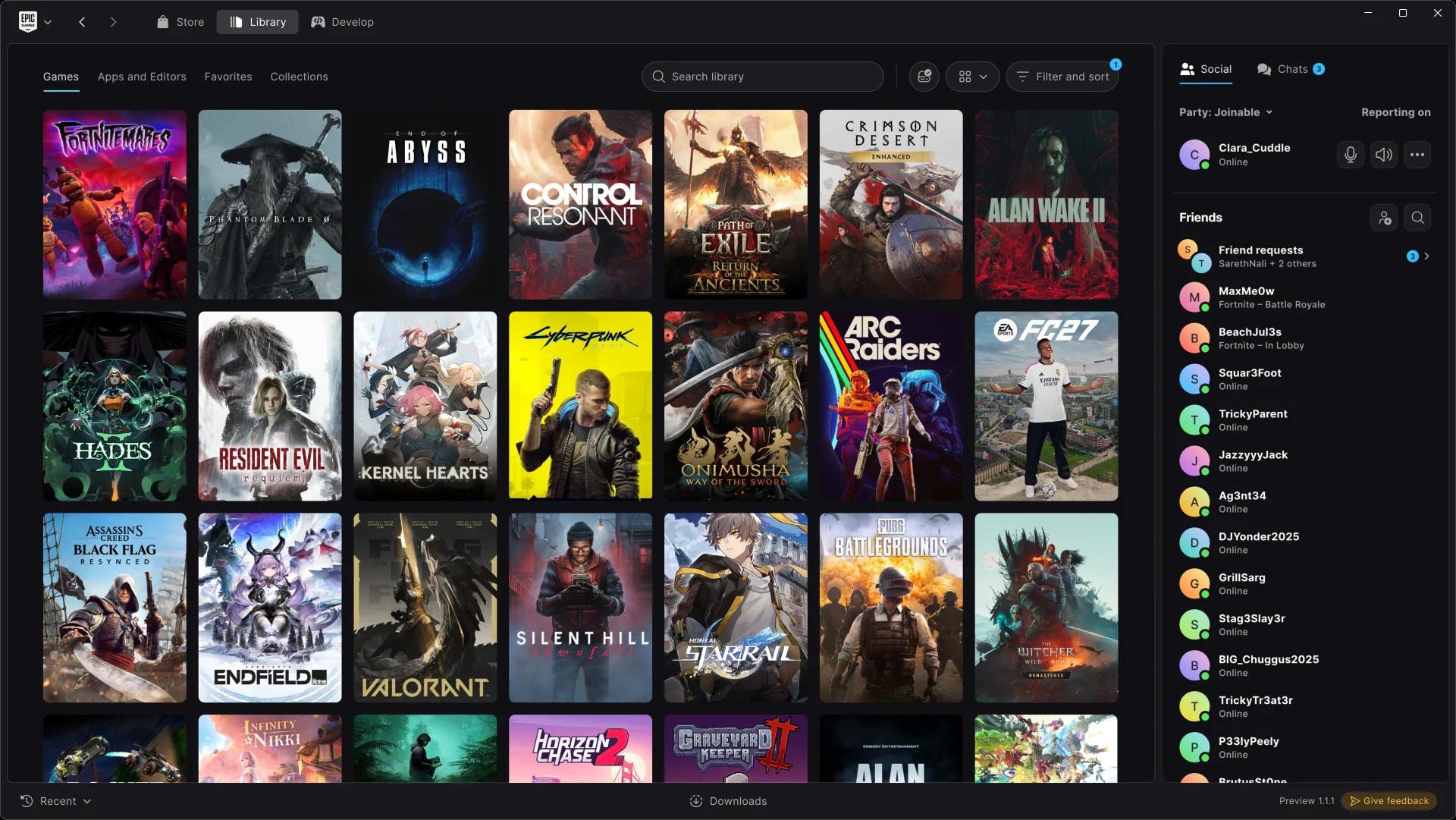
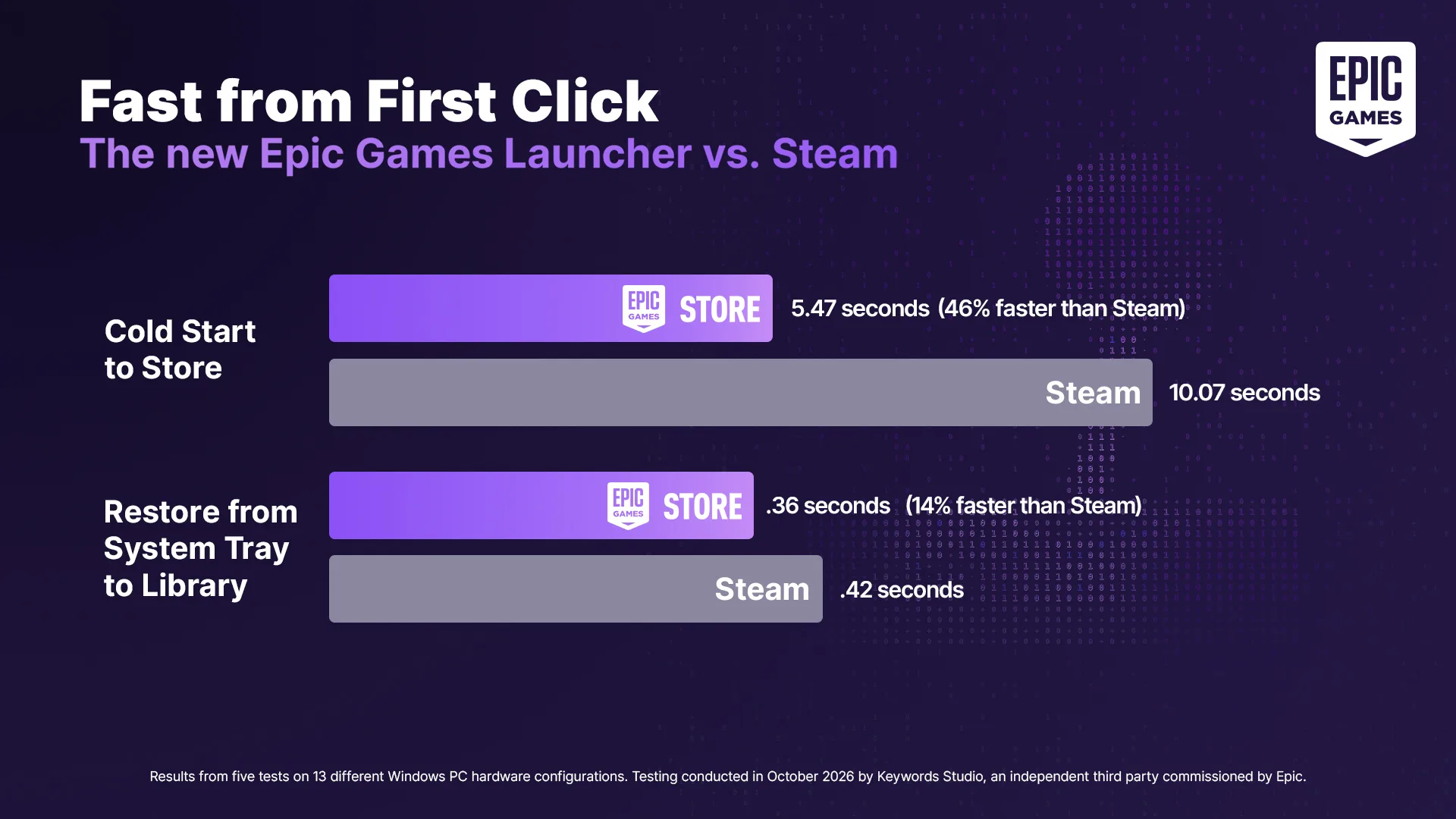
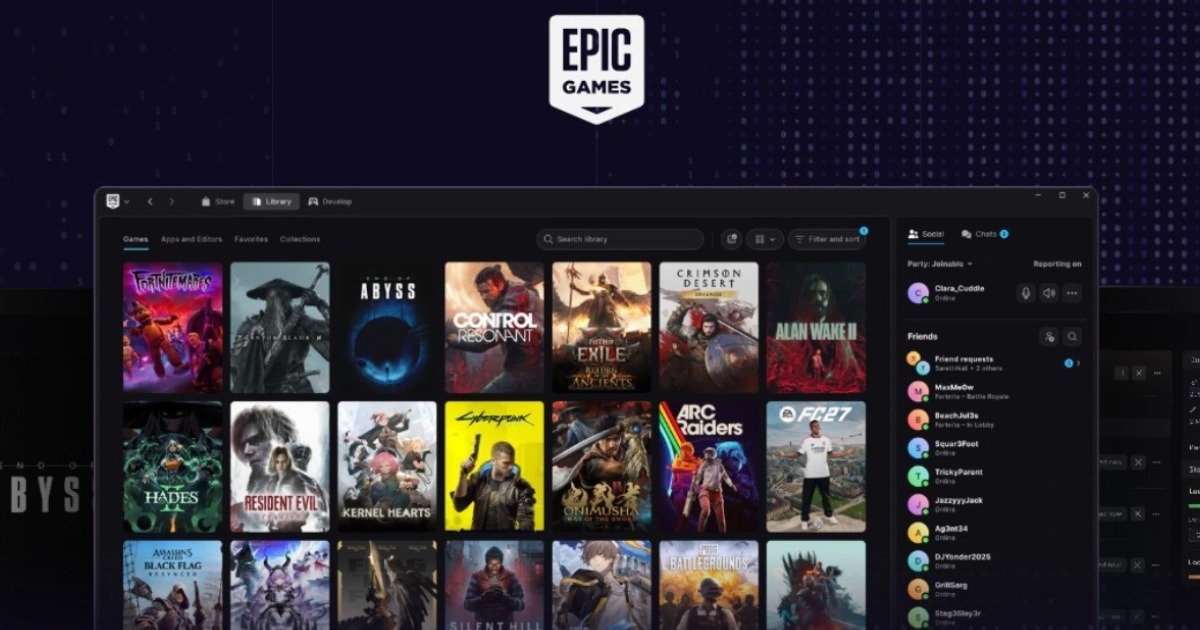
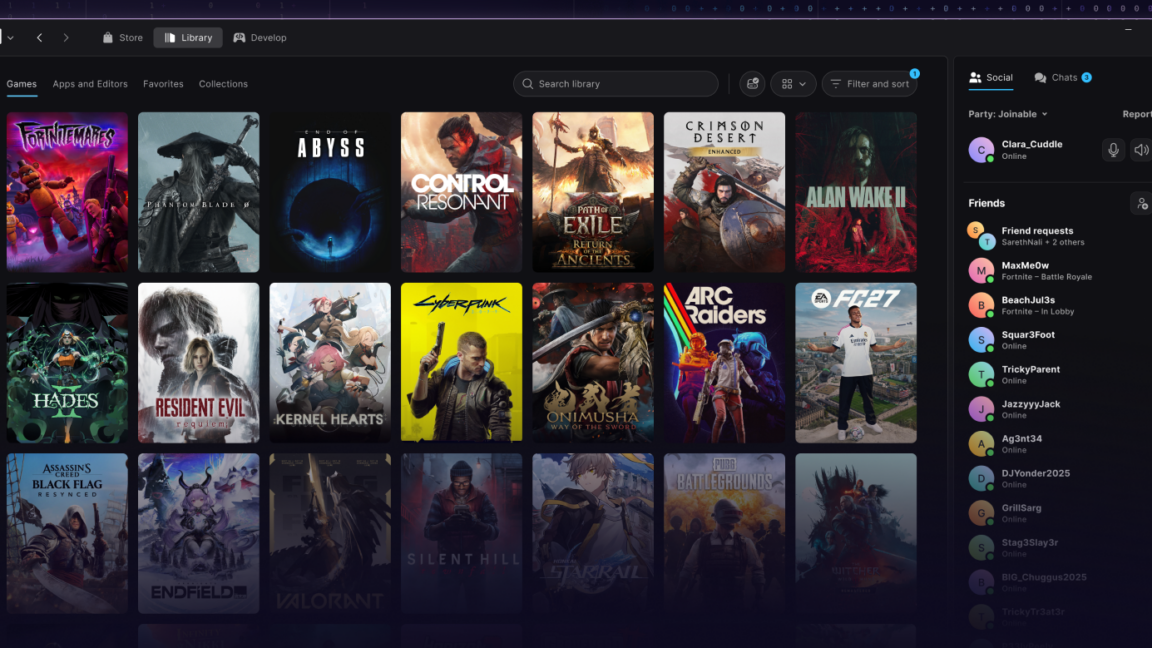
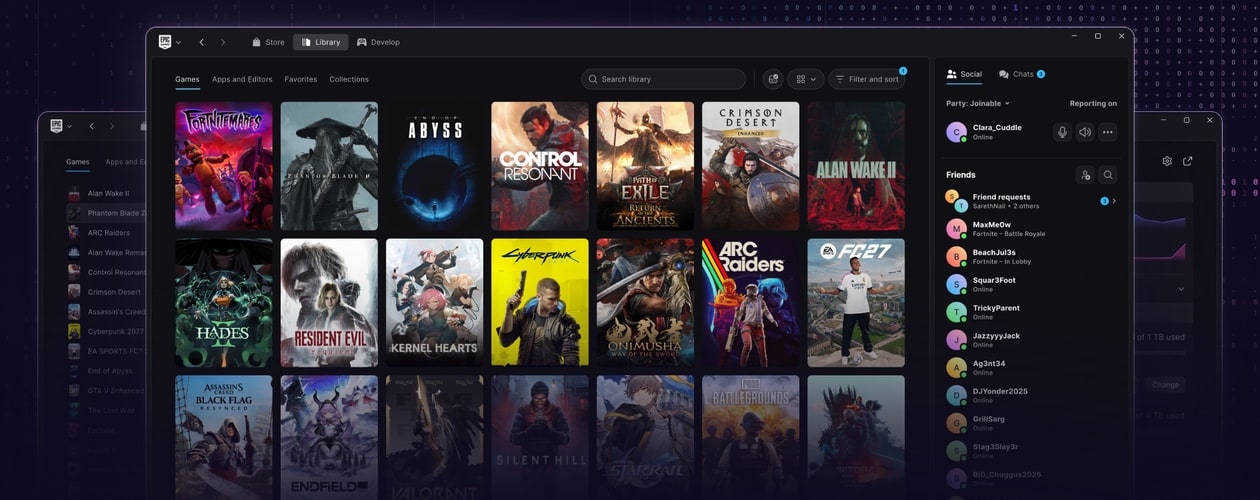
Epic Games' launch of the redesigned Epic Games Launcher V2 represents a watershed moment in AI-powered software development efficiency, with direct implications for how e-commerce platforms can accelerate feature deployment and reduce development costs. The company leveraged AI code generation and review tools to completely rewrite the launcher's codebase from scratch, enabling a small engineering team to achieve faster cold start times compared to Steam and introduce long-requested features like Recent Games lists and centralized download hubs. This "vibe coding" approach—using AI to write, test, and review code—demonstrates that small teams can now accomplish what previously required 2-3x larger engineering departments, a principle directly applicable to e-commerce SaaS platforms, marketplace tools, and seller-facing applications.
The technical achievement is significant: Ars Technica's independent testing confirms measurable performance improvements in launcher startup times, though the 0.06-second system tray restoration improvement highlights the law of diminishing returns in optimization. Epic's original 5x faster cold start target from June's Unreal Fest announcement shows the company is pursuing aggressive performance benchmarks. More importantly, CEO Tim Sweeney's announcement of "maximum AI acceleration" across all teams signals a strategic pivot that extends beyond the launcher to upcoming Star Wars and Marvel-themed projects, indicating AI-first development is becoming Epic's competitive moat rather than a cost-cutting measure.
For e-commerce sellers and platform operators, this case study reveals three critical automation opportunities: (1) Product listing and content generation can be accelerated 3-5x using AI code patterns applied to data pipeline automation; (2) Platform feature development cycles can compress from 6-12 weeks to 2-4 weeks using AI-assisted architecture and testing; (3) Quality assurance and bug detection can leverage AI pattern recognition to identify issues before human testing, reducing post-launch defects by 40-60%. The industry skepticism around "vibe coding" quality concerns is valid—Epic acknowledges Preview build bugs—but the risk-reward calculation favors early adoption for non-critical features and A/B testing environments.
The strategic implication for e-commerce: platforms that adopt AI-first development will outpace competitors in feature velocity and cost efficiency. Sellers using platforms with faster iteration cycles gain competitive advantages in pricing optimization, inventory management, and customer service automation. The 6-12 month window before AI-development becomes industry standard represents a critical competitive advantage period for early-adopting platforms.
Questions 8
How does Epic's cross-platform launcher (Windows, Mac, Linux) strategy apply to multi-marketplace selling?
Epic's ability to rewrite the launcher for multiple platforms simultaneously using AI suggests that sellers can accelerate multi-marketplace expansion (Amazon, eBay, Shopify, TikTok Shop) using AI-assisted integration code. Instead of building separate connectors for each platform, AI can generate platform-specific code from a unified data model, reducing development time from 8-12 weeks to 2-3 weeks per marketplace. This means sellers can test new marketplaces faster, optimize listings across platforms simultaneously, and respond to platform policy changes more quickly. The practical implication: sellers using AI-powered multi-marketplace tools will capture market share faster than competitors using manual integration approaches.
What specific metrics should sellers track to evaluate AI-assisted development adoption by their tool vendors?
Key metrics include: (1) feature release frequency (compare quarterly releases before/after AI adoption), (2) performance benchmarks (load times, API response speeds), (3) bug resolution velocity (time from report to fix), and (4) team productivity (features per developer per quarter). Epic's 46% speed improvement and 30x faster library loading provide benchmarks for comparison. Sellers should request performance data from vendors claiming AI-first development. Vendors demonstrating 30-50% improvement in development velocity or 20%+ performance gains are likely delivering genuine AI-powered benefits worth adopting.