


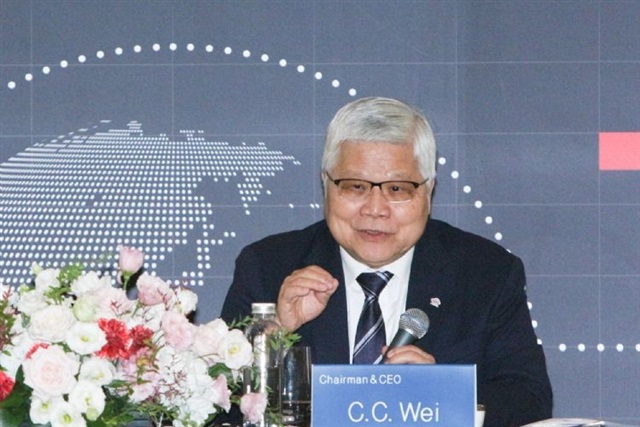

TSMC Controls 54% Global Foundry Market | AI Chip Supply Constraints Impact Electronics Sellers
- Semiconductor supply tightness sustains 6-12 month inventory delays for electronics sellers; TSMC record profits signal sustained AI infrastructure investment driving hardware costs up 8-15%











Overview
TSMC's record profitability amid "extremely robust demand" for AI chips reveals a critical supply chain reality for cross-border electronics sellers: semiconductor manufacturing capacity remains the bottleneck constraining product availability through 2025. The company's 54% global foundry market dominance means TSMC's production timelines directly determine inventory access for sellers offering computing devices, networking equipment, and AI-enabled consumer products. While TSMC reported record profits driven by unprecedented AI infrastructure investment from cloud providers and tech giants, the stock price decline signals investor concerns about demand sustainability—a warning sign for sellers planning long-term inventory strategies.
For electronics retailers, the immediate operational impact is severe supply tightness. TSMC's "extremely robust demand" indicates sustained production backlogs extending 6-12 months for advanced chips powering laptops, servers, routers, and AI accelerators. Sellers dependent on chip-based products face two compounding challenges: (1) limited inventory availability forcing longer lead times and higher carrying costs, and (2) increased component costs passed through supply chains as TSMC and downstream manufacturers optimize pricing amid capacity constraints. The disconnect between record profits and stock performance suggests market concerns about whether current AI demand levels are sustainable—creating pricing volatility that makes cost forecasting difficult for sellers planning Q1-Q2 2025 inventory purchases.
AI-powered competitive advantages emerge for sellers who automate supply chain intelligence. Sellers can deploy AI tools to monitor TSMC capacity utilization reports, analyze production timeline announcements, and predict component availability 8-12 weeks ahead of competitors. Machine learning models trained on historical TSMC earnings data and supply chain announcements can identify which product categories will face inventory constraints, enabling sellers to secure inventory early or pivot to alternative suppliers. Dynamic pricing algorithms can automatically adjust margins based on real-time component cost fluctuations, protecting profitability during supply crunches. Sellers in high-margin categories (AI-enabled devices, enterprise networking, computing peripherals) should prioritize AI-driven demand forecasting to avoid stockouts during peak selling seasons while managing excess inventory during normalization periods.
Strategic inventory positioning becomes critical as supply chain normalization approaches. The news signals that while current demand is "extremely robust," market expectations may have anticipated even higher growth—suggesting potential normalization within 6-12 months. Sellers should use AI sentiment analysis on earnings calls and analyst reports to gauge whether demand is sustainable or cyclical. Those holding excess inventory of chip-dependent products face margin compression risk if supply normalizes faster than expected. Conversely, sellers who secure inventory now at current prices can capitalize on sustained demand through mid-2025 before potential price corrections. The geopolitical risks mentioned (Taiwan semiconductor manufacturing concentration) create additional volatility—sellers should diversify supplier relationships and monitor policy developments affecting TSMC's operational capacity.
Questions 8
How should sellers adjust pricing strategy amid TSMC supply constraints and cost increases?
Implement dynamic pricing algorithms that automatically adjust margins based on real-time component cost fluctuations and inventory availability. During supply crunches, sellers can increase prices 5-12% for high-demand products while maintaining competitive positioning. Use AI cost forecasting to predict component price movements 4-8 weeks ahead, enabling proactive price adjustments before competitors. Monitor competitor pricing on Amazon and other platforms to identify pricing elasticity in your category. For sustained supply tightness, consider tiered pricing: premium pricing for fast-shipping options, standard pricing for longer lead times. This approach protects margins during supply constraints while maintaining sales velocity.
What geopolitical risks should electronics sellers monitor regarding TSMC and Taiwan semiconductor manufacturing?
The news mentions geopolitical risks affecting semiconductor manufacturing, primarily Taiwan's geopolitical position and potential supply chain disruptions. Sellers should monitor policy developments affecting TSMC's operational capacity, cross-strait relations, and potential trade restrictions. Diversify supplier relationships beyond TSMC-dependent manufacturers—consider sourcing from Samsung, Intel foundry services, or other alternatives. Maintain 2-3 month safety stock for critical components to buffer against potential disruptions. Use AI-powered geopolitical risk monitoring tools to track policy announcements, trade developments, and supply chain vulnerabilities. This proactive approach reduces exposure to sudden supply shocks that could devastate inventory-dependent sellers.