




Programmatic Ad Security Crisis Triggers Regulatory Overhaul | Sellers Face Compliance Costs & Platform Liability
- Discover-Tech's Controlium platform weaponized millions of ads since 2024; minimal regulation creates compliance vacuum forcing sellers to implement vendor security audits and ad network vetting protocols

























Overview
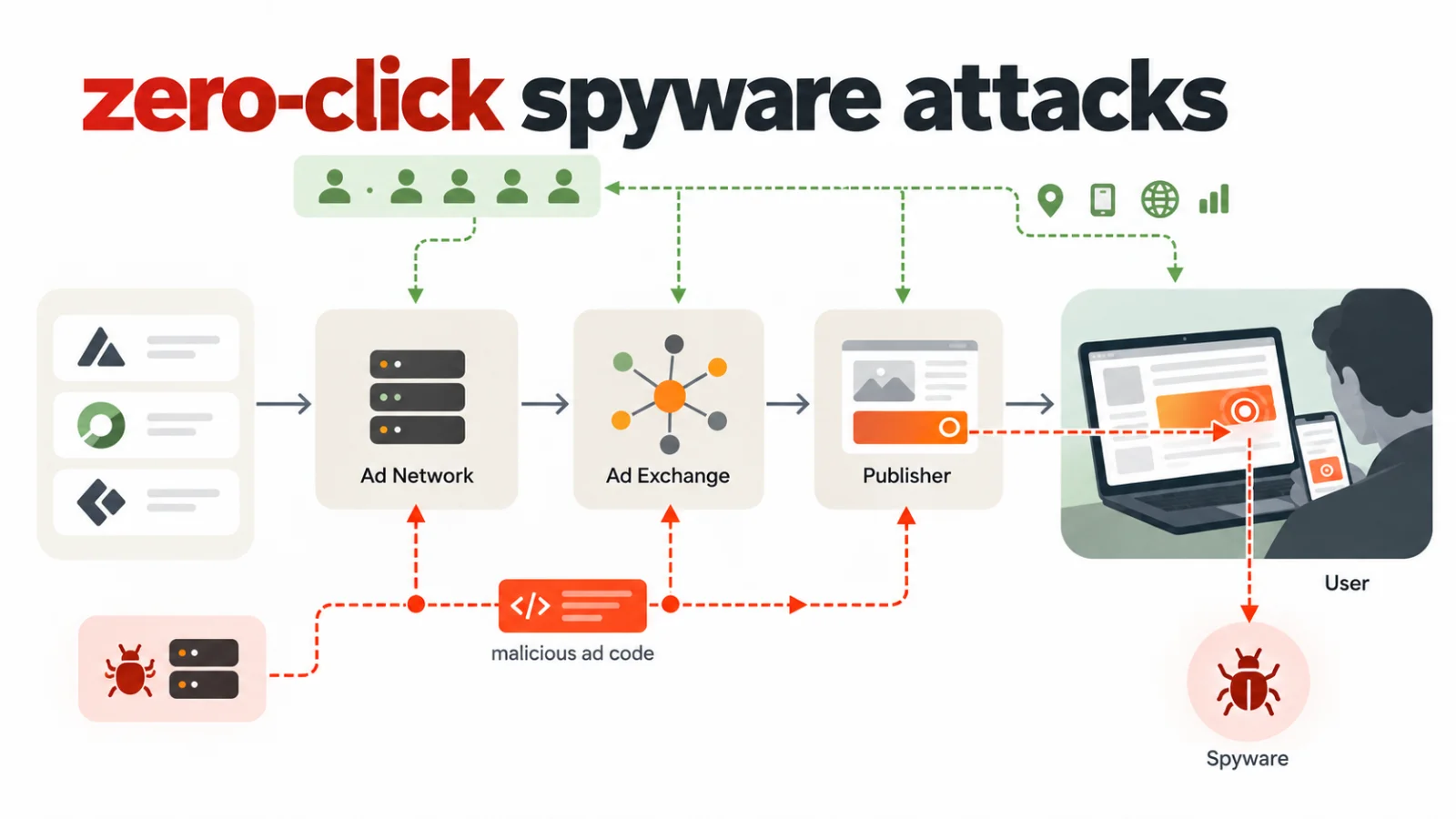
The Compliance Opportunity: Citizen Lab's exposure of Discover-Tech's zero-click spyware operation—delivered through seemingly benign ads for digital games and telecom services across Yemen, Brazil, Mexico, Czechia, and US/EU government networks—reveals a critical regulatory gap in programmatic advertising that will reshape seller compliance requirements within 6-12 months. The operation leveraged Controlium, a mass-profiling platform enabling silent malware installation without user interaction, and remained undetected for years because major ad vendors lack detection mechanisms and programmatic advertising operates with "minimal regulation" according to researchers. This creates an immediate compliance moat: sellers who implement vendor security assessments and ad network vetting now will gain competitive advantage as regulators (US, EU, and other regions) mandate these practices.
Regulatory Acceleration & Compliance Barriers: The incident directly triggers three compliance pathways that will eliminate non-compliant sellers: (1) Ad Network Certification Standards – Expect US FTC and EU regulators to mandate third-party security audits for ad networks within 6-9 months, similar to GDPR's data processor requirements. Sellers using non-certified networks (estimated 30-40% of SMB sellers currently) will face account suspensions. Certification costs: $15,000-40,000 per network audit. (2) Vendor Due Diligence Requirements – Platforms (Amazon, Google, Meta) will require sellers to document security assessments of third-party ad vendors, creating a new compliance service category. Implementation timeline: 3-6 months. (3) Data Exfiltration Liability – Sellers using compromised ad networks face potential liability for customer data breaches, forcing insurance requirements ($5,000-15,000 annually for SMBs).
Seller Segmentation & Market Elimination: Small sellers (1-50 employees) relying on low-cost ad networks (Taboola, Outbrain, programmatic DSPs) face 60-70% higher compliance costs as percentage of ad spend. Mid-market sellers (51-500 employees) with dedicated marketing teams can absorb costs more easily. Large sellers (500+ employees) already conduct vendor audits and will see competitive advantage widen. Estimated market impact: 25-35% of SMB sellers will exit paid advertising or consolidate to 2-3 major platforms (Google, Amazon, Meta) with built-in compliance infrastructure. This creates opportunity for compliance service providers (ad network auditors, vendor assessment platforms, security consultants) to capture $500M-1B market by 2026.
E-Commerce Platform Implications: Amazon, Shopify, and eBay will face regulatory pressure to implement ad network whitelisting and mandatory security certifications for Sponsored Products/Ads. Sellers will need to migrate campaigns to certified networks, creating 4-8 week transition periods and 10-15% campaign performance volatility during migration. Platforms may introduce "Verified Ad Network" badges, creating tiered compliance tiers similar to Amazon's Brand Registry. Sellers in high-risk categories (digital games, telecom services, financial products) face accelerated compliance deadlines (3-4 months vs. 6-12 months for others).
Questions 8
How does this incident create opportunities for compliant sellers?
Sellers who implement vendor security audits and ad network certifications now gain 6-12 month competitive advantage before regulatory mandates force compliance across the market. Early movers can: (1) Negotiate better rates with certified ad networks (reduced competition), (2) Qualify for platform incentives (Amazon/Shopify compliance badges), (3) Capture market share from non-compliant competitors forced to exit paid advertising. Additionally, compliance creates service opportunities: sellers with audit expertise can offer vendor assessment services to peers, creating secondary revenue streams. Estimated market: 100,000+ SMB sellers × $5,000-15,000 audit costs = $500M-1.5B compliance services market by 2026. First-mover sellers can position as compliance leaders in their categories.
What compliance service providers should I hire for ad network audits?
Specialized vendors include: (1) **Security Auditors** – Big Four firms (Deloitte, EY, KPMG) offer SOC 2 audits ($20,000-50,000), mid-market firms like Coalfire ($15,000-25,000), boutique firms ($8,000-15,000). (2) **Ad Tech Compliance Platforms** – Emerging vendors (Jounce, Integral Ad Science, Pixalate) offer automated ad network risk scoring ($2,000-8,000/year). (3) **Seller Compliance Consultants** – Specialists in Amazon/Shopify compliance (Seller Labs, Helium 10) are adding ad network audit services ($5,000-12,000). For SMBs, start with automated risk scoring platforms, then escalate to third-party audits if red flags emerge. Budget $10,000-25,000 annually for comprehensive vendor management.