



Rare Earth Supply Crisis Reshapes Electronics Sourcing | Critical Impact for Tech Sellers 2026-2030
- China controls 90% of rare-earth refining; Western monazite extraction threatens 15-25% cost increases for electronics/battery sellers; October 2025 export controls signal tariff/compliance risks ahead









Overview
China's 90% dominance in rare-earth oxide and rare-earth metal markets represents the most critical supply chain vulnerability for cross-border electronics sellers in 2026. According to Foreign Policy and IEEE Spectrum analysis (October 15, 2026), Western nations are accelerating monazite ore extraction across North America, Australasia, and Europe to break this dependency. However, the transition creates immediate cost pressures and long-term sourcing opportunities that directly impact electronics, renewable energy equipment, batteries, and tech component sellers on Amazon, eBay, and Shopify.
The geopolitical weaponization of rare earths is already underway. China imposed sweeping export controls in October 2025 that were repeatedly suspended only after American concessions, according to Lawfare Media analysis. Treasury Secretary Scott Bessent characterized these controls as "pointing a bazooka at the supply chains and industrial base of the entire free world," despite the rare earth market being worth less than $10 billion. This demonstrates how a small commodity market can disrupt trillions in global GDP—and by extension, seller profitability. For electronics sellers sourcing components from China, this creates three immediate risks: (1) sudden export restrictions on finished goods containing rare earths, (2) price volatility as China uses supply as political leverage, and (3) compliance complexity as Western governments implement strategic sourcing requirements.
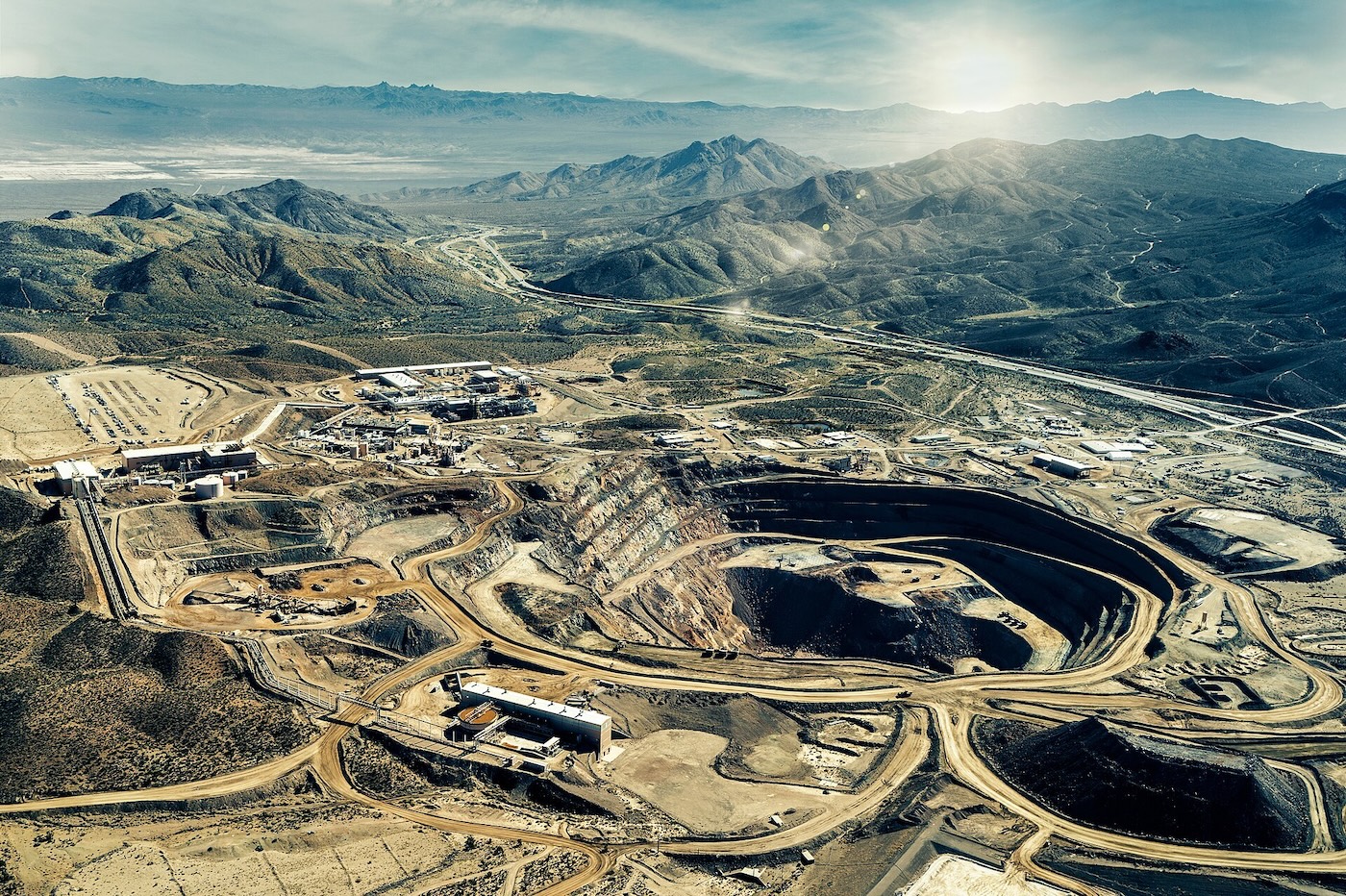
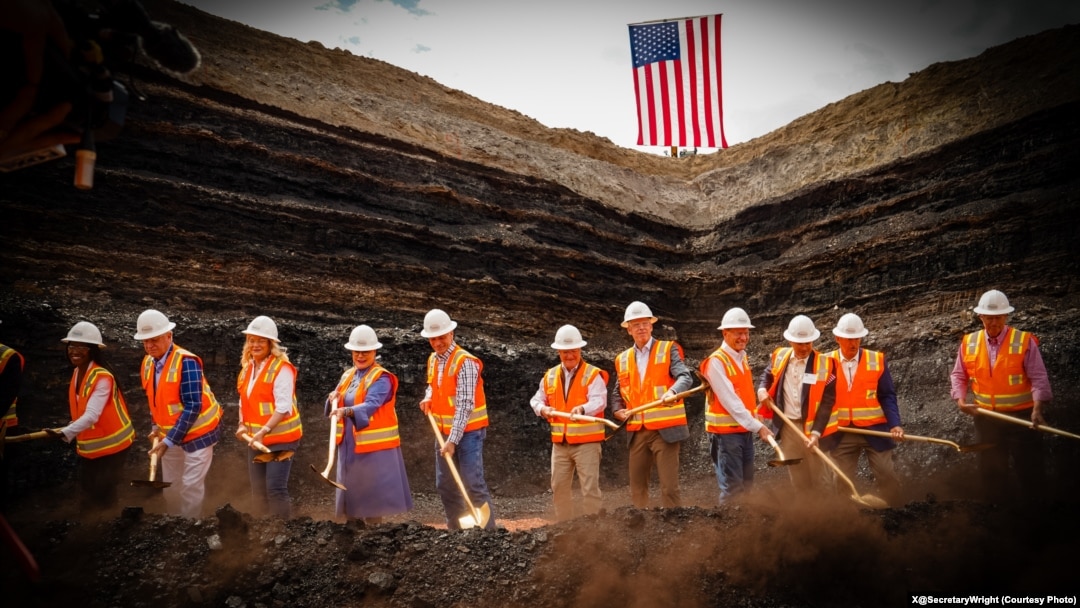
Monazite processing presents both cost barriers and margin opportunities. The radioactive ore requires specialized handling and regulatory compliance, increasing processing costs by an estimated 15-25% compared to current Chinese operations. News 3 documents how China's concentrated production in regions with less stringent environmental standards has enabled rock-bottom pricing. As Western monazite extraction scales (projected through 2030), sellers face a bifurcated market: short-term cost increases (2026-2028) as alternative supply chains mature, followed by potential margin recovery (2028-2030) as diversification reduces China's pricing power. The Mountain Pass mine in California exemplifies this transition—cleanup costs and regulatory expenses drove American companies to exit rare earths in the 1980s-2000s, but renewed investment through the One Big Beautiful Bill Act ($100 billion in loan authority) signals government commitment to rebuilding capacity.
For cross-border sellers, the immediate action window is 2026-2027. Sellers of electronics, batteries, renewable energy equipment, and tech components must: (1) audit supply chains for rare-earth dependencies, (2) evaluate alternative sourcing from Vietnam, India, or emerging Western suppliers, (3) model cost scenarios for 10-20% component price increases, and (4) monitor tariff changes as Western governments implement strategic sourcing policies. Sellers with diversified supplier bases will gain competitive advantages over China-dependent competitors. The timing is critical—early movers can lock in alternative supplier relationships before supply constraints tighten and prices spike further.
Questions 8
What compliance and regulatory risks should sellers consider with Western rare-earth sourcing?
Western rare-earth sourcing, particularly monazite processing, involves radioactive material handling and environmental compliance. Sellers should verify that suppliers maintain proper radioactive material licenses, environmental permits, and waste management certifications. The Mountain Pass mine in California leaked 600,000 gallons of radioactive waste into the Mojave Desert, illustrating environmental risks. Sellers sourcing from Western rare-earth producers should: (1) request environmental compliance certifications, (2) verify supplier adherence to EPA and state regulations, (3) document supply chain traceability for potential future regulations, and (4) assess reputational risk if suppliers face environmental violations. Additionally, some markets (EU, California) may implement stricter environmental standards for rare-earth-containing products by 2027-2028, requiring sellers to maintain detailed sourcing documentation. Budget 5-10% of sourcing costs for compliance verification and documentation.
What is the cost impact of transitioning to alternative rare earth suppliers?
Short-term costs will increase 15-25% as Western monazite processing scales, according to the news analysis. However, this is offset by reduced geopolitical risk and pricing volatility. Sellers should model scenarios: (1) maintain China sourcing and accept 10-20% margin compression from future price spikes, or (2) transition to alternative suppliers and absorb 15-25% cost increases now for supply security. The break-even point depends on your product category, margin structure, and risk tolerance. Electronics and battery sellers with thin margins should prioritize diversification immediately.