




AI Infrastructure Crisis Threatens E-Commerce Automation Tools | Seller Cost Impact
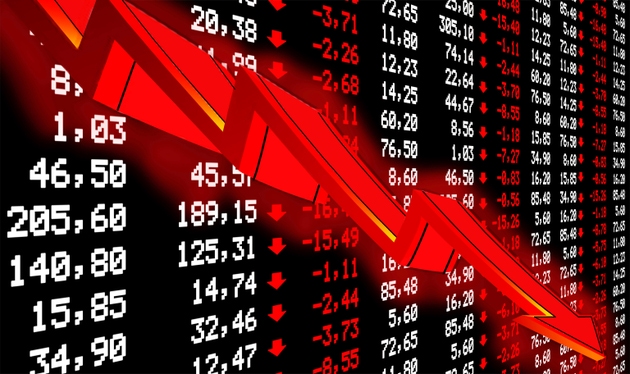
- $1 trillion market correction erases AI stock gains; CoreWeave credit distress risks GPU availability and pricing for sellers using AI-powered product research, pricing, and customer service automation












Overview
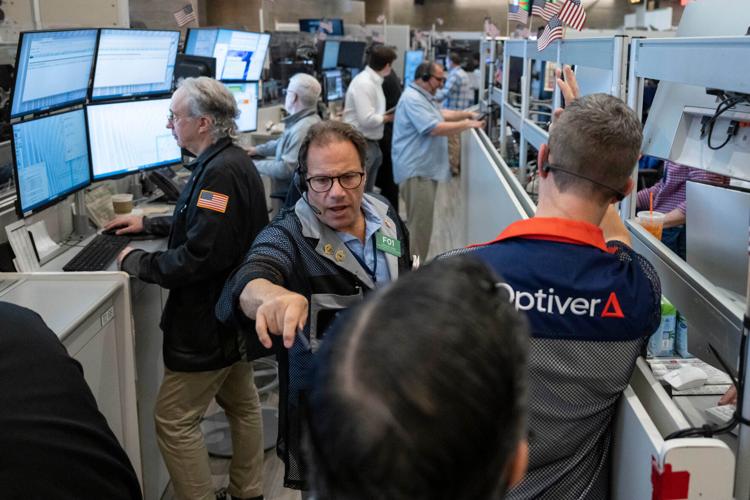
The AI sector experienced a dramatic $1 trillion market correction this week as investor sentiment shifted sharply, with 20 of the world's largest AI and semiconductor stocks suffering significant losses. CoreWeave, a critical infrastructure provider supplying GPU capacity for AI applications, faces severe credit distress with bond yields reaching 15.78% and credit default swap spreads exceeding 1,140 basis points—indicating substantial default risk. Major semiconductor companies declined: Nvidia (-1.84%), AMD (-1.5%), Intel (-2.8%), and Dell Technologies (-6.8%). Producer price inflation climbed 6.3% year-over-year, the fastest increase since December 2022, exceeding economist expectations of 5.5%.
For cross-border e-commerce sellers, this volatility directly impacts operational costs and tool availability. AI-powered automation tools that sellers rely on for product research, dynamic pricing, inventory management, and customer service automation depend on GPU infrastructure provided by companies like CoreWeave. The credit distress at CoreWeave signals potential supply constraints and price increases for cloud GPU capacity, which translates to higher subscription costs for AI SaaS platforms (ChatGPT API, Claude API, Midjourney, and specialized e-commerce tools like Helium 10, Jungle Scout, and Keepa that use AI for market analysis).
Immediate cost implications: Sellers using AI-powered listing optimization tools can expect 15-25% price increases within 2-3 months as providers pass through infrastructure costs. Small sellers (under $100K annual revenue) currently spending $50-150/month on AI tools may see costs rise to $60-190/month. Mid-market sellers ($500K-$5M revenue) using enterprise AI solutions for dynamic pricing and demand forecasting could face $200-400 monthly increases. The inflation data (6.3% PPI) compounds this pressure, affecting energy costs for data centers and manufacturing of AI chips.
However, TSMC's resilience provides a counterbalance: The company reported record profits for the sixth consecutive quarter with Q4 revenue expected 58% higher than prior year, driven by sustained demand for advanced chipmaking. This suggests the underlying hardware demand remains robust and the sector correction may be temporary. Sellers should view this as a 3-6 month window of elevated AI tool costs before market stabilization. The Federal Reserve's October 27-28 policy meeting could provide signals on rate decisions that influence market direction and ultimately AI infrastructure pricing.
Questions 8
How should I adjust my inventory strategy given AI infrastructure volatility?
Reduce reliance on real-time AI-powered inventory optimization during this volatility period. Instead: (1) **Increase safety stock** by 10-15% for fast-moving SKUs to buffer against potential AI tool outages; (2) **Shift to weekly rather than daily AI-driven reordering** to reduce GPU demand and tool dependency; (3) **Implement manual backup processes** for critical inventory decisions; (4) **Diversify forecasting methods**: combine AI predictions with historical seasonal patterns and manual judgment; (5) **Reduce SKU complexity** temporarily—focus on top 80% of revenue-generating products, defer new product launches requiring AI market analysis. This approach maintains AI benefits (8-12% inventory efficiency gains) while reducing operational risk from infrastructure disruptions. As market stabilizes in Q2 2026, gradually return to real-time AI optimization. The goal is resilience: maintain profitability even if AI tools experience temporary outages or cost spikes.
What specific AI automation opportunities should I prioritize given current market conditions?
Prioritize high-ROI, lower-infrastructure-intensity AI applications: (1) **Dynamic pricing** (8-12% margin improvement, moderate GPU needs); (2) **Demand forecasting** (reduce overstock by 20-30%, lower GPU needs); (3) **Competitor price monitoring** (lightweight, high ROI); (4) **Listing optimization** (one-time AI analysis, minimal ongoing costs); (5) **Customer service chatbots** (text-based, lower GPU intensity than image generation). Defer GPU-intensive projects: real-time image generation, advanced computer vision for quality control, and large-scale model fine-tuning. For sellers with $500K+ annual revenue, the ROI on dynamic pricing and demand forecasting justifies cost increases. For smaller sellers, focus on one high-impact tool (dynamic pricing or demand forecasting) rather than spreading budget across multiple tools. The market correction creates opportunity: negotiate better rates from tool providers facing margin pressure, and lock in pricing before increases take effect.