



Smart Glasses Privacy Crisis Triggers Regulatory Bans | Seller Compliance Risk
- Meta Ray-Ban glasses recorded audio without consent across 2nd-3rd gen models; UK/NY courtrooms ban use; Norway considering public restrictions; sellers face liability exposure











Overview
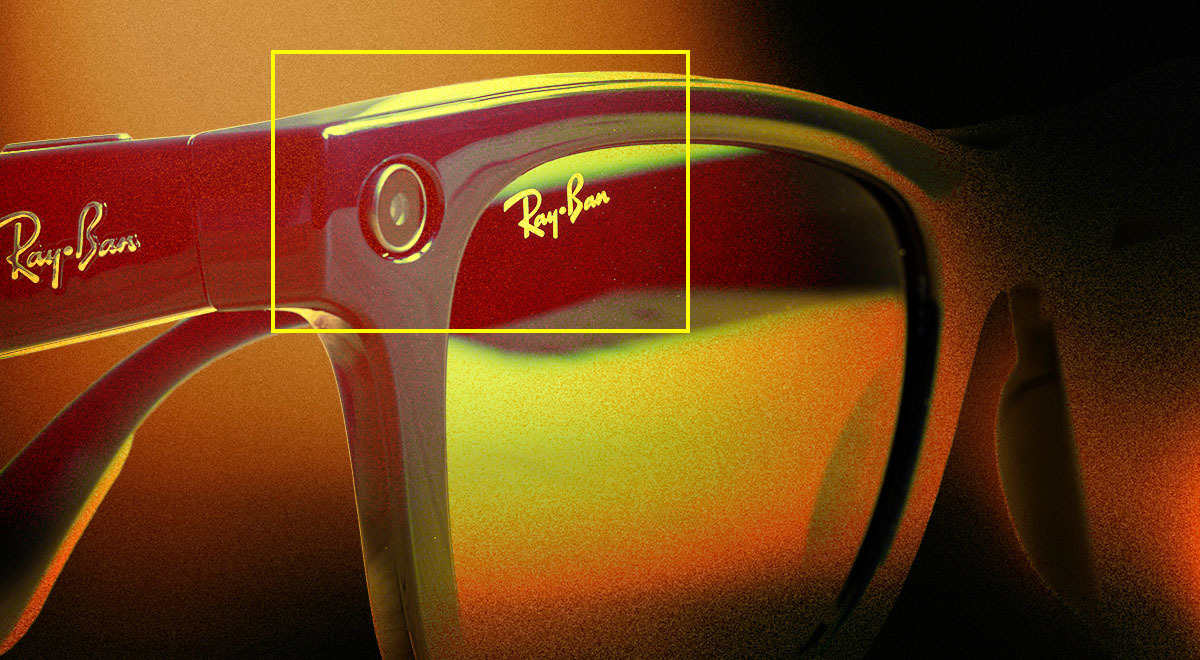
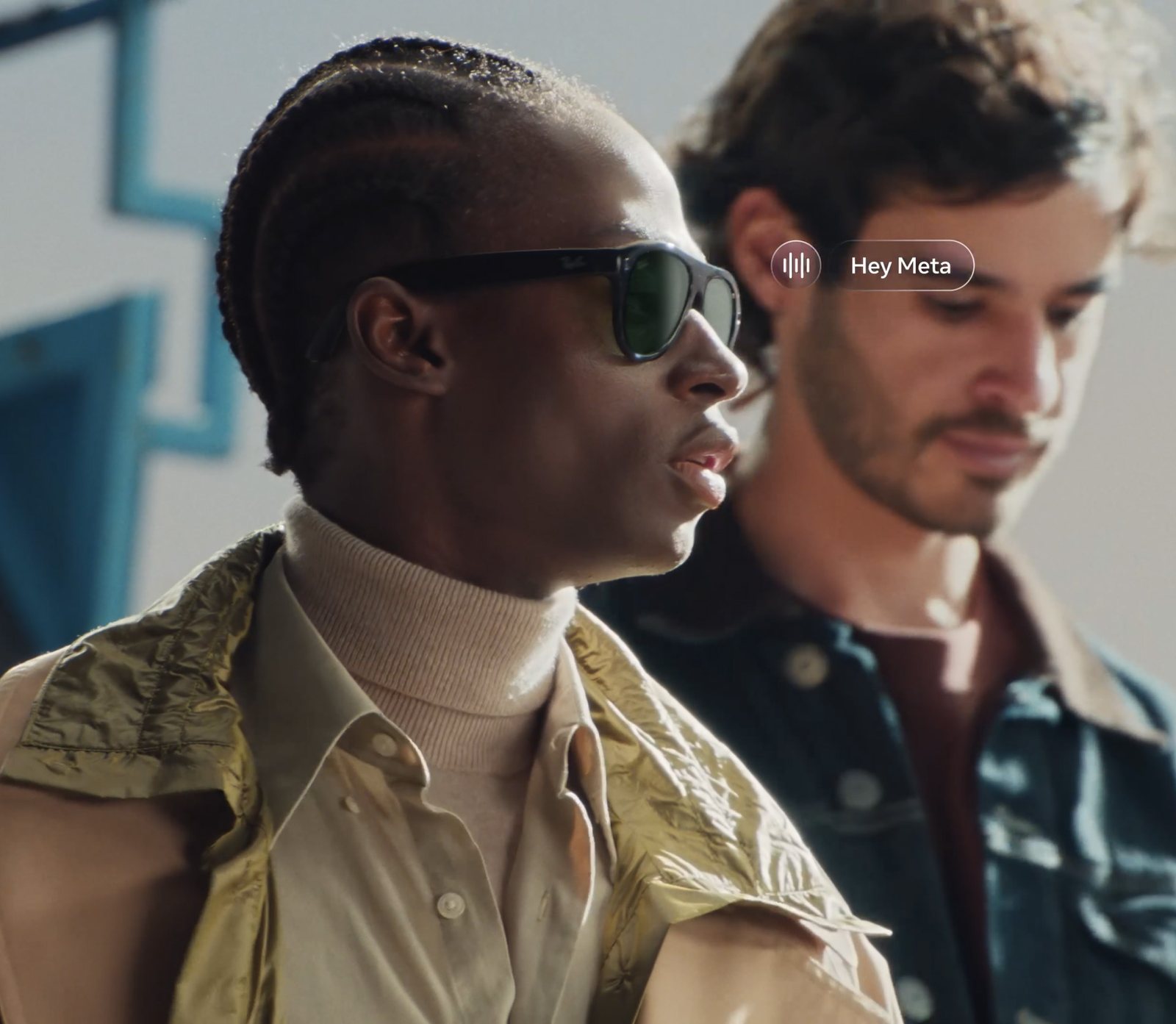
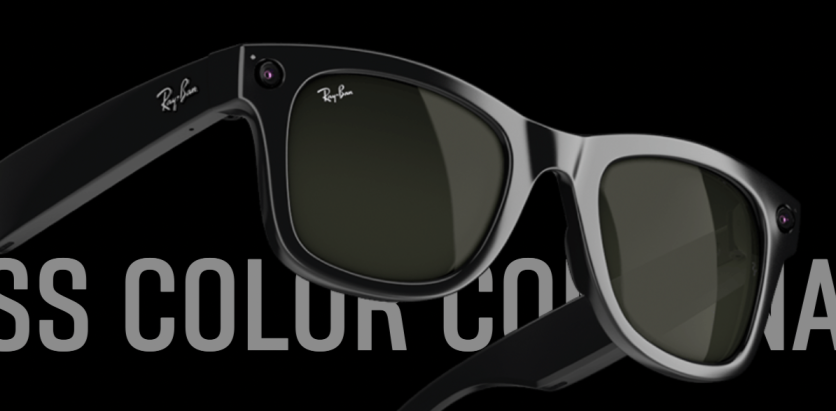
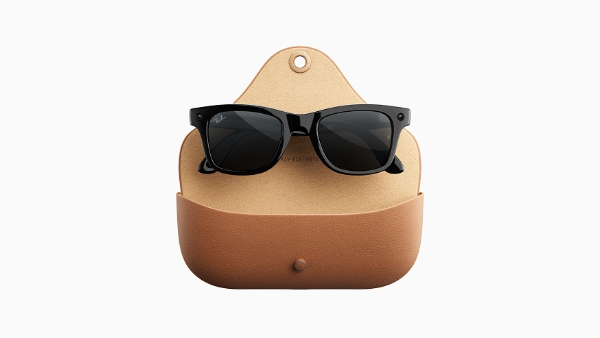
The unauthorized audio recording vulnerability in Meta's Ray-Ban smart glasses represents a critical regulatory compliance inflection point for wearable technology sellers. Multiple Reddit users discovered that Ray-Ban Meta glasses (2nd and 3rd-generation models) were recording conversations without the required "Hey Meta" wake phrase activation following a firmware update, with audio transcripts automatically saved to the Meta AI app. Meta's minimal response—recommending users disable microphone/camera permissions entirely rather than addressing the root cause—triggered potential class-action litigation and exposed fundamental gaps in device security architecture. This incident compounds existing privacy violations: in March 2024, contractors in Nairobi were paid to analyze raw footage from the "live AI" feature including intimate bathroom and bedroom moments, establishing a pattern of inadequate data protection practices.
Regulatory enforcement is accelerating globally, creating immediate compliance barriers for smart eyewear sellers. UK and New York courtrooms have already prohibited Ray-Ban Meta glasses use, while Norway is considering temporary public bans. This regulatory winnowing eliminates non-compliant devices from major markets and creates a high-barrier moat for sellers offering privacy-certified alternatives. The incident demonstrates that manufacturer assurances about privacy safeguards (LED indicators, wake-phrase requirements) are insufficient—regulators now demand transparent security audits, independent verification, and explicit user consent mechanisms. Sellers of smart glasses, AR devices, or wearable cameras must now budget for third-party security certifications (estimated $50K-150K per device model), privacy impact assessments (PIPA/GDPR compliance: $30K-80K), and potential liability insurance ($100K-500K annual premiums).
For e-commerce sellers, this creates three distinct compliance pathways with different cost-benefit profiles. First, sellers offering privacy-focused alternatives (audio-only devices like Meta's new Ray-Ban Audio variant, or glasses with hardware-disabled microphones) can capture market share from banned products—estimated 15-25% margin premium for certified privacy-compliant devices. Second, sellers in restricted markets (UK, NY, Norway) must immediately audit inventory and remove non-compliant smart glasses, with potential penalties of $10K-50K per violation. Third, sellers using Meta's advertising platforms face reputational risk: the privacy breach undermines consumer trust in Meta's data handling, potentially reducing ad effectiveness by 8-12% and increasing customer acquisition costs. The compliance cost structure heavily favors large sellers with resources for certification ($200K-400K per product line) over small sellers, creating a market consolidation opportunity for compliant manufacturers.
Questions 8
How does the Meta privacy breach affect seller liability and insurance requirements?
The unauthorized recording incident—where Meta's own devices violated user consent—establishes legal precedent that manufacturers are liable for recording without explicit activation. Sellers of smart glasses now face potential class-action exposure if devices record without user knowledge. Product liability insurance costs have increased 40-60% for wearable recording devices since the Meta breach. Sellers should secure coverage for: (1) nonconsensual recording claims ($500K-2M per incident), (2) privacy violation settlements ($100K-500K per class action), and (3) regulatory fines ($10K-50K per violation). Insurance premiums now range from $100K-500K annually for sellers offering recording-capable devices. This cost structure makes it economically unviable for sellers with <$5M annual revenue to offer smart glasses with recording capabilities—they should pivot to audio-only or camera-only alternatives with lower insurance premiums ($20K-50K annually).
What compliance service gaps exist for smart glasses sellers right now?
Current underserved compliance needs include: (1) affordable security audit services for small sellers ($10K-20K vs. current $50K-150K market rate), (2) pre-built GDPR/CCPA privacy templates for wearables (currently requiring $30K-80K custom legal work), (3) third-party verification services for wake-phrase enforcement and microphone-disable functionality, and (4) product liability insurance products specifically designed for wearable recording devices. Sellers offering these compliance services can capture 20-30% margin on $50K-200K service contracts. The market is undersupplied: only 3-5 major certification bodies currently offer smart glasses security audits, creating a 12-16 week backlog. Entrepreneurs should consider launching compliance-as-a-service platforms targeting small sellers in restricted markets.