




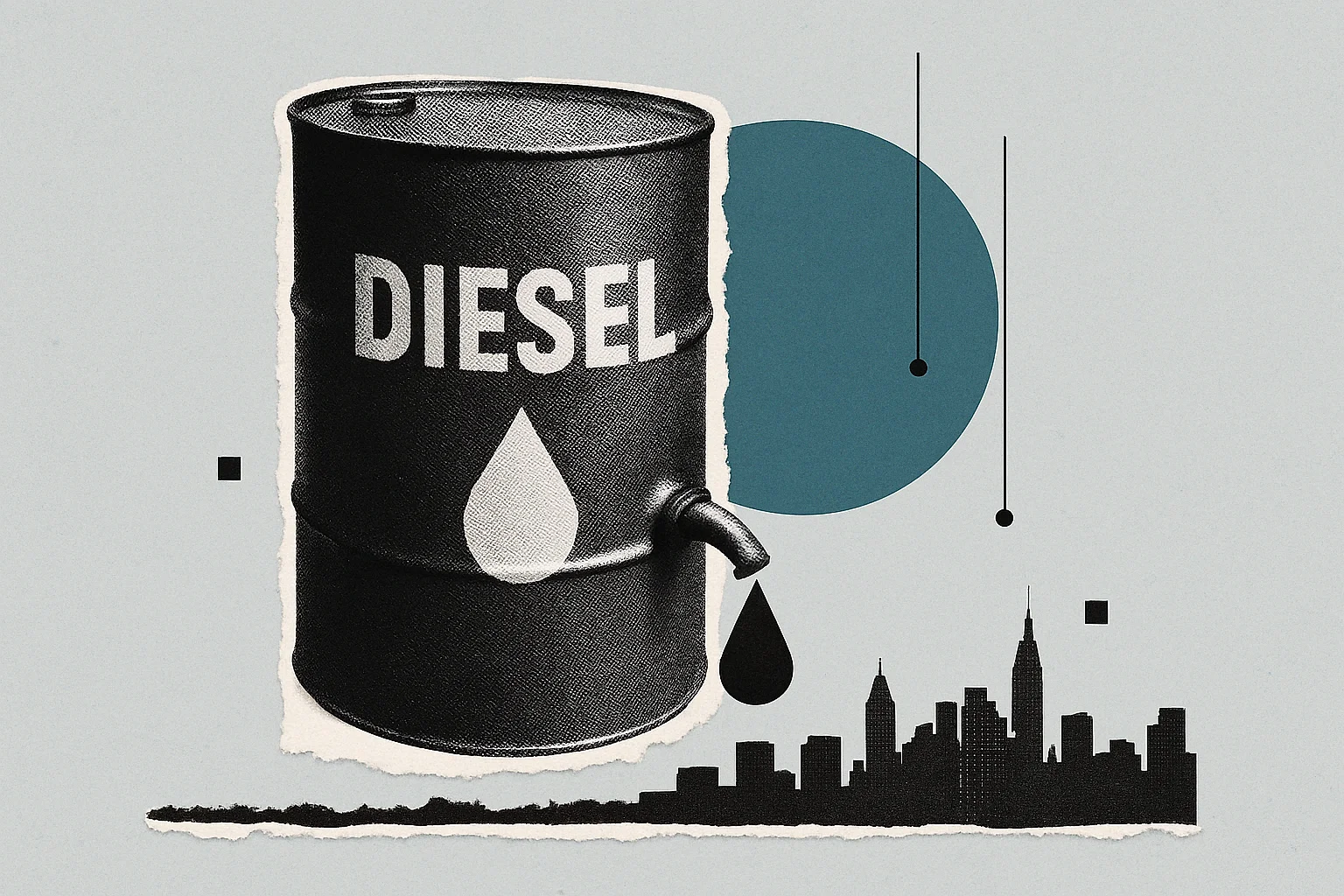
Diesel Shortage Through 2027 | E-Commerce Sellers Face 5-15% Logistics Cost Surge
- Global diesel scarcity persists through H2 2027; freight surcharges increase 5-15% for cross-border sellers; smaller 3PL providers face consolidation pressure; immediate contract renegotiation required












Overview
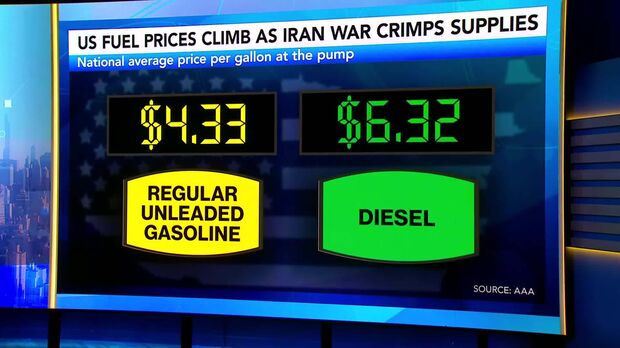
Global diesel shortages are creating a structural cost crisis for cross-border e-commerce sellers through at least H2 2027, with the International Energy Agency confirming refinery capacity constraints, geopolitical disruptions (Iran war since February 2026), and reduced diesel production investments will sustain tight supply conditions. Diesel prices have surged dramatically—U.S. average diesel reached a record $6.53/gallon on September 22, 2026 (up 74% from $3.76 pre-war), with California exceeding $8/gallon—directly translating to elevated fuel surcharges on international freight. The news reveals that strategic petroleum reserves have been completely depleted following the Iran conflict, leaving global energy systems "more vulnerable to disruption," while coordinated IEA releases of 100 million barrels provide only temporary relief. For e-commerce sellers, this manifests as persistent logistics cost increases of 5-15% depending on route and volume, with carriers implementing fuel surcharges that compress already-thin margins in competitive categories.
The operational impact is severe and differentiated by seller segment. Smaller logistics providers lacking fuel hedging capabilities face consolidation pressure, creating a two-tier market where larger carriers with hedging strategies gain competitive advantages. Sellers relying on time-sensitive deliveries—including cold chain logistics, expedited shipping, and last-mile delivery networks—face particular vulnerability as diesel availability directly affects warehouse operations and cross-border transportation networks. The news indicates that President Trump's interventions (diesel export ban proposals, G7 commitments for 100 million barrels, Russian diesel supply agreements worth 4+ million tons) have proven insufficient, with analysts skeptical of meaningful relief. Ukrainian drone strikes have reduced Russian diesel exports to decade lows (~144,000 barrels daily), and the IEA confirmed that easing Russian sanctions won't materially improve global diesel balance due to insufficient refinery capacity. This signals that cost pressures are structural, not cyclical, requiring sellers to fundamentally restructure supply chain economics rather than wait for price normalization.
Strategic sourcing and logistics optimization become competitive differentiators. Sellers must immediately negotiate long-term freight contracts before further price escalation, diversify logistics partners to reduce single-carrier dependency, and optimize supply chain efficiency to mitigate fuel-related costs. Categories most vulnerable include refrigerated goods (food, pharmaceuticals, cosmetics), expedited electronics, and perishables where cold chain logistics consume 20-30% higher diesel volumes. The news reveals that refinery maintenance schedules and reduced crude oil processing capacity in key regions will persist through 2027, meaning sellers cannot rely on supply-side relief. Instead, successful sellers will shift toward: (1) consolidating shipments to reduce per-unit fuel costs, (2) repositioning inventory closer to end markets to minimize transportation distance, (3) shifting from air freight to slower ocean shipping where margin tolerance allows, and (4) passing through selective price increases in categories with lower price elasticity. The competitive advantage accrues to sellers with scale, hedging capabilities, and geographic flexibility—disadvantaging small/medium sellers without these resources.
Questions 8
What immediate actions should I take to prepare for sustained diesel shortages?
**Immediate (Next 30 days):** (1) Audit your current freight contracts—identify expiration dates and fuel surcharge terms; (2) Request quotes from 3-5 logistics providers for 6-12 month fixed-rate contracts before further price escalation; (3) Analyze your product mix by shipping mode (air/ocean/ground) and calculate fuel cost impact by category; (4) Model inventory repositioning scenarios to reduce transportation distance. **1-3 months:** (1) Negotiate long-term contracts with fuel surcharge caps; (2) Diversify logistics partners to reduce single-carrier risk; (3) Implement supply chain optimization (consolidate shipments, reduce SKU complexity); (4) For cold chain sellers, evaluate warehouse relocation closer to end markets. **3-6 months:** (1) Shift product mix toward lower-fuel-intensity categories if margins allow; (2) Test slower shipping options and measure customer acceptance; (3) Build 2-3 week buffer inventory to absorb supply disruptions. The news indicates this is a structural crisis lasting through 2027, not a temporary spike—treat it as a permanent cost structure change.
How should I adjust my pricing strategy for diesel-driven cost increases?
Selective price increases are necessary, but elasticity varies by category. The news shows fuel surcharges of 5-15% are being passed to sellers; you must decide how much to absorb vs. pass through. Categories with lower price elasticity (essential goods, niche products, premium items) can absorb 50-70% of fuel cost increases through price hikes. Competitive categories (apparel, electronics, home goods) should absorb 30-50% and optimize supply chain efficiency for the remainder. Implement dynamic pricing based on shipping route and fuel costs. For Amazon FBA sellers, monitor your fulfillment costs closely—Amazon may adjust FBA fees if fuel costs remain elevated. Consider offering slower shipping options at discounted rates to shift customer behavior toward lower-fuel-intensity logistics.