



AI Content Moderation Compliance Crisis | Sellers Face New Liability Standards for AI-Generated Product Descriptions
- 8-state coordinated lawsuit establishes precedent for AI platform accountability; sellers using AI tools for listings now face indirect regulatory exposure through consumer protection frameworks


















Overview
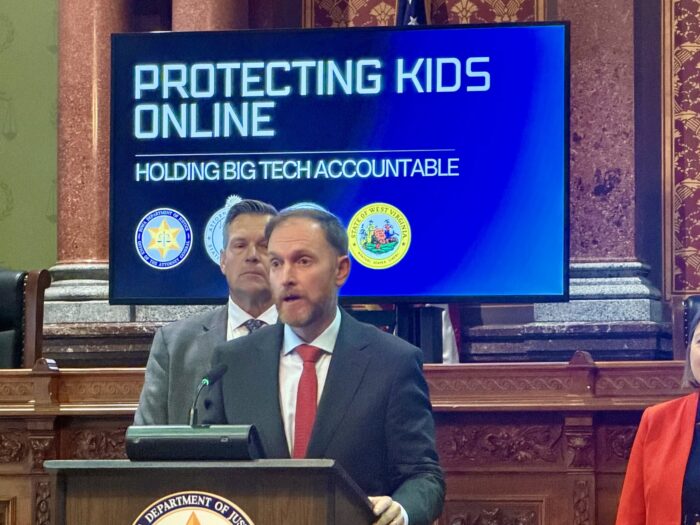
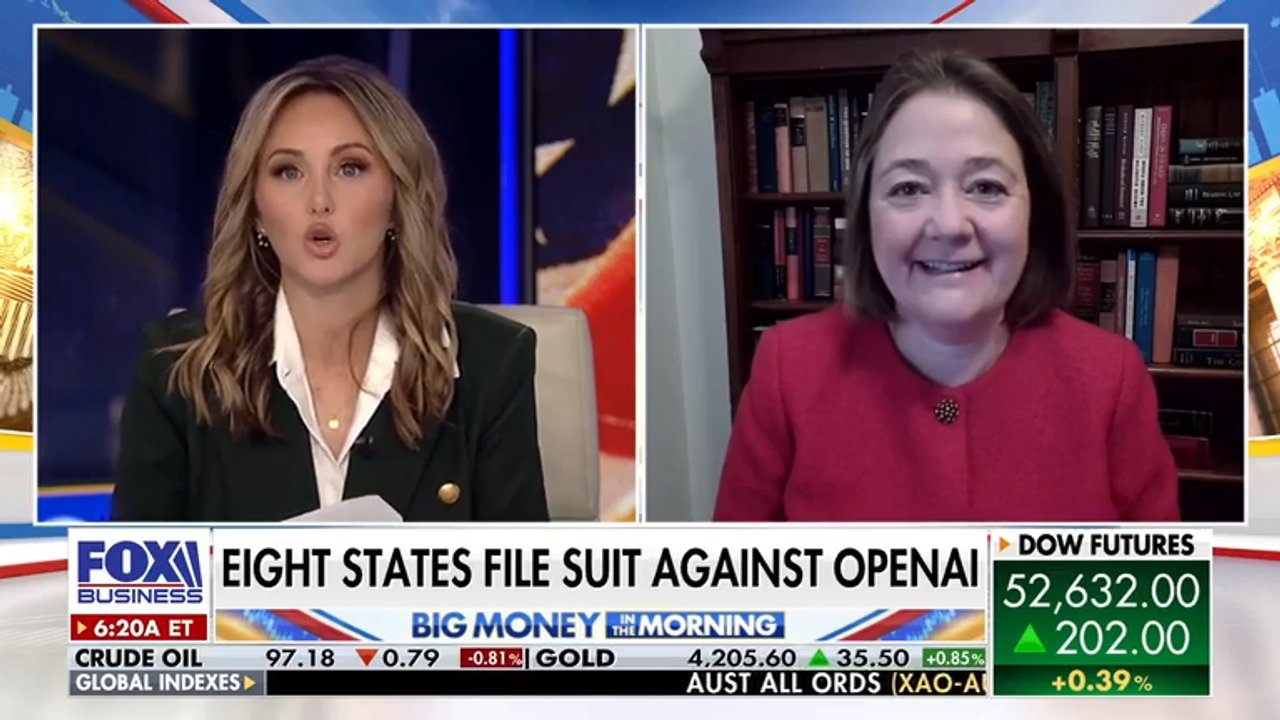
The multi-state lawsuit against OpenAI represents the most significant coordinated regulatory action against an AI company to date, with 8 states (Arizona, Arkansas, Idaho, Kansas, Montana, Nebraska, West Virginia, Iowa) alleging ChatGPT violates consumer protection laws through deceptive practices and inadequate child safety measures. This creates an immediate compliance cascade for e-commerce sellers who rely on AI tools for product descriptions, customer service, and content generation. The lawsuit establishes that AI platforms must implement age verification, content moderation, and transparency disclosures—standards that will inevitably flow downstream to sellers using these tools on Amazon, Shopify, and eBay.
The regulatory precedent mirrors the $18 billion Meta settlement (August 2024), signaling state attorneys general are weaponizing consumer protection statutes to force tech companies into compliance. For sellers, this means: (1) AI-generated product descriptions that could mislead consumers about product capabilities now carry legal liability; (2) Sellers using ChatGPT for customer service chatbots must implement age-gating and content filters; (3) Amazon, Shopify, and other platforms will likely require sellers to disclose AI usage in listings and customer interactions, similar to FTC guidelines on influencer disclosures. Common Sense Media's testing found ChatGPT's teen protections failed evaluation, indicating the compliance bar will be high—platforms cannot simply claim "independent expert review" as defense.
The compliance cost structure is emerging: sellers will need to audit AI-generated content for deceptive claims (estimated 4-8 hours per 100 listings), implement disclosure language ($200-500 for legal review), and potentially migrate to compliant AI tools with built-in safeguards. Categories most exposed include health/wellness products (where ChatGPT's "dangerous medical advice" allegation applies), children's products (age verification requirements), and high-risk categories like supplements and beauty products. Sellers in these categories face a 60-90 day window to audit existing listings before state attorneys general likely target e-commerce platforms directly. The lawsuit's focus on "deceptive marketing" and "misrepresented capabilities" directly parallels Amazon's A+ Content and product description standards—expect Amazon to tighten AI disclosure requirements within Q1 2025.
Strategic opportunity: Sellers who proactively implement AI compliance frameworks (transparent disclosure, human review processes, age-appropriate content filters) will gain competitive advantage as non-compliant sellers face delisting or forced content revisions. This creates demand for compliance-as-a-service tools and human content review services. Sellers should immediately audit ChatGPT-generated descriptions for superlative claims ("best," "guaranteed"), health claims, and age-inappropriate language. The precedent also signals that state-level enforcement will accelerate—expect similar lawsuits targeting Amazon's A9 algorithm, Shopify's AI recommendations, and TikTok Shop's content moderation within 12 months.
Questions 8
How does the OpenAI lawsuit affect sellers using ChatGPT for product descriptions?
Sellers face indirect liability exposure through consumer protection statutes. The 8-state lawsuit establishes that AI platforms must implement content moderation and transparency safeguards—standards that will cascade to e-commerce platforms. Sellers using ChatGPT for product descriptions must now audit content for deceptive claims (superlatives, unsubstantiated health benefits, age-inappropriate language). Amazon and Shopify will likely require AI disclosure in listings within Q1 2025, similar to FTC influencer disclosure rules. Sellers should conduct immediate audits of ChatGPT-generated content and implement human review processes to avoid delisting or forced revisions.
What is the compliance cost and timeline for sellers to audit AI-generated content?
Estimated compliance cost: $200-500 for legal review of disclosure language, plus 4-8 hours per 100 listings for content audit. Timeline: 60-90 days before state attorneys general likely target e-commerce platforms directly (following the Meta settlement precedent). Sellers should prioritize high-risk categories first. Compliance-as-a-service tools and human content review services will see increased demand. Sellers who implement proactive compliance frameworks will gain competitive advantage as non-compliant sellers face delisting or forced revisions.