

AI Infrastructure Funding Crunch Triggers Rising Rates | Cross-Border Sellers Face 8-15% Financing Cost Surge
- Central banks raising rates amid $35-39B AI capex competition; inventory financing costs jump 200-300 bps for sellers by Q1 2025













Overview
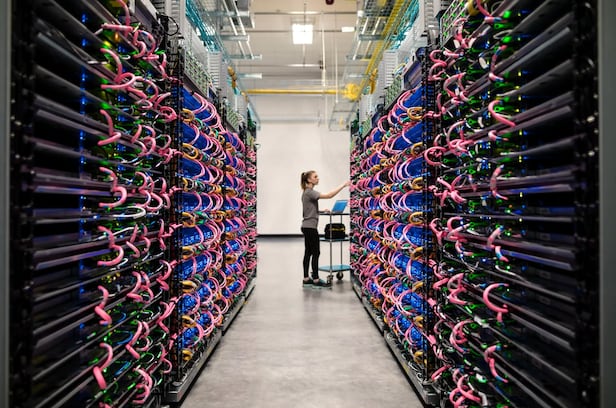
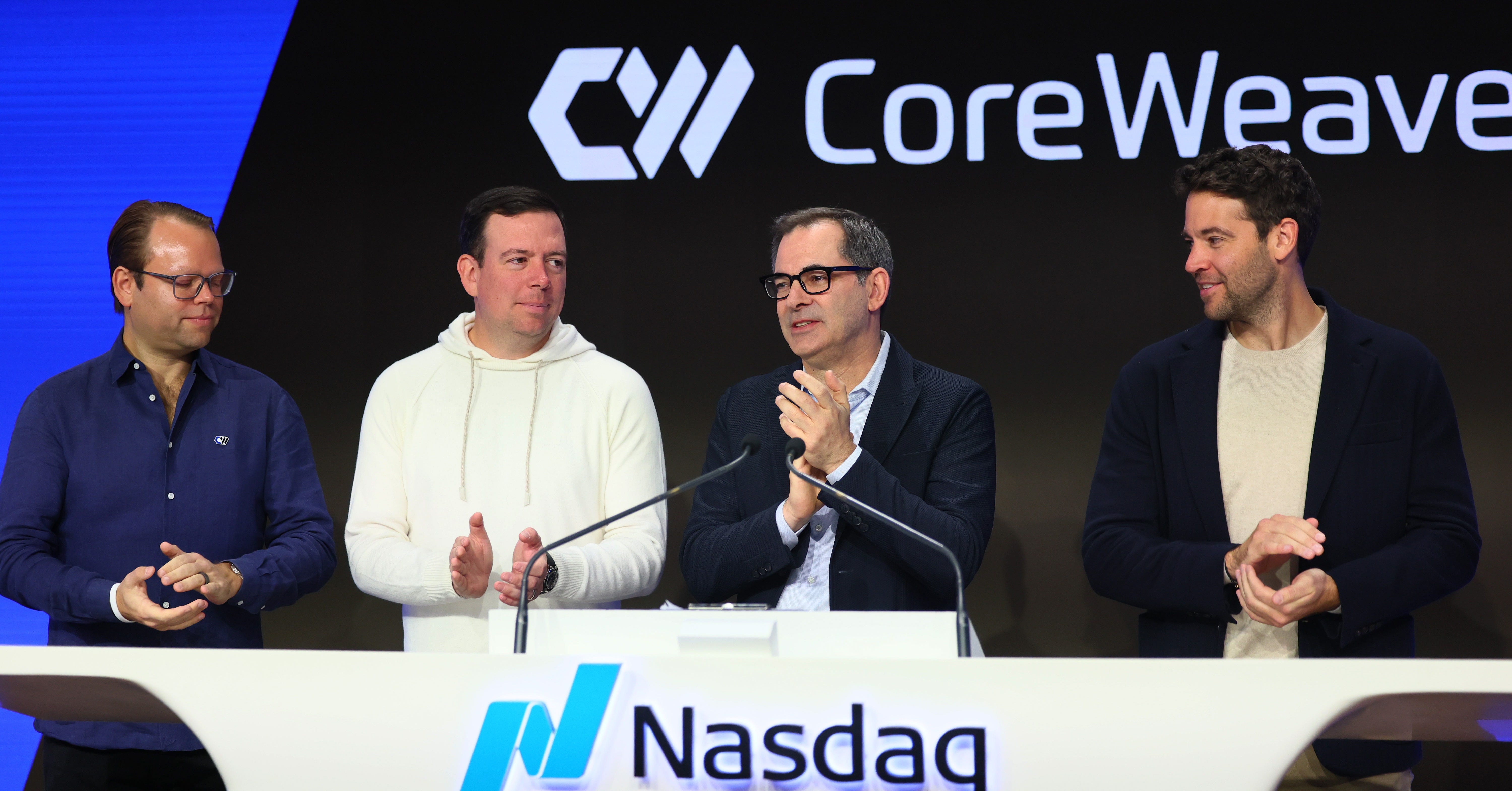
The AI infrastructure funding crisis is directly reshaping cross-border e-commerce financing costs. CoreWeave's corporate bonds collapsed to 80% of face value in October 2026 with yields exceeding 16% annually, while Permian withdrew its $5 billion IPO—signaling a fundamental shift in capital allocation priorities. Central banks are now raising interest rates to combat the unprecedented capital competition created by AI data center expansion ($35-39 billion in CoreWeave capex alone), directly increasing borrowing costs for e-commerce sellers relying on inventory financing, working capital loans, and warehouse expansion.
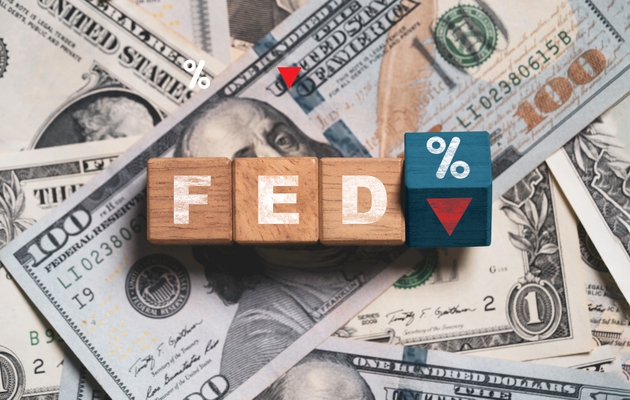
For cross-border sellers, this creates an immediate financing cost crisis. Inventory financing rates—typically 6-8% APR in 2024—are projected to rise 200-300 basis points by Q1 2025 as central banks tighten monetary policy. A seller with $500K in inventory financed at 8% currently pays $40K annually; at 11% (conservative estimate), that jumps to $55K—a $15K annual cost increase. Sellers shipping to multiple regions face compounded pressure: US-based sellers financing in USD face rising Fed rates, while EU sellers experience ECB tightening, and Asia-Pacific sellers navigate PBOC and RBA rate decisions. The AI boom's capital intensity means traditional trade finance providers are reallocating capital toward higher-margin AI infrastructure lending, reducing availability and increasing pricing for SME sellers.
Currency volatility amplifies the crisis for cross-border operations. Rising rates create divergent monetary policy paths across regions—US rates climbing faster than EU rates creates USD strength, increasing costs for sellers with EUR-denominated expenses (Chinese suppliers, EU warehouses). FX hedging costs simultaneously rise as volatility increases, making currency protection more expensive. A seller with €100K monthly supplier payments faces 2-3% hedging costs at current volatility; this could reach 4-5% if rate differentials widen. Payment providers like Wise, OFX, and Remitly are already reporting 15-20% increases in hedging spreads, directly impacting seller margins on cross-border transactions.
Supply chain financing becomes scarcer and more expensive. Invoice factoring rates (typically 1.5-2.5% monthly) are rising as lenders reduce exposure to SME sellers and concentrate on AI infrastructure deals. PO financing—critical for sellers managing 30-60 day payment terms with Chinese manufacturers—faces 200-400 bps rate increases. Sellers with $1M monthly purchase orders paying 2% monthly (24% APY) could see rates climb to 3-4% monthly (36-48% APY), compressing margins by 2-3 percentage points. This particularly impacts apparel, electronics, and home goods sellers with long lead times.
Questions 8
How much will my inventory financing costs increase due to rising interest rates from the AI funding crisis?
Inventory financing rates are projected to rise 200-300 basis points by Q1 2025 as central banks tighten monetary policy in response to AI infrastructure capital competition. A seller with $500K financed inventory at current 8% APR ($40K annually) will face 11% rates ($55K annually)—a $15K cost increase. The news reports CoreWeave's bond yields exceeding 16% annually, reflecting the capital scarcity driving rate increases. Sellers should lock in fixed-rate financing immediately before rates climb further, and consider reducing inventory levels by 15-20% to minimize financing exposure.
How does the AI data center funding crisis affect my access to PO financing and invoice factoring?
Supply chain finance providers are reallocating capital toward higher-margin AI infrastructure lending, reducing availability for SME sellers. Invoice factoring rates (typically 1.5-2.5% monthly) are rising 200-400 bps, while PO financing rates climb from 2% to 3-4% monthly. A seller with $1M monthly purchase orders faces APY increases from 24% to 36-48%, compressing margins by 2-3 percentage points. The news reports CoreWeave's $35-39B capex plans and Permian's $5B IPO withdrawal, signaling capital concentration in infrastructure. Sellers should negotiate multi-year rate locks with existing lenders immediately, explore alternative providers (Fundbox, Clearco, Stripe Capital), and reduce order sizes to minimize financing needs.