


Apple Smart Home Collection Launch | AI-Powered Ecosystem Creates $200-400 Device Opportunity for Sellers
- Apple enters proprietary smart home market with $200-400 devices; creates new product sourcing, compatibility, and accessory opportunities for cross-border sellers in electronics category










Overview
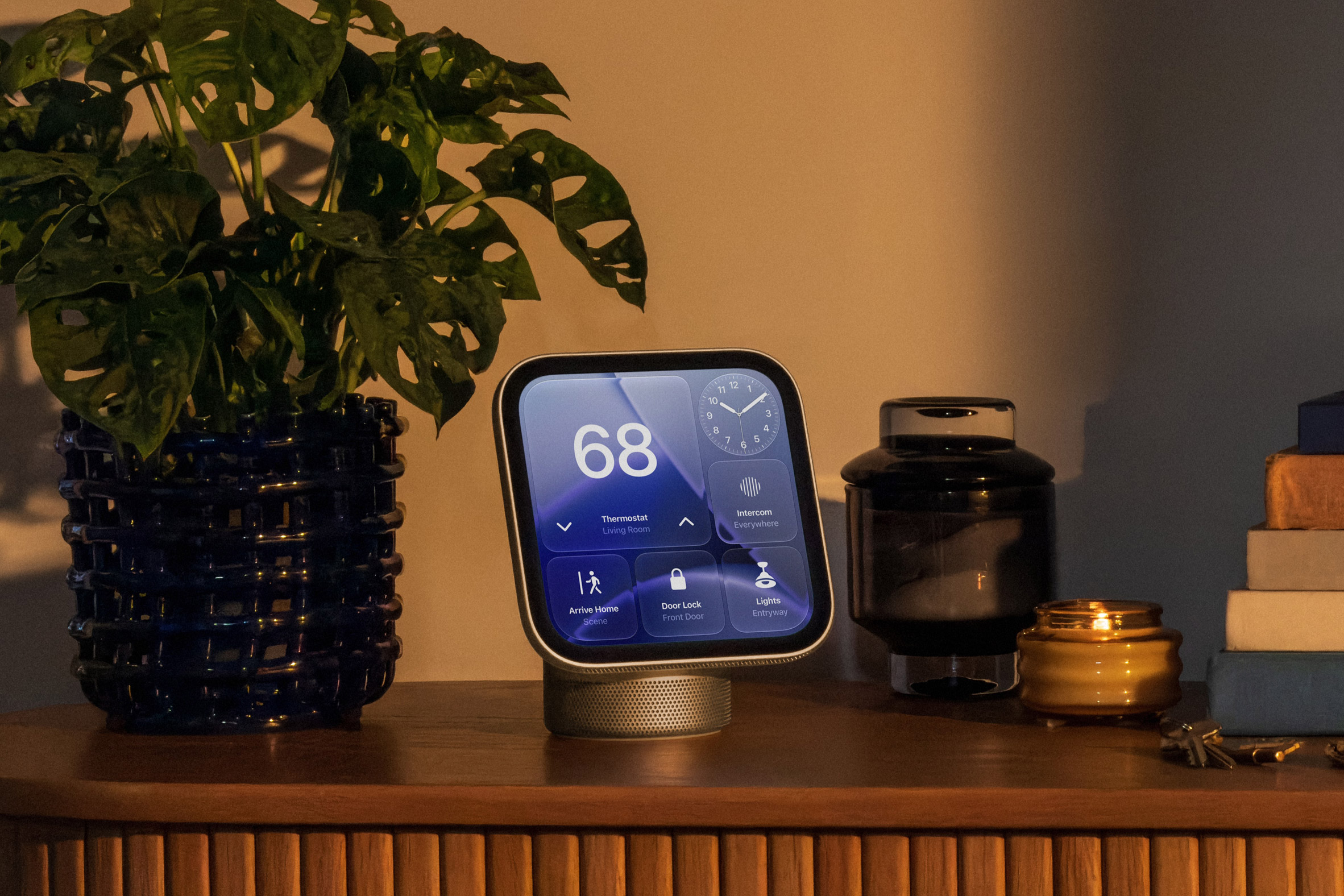
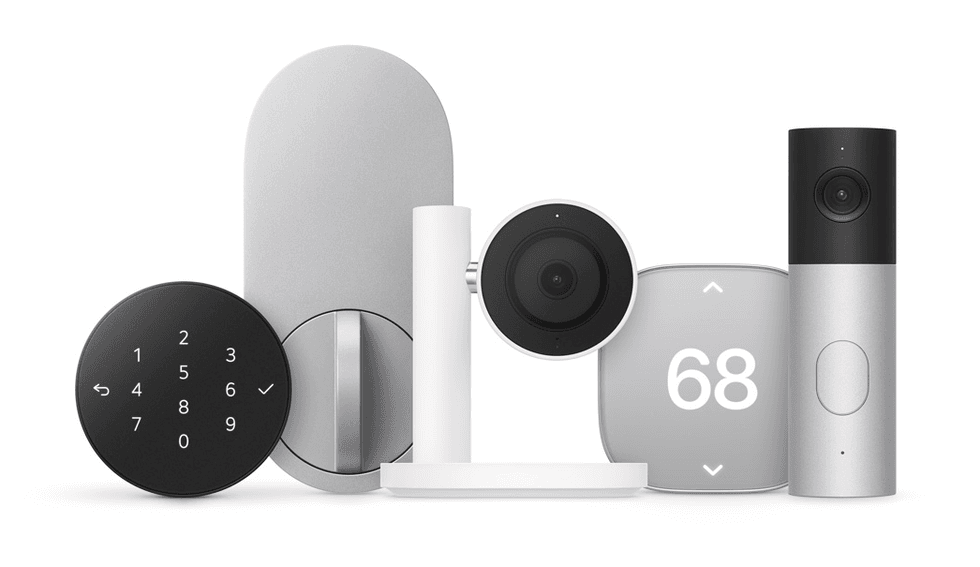
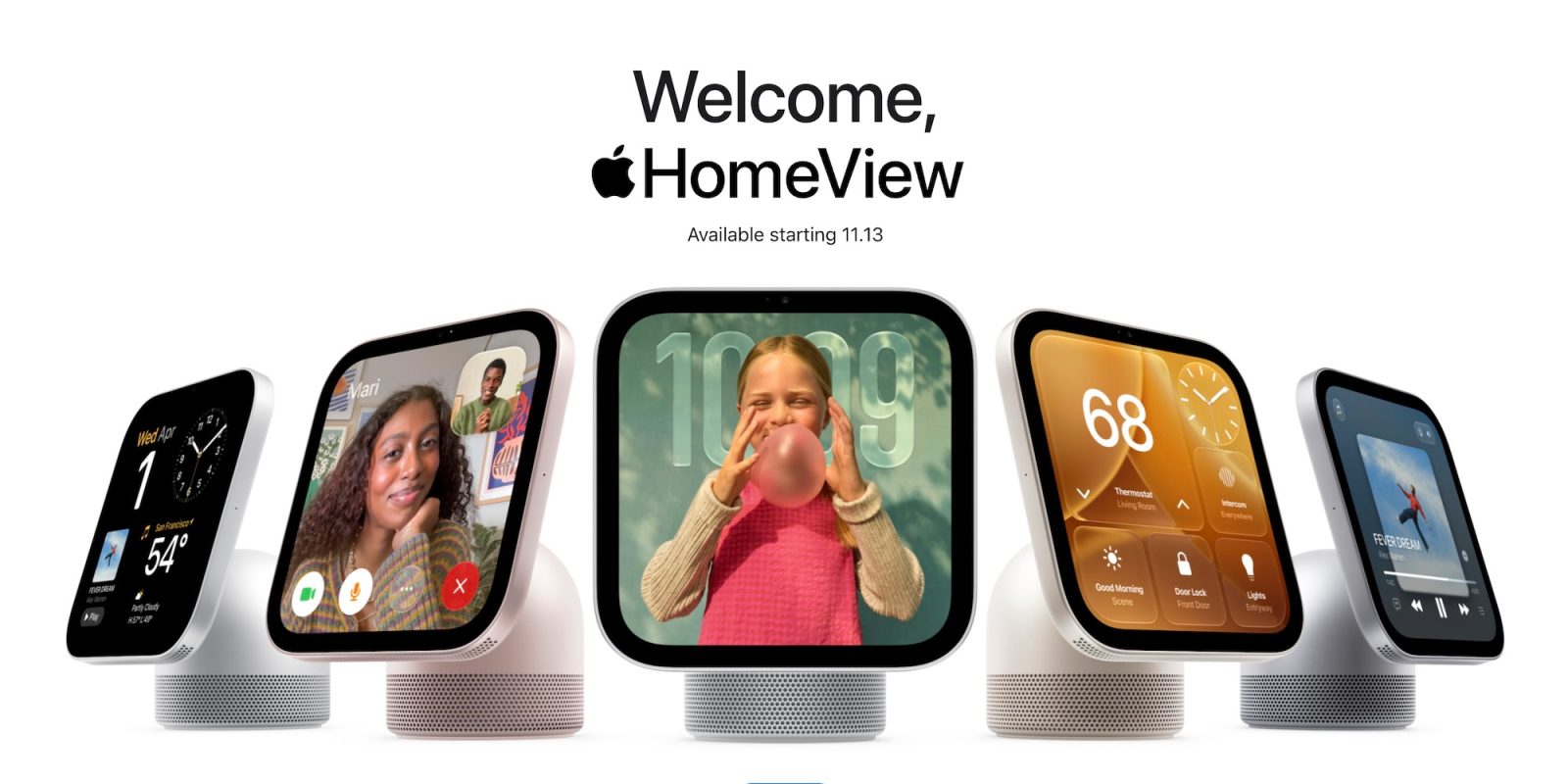
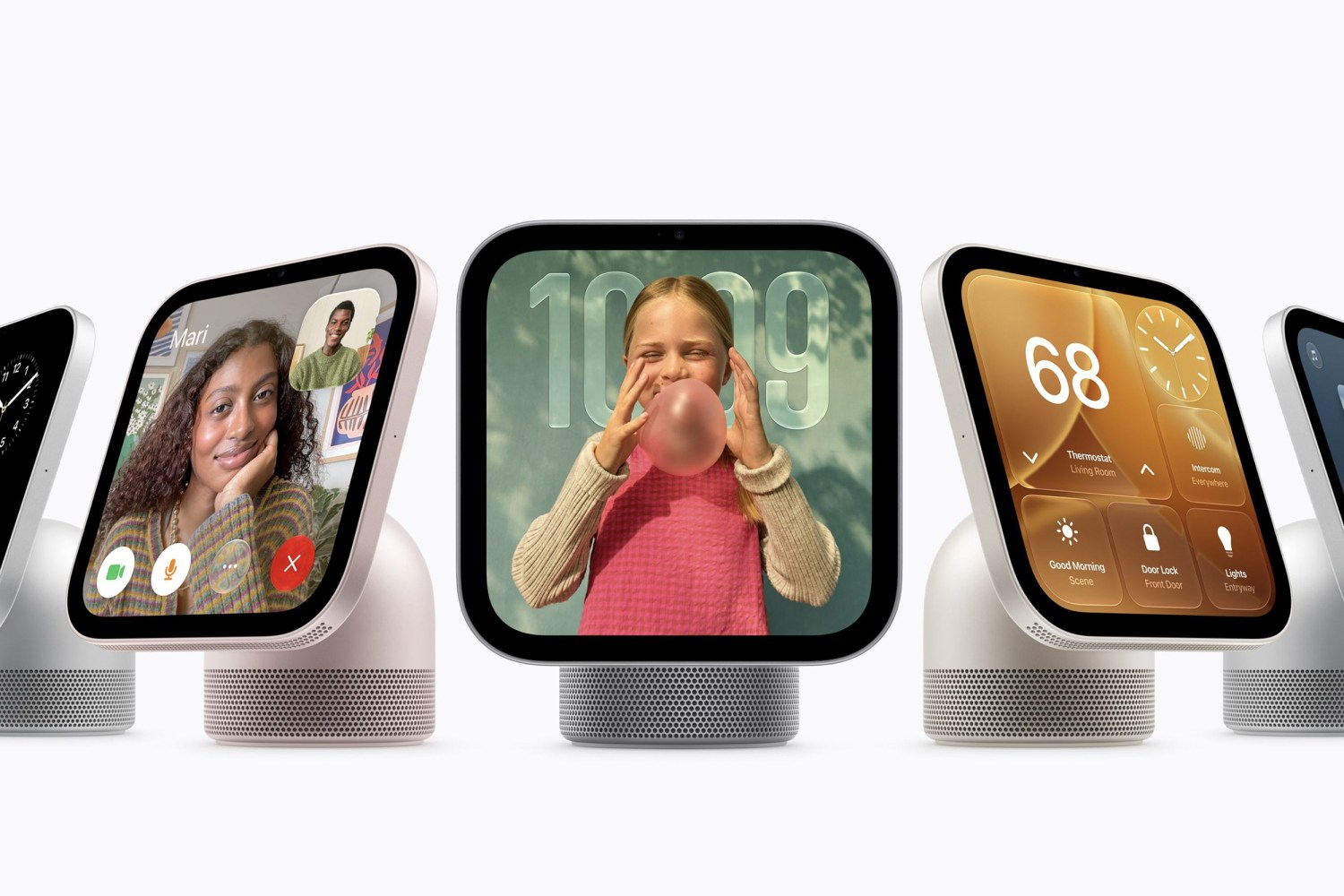
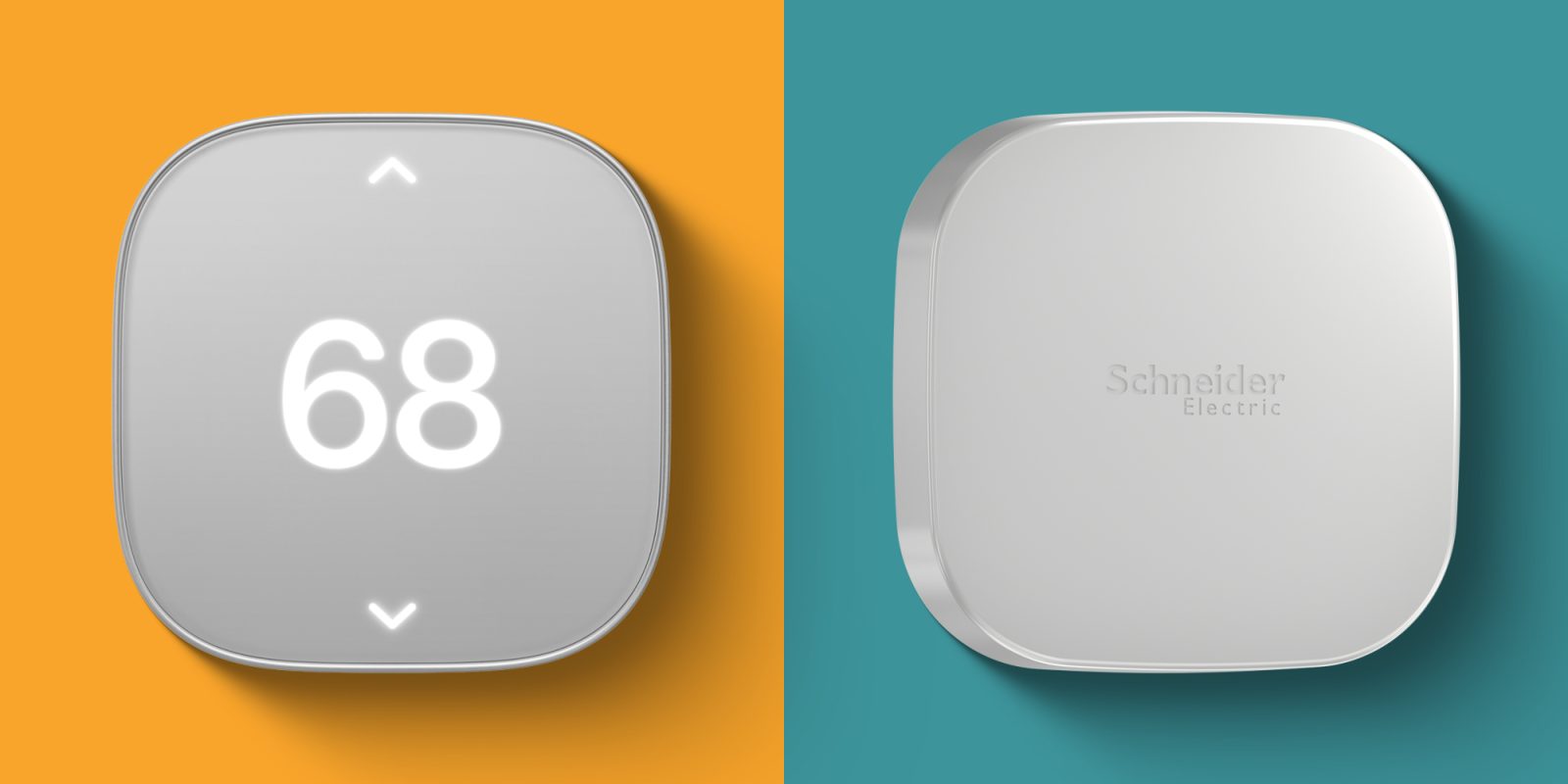
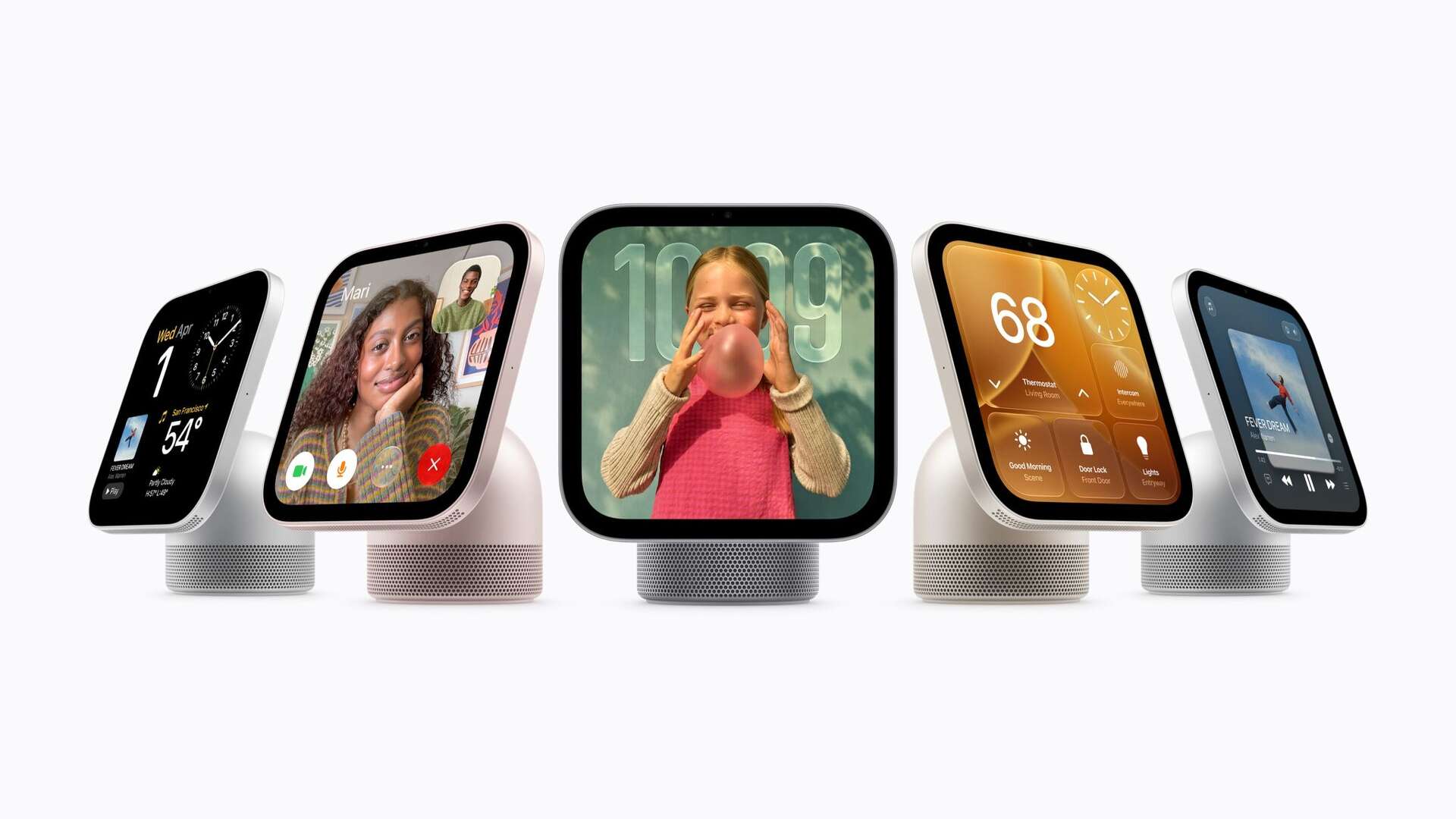
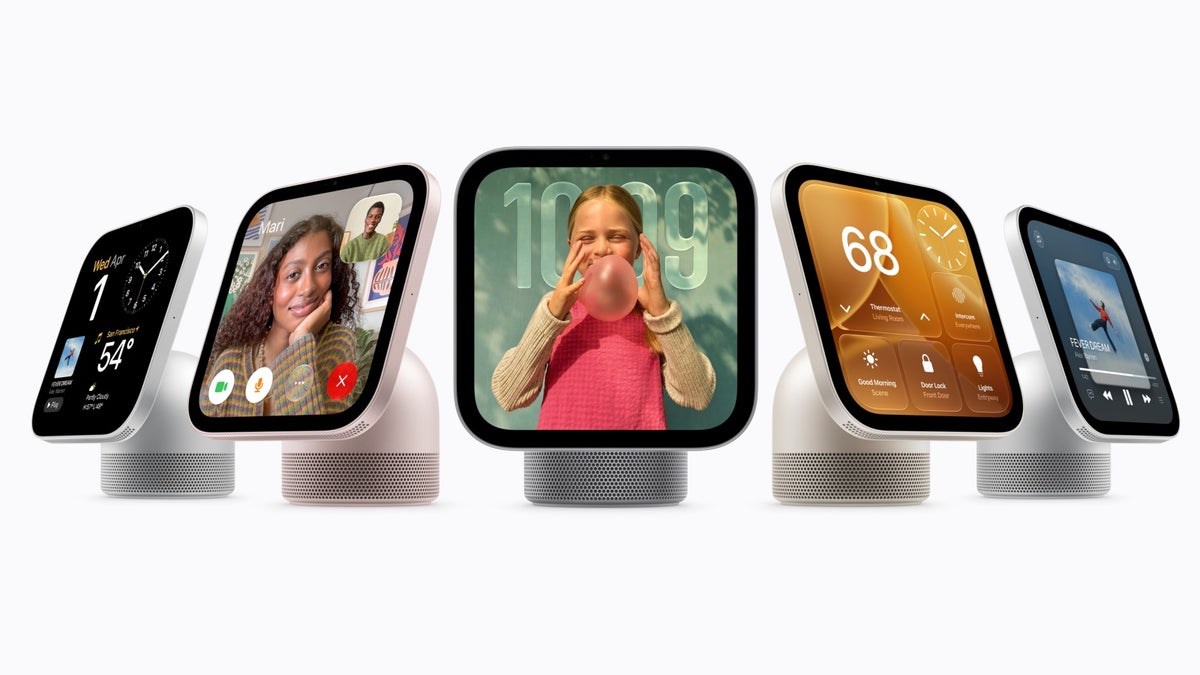
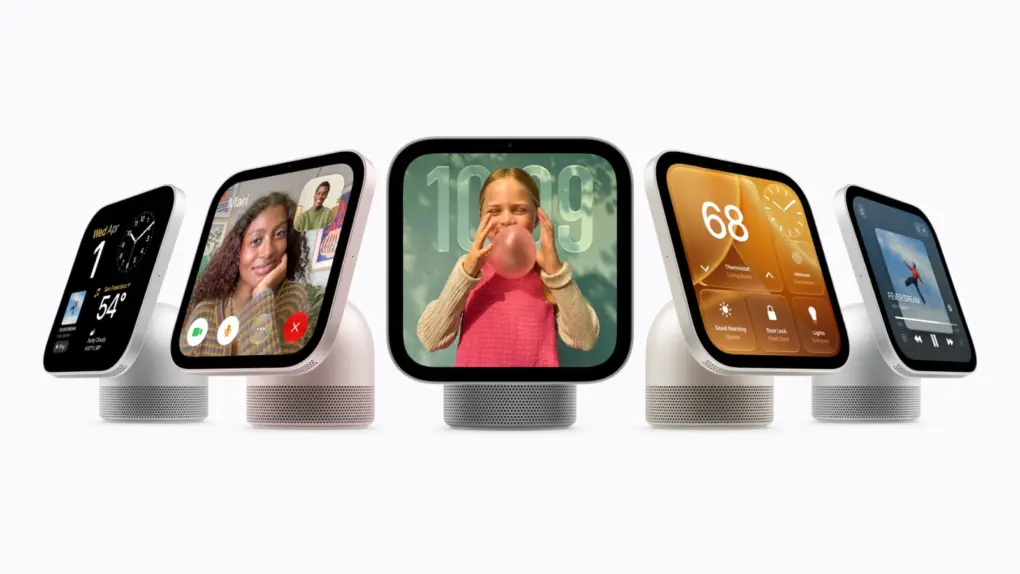
Apple's launch of its first proprietary smart home device lineup after 12 years of third-party reliance represents a major market consolidation event with significant implications for e-commerce sellers. The Apple Home Collection—including cameras, thermostats, smart locks, and the HomeView display (priced $200-$400)—signals a strategic shift powered by two enabling technologies: Matter interoperability standard and AI-enhanced Siri. This move directly impacts sellers across multiple dimensions: (1) Product Sourcing Opportunity: The collection codeveloped with LG Electronics and Schneider Electric demonstrates Apple's willingness to partner with manufacturers, creating potential OEM and white-label opportunities for sellers supplying components or compatible accessories. (2) Accessory & Compatibility Market: Apple's emphasis on "guided entry point" positioning means millions of existing HomeKit users will seek compatible third-party devices, mounting hardware, cables, and integration solutions—a high-margin accessory category historically underserved. (3) Competitive Intelligence: Apple's third-place ranking behind Amazon (Ring) and Google (Nest) in smart home adoption reveals a fragmented market where sellers can differentiate through niche positioning. The news explicitly states Apple "maintains commitment to the broader HomeKit ecosystem," meaning third-party HomeKit device sellers face both competition (from Apple's curated collection) and opportunity (from Apple's marketing driving HomeKit awareness).
AI-Powered Automation Opportunity: The "advanced AI powering conversational Siri" represents a critical competitive moat. Sellers can immediately leverage AI tools to: (1) Automated Product Research: Use AI to identify which HomeKit-compatible devices have lowest review counts or highest return rates—gaps Apple's collection doesn't fill. (2) Dynamic Pricing: AI analysis of Apple's $200-400 price points combined with competitor Ring/Nest pricing can optimize seller positioning. (3) Content Automation: Generate HomeKit compatibility guides, setup tutorials, and comparison content at scale using AI, capturing search traffic from buyers confused by Apple's "one-tap setup" claims. (4) Predictive Demand: AI can forecast which accessory categories (Thread-compatible hubs, UWB-enabled mounts, iCloud Plus bundle deals) will spike as Apple drives HomeKit adoption.
Market Consolidation Risk: Parks Associates research cited in the news identifies three adoption barriers—complexity, privacy concerns, lack of clear value—that Apple's collection directly addresses. This means Apple will likely capture 15-25% of new smart home buyers in 2025, potentially reducing addressable market for third-party sellers. However, the news explicitly states Apple's collection "doesn't introduce exclusive features unavailable to other HomeKit devices," meaning sellers can compete on price, specialization, and niche features (e.g., energy-efficient thermostats, pet-friendly cameras, outdoor-specific sensors).
Subscription Revenue Model: Camera history requires iCloud Plus subscription—a recurring revenue model that creates switching costs. Sellers should monitor whether Amazon (Ring) and Google (Nest) follow suit, as this could compress margins on hardware while creating opportunities in subscription-alternative services (local storage solutions, third-party cloud backup).
Questions 8
What are the privacy and security implications for sellers and customers?
Apple's collection emphasizes 'end-to-end encryption' and 'Thread connectivity for offline reliability'—features that address Parks Associates research identifying privacy as a key adoption barrier. For sellers, this creates both compliance requirements and marketing opportunities: (1) **Compliance**: Any HomeKit-compatible device must support end-to-end encryption and local processing (not cloud-dependent) to meet Apple's standards. Sellers should verify their products meet these requirements before listing as 'HomeKit compatible.' (2) **Marketing Advantage**: Emphasize privacy features in product listings and content—buyers increasingly prioritize data security, and Apple's positioning makes this a key differentiator. (3) **Subscription Model Risk**: Apple's requirement for iCloud Plus subscription to store camera history creates a recurring revenue model. Sellers should monitor whether Amazon and Google follow suit, as this could compress hardware margins. Consider developing local storage solutions or third-party cloud alternatives as competitive offerings. The news indicates Apple's approach requires 'no separate accounts or apps,' setting new UX expectations that sellers should match in product design and documentation.
What AI automation opportunities exist for sellers in smart home category?
Apple's launch powered by 'advanced AI' and Matter interoperability creates four immediate automation wins: (1) **Automated Competitor Monitoring**—use AI tools to track Ring, Nest, and HomeKit device pricing, features, and review sentiment daily, automatically alerting you to market gaps or pricing opportunities; (2) **Dynamic Pricing Optimization**—feed Apple's $200-400 price points, competitor pricing, and your inventory turnover into AI pricing engines to maximize margins while staying competitive; (3) **Content Generation at Scale**—use AI to generate HomeKit compatibility guides, setup tutorials, and comparison content for 50+ product variations, capturing long-tail search traffic from buyers researching compatibility; (4) **Predictive Demand Forecasting**—AI analysis of Apple's marketing spend, press coverage, and search trends can predict which accessory categories (Thread hubs, UWB mounts, iCloud alternatives) will spike 4-8 weeks before demand peaks. Implementation timeline: 2-4 weeks to integrate AI tools; expected ROI is 15-25% improvement in conversion rates and 20-30% reduction in content creation time.
What is the competitive threat from Amazon Ring and Google Nest?
The news explicitly states Apple 'faces competitive challenges: the smart display market is mature with millions of existing Echo and Google devices, and Apple Home ranks third in platform adoption behind Google and Amazon.' This reveals a three-player market where Amazon and Google have established distribution, brand recognition, and installed bases. For sellers, this creates both risk and opportunity: (1) **Risk**: Amazon and Google will likely respond to Apple's launch with aggressive pricing, bundling, or exclusive features. Expect Ring and Nest price cuts in Q1 2025 that compress margins across the category. (2) **Opportunity**: Apple's third-place ranking means the market is fragmented. Sellers can differentiate by focusing on underserved segments (e.g., privacy-conscious buyers, non-Amazon/Google ecosystems, specialized use cases like pet monitoring or energy management). (3) **Strategic Positioning**: The news indicates Apple positions its collection as a 'guided entry point for existing Apple customers,' not a replacement for third-party options. This suggests Apple will drive HomeKit adoption without cannibalizing third-party sales. Sellers should monitor whether Amazon and Google follow Apple's 'ecosystem commitment' strategy or pursue exclusive positioning. Immediate action: analyze your current customer base for Apple ecosystem penetration; if >30% of customers use Apple devices, prioritize HomeKit certification for your product line.
How does Matter protocol adoption affect seller product strategy?
Matter is the 'interoperable open standard Apple helped establish,' meaning it's becoming the industry standard for smart home device communication. For sellers, this has three implications: (1) **Product Development Priority**: Prioritize Matter-compatible devices in sourcing and development. The news states 'most devices support Matter and Thread protocols,' indicating these are table-stakes for new products. Non-Matter devices will face declining demand as the ecosystem consolidates. (2) **Competitive Positioning**: Apple's collection supports Matter (except cameras, which use proprietary HomeKit Secure Video), creating an opportunity for sellers to emphasize Matter compatibility as a future-proofing feature. Buyers increasingly understand that Matter devices work across ecosystems (Apple, Amazon, Google), reducing lock-in risk. (3) **Accessory Ecosystem**: Matter creates demand for compatible hubs, bridges, and adapters. Sellers should source Thread-compatible hubs and Matter bridges as high-margin accessories. Implementation timeline: audit your product catalog for Matter certification status within 30 days; prioritize sourcing Matter-certified devices for 2025 inventory planning. Expected impact: Matter-compatible products will command 10-15% price premiums by Q2 2025 as adoption accelerates.
What subscription and recurring revenue opportunities exist in smart home?
Apple's requirement for iCloud Plus subscription to store camera history signals a shift toward recurring revenue models in smart home. For sellers, this creates three opportunities: (1) **Subscription Alternatives**: Develop or source devices that offer local storage, on-device processing, or third-party cloud backup as alternatives to Apple's iCloud Plus model. Buyers seeking to avoid subscription costs represent a growing segment. (2) **Bundle Strategies**: Combine hardware sales with subscription services (e.g., device monitoring, maintenance alerts, energy optimization) to increase customer lifetime value. Expected margins: 40-60% on subscription services vs. 20-30% on hardware. (3) **Competitive Positioning**: If Amazon Ring and Google Nest adopt subscription models (likely by Q2 2025), sellers offering subscription-free alternatives will gain market share. The news indicates Apple's approach addresses 'lack of clear value proposition' as an adoption barrier—meaning buyers need to understand why they're paying for subscriptions. Sellers should emphasize transparent, optional subscription models in marketing. Implementation timeline: audit your product roadmap for subscription-compatible features within 60 days; consider partnerships with cloud storage or monitoring service providers to offer bundled solutions by Q2 2025.
What is Apple's new smart home strategy and how does it affect third-party sellers?
Apple launched its first proprietary smart home collection ($200-$400 devices) after 12 years of relying on third-party manufacturers, marking a shift toward vertical integration. However, Apple explicitly maintains commitment to the broader HomeKit ecosystem, positioning its collection as a 'guided entry point' rather than replacement for third-party options. This creates dual opportunities: (1) sellers can capture buyers seeking HomeKit-compatible alternatives to Apple's devices, and (2) accessory demand will spike as millions of existing HomeKit users adopt Apple's collection. The news indicates Apple ranks third in smart home adoption behind Amazon and Google, meaning sellers have room to differentiate through niche positioning, specialized features, or price competition. Immediate action: audit your HomeKit-compatible product listings for missing compatibility badges and review content for clarity on setup complexity—Apple's emphasis on 'one-tap setup' sets new customer expectations.
How should sellers respond to Apple's $200-400 price positioning?
Apple's pricing ($200-$400 per device) establishes a premium market segment. Sellers have three strategic options: (1) **Compete on Price**—source compatible devices from manufacturers like Aqara, Eve, or Nanoleaf at 20-30% lower price points, emphasizing value for budget-conscious buyers; (2) **Differentiate on Features**—focus on specialized capabilities Apple's collection lacks (e.g., outdoor weatherproofing, pet detection, energy analytics) or niche use cases (rental properties, commercial spaces); (3) **Bundle Strategy**—combine HomeKit devices with complementary products (cables, hubs, subscription services) to increase average order value. The news notes Apple's cameras use proprietary HomeKit Secure Video rather than Matter, creating an opportunity for sellers to offer Matter-compatible camera alternatives with lower subscription costs. Monitor Amazon Ring and Google Nest pricing responses—they may cut prices to defend market share, creating margin compression that sellers should anticipate in Q1 2025.
Which product categories benefit most from Apple's smart home launch?
Four categories show immediate opportunity: (1) **Smart Home Accessories** (mounting hardware, cables, hubs, adapters for Thread/Matter compatibility)—high-margin items with 40-60% gross margins; (2) **HomeKit-Compatible Devices** (cameras, locks, sensors from non-Apple brands)—sellers can position as 'budget alternatives' or 'specialized solutions' Apple doesn't offer; (3) **Smart Home Integration Services** (setup guides, compatibility databases, troubleshooting content)—AI-generated content can capture search traffic from confused buyers; (4) **Energy Management Products** (smart plugs, power monitors, solar integrations)—Apple's 'Clean Energy Guidance' feature signals growing consumer interest in sustainability-focused smart home. The news mentions LG and Schneider Electric partnerships, indicating OEM/white-label opportunities for sellers supplying components. Sellers in electronics category should prioritize HomeKit certification and Matter protocol support in product development roadmaps.
What are the privacy and security implications for sellers and customers?
Apple's collection emphasizes 'end-to-end encryption' and 'Thread connectivity for offline reliability'—features that address Parks Associates research identifying privacy as a key adoption barrier. For sellers, this creates both compliance requirements and marketing opportunities: (1) **Compliance**: Any HomeKit-compatible device must support end-to-end encryption and local processing (not cloud-dependent) to meet Apple's standards. Sellers should verify their products meet these requirements before listing as 'HomeKit compatible.' (2) **Marketing Advantage**: Emphasize privacy features in product listings and content—buyers increasingly prioritize data security, and Apple's positioning makes this a key differentiator. (3) **Subscription Model Risk**: Apple's requirement for iCloud Plus subscription to store camera history creates a recurring revenue model. Sellers should monitor whether Amazon and Google follow suit, as this could compress hardware margins. Consider developing local storage solutions or third-party cloud alternatives as competitive offerings. The news indicates Apple's approach requires 'no separate accounts or apps,' setting new UX expectations that sellers should match in product design and documentation.
What AI automation opportunities exist for sellers in smart home category?
Apple's launch powered by 'advanced AI' and Matter interoperability creates four immediate automation wins: (1) **Automated Competitor Monitoring**—use AI tools to track Ring, Nest, and HomeKit device pricing, features, and review sentiment daily, automatically alerting you to market gaps or pricing opportunities; (2) **Dynamic Pricing Optimization**—feed Apple's $200-400 price points, competitor pricing, and your inventory turnover into AI pricing engines to maximize margins while staying competitive; (3) **Content Generation at Scale**—use AI to generate HomeKit compatibility guides, setup tutorials, and comparison content for 50+ product variations, capturing long-tail search traffic from buyers researching compatibility; (4) **Predictive Demand Forecasting**—AI analysis of Apple's marketing spend, press coverage, and search trends can predict which accessory categories (Thread hubs, UWB mounts, iCloud alternatives) will spike 4-8 weeks before demand peaks. Implementation timeline: 2-4 weeks to integrate AI tools; expected ROI is 15-25% improvement in conversion rates and 20-30% reduction in content creation time.
What is the competitive threat from Amazon Ring and Google Nest?
The news explicitly states Apple 'faces competitive challenges: the smart display market is mature with millions of existing Echo and Google devices, and Apple Home ranks third in platform adoption behind Google and Amazon.' This reveals a three-player market where Amazon and Google have established distribution, brand recognition, and installed bases. For sellers, this creates both risk and opportunity: (1) **Risk**: Amazon and Google will likely respond to Apple's launch with aggressive pricing, bundling, or exclusive features. Expect Ring and Nest price cuts in Q1 2025 that compress margins across the category. (2) **Opportunity**: Apple's third-place ranking means the market is fragmented. Sellers can differentiate by focusing on underserved segments (e.g., privacy-conscious buyers, non-Amazon/Google ecosystems, specialized use cases like pet monitoring or energy management). (3) **Strategic Positioning**: The news indicates Apple positions its collection as a 'guided entry point for existing Apple customers,' not a replacement for third-party options. This suggests Apple will drive HomeKit adoption without cannibalizing third-party sales. Sellers should monitor whether Amazon and Google follow Apple's 'ecosystem commitment' strategy or pursue exclusive positioning. Immediate action: analyze your current customer base for Apple ecosystem penetration; if >30% of customers use Apple devices, prioritize HomeKit certification for your product line.
How does Matter protocol adoption affect seller product strategy?
Matter is the 'interoperable open standard Apple helped establish,' meaning it's becoming the industry standard for smart home device communication. For sellers, this has three implications: (1) **Product Development Priority**: Prioritize Matter-compatible devices in sourcing and development. The news states 'most devices support Matter and Thread protocols,' indicating these are table-stakes for new products. Non-Matter devices will face declining demand as the ecosystem consolidates. (2) **Competitive Positioning**: Apple's collection supports Matter (except cameras, which use proprietary HomeKit Secure Video), creating an opportunity for sellers to emphasize Matter compatibility as a future-proofing feature. Buyers increasingly understand that Matter devices work across ecosystems (Apple, Amazon, Google), reducing lock-in risk. (3) **Accessory Ecosystem**: Matter creates demand for compatible hubs, bridges, and adapters. Sellers should source Thread-compatible hubs and Matter bridges as high-margin accessories. Implementation timeline: audit your product catalog for Matter certification status within 30 days; prioritize sourcing Matter-certified devices for 2025 inventory planning. Expected impact: Matter-compatible products will command 10-15% price premiums by Q2 2025 as adoption accelerates.
What subscription and recurring revenue opportunities exist in smart home?
Apple's requirement for iCloud Plus subscription to store camera history signals a shift toward recurring revenue models in smart home. For sellers, this creates three opportunities: (1) **Subscription Alternatives**: Develop or source devices that offer local storage, on-device processing, or third-party cloud backup as alternatives to Apple's iCloud Plus model. Buyers seeking to avoid subscription costs represent a growing segment. (2) **Bundle Strategies**: Combine hardware sales with subscription services (e.g., device monitoring, maintenance alerts, energy optimization) to increase customer lifetime value. Expected margins: 40-60% on subscription services vs. 20-30% on hardware. (3) **Competitive Positioning**: If Amazon Ring and Google Nest adopt subscription models (likely by Q2 2025), sellers offering subscription-free alternatives will gain market share. The news indicates Apple's approach addresses 'lack of clear value proposition' as an adoption barrier—meaning buyers need to understand why they're paying for subscriptions. Sellers should emphasize transparent, optional subscription models in marketing. Implementation timeline: audit your product roadmap for subscription-compatible features within 60 days; consider partnerships with cloud storage or monitoring service providers to offer bundled solutions by Q2 2025.
What is Apple's new smart home strategy and how does it affect third-party sellers?
Apple launched its first proprietary smart home collection ($200-$400 devices) after 12 years of relying on third-party manufacturers, marking a shift toward vertical integration. However, Apple explicitly maintains commitment to the broader HomeKit ecosystem, positioning its collection as a 'guided entry point' rather than replacement for third-party options. This creates dual opportunities: (1) sellers can capture buyers seeking HomeKit-compatible alternatives to Apple's devices, and (2) accessory demand will spike as millions of existing HomeKit users adopt Apple's collection. The news indicates Apple ranks third in smart home adoption behind Amazon and Google, meaning sellers have room to differentiate through niche positioning, specialized features, or price competition. Immediate action: audit your HomeKit-compatible product listings for missing compatibility badges and review content for clarity on setup complexity—Apple's emphasis on 'one-tap setup' sets new customer expectations.
How should sellers respond to Apple's $200-400 price positioning?
Apple's pricing ($200-$400 per device) establishes a premium market segment. Sellers have three strategic options: (1) **Compete on Price**—source compatible devices from manufacturers like Aqara, Eve, or Nanoleaf at 20-30% lower price points, emphasizing value for budget-conscious buyers; (2) **Differentiate on Features**—focus on specialized capabilities Apple's collection lacks (e.g., outdoor weatherproofing, pet detection, energy analytics) or niche use cases (rental properties, commercial spaces); (3) **Bundle Strategy**—combine HomeKit devices with complementary products (cables, hubs, subscription services) to increase average order value. The news notes Apple's cameras use proprietary HomeKit Secure Video rather than Matter, creating an opportunity for sellers to offer Matter-compatible camera alternatives with lower subscription costs. Monitor Amazon Ring and Google Nest pricing responses—they may cut prices to defend market share, creating margin compression that sellers should anticipate in Q1 2025.
Which product categories benefit most from Apple's smart home launch?
Four categories show immediate opportunity: (1) **Smart Home Accessories** (mounting hardware, cables, hubs, adapters for Thread/Matter compatibility)—high-margin items with 40-60% gross margins; (2) **HomeKit-Compatible Devices** (cameras, locks, sensors from non-Apple brands)—sellers can position as 'budget alternatives' or 'specialized solutions' Apple doesn't offer; (3) **Smart Home Integration Services** (setup guides, compatibility databases, troubleshooting content)—AI-generated content can capture search traffic from confused buyers; (4) **Energy Management Products** (smart plugs, power monitors, solar integrations)—Apple's 'Clean Energy Guidance' feature signals growing consumer interest in sustainability-focused smart home. The news mentions LG and Schneider Electric partnerships, indicating OEM/white-label opportunities for sellers supplying components. Sellers in electronics category should prioritize HomeKit certification and Matter protocol support in product development roadmaps.
What are the privacy and security implications for sellers and customers?
Apple's collection emphasizes 'end-to-end encryption' and 'Thread connectivity for offline reliability'—features that address Parks Associates research identifying privacy as a key adoption barrier. For sellers, this creates both compliance requirements and marketing opportunities: (1) **Compliance**: Any HomeKit-compatible device must support end-to-end encryption and local processing (not cloud-dependent) to meet Apple's standards. Sellers should verify their products meet these requirements before listing as 'HomeKit compatible.' (2) **Marketing Advantage**: Emphasize privacy features in product listings and content—buyers increasingly prioritize data security, and Apple's positioning makes this a key differentiator. (3) **Subscription Model Risk**: Apple's requirement for iCloud Plus subscription to store camera history creates a recurring revenue model. Sellers should monitor whether Amazon and Google follow suit, as this could compress hardware margins. Consider developing local storage solutions or third-party cloud alternatives as competitive offerings. The news indicates Apple's approach requires 'no separate accounts or apps,' setting new UX expectations that sellers should match in product design and documentation.
What AI automation opportunities exist for sellers in smart home category?
Apple's launch powered by 'advanced AI' and Matter interoperability creates four immediate automation wins: (1) **Automated Competitor Monitoring**—use AI tools to track Ring, Nest, and HomeKit device pricing, features, and review sentiment daily, automatically alerting you to market gaps or pricing opportunities; (2) **Dynamic Pricing Optimization**—feed Apple's $200-400 price points, competitor pricing, and your inventory turnover into AI pricing engines to maximize margins while staying competitive; (3) **Content Generation at Scale**—use AI to generate HomeKit compatibility guides, setup tutorials, and comparison content for 50+ product variations, capturing long-tail search traffic from buyers researching compatibility; (4) **Predictive Demand Forecasting**—AI analysis of Apple's marketing spend, press coverage, and search trends can predict which accessory categories (Thread hubs, UWB mounts, iCloud alternatives) will spike 4-8 weeks before demand peaks. Implementation timeline: 2-4 weeks to integrate AI tools; expected ROI is 15-25% improvement in conversion rates and 20-30% reduction in content creation time.