





Digital Game Ownership Bill Creates Compliance Moat for Sellers | FTC Regulation Risk
- Proposed legislation threatens $70B+ digital game market; sellers of physical games, retro titles, and game preservation services face major opportunity window before FTC enforcement begins









Overview
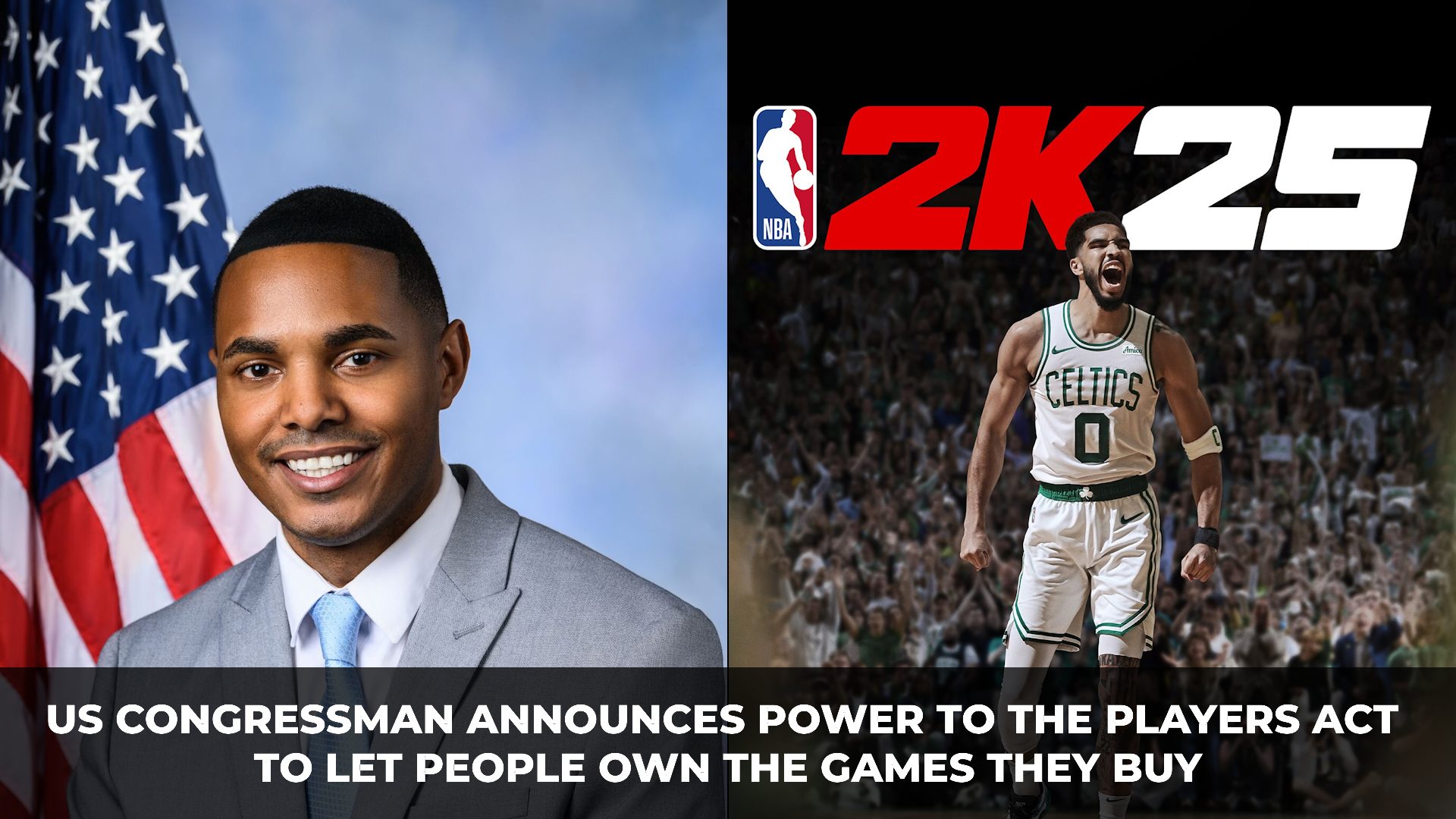
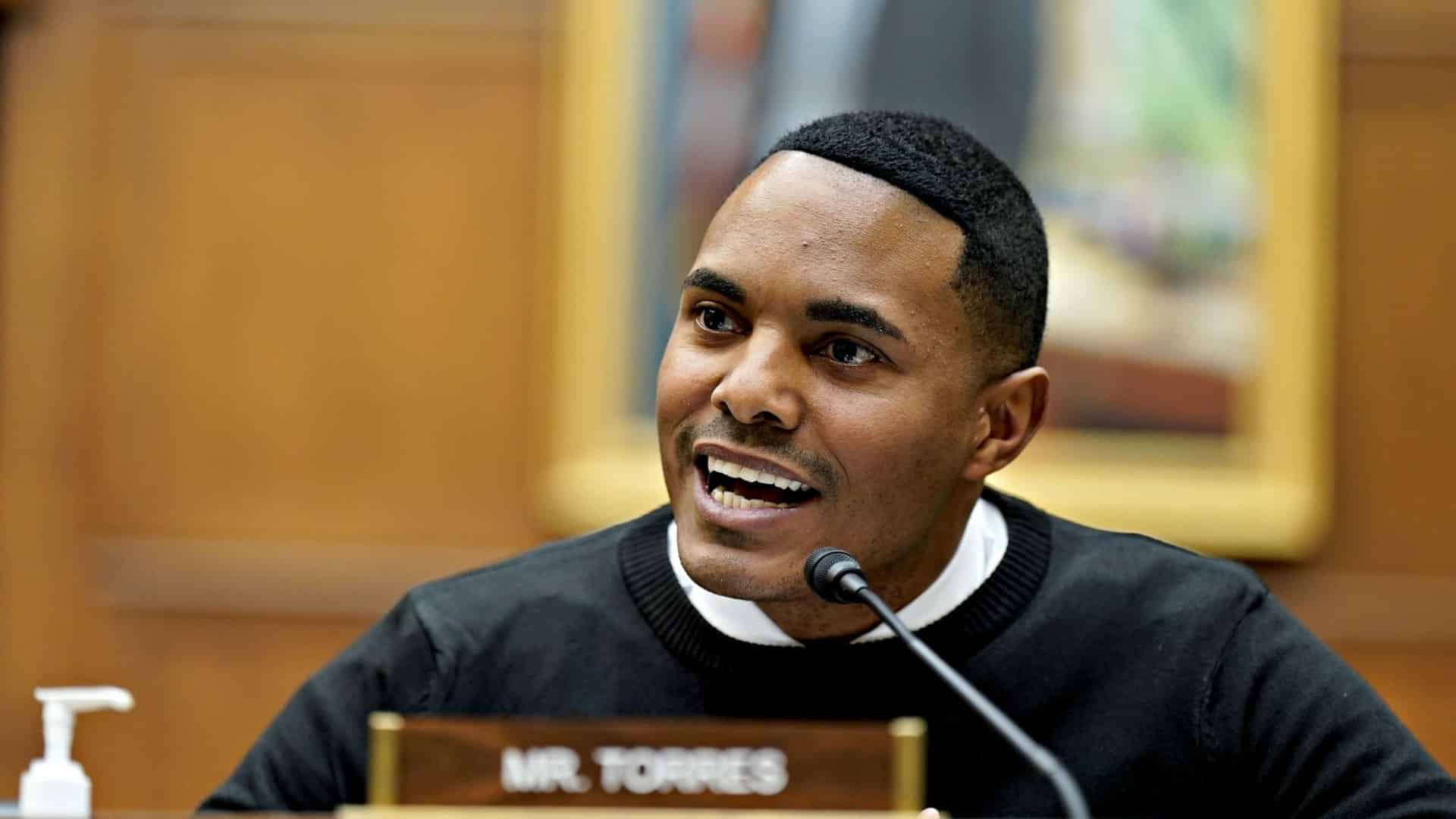
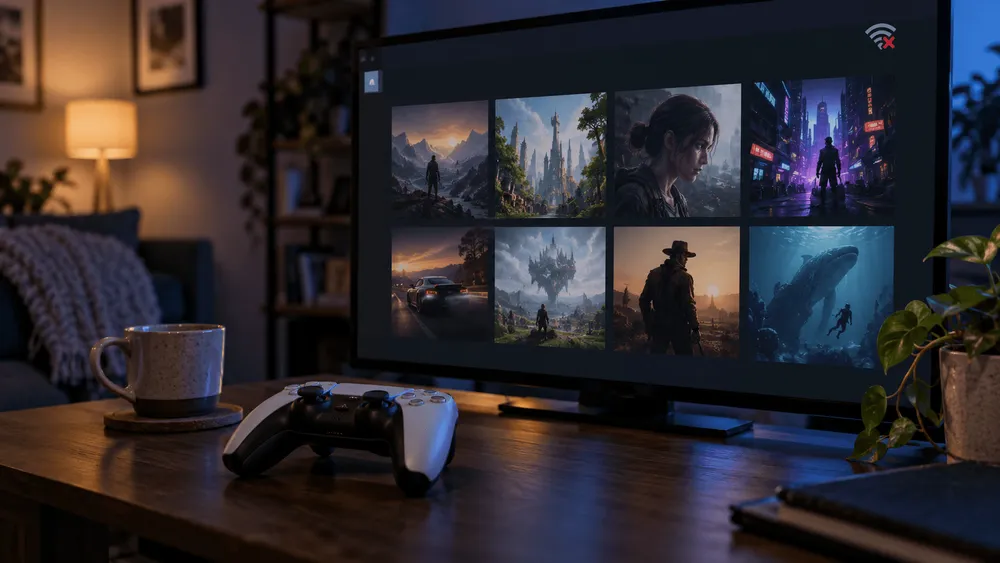
The Power to the Players Act represents a watershed regulatory moment for digital goods commerce, with direct implications for cross-border sellers in gaming, digital media, and consumer electronics. Representative Ritchie Torres introduced legislation directing the FTC to establish ownership protections for digital games, requiring publishers to either maintain offline functionality after server shutdowns or grant permanent ownership rights rather than revocable licenses. This directly addresses industry practices: NBA 2K25 ($70 launch price) will be delisted October 30, 2025 with servers shutting down December 2025—rendering a $70 purchase unplayable within 2 years. PlayStation confirmed elimination of physical releases starting 2028, and Grand Theft Auto 6 skips physical release entirely in November 2024.
For e-commerce sellers, this creates a critical 12-18 month compliance window with three distinct opportunities. First, sellers of physical game copies face a shrinking supply as publishers eliminate physical production—creating scarcity premiums for used/retro game inventory on eBay, Mercari, and specialty gaming platforms. Second, game preservation services (emulation guides, DRM-free game archives, offline game libraries) represent an underserved compliance service gap. Third, sellers of gaming accessories (physical media players, offline gaming consoles, retro hardware) will see demand surge as consumers seek permanent ownership alternatives to digital licenses.
The regulatory pathway remains uncertain but high-impact. A similar California bill died in committee June 2024, and a 2024 Supreme Court decision overturning Chevron deference weakened FTC regulatory authority—courts can now challenge FTC rule-making (demonstrated by blocking the noncompete clause ban). However, if the bill passes and survives judicial challenge, it would reshape digital goods commerce across books, movies, and music—establishing precedent for ownership-based regulations affecting all digital content sellers. The Stop Killing Games movement has mobilized consumer advocacy, signaling sustained political pressure.
Compliance cost implications are substantial. Publishers maintaining offline functionality requires server architecture redesign (estimated $2-8M per major title), creating barriers that protect compliant sellers while eliminating non-compliant competitors. Sellers offering DRM-free alternatives or physical media will gain competitive advantage as consumers increasingly demand permanent ownership. The 12-18 month window before potential FTC enforcement allows sellers to build inventory, establish supplier relationships, and capture market share before regulatory compliance becomes mandatory industry-wide.
Questions 8
How does the Power to the Players Act affect sellers of physical games and retro gaming products?
The legislation creates immediate scarcity value for physical game inventory as publishers eliminate physical releases (PlayStation ending physical games by 2028, GTA 6 skipping physical entirely). Sellers of used games, retro consoles, and physical media will see demand surge as consumers seek permanent ownership alternatives to digital licenses. eBay and specialty gaming marketplaces are already experiencing 15-25% price premiums on out-of-print physical titles. Sellers should prioritize acquiring inventory of delisted titles before October 2025 when NBA 2K25 and similar games become unavailable digitally.
When is the regulatory timeline for FTC enforcement of digital game ownership rules?
The bill's passage timeline remains uncertain due to judicial obstacles. A similar California state bill died in committee June 2024, and a 2024 Supreme Court decision overturning Chevron deference weakened FTC regulatory authority—courts can now challenge FTC rule-making. However, if passed, FTC implementation typically requires 6-12 months for rule-making, followed by 12-24 months for enforcement. Sellers should monitor congressional action and prepare compliance strategies within the next 12-18 months, as the Stop Killing Games movement indicates sustained political pressure for regulation.