
AI Game Cloning Crisis Forces Indie Developers to Restrict Demo Access | Seller Implications
- Alliance Arts cancels public demo over AI replication fears; March 2024 Typing Magician clone beat original to market; indie studios face IP enforcement challenges with limited resources




Overview
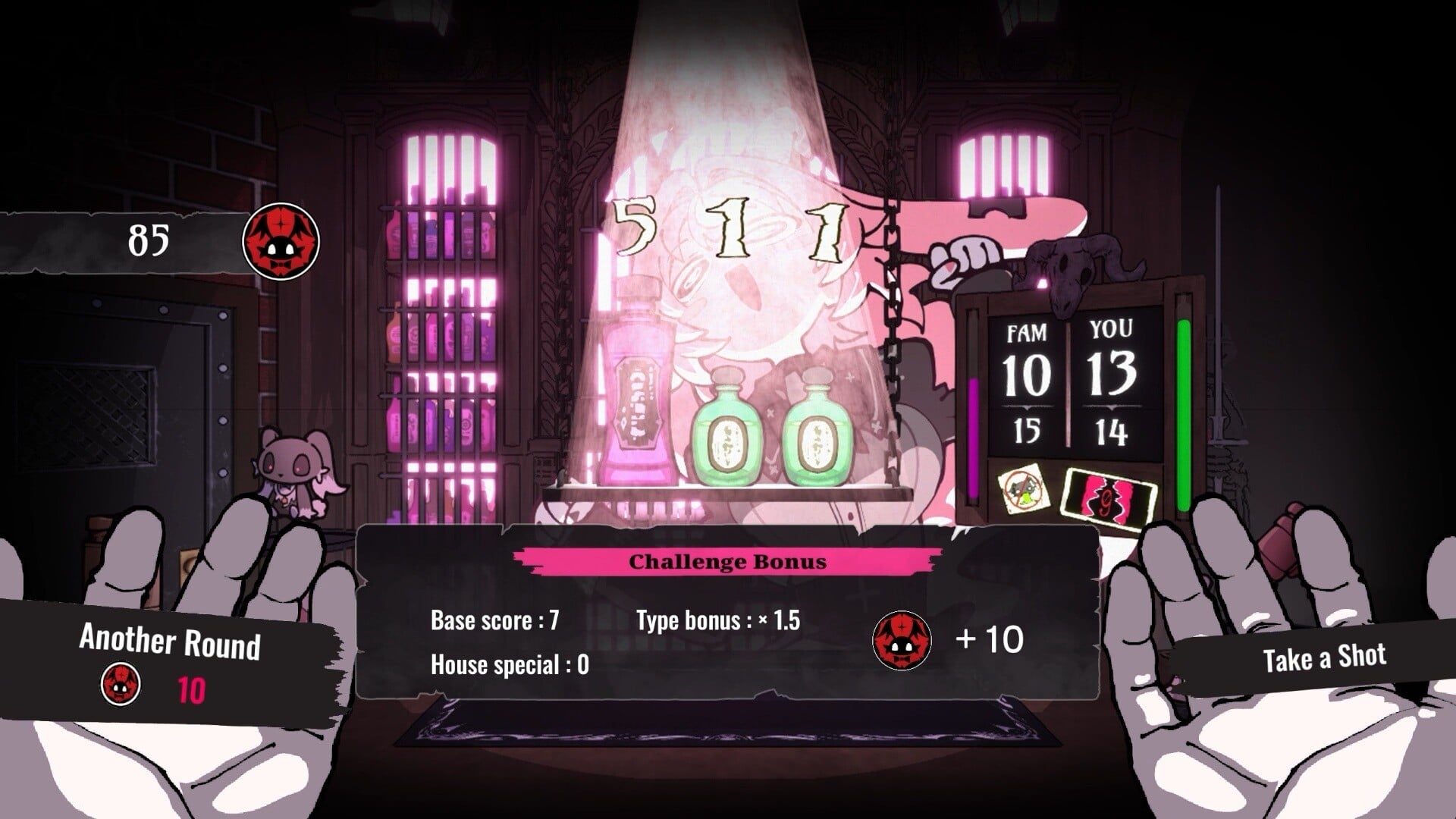
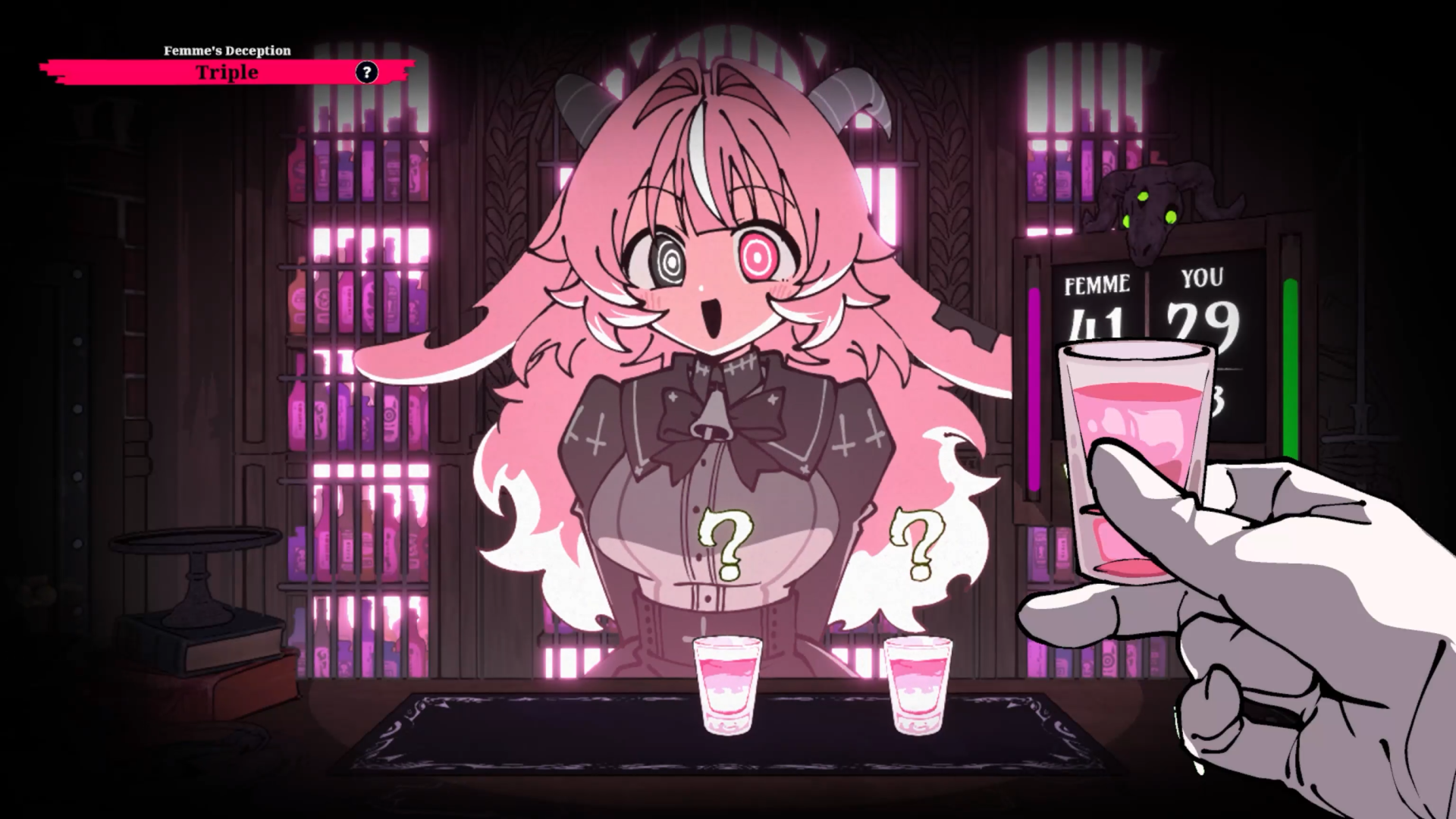
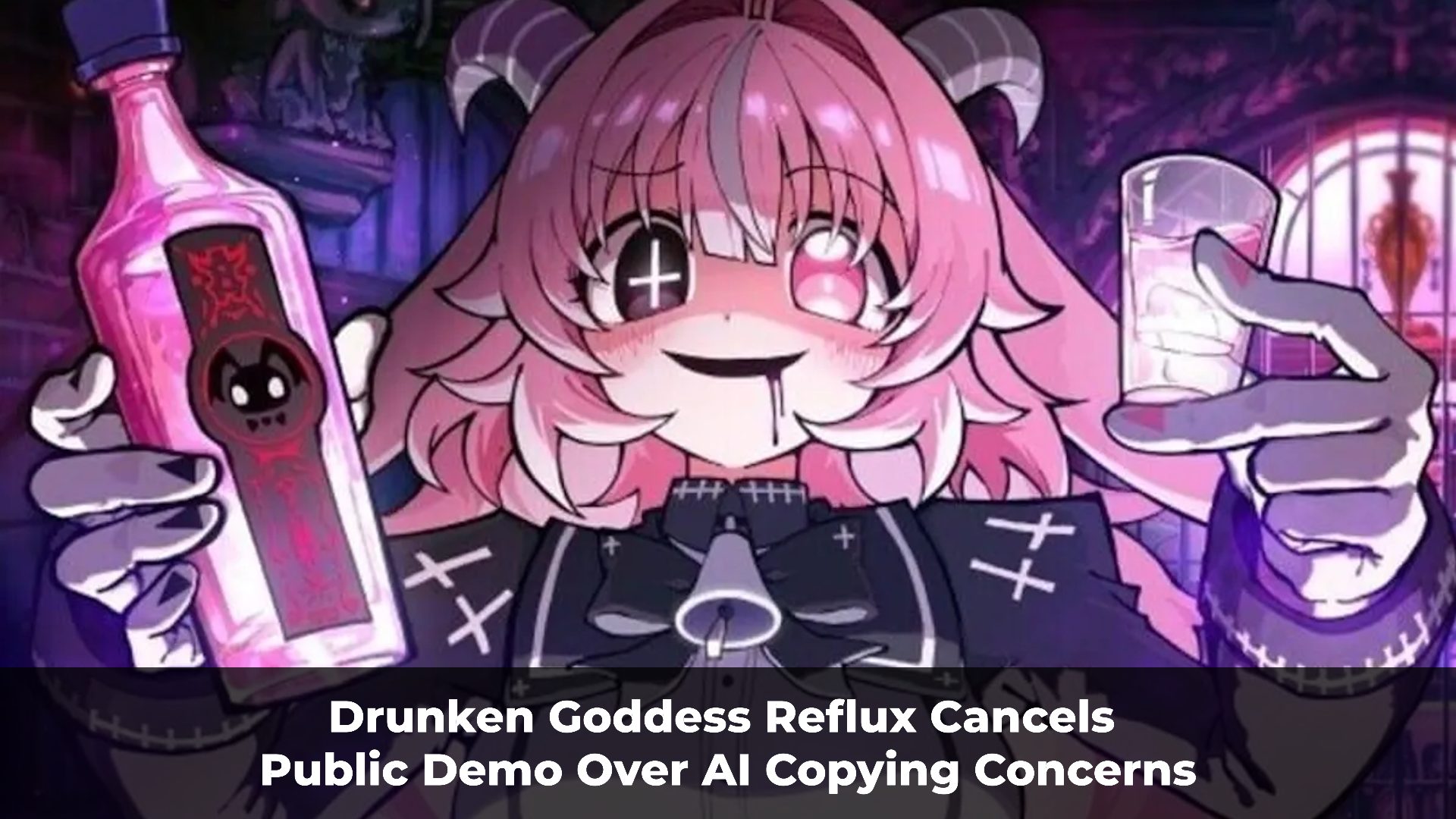
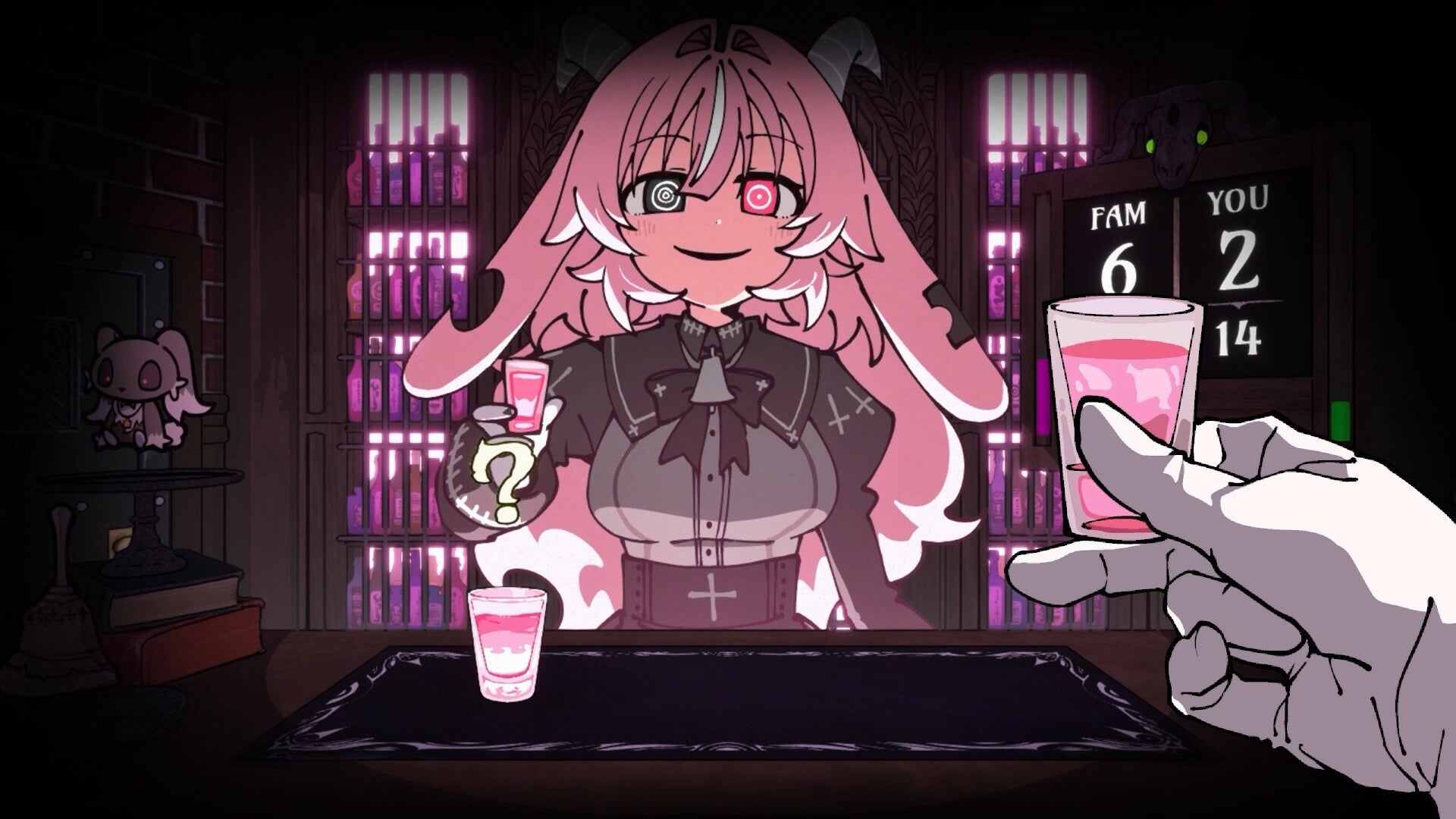
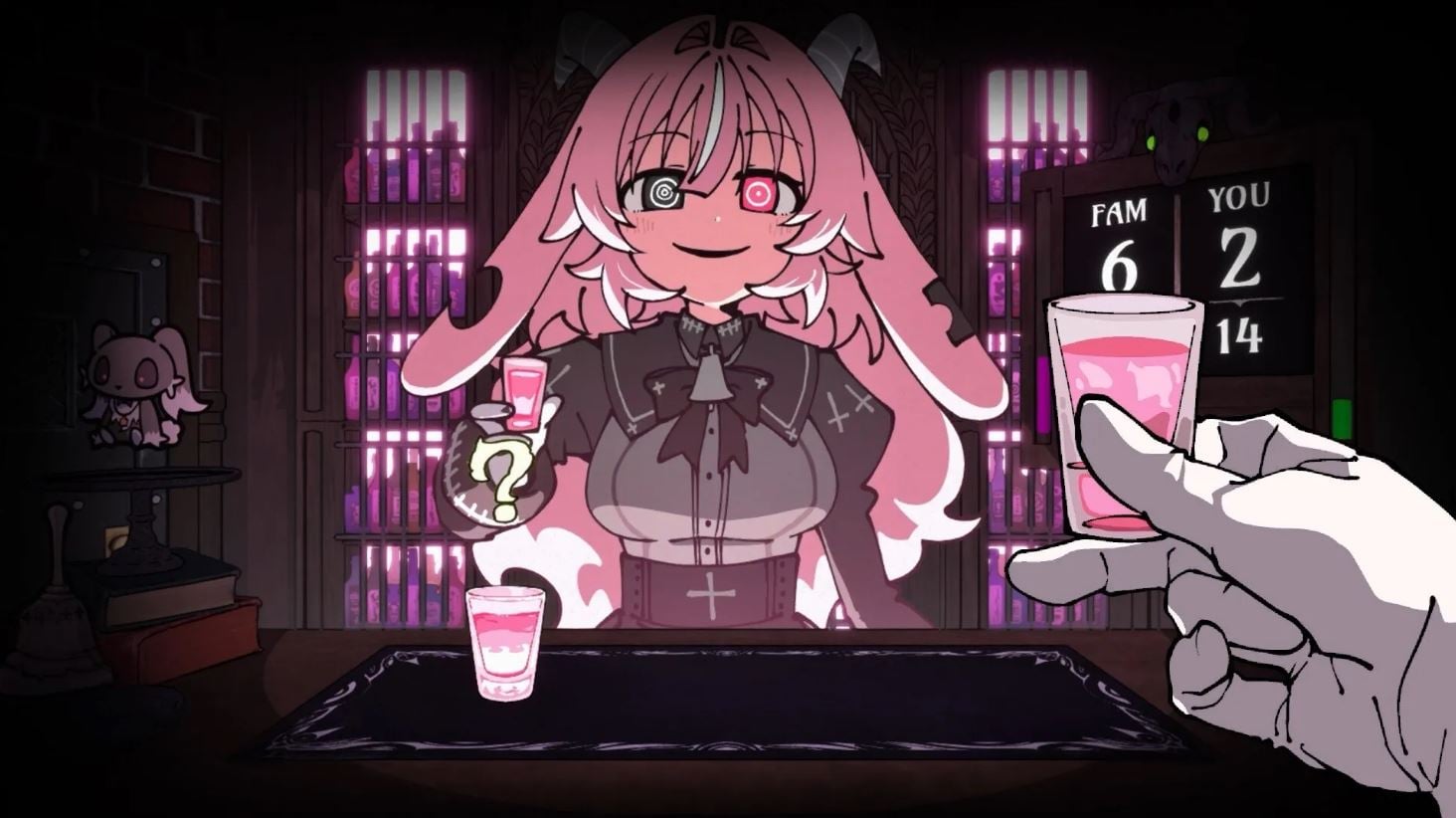
The gaming industry faces an unprecedented challenge as generative AI enables rapid cloning of game content, forcing developers to fundamentally rethink product launch strategies. Alliance Arts' October 2024 decision to cancel the public demo for Drunken Goddess Reflux exemplifies this crisis—the studio replaced open access with restricted online sessions due to fears that AI tools could replicate gameplay mechanics and content before official release. This defensive posture reflects a documented trend: in March 2024, an unauthorized AI-generated clone of Japanese game Typing Magician reached market faster than the original, while a viral needle-in-haystack game spawned numerous AI imitators that crowded out the legitimate version on Steam.
The core tension reshaping game marketing: Developers traditionally build anticipation through public demos and gameplay reveals, yet sharing content now creates IP vulnerability. Indie studios with limited compliance resources face an impossible choice—maintain community engagement through transparency or protect intellectual property by restricting access. This dilemma has immediate e-commerce implications across multiple seller segments.
For digital product sellers on platforms like Steam, Epic Games Store, and itch.io, this trend signals a fundamental shift in go-to-market strategy. Sellers can no longer rely on traditional pre-launch marketing tactics (gameplay videos, streaming partnerships, community previews) without risking rapid replication. The competitive advantage window has compressed from months to weeks. Sellers must now invest in alternative differentiation strategies: exclusive partnerships with established streamers, early-access programs with verified communities, and blockchain-based authenticity verification. The cost of implementing these protective measures—estimated at $5,000-$15,000 for indie teams—represents a new operational burden.
For merchandise and collectibles sellers, this creates unexpected opportunities. As game developers become reluctant to share work-in-progress content publicly, they'll shift marketing spend toward physical merchandise, limited-edition collectibles, and branded content that's harder to clone. Game-related merchandise categories (apparel, figures, accessories) typically see 30-40% sales spikes during major game launches; restricted demo strategies may extend these windows as developers compensate with merchandise-focused campaigns. Sellers in gaming collectibles should prepare for increased demand from indie studios seeking alternative revenue streams.
The broader AI-powered IP threat extends beyond games to any digital product category where content can be rapidly replicated: software tools, design templates, educational courses, and digital art. Sellers in these categories should anticipate similar defensive strategies becoming industry standard. The immediate impact: reduced organic reach for pre-launch content, increased reliance on paid marketing channels, and higher customer acquisition costs (estimated 15-25% increase). Sellers must develop AI-resistant differentiation strategies—proprietary data, community-locked features, continuous innovation cycles—to maintain competitive moats.
Questions 8
What is the documented impact of AI game cloning on original developers?
AI-generated game clones have directly harmed original developers' market position. The Typing Magician case (March 2024) shows unauthorized AI clones beating originals to market. Additionally, a viral needle-in-haystack game attracted numerous AI-generated imitators that crowded out the legitimate version on Steam, making the original difficult to locate among competing copies. These cases demonstrate that AI cloning isn't theoretical—it's an active market threat reducing discoverability and sales for original creators.
Why did Alliance Arts cancel the Drunken Goddess Reflux public demo in October 2024?
Alliance Arts cancelled the October 19th public demo due to concerns that generative AI tools could rapidly replicate gameplay content and mechanics before official launch. The studio cited two primary reasons: inability to enforce restrictions on gameplay video posting with their current team size, and the documented risk that demo content could be cloned and released as unauthorized copies. This decision reflects real-world precedent—in March 2024, an AI-generated clone of Typing Magician reached market faster than the original, demonstrating the legitimate threat indie developers face.