




Diesel Prices Hit $6.55/Gallon | E-Commerce Sellers Face 8-12% Logistics Cost Surge
- Freight surcharges accelerate as diesel doubles YoY; FBA fulfillment costs rise $200-400/month for high-volume sellers; agricultural supply chain disruption threatens food product sourcing


















Overview
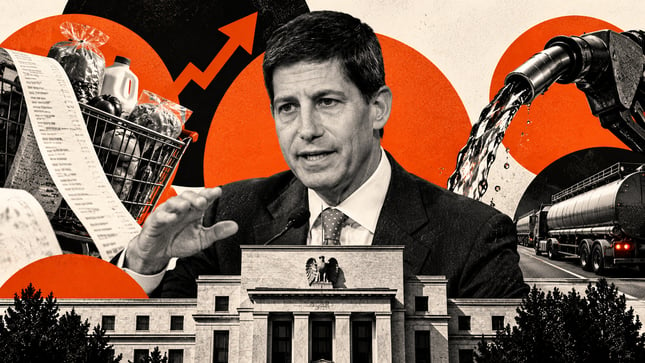
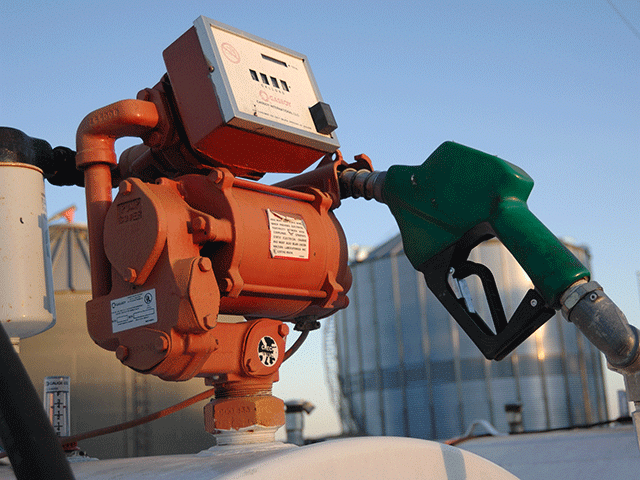
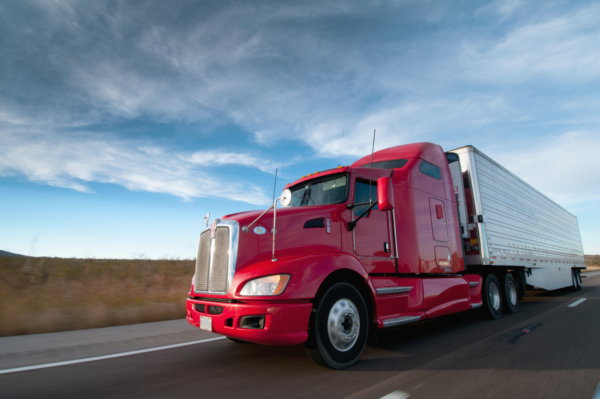
Diesel fuel prices have nearly doubled year-over-year to $6.55 per gallon in Pennsylvania and $6.32 nationally, creating a critical logistics cost crisis for e-commerce sellers. This energy commodity surge directly cascades through fulfillment networks, transportation infrastructure, and last-mile delivery operations that form the backbone of cross-border e-commerce. For sellers relying on ground transportation, FBA fulfillment, and multi-warehouse inventory distribution, diesel price volatility translates to immediate cost pressures: freight carriers are implementing fuel surcharges (typically 3-8% of base shipping rates), warehouse operations consuming diesel-powered equipment face higher operational expenses, and expedited shipping options where fuel surcharges apply become prohibitively expensive.
The logistics cost transmission mechanism works across three critical seller touchpoints. First, inbound logistics to fulfillment centers experience direct cost increases—a seller shipping 1,000 units monthly via LTL (less-than-truckload) carriers can expect $200-400 additional monthly costs as carriers pass diesel surcharges to shippers. Second, FBA storage and fulfillment operations incorporate fuel costs into Amazon's operational expenses, which historically flow into increased FBA fees during commodity price spikes; sellers managing inventory across multiple regional fulfillment centers face compounded costs. Third, last-mile delivery and ground shipping become significantly more expensive—UPS, FedEx, and regional carriers have already implemented fuel surcharges ranging from 3-8% on ground shipments, directly impacting sellers' cost-per-unit economics, particularly for high-volume, low-margin categories like home goods, apparel, and consumer electronics where ground shipping dominates.
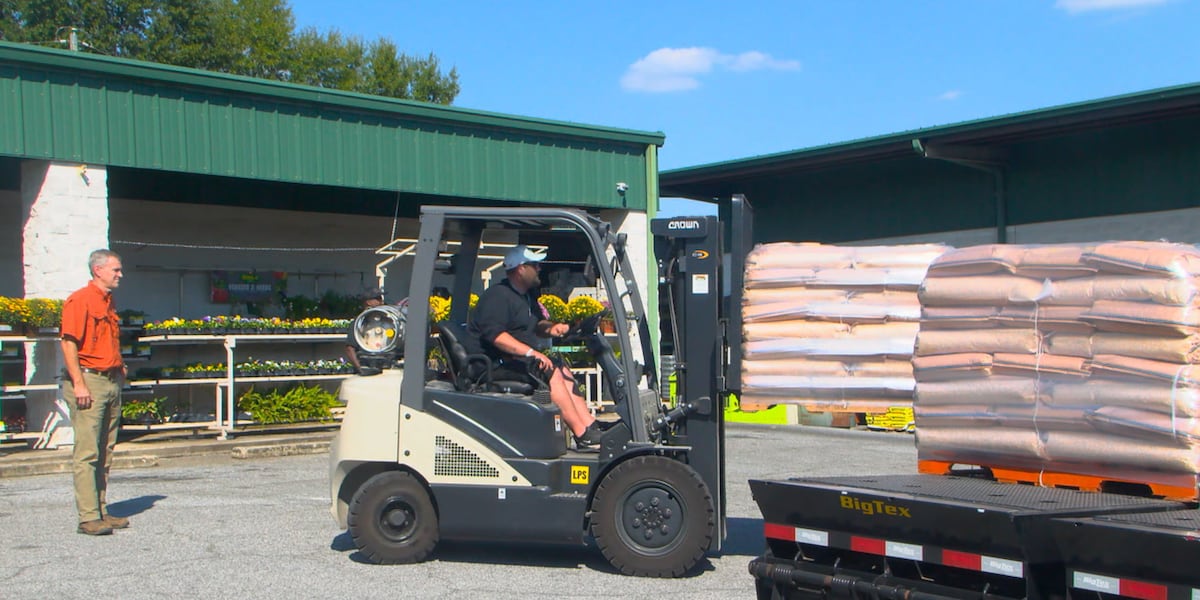
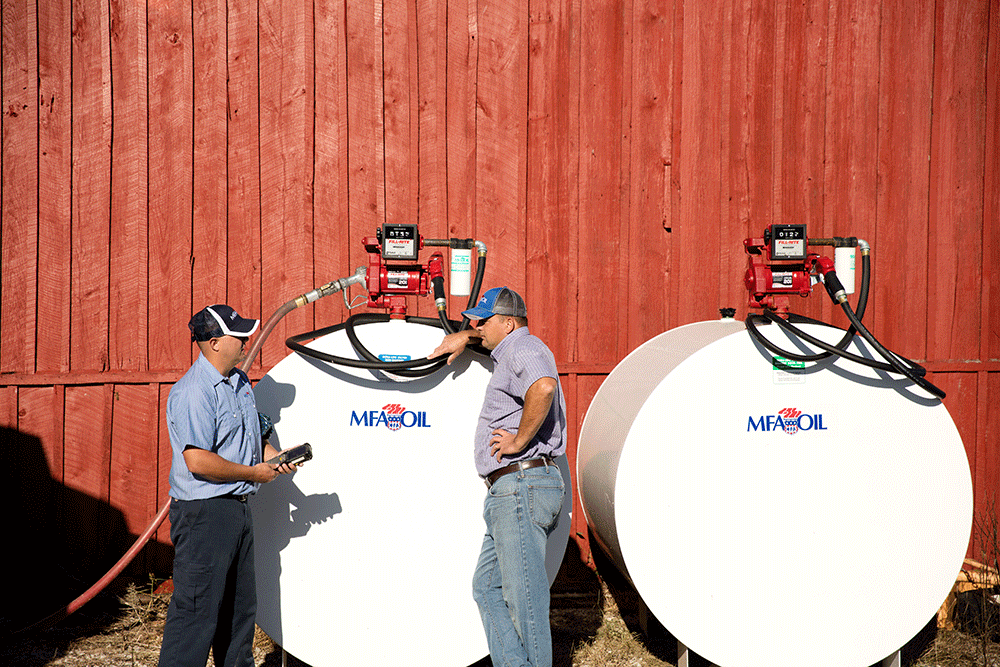
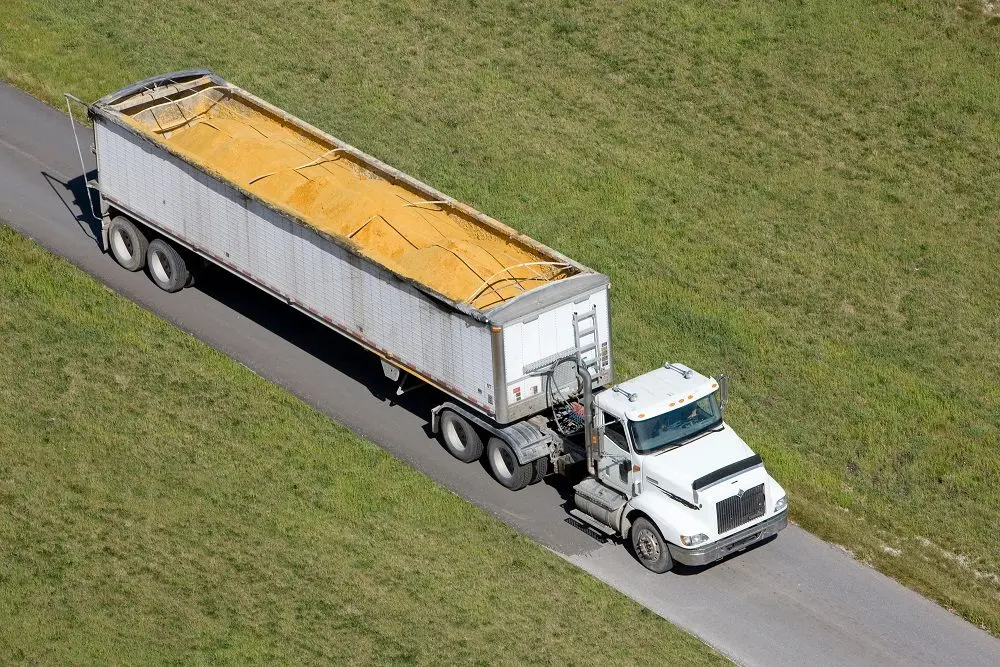
Agricultural supply chain disruption creates secondary sourcing risks for food and beverage sellers. The news reports that farmers across Pennsylvania and Oklahoma face "absolutely unprofitable" operations at current diesel prices, with input costs (fuel + fertilizer) increasing 40% year-over-year. This threatens agricultural production capacity and food product availability for sellers sourcing from US suppliers—dairy products, fresh produce, grains, and specialty foods sourced domestically face potential supply constraints and price increases as smaller farming operations reduce production or exit operations. Sellers relying on US-sourced agricultural products should anticipate 15-25% cost increases over the next 2-3 months as farmers pass through accumulated fuel surcharges. Additionally, Trump's executive order permitting red-dyed diesel use through December 31 (exempt from 24.4-cent federal excise tax) creates a temporary cost-reduction window for agricultural suppliers, but Pennsylvania's prohibition requires state legislative action—this regulatory uncertainty means cost relief remains uncertain for sellers sourcing from Pennsylvania-based agricultural suppliers.
For cross-border sellers specifically, the impact compounds through international shipping networks. Diesel powers container ships, air freight operations, and ground transportation at origin ports and destination warehouses. Sellers importing from Asia face higher ocean freight rates as bunker fuel costs rise; sellers exporting from US warehouses to international destinations experience increased last-mile costs. The Reuters analysis confirms that "diesel price volatility creates significant cost pressures on last-mile delivery, international shipping, and warehouse operations" for cross-border e-commerce businesses, with particular impact on sellers managing inventory across multiple warehouses or relying on expedited shipping where fuel surcharges apply most heavily.
Questions 8
Are there alternative fulfillment models that reduce diesel cost exposure?
Yes—evaluate three alternatives: (1) **Dropshipping** eliminates warehouse storage and inbound freight costs entirely; ideal for sellers with thin margins or slow-moving inventory. (2) **Print-on-Demand (POD)** for apparel and home goods reduces inventory holding costs to near-zero; fuel surcharges impact only final-mile delivery. (3) **Regional 3PL providers** in low-fuel-cost areas (Texas, Oklahoma, Louisiana) offer lower storage and handling rates than national FBA during high-diesel periods. Compare total landed costs: FBA fees + storage + inbound freight vs. 3PL fees + storage + inbound freight. For sellers shipping 500+ units monthly, 3PL often becomes cost-competitive when diesel surcharges spike. Pilot alternative fulfillment models with 20-30% of SKUs in Q1 2025 to test cost savings before full migration.
What inventory actions should I take immediately to minimize diesel cost impact?
Execute three immediate actions: (1) Liquidate slow-moving inventory (BSR >100K, inventory age >180 days) within 30 days to reduce storage costs during high-fuel-price period. (2) Consolidate multi-warehouse inventory into 1-2 regional fulfillment centers to minimize transportation and storage costs. (3) Pre-position fast-moving inventory (BSR <50K) in high-demand regional warehouses before Q1 to reduce inbound freight costs. For sellers with 3-6 months of inventory on hand, reduce stock levels to 2-3 months to minimize storage exposure. Prioritize stocking high-margin categories (electronics, beauty) over low-margin categories (apparel, home goods) where fuel surcharges compress margins most severely. Implement just-in-time inventory practices for Q1 2025 to reduce holding costs during this high-fuel-cost period.