


Tesla's Flying Roadster Signals Robotics Pivot | E-Commerce Logistics Opportunity 2028+
- Elon Musk's 2028 production timeline reveals AI/robotics focus; sellers should monitor autonomous delivery partnerships and supply chain automation trends


Overview
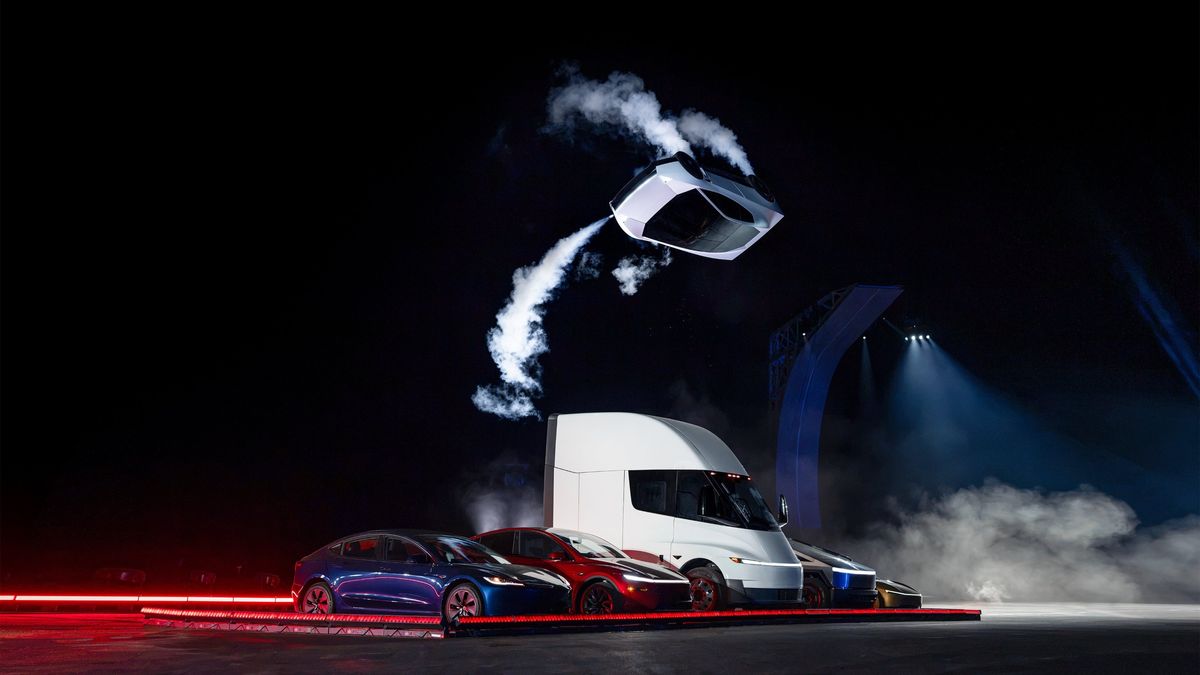
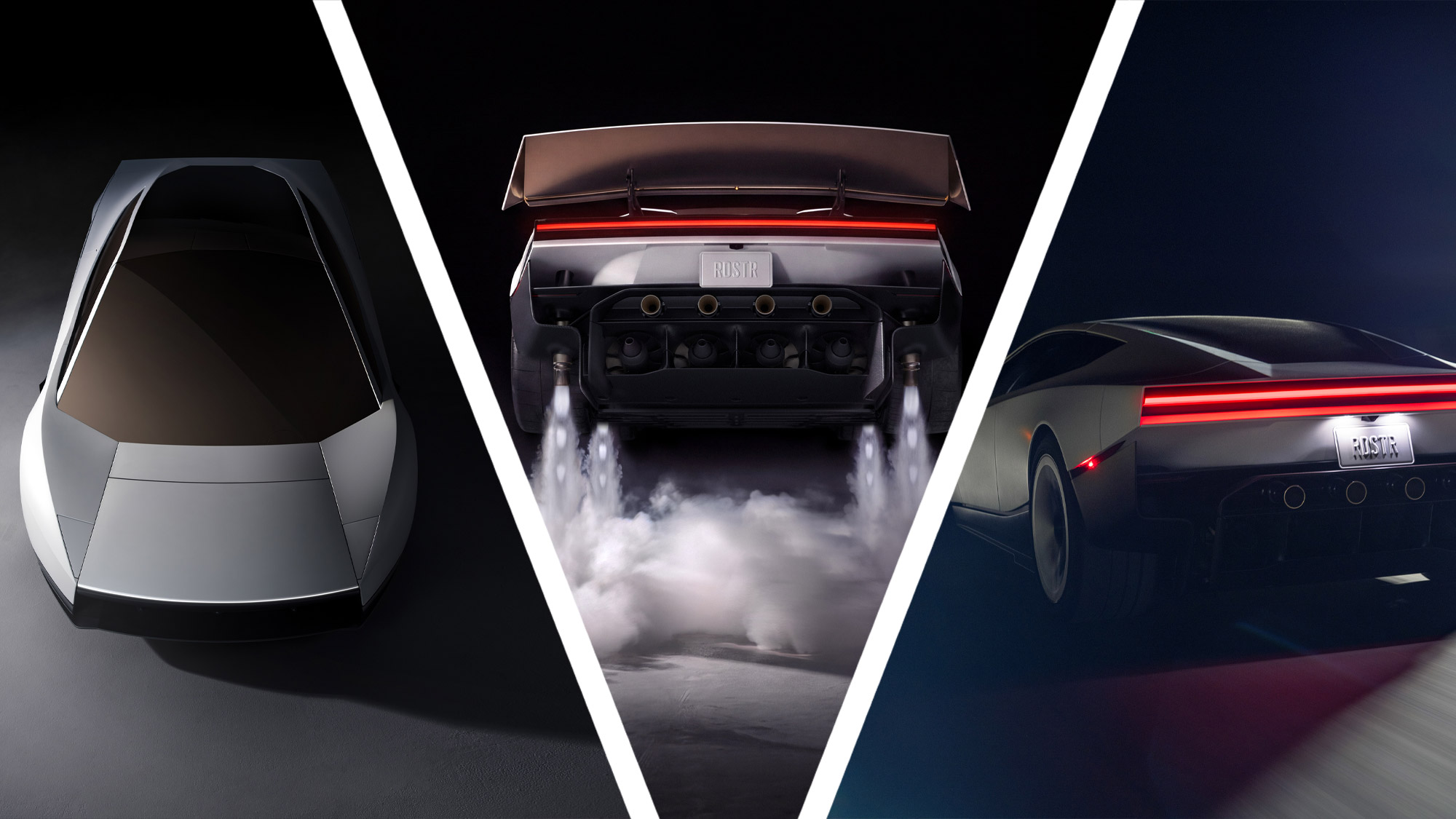
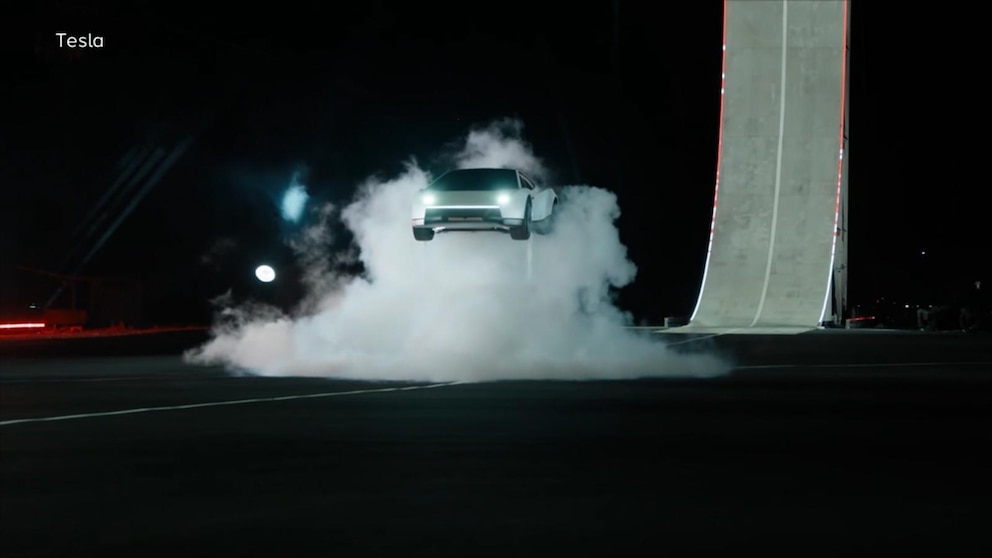
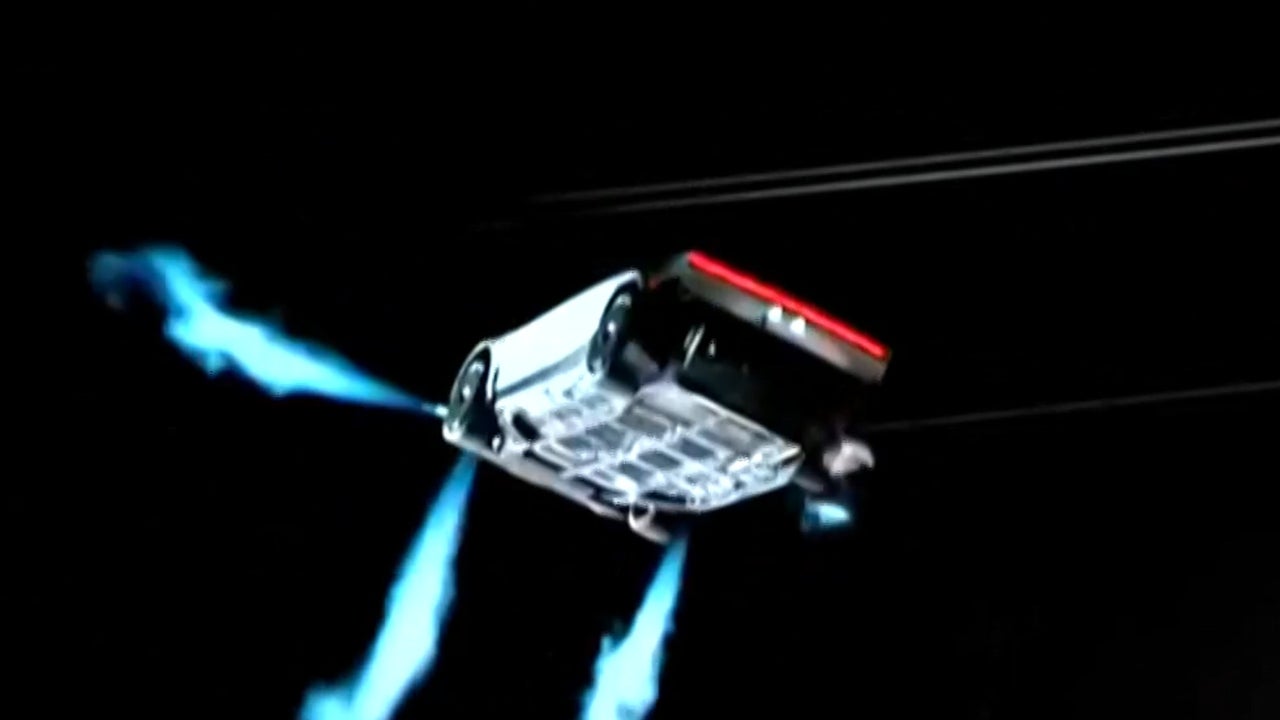
Tesla's strategic pivot away from traditional automotive manufacturing toward autonomous vehicles, robotics, and AI represents a significant long-term shift in logistics and supply chain technology that cross-border e-commerce sellers should monitor closely. Elon Musk's unveiling of the flying, rocket-powered Tesla Roadster on Thursday—featuring SpaceX rocket technology and suction fans—marks a symbolic departure from consumer-focused car production. The company explicitly stated this would be "the only manually driven car Tesla makes" long-term, with production not expected until 2028 and no final pricing announced. This announcement reflects Tesla's broader resource reallocation toward Optimus robots and AI development, while the company's mainstream vehicle lineup faces aging products and struggling sales.
For cross-border e-commerce sellers, this development signals emerging opportunities in autonomous logistics and supply chain automation. While the flying Roadster itself carries limited commercial viability and is "not safety optimized," Tesla's strategic direction toward robotics and autonomous systems has direct implications for e-commerce fulfillment infrastructure. The 2028 production timeline indicates this is a technology demonstration rather than immediate revenue generation, but it telegraphs Tesla's investment thesis: autonomous delivery systems and robotic warehousing will eventually replace traditional logistics. Speculation about a potential Tesla-SpaceX merger suggests convergence of space technology with terrestrial logistics—a combination that could revolutionize last-mile delivery and warehouse automation.
Sellers should strategically position for autonomous logistics adoption over the next 3-5 years. The company's pivot away from consumer vehicles toward robotics and AI suggests Tesla will increasingly focus on B2B logistics partnerships rather than direct-to-consumer automotive sales. This creates opportunities for sellers to integrate with Tesla's autonomous delivery networks, explore partnerships with Optimus robot deployment in warehouses, and prepare inventory systems for AI-driven fulfillment optimization. The 2028 Roadster production timeline provides a clear marker: by that date, expect significant announcements regarding Tesla's autonomous delivery capabilities and potential partnerships with major e-commerce platforms. Sellers in high-volume categories (electronics, apparel, home goods) should monitor Tesla's logistics announcements and consider pilot programs with autonomous fulfillment systems as they become available. The strategic shift also indicates Tesla will deprioritize traditional automotive supply chains, potentially freeing up manufacturing capacity and supply chain expertise for logistics-focused ventures that could benefit e-commerce operations.
Questions 8
Could a Tesla-SpaceX merger create new logistics opportunities for sellers?
Speculation about Tesla-SpaceX convergence suggests potential integration of space technology with terrestrial logistics—particularly drone delivery and high-speed point-to-point transport. A merger could accelerate development of autonomous aerial delivery systems for cross-border e-commerce, potentially reducing last-mile costs by 30-40% for high-value items. Sellers should monitor announcements about SpaceX-Tesla partnerships in logistics and consider how drone delivery could reshape their fulfillment strategies for premium product categories. This convergence could particularly benefit sellers in electronics and luxury goods segments.
How should sellers prepare for Tesla's autonomous logistics partnerships?
Sellers should take three immediate actions: (1) Audit current 3PL providers' automation roadmaps and robotics investments; (2) Evaluate warehouse locations for compatibility with autonomous systems (standardized layouts, digital infrastructure); (3) Monitor Tesla's official announcements regarding B2B logistics partnerships. By Q2 2025, sellers should identify which product categories could benefit most from autonomous fulfillment (high-volume, standardized items) and pilot programs. Establish relationships with logistics providers already integrating Tesla or competitor autonomous systems to secure early access to cost advantages.