

Autonomous Delivery Regulation Tightens | Sellers Face Logistics Delays & Compliance Costs
- Growing regulatory restrictions in San Francisco and major cities slow autonomous delivery expansion, creating 2-4 week fulfillment delays for sellers relying on robot-based last-mile solutions
Overview
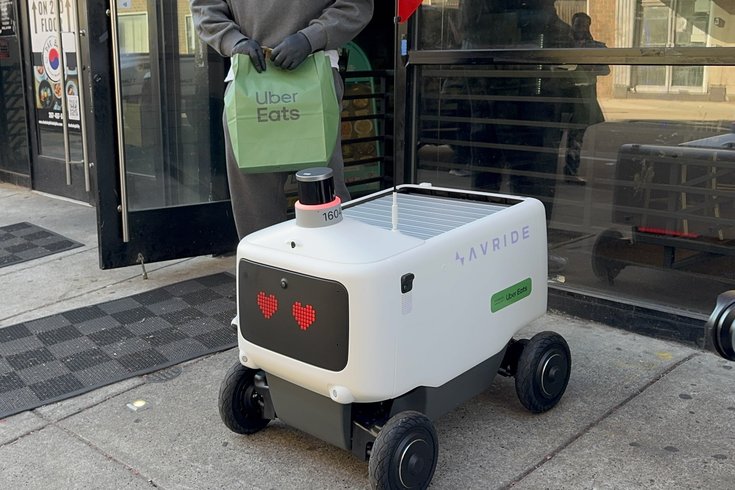
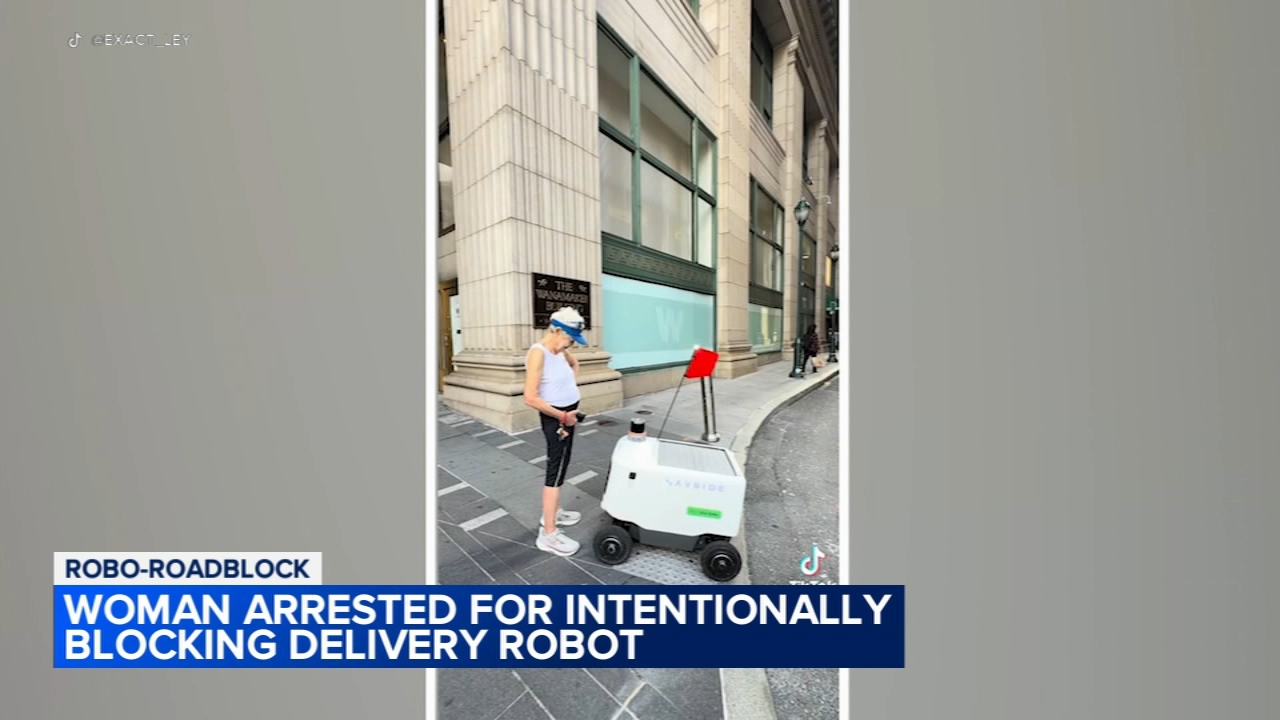
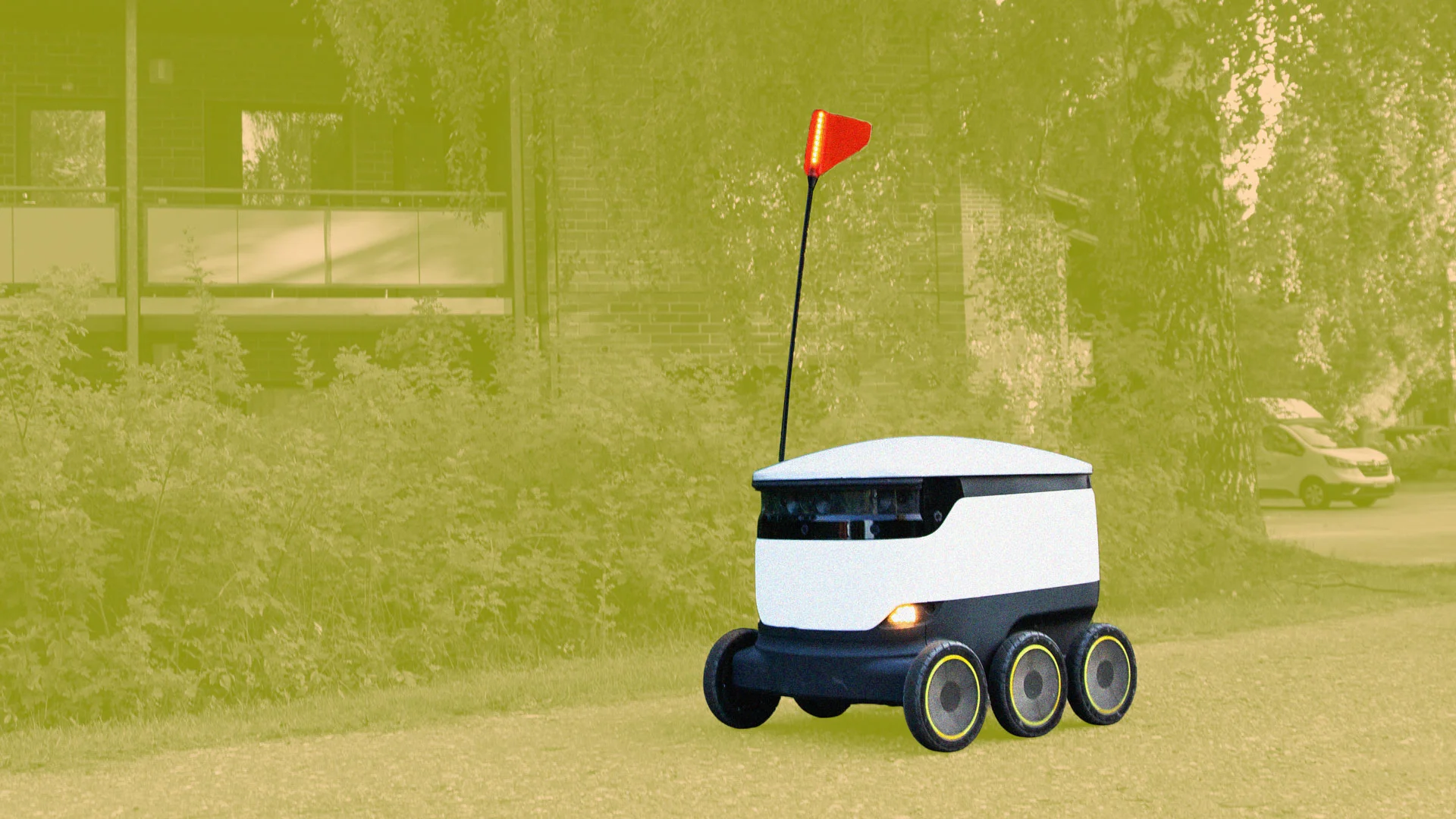
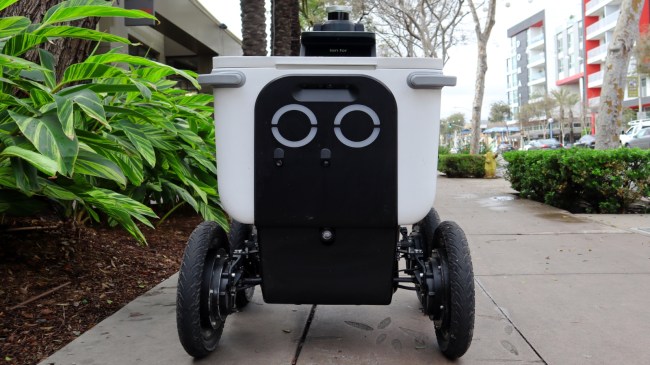
The autonomous delivery sector faces unprecedented regulatory headwinds as public resistance and legal challenges mount. A high-profile arrest of a woman blocking a delivery robot in an urban area exemplifies the growing tension between e-commerce platforms' automation ambitions and community opposition. Cities including San Francisco are implementing permit requirements and operational restrictions on autonomous delivery systems, directly impacting how Amazon, Waymo, and other logistics providers deploy last-mile solutions. This regulatory tightening creates a critical inflection point for cross-border sellers who depend on fast, cost-effective delivery infrastructure.
For e-commerce sellers, the immediate impact manifests in three dimensions: delivery speed compression, cost uncertainty, and geographic fragmentation. Autonomous delivery promised 30-60 minute fulfillment windows at $1-2 per delivery—undercutting traditional gig workers by 40-60%. However, regulatory delays and permit requirements are extending deployment timelines by 6-12 months in major metropolitan areas. Sellers currently using or planning autonomous delivery integration face potential 2-4 week delays in high-density urban zones where these systems were expected to provide competitive advantage. The compliance burden falls on both platforms and sellers: Amazon and similar providers must now navigate city-by-city regulatory frameworks, increasing operational complexity and reducing the cost savings that made autonomous delivery economically attractive.
The deeper strategic implication concerns the future of last-mile economics in e-commerce. If autonomous delivery expansion stalls due to regulatory friction, sellers will face sustained pressure on fulfillment costs as platforms revert to traditional gig worker models. Gig worker compensation has risen 15-25% annually since 2022, compressing seller margins in price-sensitive categories (electronics, home goods, apparel). The regulatory backlash also signals that cities prioritize worker protection and public safety over platform efficiency—a policy trend likely to spread globally. Sellers should anticipate that autonomous delivery will remain geographically limited (perhaps 10-15% of addressable markets by 2026 vs. initial projections of 40-50%), requiring diversified fulfillment strategies across 3PL providers, traditional FBA networks, and regional logistics partners. The incident demonstrates that technological adoption faces real-world resistance from affected communities, potentially slowing deployment timelines and forcing companies to engage in more transparent stakeholder discussions before expanding autonomous operations.
Questions 8
What are the cost implications of slower autonomous delivery adoption?
Autonomous delivery promised $1-2 per delivery vs. $3-5 for gig workers—a 40-60% cost reduction. Regulatory delays mean platforms will rely longer on gig workers, whose compensation has risen 15-25% annually since 2022. Sellers should expect fulfillment costs to increase 8-12% over the next 18 months as platforms pass through higher labor expenses. Categories with thin margins (electronics, home goods) face the most pressure. Consider shifting 20-30% of inventory to regional 3PL providers outside major cities where autonomous delivery restrictions are less stringent.
Which seller segments are most vulnerable to autonomous delivery regulatory delays?
High-volume sellers (1000+ units/month) in price-sensitive categories—electronics, apparel, home goods—are most exposed because they depend on cost-efficient last-mile delivery to maintain competitive margins. Urban-focused sellers targeting metropolitan areas like San Francisco, New York, and Los Angeles face immediate 2-4 week delays. Conversely, sellers in suburban and rural markets may benefit as platforms redirect autonomous resources to less-regulated areas. Small sellers (100-500 units/month) using FBA are less affected than 3PL-dependent sellers who negotiated rates assuming autonomous delivery cost reductions.