



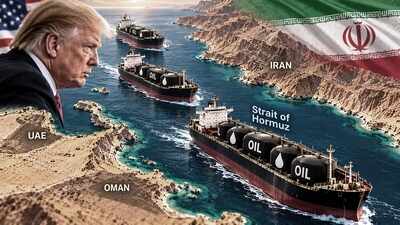

Strait of Hormuz Disruptions Drive 8-12% Shipping Cost Surge for Cross-Border Sellers
- Geopolitical tensions elevate fuel surcharges and extend transit times; Asian sellers face disproportionate logistics cost increases amid 12M barrels/day flow constraints



)















Overview
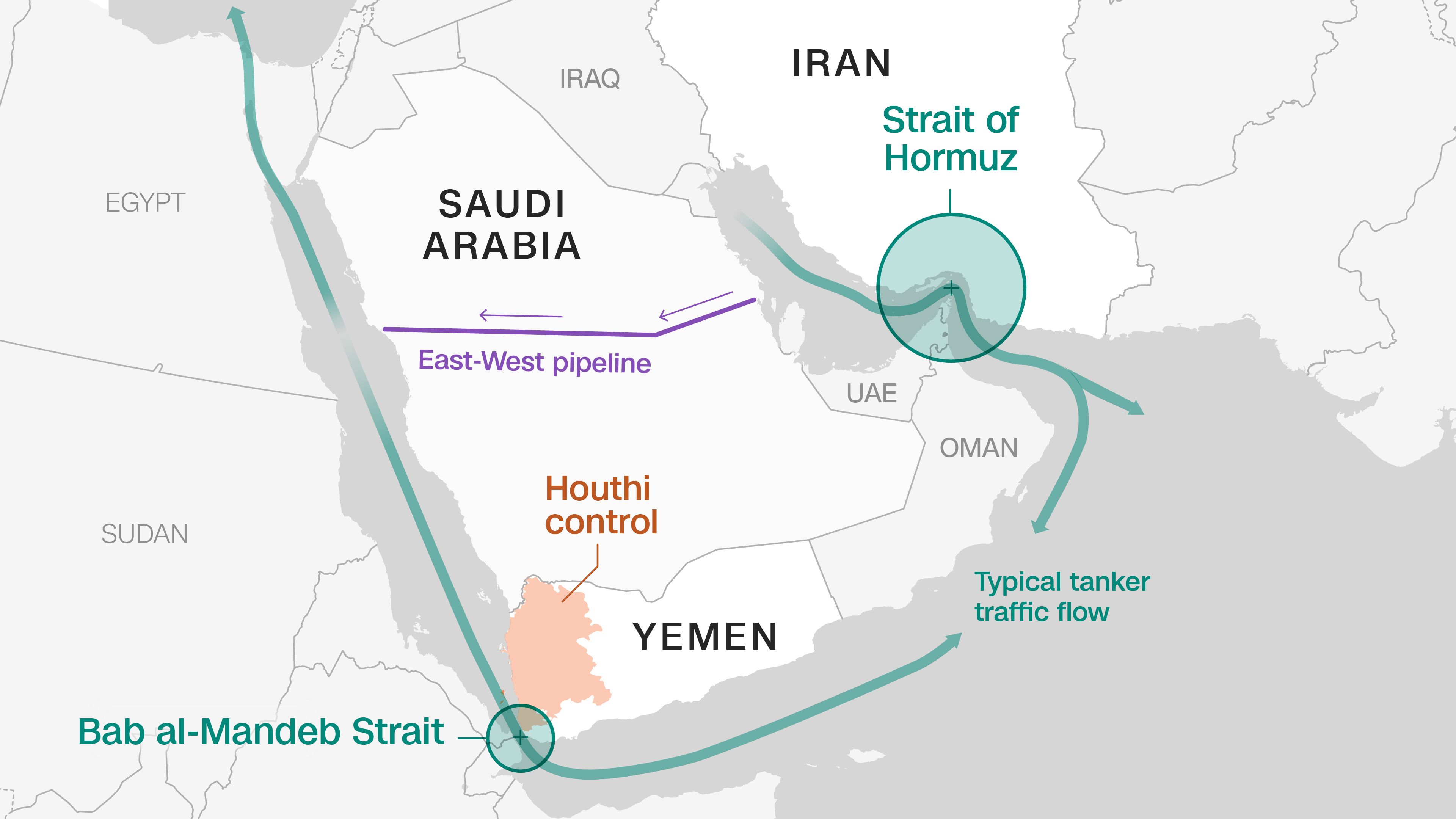
The escalating US-Iran conflict and Houthi militant attacks in the Red Sea have created a critical supply chain crisis for cross-border e-commerce sellers. According to the United Kingdom Maritime Trade Operations, 12 reported attacks on vessels near the Strait of Hormuz occurred in a single week, with two cargo ships sinking from unknown projectiles. Global crude oil prices remain above $100 per barrel due to supply constraints, while Saudi Red Sea port exports collapsed from 4.5 million barrels daily to significantly lower volumes following Houthi escalation. This geopolitical disruption directly translates to elevated logistics costs for e-commerce sellers relying on ocean freight and air cargo services.
For cross-border sellers, the immediate operational impact manifests through three critical channels: First, fuel surcharges on shipping contracts are rising 8-12% as logistics providers account for longer transit routes and increased insurance premiums. Sellers shipping via FBA (Fulfillment by Amazon) or third-party logistics (3PL) providers face monthly cost increases of $200-600 depending on shipment volume and destination. Second, transit times through alternative routes have extended by 7-14 days compared to traditional Strait of Hormuz passages, compressing inventory turnover and increasing working capital requirements. Third, Asian sellers—particularly those sourcing from China, Vietnam, and India—face disproportionate impacts since the crisis affects the primary export corridors serving US and European markets.
The competitive dynamics reveal a clear segmentation: Large sellers with established 3PL relationships and negotiating power can absorb 5-8% cost increases through volume commitments and long-term contracts. Mid-sized sellers (shipping 500-2,000 units monthly) face 10-15% margin compression without pricing adjustments. Small sellers relying on consolidated shipments or air freight experience the steepest cost pressures, with some categories seeing 20%+ cost increases. Analyst Georg Zachmann from think tank Bruegel predicts oil-importing nations will structurally reduce consumption, suggesting this disruption may persist for 6-12 months. China has adapted by reducing imports and accessing strategic reserves, creating a temporary competitive advantage for Chinese sellers who can absorb higher fuel costs through domestic supply chains. The East-West pipeline, damaged by September drone attacks, is now operational again, providing partial relief but not eliminating route uncertainty.
Strategic sourcing opportunities emerge for sellers willing to diversify: Shifting 15-25% of inventory sourcing from China to India or Vietnam could reduce exposure to Middle East shipping routes, though this requires 8-12 week lead time adjustments. Sellers in electronics, apparel, and home goods categories—which represent 60% of cross-border trade volume—should prioritize renegotiating shipping contracts before Q1 2025 to lock in rates before further escalation. The window for proactive cost management is immediate, as fuel surcharges typically lag 2-4 weeks behind crude price movements.
Questions 8
How much will my Amazon FBA shipping costs increase due to Middle East disruptions?
FBA shipping costs are rising 8-12% due to elevated fuel surcharges and extended transit times through alternative Red Sea routes. For sellers shipping 1,000+ units monthly to US warehouses, expect monthly cost increases of $300-500. The Strait of Hormuz disruptions have extended transit times by 7-14 days, and crude oil prices remain above $100 per barrel. Most logistics providers implement fuel surcharge adjustments with 2-4 week lag times, so costs will continue rising through Q1 2025. Lock in shipping rates with your 3PL provider immediately before further escalation.
Should I shift my sourcing from China to India or Vietnam to avoid shipping route risks?
Yes, diversifying sourcing geography can reduce exposure to Middle East route disruptions. Shifting 15-25% of inventory to India or Vietnam suppliers reduces reliance on Strait of Hormuz passages and provides alternative logistics corridors. However, this requires 8-12 week lead time adjustments and potential 3-5% higher unit costs due to smaller supplier economies of scale. The strategic benefit emerges over 6-12 months as geopolitical tensions persist. Start with non-critical SKUs and test supplier reliability before scaling. China-based sellers currently have competitive advantages through domestic supply chain absorption of fuel costs.