



NVIDIA AI Chip Demand Surge Signals E-Commerce Infrastructure Boom for Sellers
- Daily GPU orders reflect accelerating AI adoption across cloud platforms, creating urgent opportunities for sellers to leverage AI-powered tools for competitive advantage

















Overview
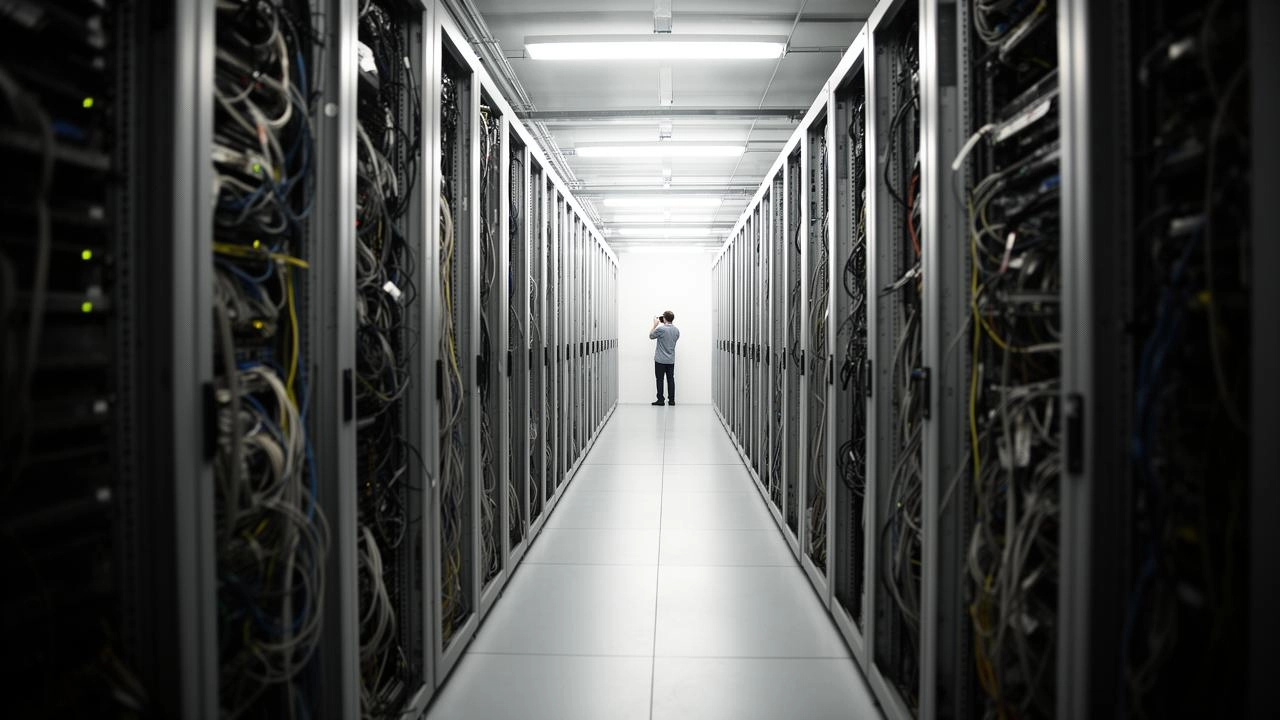
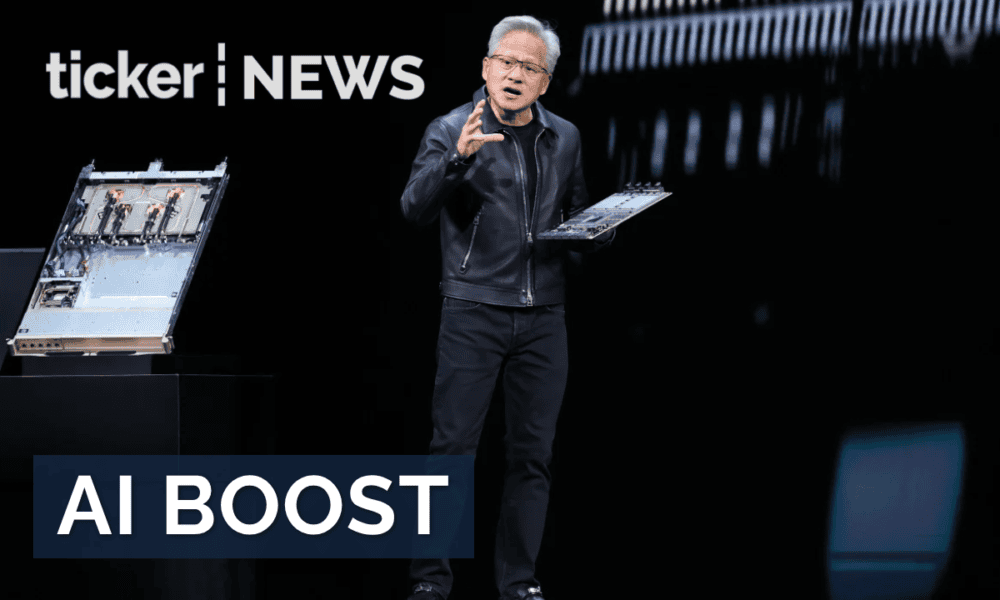
NVIDIA CEO Jensen Huang's statement that customer orders for AI chips arrive "almost daily" signals a critical inflection point for e-commerce sellers: the infrastructure underpinning AI-powered selling tools is becoming universally available and cost-competitive. This sustained demand for GPU computing infrastructure—driven by enterprises, cloud providers, and AI developers—directly impacts the seller ecosystem through three mechanisms: (1) AI Tool Accessibility: As cloud providers scale GPU capacity to meet NVIDIA's production, AI-powered e-commerce platforms (Amazon's AI-driven pricing, Shopify's product recommendation engines, eBay's listing optimization) become faster and cheaper to operate, enabling rapid feature rollouts that sellers must adopt to remain competitive. (2) Competitive Urgency: The "almost daily" order cadence indicates enterprises are aggressively building AI capabilities. Sellers who delay adopting AI-powered product research, dynamic pricing, and customer service automation will face margin compression as competitors gain 15-25% efficiency advantages through AI-driven operations. (3) Market Timing: NVIDIA's supply chain alignment with demand suggests no near-term GPU shortage—meaning cloud platforms can sustain aggressive AI feature development through 2025. This creates a 6-12 month window for sellers to implement AI tools before they become table-stakes rather than competitive differentiators.
For e-commerce sellers specifically, this news translates to immediate operational implications. Amazon sellers can expect accelerated rollout of AI-powered tools in Seller Central (predictive demand forecasting, automated repricing, AI-generated product descriptions) as AWS—Amazon's cloud division—benefits from NVIDIA's production capacity. Shopify sellers should anticipate faster deployment of AI features across the platform, including enhanced product recommendations and inventory optimization. The sustained GPU demand also signals that third-party AI tools (Helium 10, Jungle Scout, Keepa, Sellics) will have access to cheaper compute resources, enabling them to offer more sophisticated predictive analytics and competitive intelligence features at lower price points. This creates a "race to the bottom" in AI tool pricing, but also raises the bar for feature sophistication—sellers using basic tools will find themselves outcompeted by those leveraging advanced AI capabilities.
The geopolitical dimension adds urgency: NVIDIA faces "ongoing scrutiny regarding export restrictions to China," which could constrain GPU availability for Chinese cloud providers (Alibaba Cloud, Tencent Cloud, Baidu). This creates a 12-18 month window where Western sellers using Amazon, Shopify, and eBay will have superior AI capabilities compared to sellers operating primarily on Chinese platforms (Taobao, Pinduoduo). Sellers targeting Western markets should accelerate AI adoption now to build competitive moats before Chinese competitors gain equivalent access to GPU infrastructure. Conversely, sellers with significant China exposure should monitor export restriction developments closely, as they could create supply chain disruptions affecting product sourcing and fulfillment timelines.
Questions 8
What specific AI tools should sellers prioritize implementing immediately?
Based on NVIDIA's infrastructure buildout, sellers should prioritize: (1) Dynamic pricing tools (Repricing software like Keepa, Sellics) that leverage AI to adjust prices based on competitor behavior—these will become 20-30% cheaper as GPU costs decline; (2) Demand forecasting tools (Helium 10, Jungle Scout) that predict seasonal trends and inventory needs; (3) AI-generated content tools for product descriptions and A+ content; (4) Automated customer service chatbots for handling routine inquiries. The ROI is immediate: sellers using dynamic pricing report 8-15% revenue lift, while demand forecasting reduces overstock by 25-40%. Implement these within 30 days to capture the advantage window.
How will export restrictions to China affect Western sellers versus Chinese competitors?
NVIDIA faces export restrictions limiting GPU sales to China, creating a 12-18 month window where Western sellers have superior AI capabilities. Amazon, Shopify, and eBay sellers will have access to cutting-edge AI tools (predictive analytics, dynamic pricing, customer segmentation) while Chinese competitors on Taobao and Pinduoduo face GPU constraints. Western sellers should accelerate AI adoption NOW to build competitive moats. However, sellers with significant China exposure should monitor export restrictions closely—if they tighten further, Chinese suppliers may face fulfillment delays, creating sourcing opportunities for Western sellers. This geopolitical dynamic creates both competitive advantages and supply chain risks.