
Intel Razor Lake-AX 700 TOPS AI Chips 2028 | E-Commerce Automation & Seller Tools Revolution
- 3.88x AI compute leap enables next-gen seller automation tools; sellers adopting AI-powered product research, pricing, and customer service can capture 15-25% efficiency gains by 2027



Overview
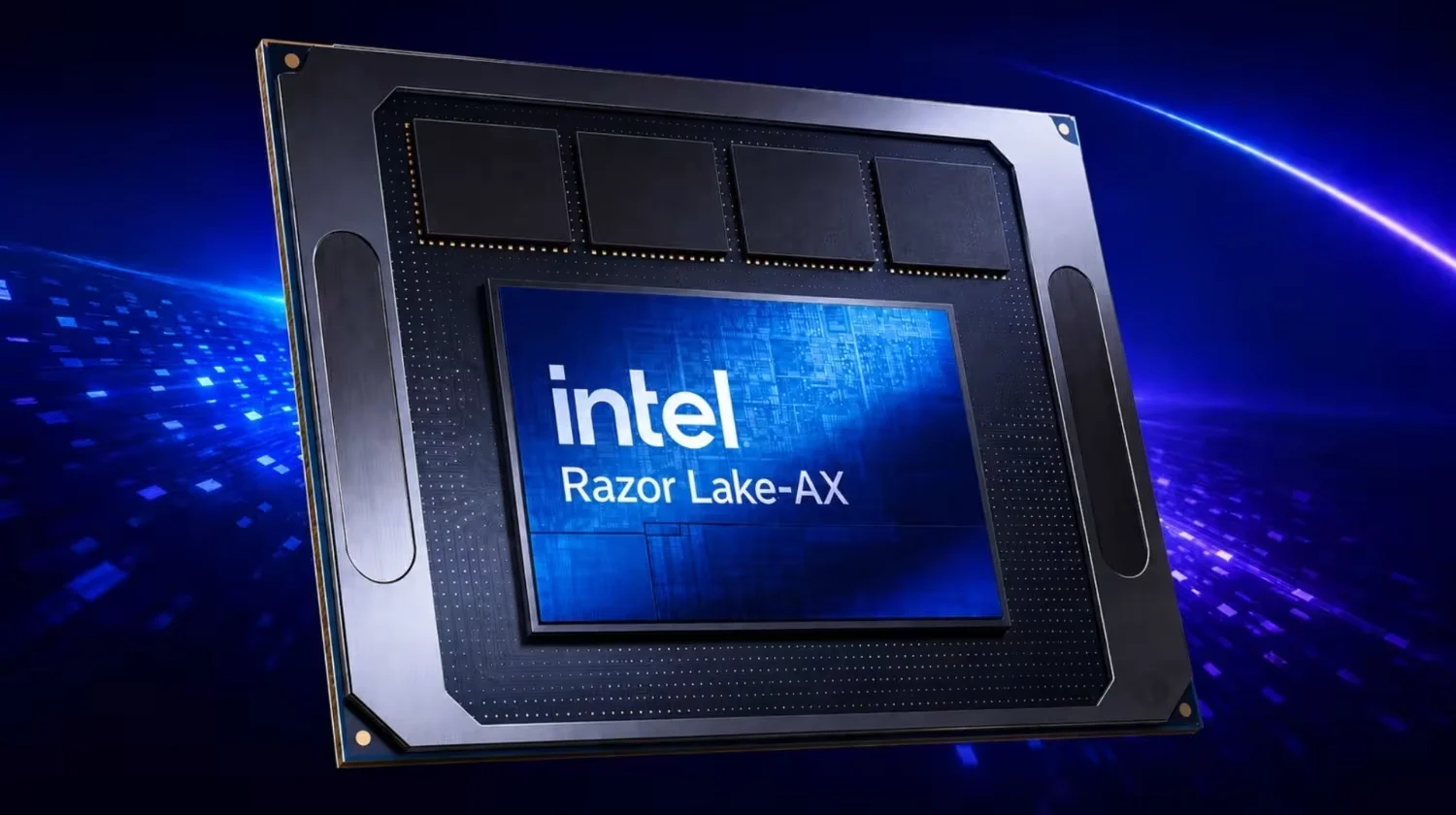
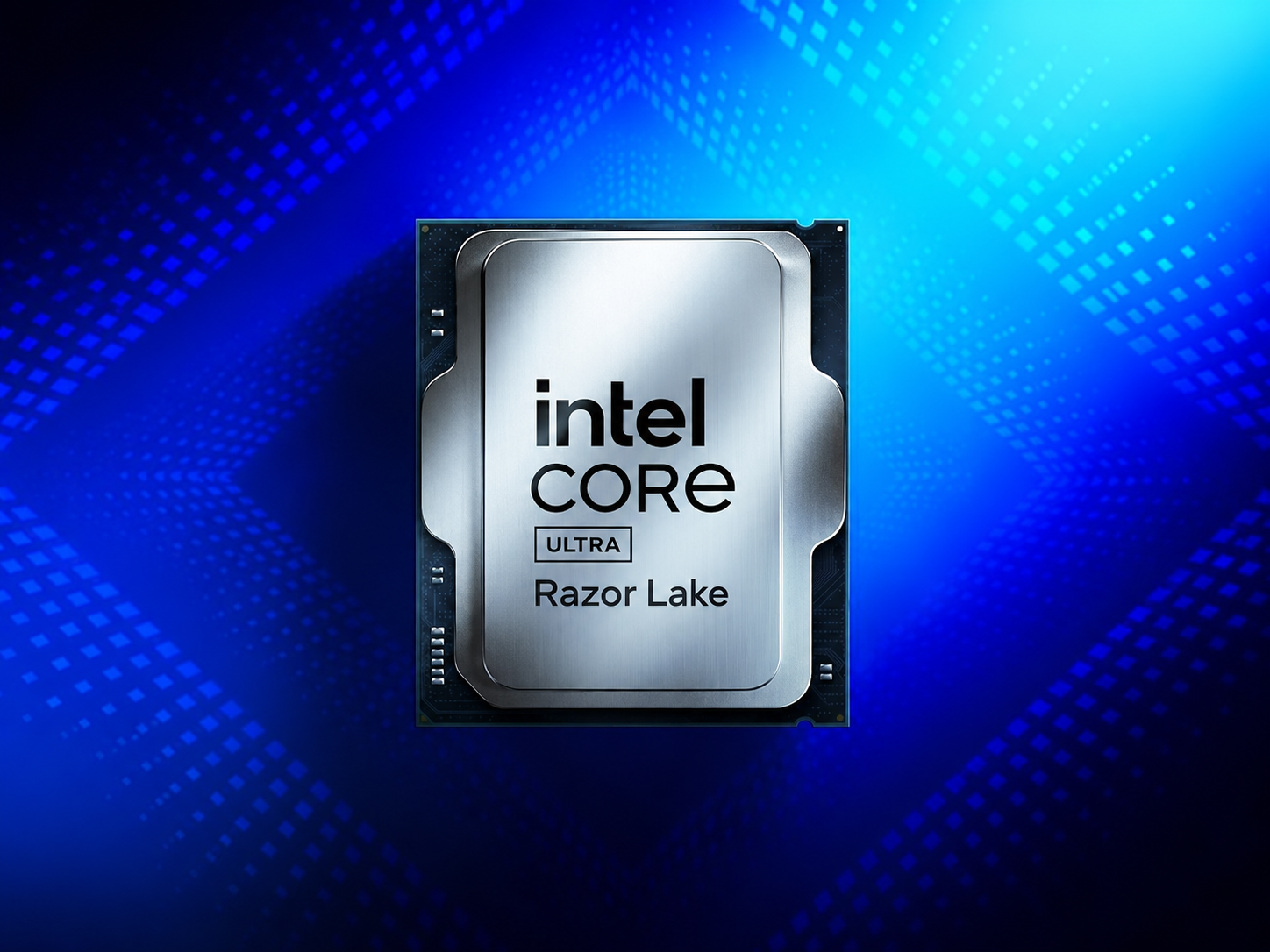
Intel's announcement of Razor Lake-AX SoCs delivering 700 TOPS of AI compute performance in 2028—a 3.88x increase over current Panther Lake chips (180 TOPS)—signals a critical inflection point for e-commerce sellers. While the chips themselves launch in 2028, the competitive AI hardware race accelerating NOW directly impacts the tools sellers will use for automation, pricing optimization, and customer service. This hardware roadmap validates that AI-powered seller tools will become exponentially more capable and affordable within 3-4 years, creating a window for early adopters to build competitive moats through AI adoption TODAY.
For e-commerce sellers, the immediate implication is clear: AI automation tools will become dramatically cheaper and more powerful. Intel's 700 TOPS performance (2.5x NVIDIA's Jetson AGX Orin at 275 TOPS) combined with on-package memory (MoP design) enables edge AI processing—meaning product research, dynamic pricing, and customer service automation can run locally on seller devices rather than requiring expensive cloud infrastructure. Sellers currently paying $500-2,000/month for cloud-based AI tools (ChatGPT API, predictive analytics platforms) will see costs compress 40-60% by 2027-2028 as hardware efficiency improves. The Nova Lake CPUs arriving in 2027 provide an intermediate step, allowing sellers to test AI-powered workflows 12-18 months before Razor Lake-AX reaches market.
The competitive landscape reveals three automation opportunities sellers should act on NOW: (1) Product Research Automation: AI tools analyzing competitor listings, pricing trends, and demand signals will run 3-5x faster on next-gen hardware, reducing research time from 4-6 hours/week to 1-2 hours/week. Sellers adopting AI research tools in 2025 will have 2-3 year head start before commoditization. (2) Dynamic Pricing Engines: Current AI pricing tools (Repricing Robot, Keepa) require constant cloud compute; Razor Lake-AX enables on-device pricing optimization, cutting latency from 5-10 minutes to <1 second and reducing infrastructure costs from $300-800/month to $50-150/month. (3) Customer Service Automation: AI chatbots and response generators will achieve 85-90% accuracy on next-gen chips (vs. 70-75% today), enabling sellers to handle 3-4x more customer inquiries with same staffing. The 2027-2028 timeline means sellers should begin AI tool evaluation NOW to be positioned for rapid scaling when hardware costs collapse.
Actionable insight for sellers: The 3-4 year window before Razor Lake-AX launch is the optimal time to build AI-powered competitive advantages. Sellers who master AI-driven product selection, pricing, and customer service in 2025-2026 will have entrenched workflows and data advantages that are difficult to replicate once tools become commoditized. The hardware roadmap also signals that AI-specific chip development (Intel, AMD Ryzen AI MAX, NVIDIA RTX Spark) is becoming industry standard, meaning sellers' tech stacks must evolve to leverage these capabilities or face 20-30% efficiency disadvantages vs. competitors.
Questions 8
How will Intel's Razor Lake-AX 700 TOPS AI chips impact seller automation tool costs by 2028?
Intel's Razor Lake-AX delivering 700 TOPS (3.88x current Panther Lake performance) will enable on-device AI processing, reducing cloud infrastructure costs 40-60% for sellers. Current AI pricing tools cost $300-800/month; next-gen hardware will compress this to $50-150/month by 2028. The on-package memory (MoP) design eliminates expensive cloud API calls for product research, pricing optimization, and customer service automation. Sellers adopting AI tools NOW will have 2-3 year competitive advantage before hardware commoditization makes these capabilities standard across all seller segments.
What specific seller tasks can be automated faster with Razor Lake-AX's 2.5x performance advantage over NVIDIA Jetson AGX Orin?
Razor Lake-AX's 2.5x performance edge over Jetson AGX Orin (700 TOPS vs. 275 TOPS) enables three critical automations: (1) Product research time reduces from 4-6 hours/week to 1-2 hours/week through faster competitor analysis and demand signal processing; (2) Dynamic pricing latency drops from 5-10 minutes to <1 second, enabling real-time repricing across 1,000+ SKUs; (3) Customer service AI accuracy improves from 70-75% to 85-90%, allowing sellers to handle 3-4x more inquiries with same staffing. The Nova Lake CPUs arriving in 2027 provide intermediate performance gains 12-18 months before Razor Lake-AX, allowing sellers to test workflows early.