






AI Agent Blocking Reshapes E-Commerce | Sellers Face New Competitive Dynamics
- Major platforms block external AI agents while embracing proprietary alternatives; agent-driven purchases grew 4x since April 2024 but only 3% of e-commerce companies allow transactions




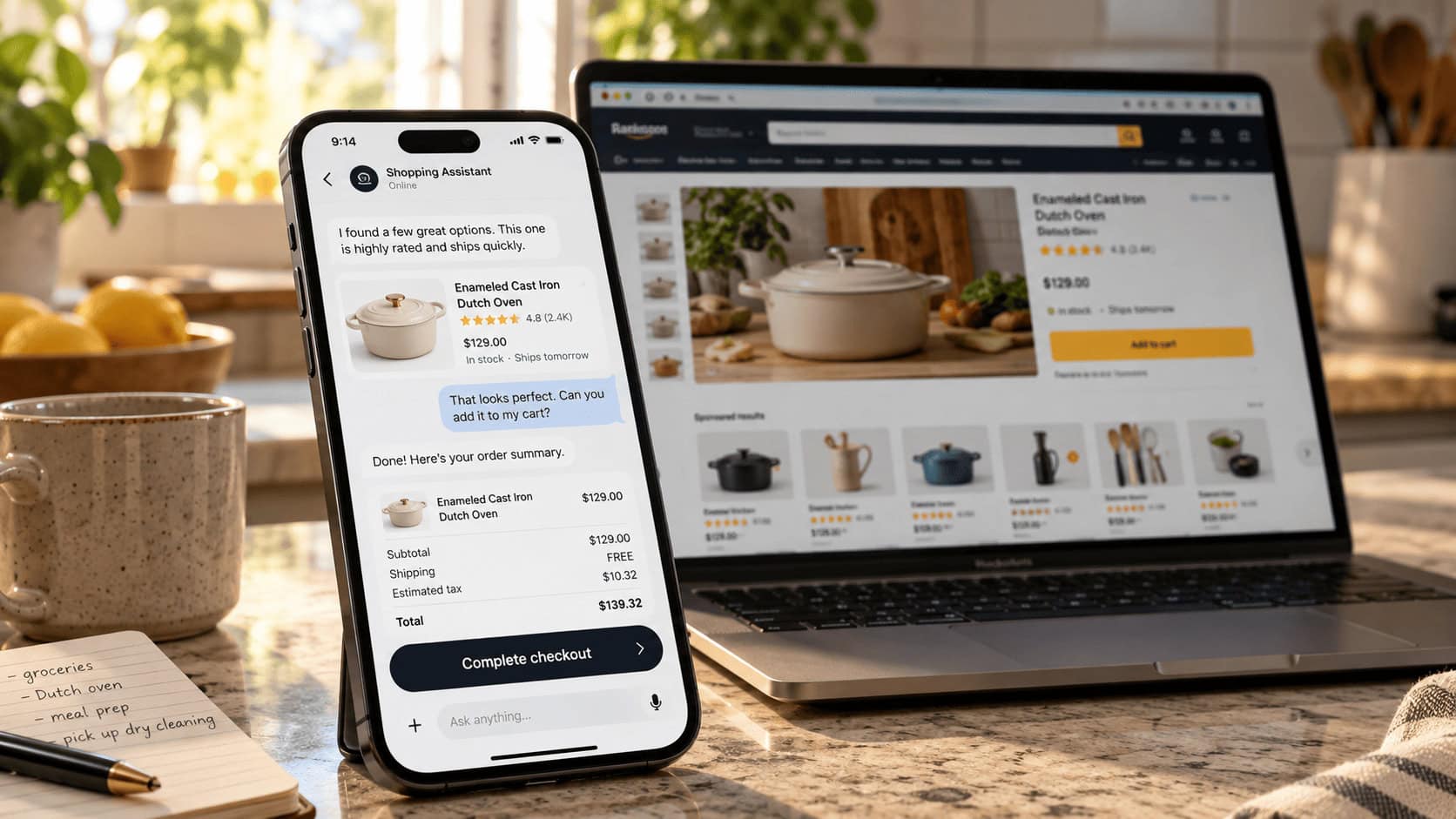


Overview
The AI agent blocking trend represents a fundamental shift in e-commerce platform strategy that directly impacts seller competitiveness and operational efficiency. According to BrightEdge data, agent-driven e-commerce purchases surged fourfold since April 2024 and grow 43 percent monthly, yet only 3 percent of e-commerce companies currently allow external AI agents to execute transactions. Amazon, JPMorgan Chase, Charles Schwab, and other major platforms have implemented blocking measures, citing security concerns and revenue protection. Amazon specifically blocked AI agents like Meta Muse and OpenAI Dots while filing a lawsuit against Perplexity, establishing legal precedent that third-party agents must operate transparently and respect platform decisions.
For sellers, this creates a bifurcated competitive landscape with immediate automation opportunities and strategic risks. Sellers using AI agents for market research, competitor analysis, and price monitoring now face access restrictions on major platforms—potentially eliminating 5-10 hours weekly of manual research tasks that could have been automated. Conversely, sellers can implement similar blocking measures to protect storefronts from unauthorized agent scraping and competitive intelligence gathering. The operational challenge intensifies because external AI agents lack clear identity indicators, complicating customer preference tracking and marketing analysis. Transaction verification becomes complex when agents act on behalf of users, requiring proof of agent authorization beyond buyer legitimacy. Mistakes in AI-executed purchases increase returns and payment cancellations—a hidden cost that sellers absorb through higher refund rates and inventory management complexity.
However, selective adoption by Target and Walmart demonstrates that approved AI agents can increase traffic and sales velocity. Companies simultaneously developing proprietary AI agents—DoorDash launched Ask—offer better inventory accuracy and customer service responsiveness than external alternatives. Cloudflare's introduction of one-click AI crawler blocking in 2025 signals that bot-blocking infrastructure is becoming standardized, creating a technical moat for platforms. The Federal Reserve's Christopher Waller highlighted authentication complexity: verifying AI agent authorization differs fundamentally from confirming buyer payment authority, suggesting regulatory frameworks will evolve. Scott Devitt of Rosenblatt Securities notes Amazon has minimal incentive to share its value chain with external agents given its Prime subscriber base—a strategic advantage that smaller sellers cannot replicate. The divergence reflects uncertainty about AI agent policies despite companies' advanced search and social media capabilities, leaving sellers uncertain about optimal strategies for the next 12-24 months.
Immediate seller actions should focus on three areas: (1) Audit current AI agent dependencies in market research and pricing workflows to quantify automation value at risk; (2) Develop proprietary data collection methods using approved APIs and licensed data feeds to replace blocked agent access; (3) Implement defensive blocking measures on seller storefronts to prevent competitor scraping while maintaining legitimate customer access. Strategic adjustments over 3-6 months should include evaluating alternative marketplaces with more permissive agent policies, investing in first-party data collection infrastructure, and building relationships with platform partnerships teams to negotiate approved agent status. Risk mitigation requires monitoring platform policy announcements monthly and maintaining compliance documentation for any AI-assisted operations to demonstrate transparency and authorization.
Questions 8
What are the immediate risks for sellers from AI agent blocking policies?
Immediate risks include loss of automated market research capabilities, increased operational costs for manual competitor analysis, and potential transaction verification delays if sellers use AI agents for order processing. Mistakes in AI-executed purchases increase returns and payment cancellations—costs sellers absorb through higher refund rates and inventory management complexity. Transaction verification becomes complex when agents act on behalf of users, requiring proof of agent authorization beyond buyer legitimacy. Additionally, Cloudflare's one-click AI crawler blocking (introduced 2025) signals that bot-blocking infrastructure is becoming standardized, making it easier for platforms to enforce restrictions. Sellers should audit current AI agent dependencies within 30 days to quantify automation value at risk.
Which retailers are embracing approved AI agents and what benefits do they see?
Target and Walmart are selectively embracing approved AI agents to increase traffic and sales velocity. Companies developing proprietary AI agents—such as DoorDash's Ask—report better inventory accuracy and customer service responsiveness compared to external alternatives. These approved agents provide clear identity indicators, enabling accurate customer preference tracking and marketing analysis. The strategic advantage lies in integrated ecosystems: Amazon has minimal incentive to share its value chain with external agents given its Prime subscriber base, but approved agents within platform partnerships can drive incremental sales. Sellers should explore negotiating approved agent status with platform partnerships teams to access these traffic benefits.