


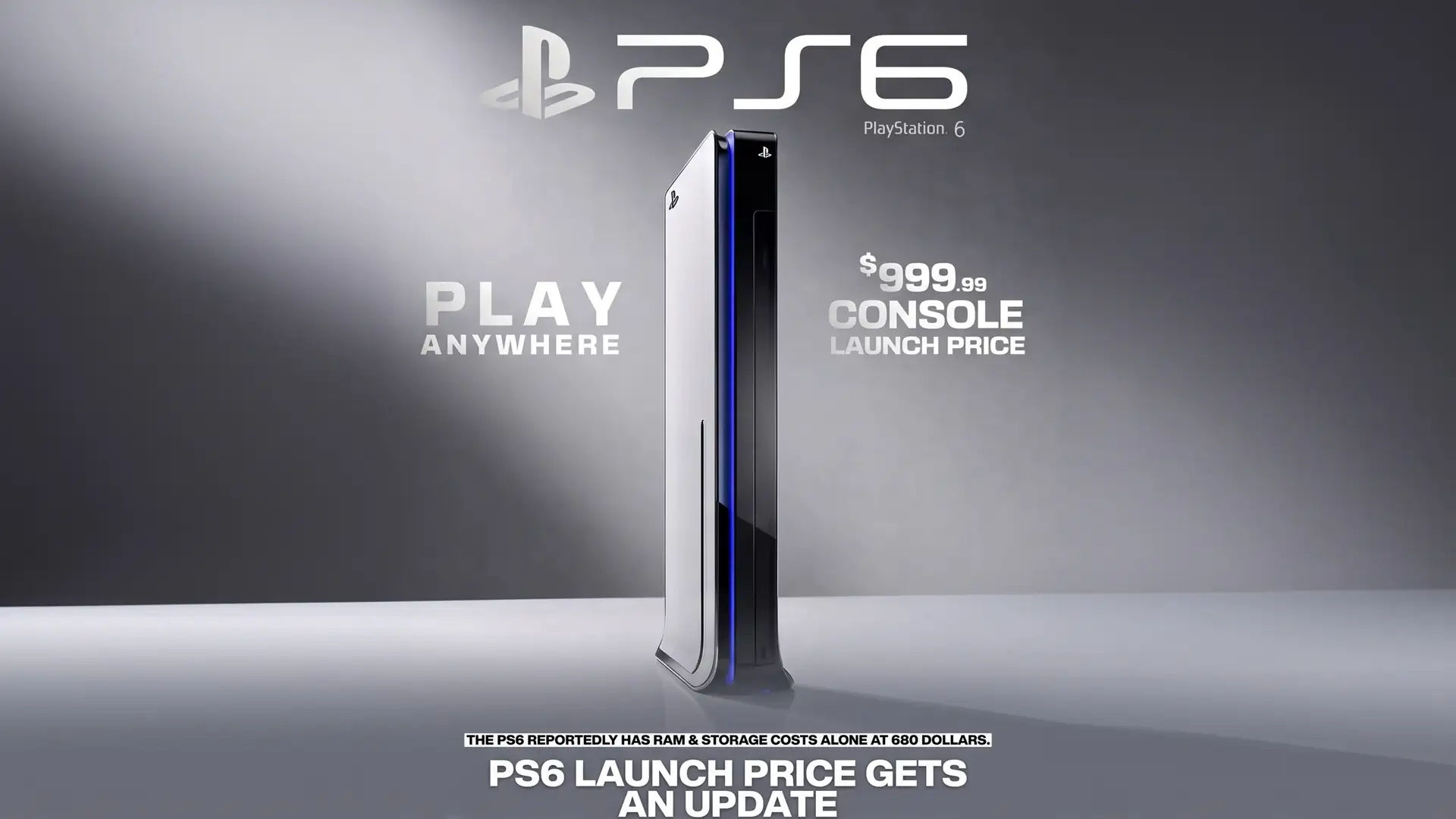


Semiconductor Shortage Crisis | Gaming Console Price Surge Reshapes Electronics Supply Chain for Sellers
- AI data center demand drives component costs up 26% in 4 months; PS6 BOM jumps from $760 to $960, threatening $1,000+ retail pricing and creating urgent sourcing opportunities for electronics sellers
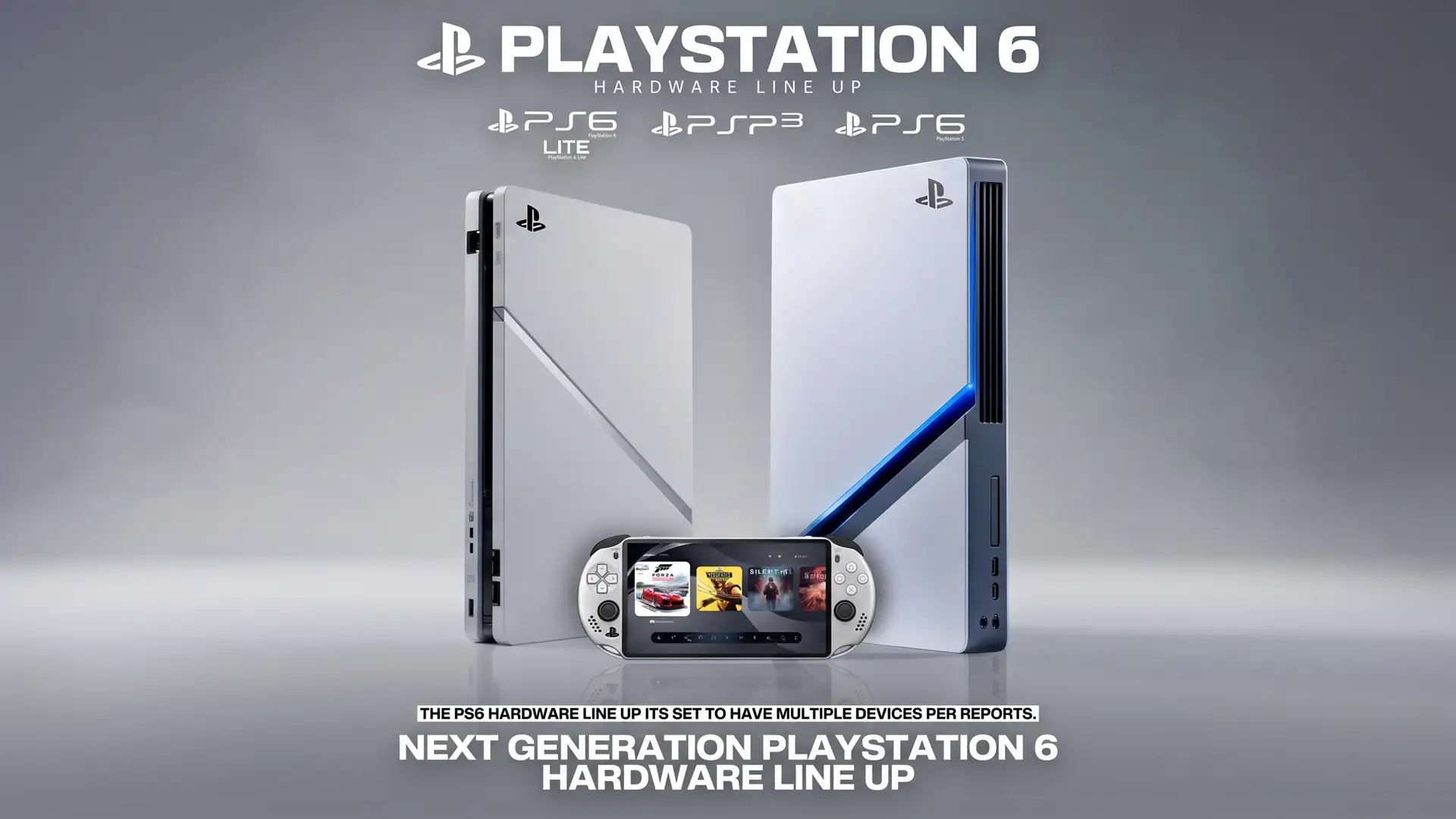

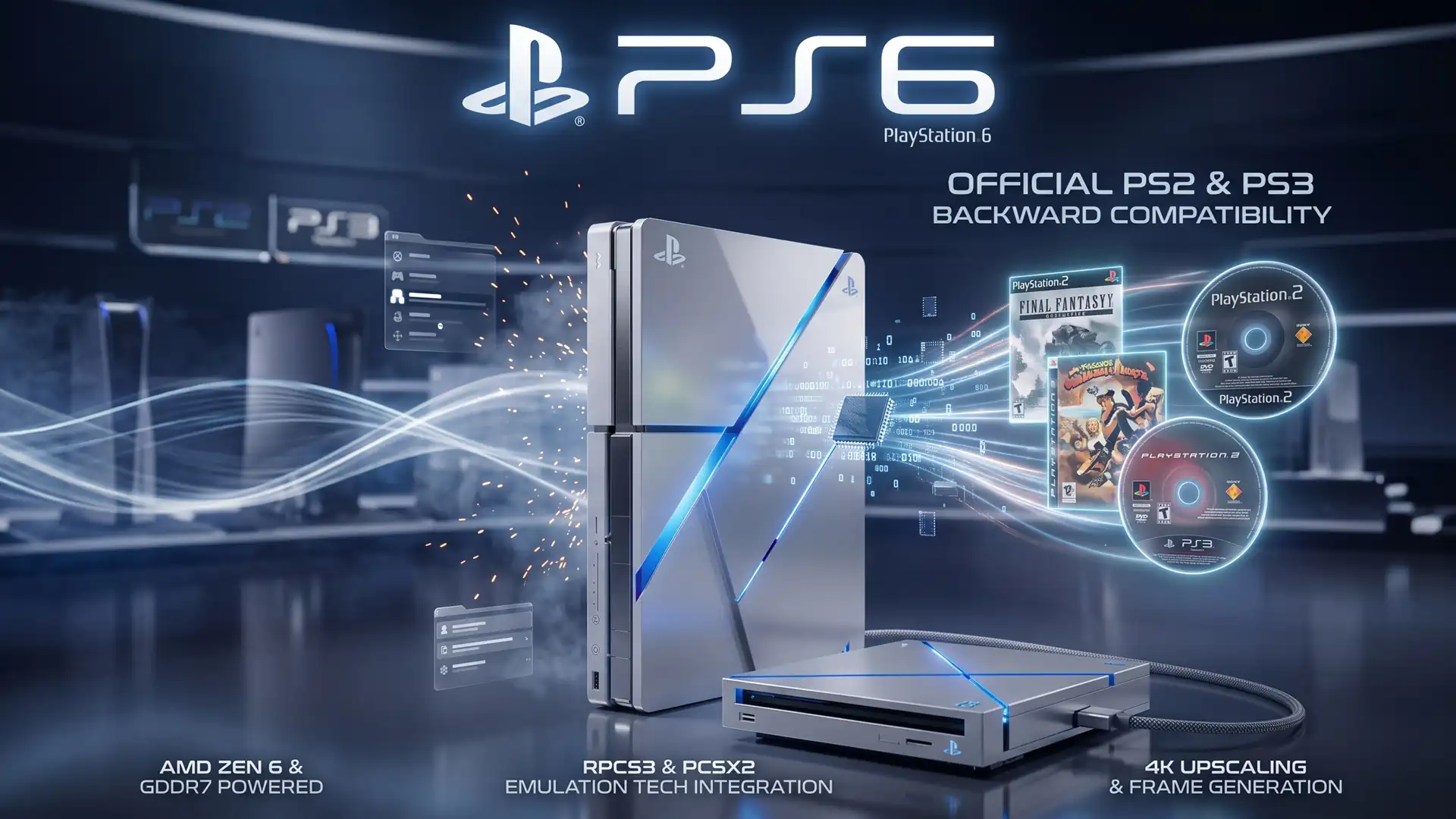

Overview
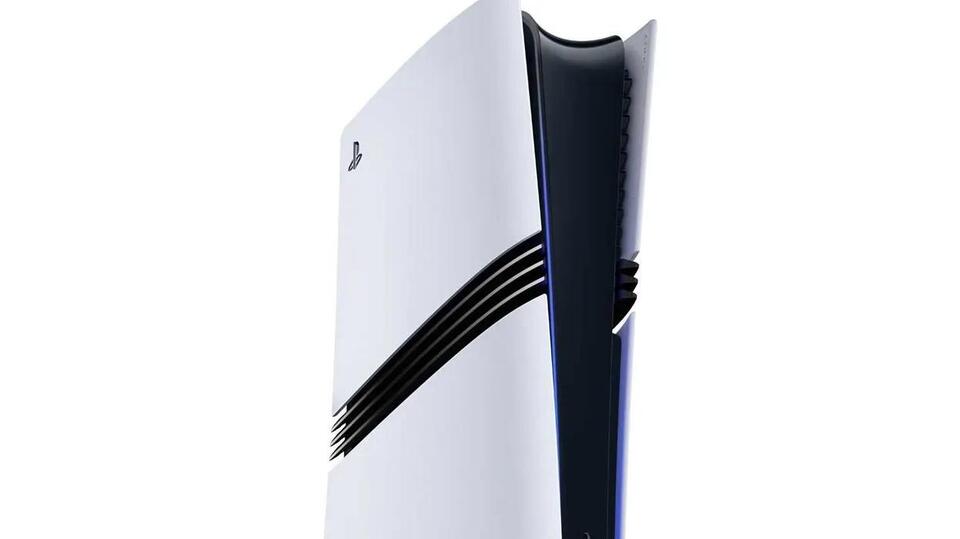
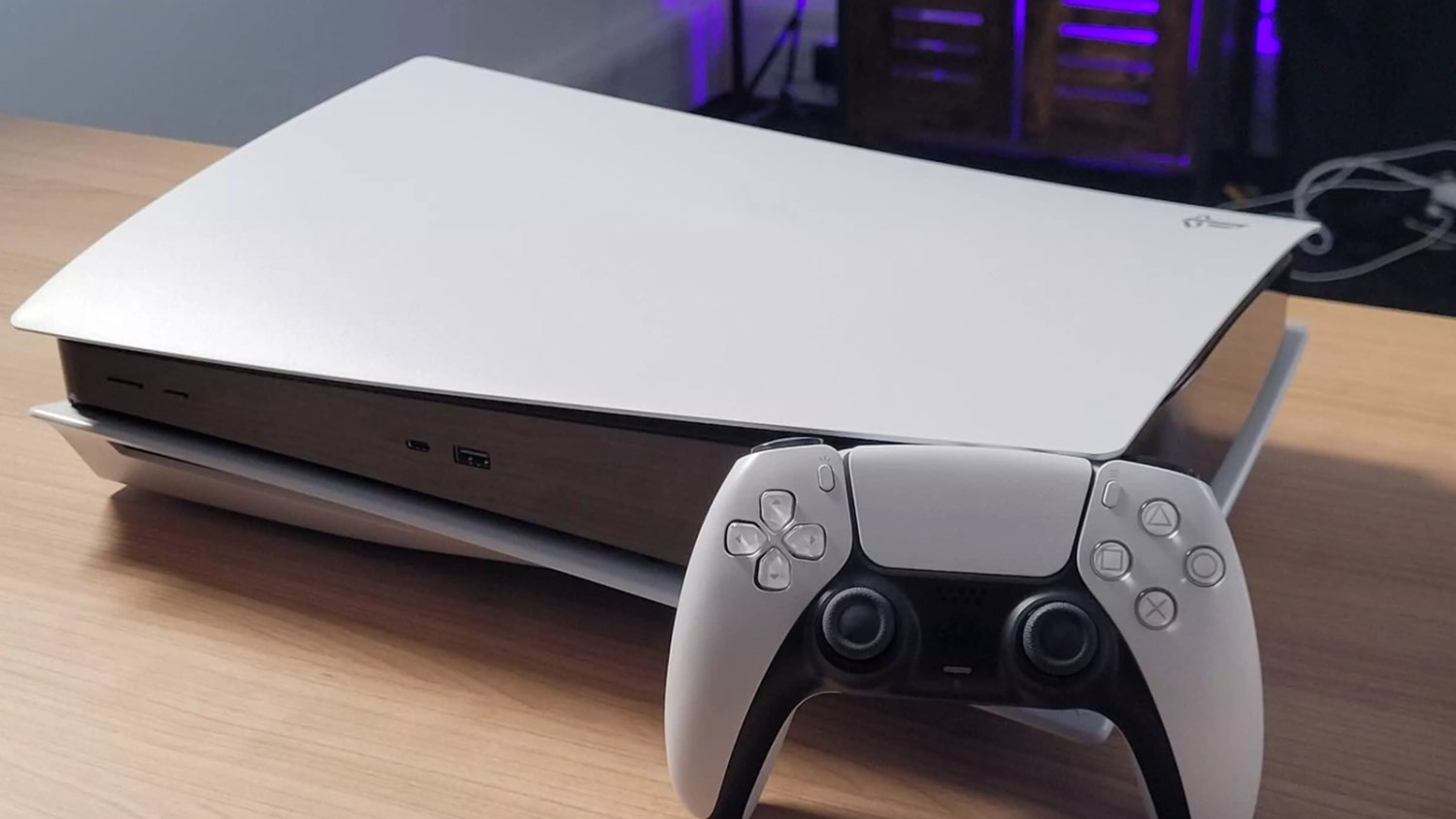
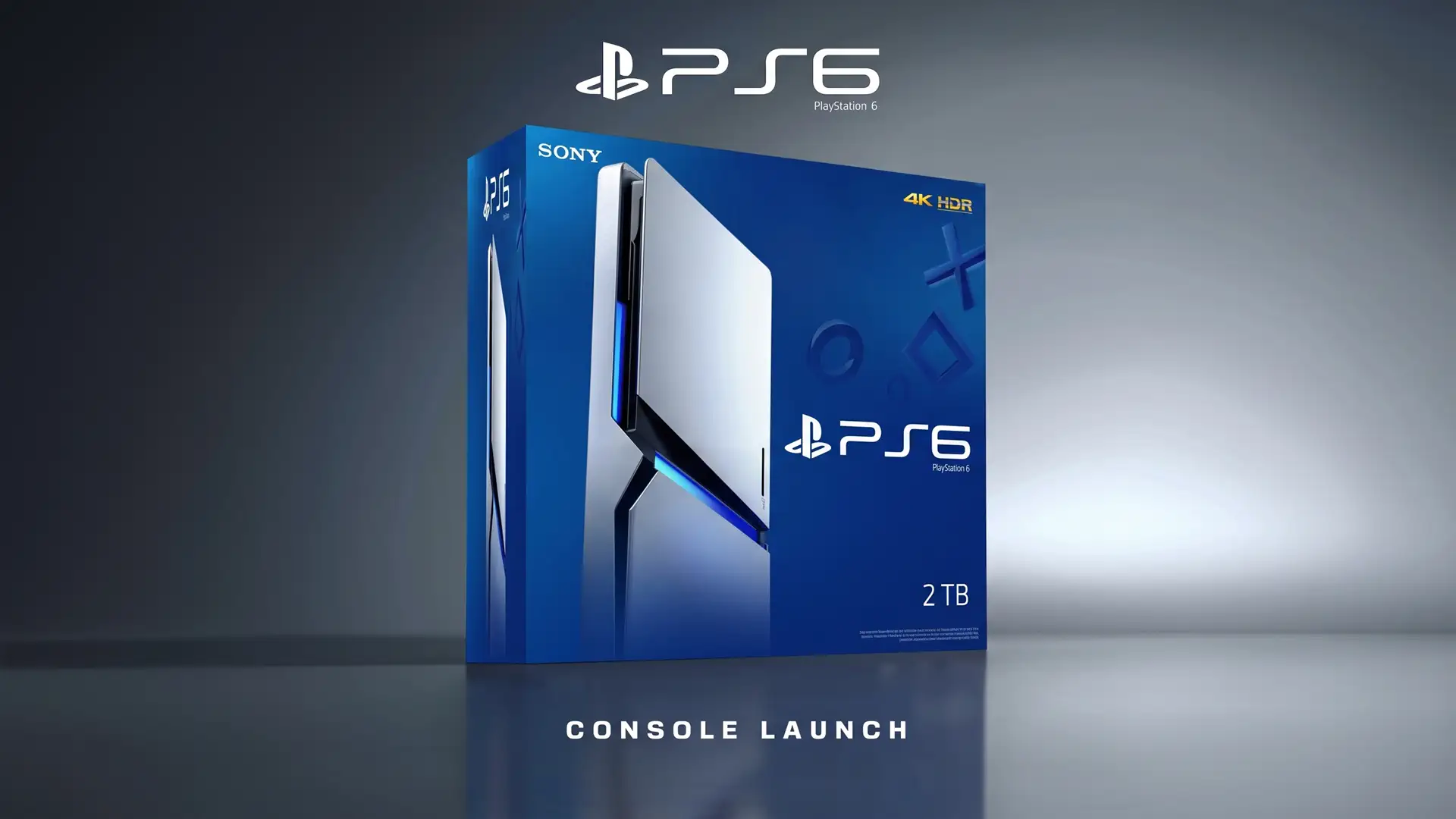
The PlayStation 6's escalating bill of materials—rising from $760 in March 2026 to $960 by July 2026—signals a critical semiconductor supply crisis with profound implications for cross-border electronics sellers. AI data center demand has created unprecedented competition for memory components (RAM, SSD), which now consume over $680 of the PS6's manufacturing cost, leaving minimal margin for GPU, CPU, and cooling systems. This 26% cost increase in just four months reflects broader industry challenges affecting all consumer electronics, not just gaming consoles.
For electronics sellers, this crisis creates three immediate logistics and sourcing opportunities:
1. Component Sourcing Acceleration: Memory chip costs are at historical highs, but supply chains are fragmenting. Sellers sourcing gaming peripherals, PC components, and consumer electronics should immediately shift procurement from Taiwan/South Korea to alternative suppliers in Vietnam, Thailand, and Malaysia where secondary-tier manufacturers are absorbing excess capacity. Specific action: Lock in 6-month forward contracts for DDR5 RAM and NVMe SSDs before Q4 2026 when PS6 pre-orders spike demand further. Cost impact: 12-18% premium now vs. 35-40% premium post-announcement.
2. Inventory Repositioning Strategy: Extended PS5-to-PS6 transition (Sony signals 3+ year cross-generation support) means PS5 accessories, games, and peripherals will remain in high demand through 2028-2029. Sellers should stock 4-6 months of PS5 inventory in US/EU warehouses NOW before retail prices collapse post-PS6 launch. Simultaneously, pre-position PS6 launch inventory in Asia-Pacific fulfillment centers (Singapore, Tokyo) to capture early adopter demand in markets where console pricing is less price-sensitive.
3. Warehouse and Fulfillment Optimization: The extended launch window and potential price delays create opportunity for 3PL providers in secondary logistics hubs (Memphis, Indianapolis, Cologne) to capture overflow from Amazon FBA. Sellers should evaluate 3PL partnerships offering 60-90 day storage at $0.40-0.60/unit/month vs. FBA's $0.87/unit/month for oversized items. This 30-40% cost savings on gaming console accessories (controllers, headsets, charging docks) directly offsets margin compression from rising component costs.
Total landed cost impact: A $299 gaming headset with $85 COGS will see component costs rise 18-22% ($15-19 per unit). Sellers can offset this through logistics optimization (3PL vs. FBA saves $8-12/unit on bulky items) and sourcing diversification (Vietnam suppliers offer 8-12% cost advantage vs. Taiwan for non-critical components). The window to execute these moves closes in 60-90 days as PS6 announcement approaches and component allocation tightens.
Questions 8
What fulfillment strategy minimizes costs during component price inflation?
3PL providers in secondary logistics hubs (Memphis, Indianapolis, Cologne) offer 30-40% cost savings vs. Amazon FBA for oversized gaming items. FBA charges $0.87/unit/month for oversized storage; 3PLs charge $0.40-0.60/unit/month. For a $299 gaming headset with rising component costs, shifting 40-50% of inventory to 3PL saves $8-12 per unit on fulfillment alone. Sellers should evaluate 3PL partnerships offering 60-90 day storage terms to buffer against component cost volatility while maintaining Amazon Buy Box eligibility through FBM (Fulfilled by Merchant) with Prime-eligible shipping.
When should sellers execute sourcing and inventory changes?
The window to execute these moves closes in 60-90 days as PS6 announcement approaches and component allocation tightens. Immediate actions: (1) Lock forward contracts for memory components by end of Q3 2026; (2) Stock PS5 inventory in US/EU warehouses within 30 days before retail price collapses; (3) Evaluate 3PL partnerships within 45 days to secure capacity before peak season. Delaying beyond 90 days risks 25-35% higher component costs, reduced warehouse availability, and missed early-adopter demand in Asia-Pacific markets.