



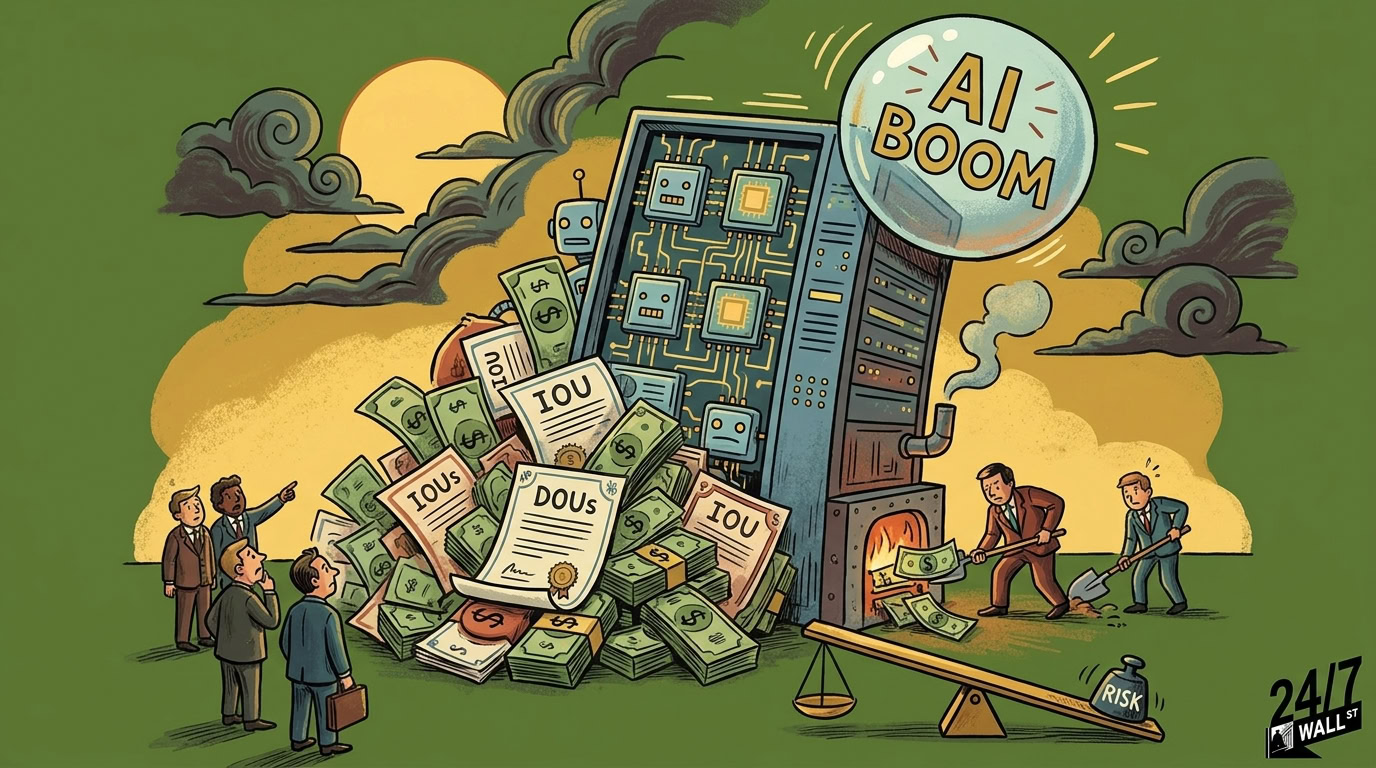


AI Infrastructure Cost Crisis | Sellers Face 15-25% Cloud Service Fee Increases in 2025
- $10 trillion U.S. AI infrastructure boom stalling; rising electricity costs and supply constraints threaten pricing for inventory management, demand forecasting, and logistics automation tools sellers depend on




















Overview
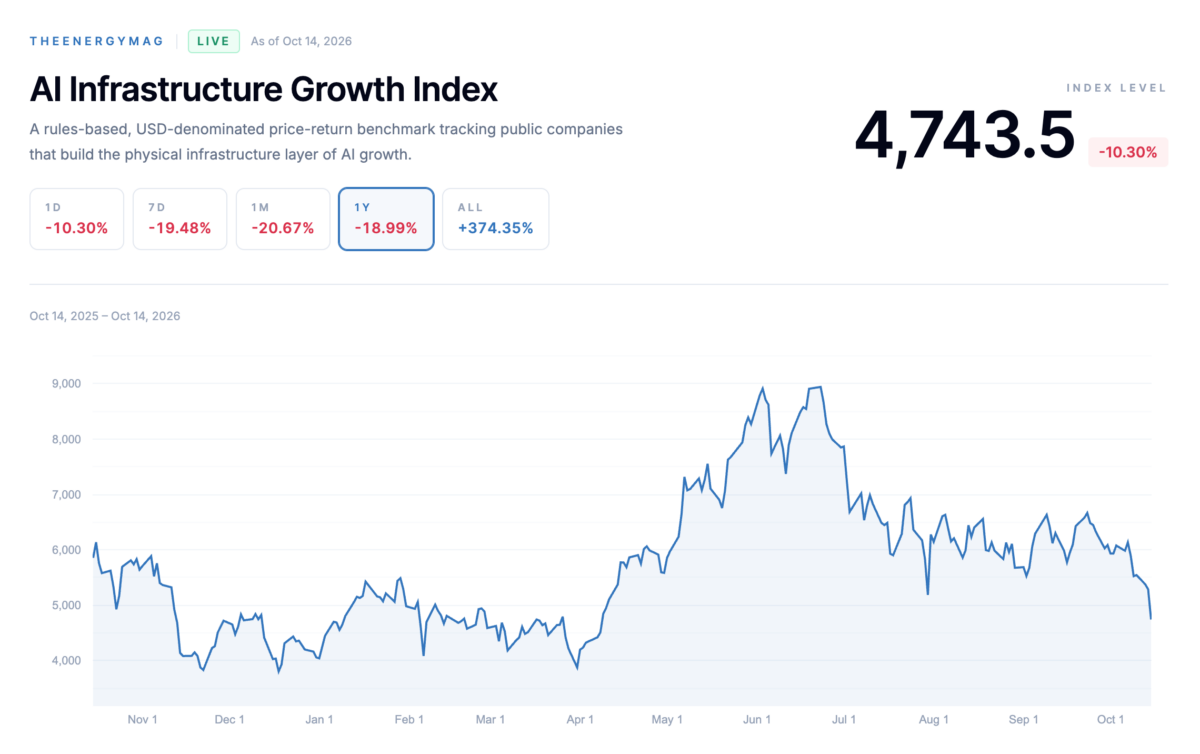
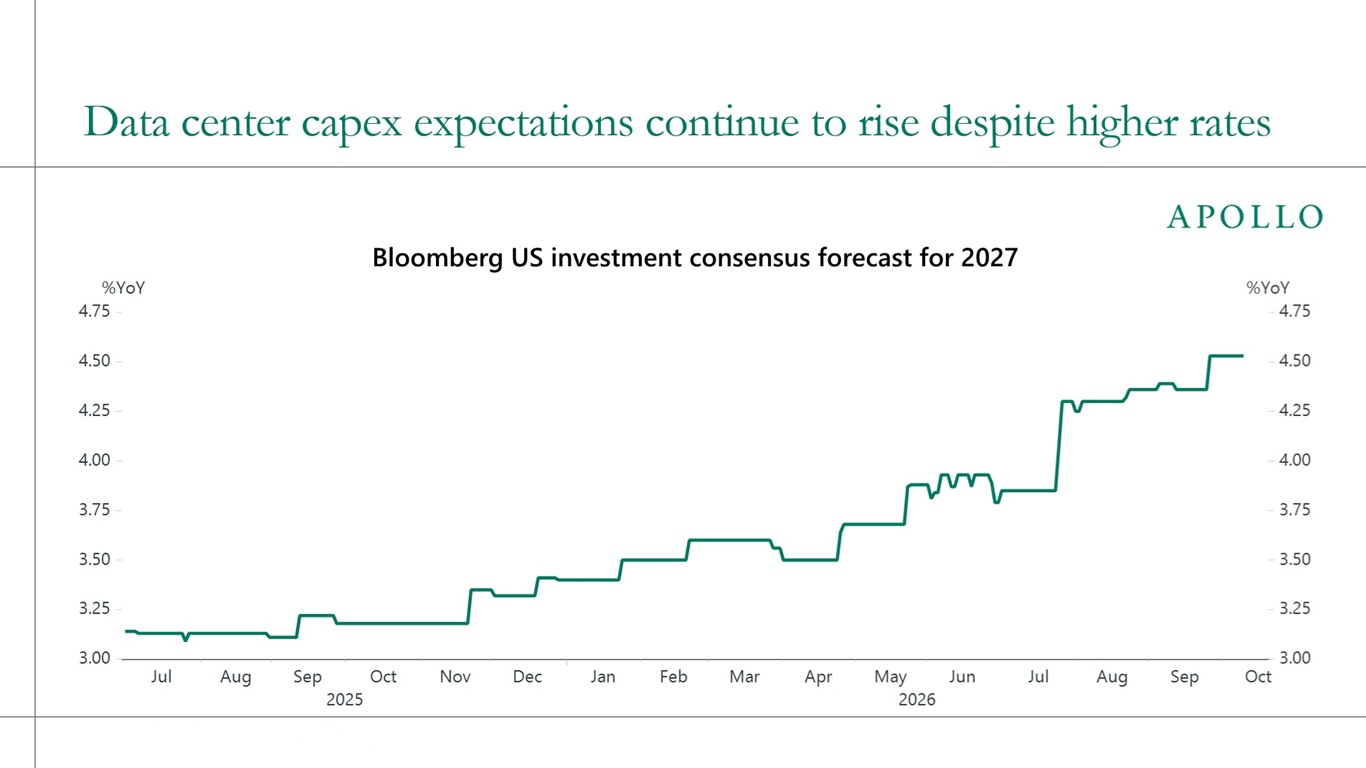
America's $10 trillion AI infrastructure investment is experiencing significant strain, with semiconductor supply constraints, escalating electricity costs, and international competition creating a critical inflection point for e-commerce sellers. The Financial Times reports that while initial projections promised rapid AI service expansion, actual near-term spending faces delays and cost pressures. This infrastructure crisis directly impacts cross-border sellers relying on AI-powered inventory management, demand forecasting, and customer service automation tools that depend on cloud computing resources.
The immediate cost pressure is real and quantifiable. Rising electricity costs for power-intensive data centers—a core driver of AI infrastructure expenses—are translating directly into higher fees for cloud services and AI-powered platform features. Sellers using tools like Helium 10, Jungle Scout, Keepa, or native Amazon AI features for inventory optimization face potential price increases of 15-25% within the next 6-12 months as providers pass infrastructure costs downstream. This affects all seller segments, but small-to-medium sellers (SMBs) with 500-5,000 SKUs are most vulnerable, as they lack negotiating power with SaaS providers.
The uncertainty about optimal infrastructure specifications creates a second-order risk. Companies are reassessing capital allocation strategies, meaning some AI service providers may deprioritize feature development or consolidate offerings. Sellers who've built workflows around specific AI tools face potential service discontinuation or feature degradation. Logistics optimization platforms powered by AI—increasingly critical for cross-border sellers managing multi-warehouse fulfillment—may experience service disruptions or pricing volatility. Additionally, the slower-than-expected infrastructure buildout means demand forecasting accuracy improvements will plateau, reducing the competitive advantage sellers gained from early AI adoption.
For competitive intelligence, this creates an asymmetric opportunity. Sellers who lock in long-term service agreements NOW at current pricing before Q2 2025 rate increases gain 12-18 months of cost stability. Conversely, sellers delaying AI tool adoption or switching to open-source alternatives (like Hugging Face models for demand forecasting) can avoid the infrastructure cost premium entirely. The infrastructure crisis also signals that proprietary AI tools with high cloud dependencies will become more expensive relative to hybrid or on-premise solutions, shifting competitive advantage toward sellers who diversify technology stacks.
Immediate actions: Audit all AI service subscriptions (inventory tools, pricing software, customer service bots) and identify renewal dates. Contact providers for multi-year pricing locks before Q1 2025. Evaluate alternative solutions with lower infrastructure dependencies—open-source demand forecasting models, rule-based inventory systems, or regional 3PL providers with local AI capabilities. Monitor AWS, Google Cloud, and Azure pricing announcements for data center cost pass-throughs.
Questions 8
How does the infrastructure slowdown affect demand forecasting accuracy for cross-border sellers?
The slower-than-expected AI infrastructure buildout means providers will deprioritize feature improvements and model refinement. Demand forecasting accuracy improvements—which typically improve 3-5% annually—will plateau or decline. This reduces the competitive advantage early AI adopters gained. Cross-border sellers managing multiple markets should expect forecasting errors to increase 2-4% in 2025, requiring larger safety stock buffers and potentially increasing carrying costs by $500-2,000 per SKU annually.
Should I switch to open-source AI tools to avoid rising infrastructure costs?
Open-source demand forecasting models (via Hugging Face or TensorFlow) can reduce long-term costs but require technical expertise to implement and maintain. For sellers without data science teams, the setup cost ($2,000-8,000) and ongoing maintenance (5-10 hours/month) may exceed SaaS subscription increases. A hybrid approach works best: use SaaS for core functions (inventory, pricing) and open-source for specialized forecasting. This diversification protects against single-provider price shocks while maintaining operational simplicity.