

Small AI Models Transform Emerging Markets | $120B Opportunity for Cross-Border Sellers
- World Bank mobilizes $120B for localized AI in developing nations; creates new market opportunities for sellers targeting 2B+ emerging market consumers with mobile-first products and services




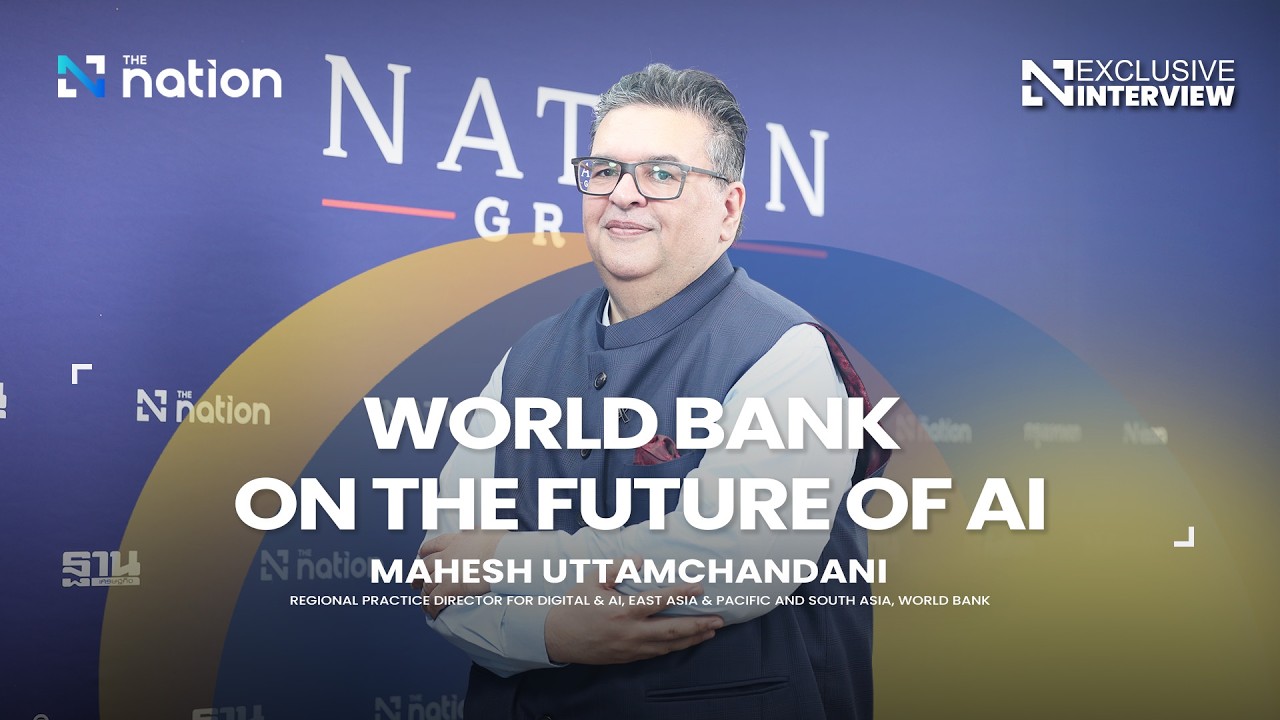



Overview
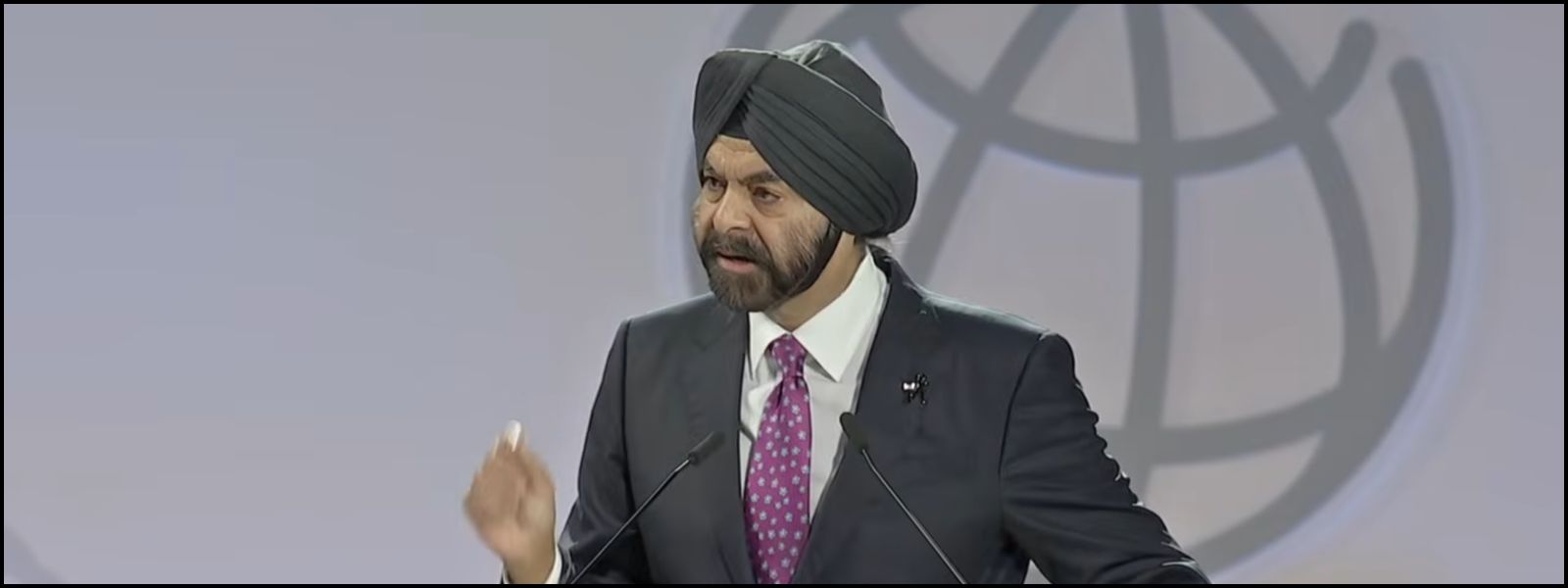
The World Bank's advocacy for "small AI" models represents a transformative shift in how developing economies adopt artificial intelligence, with direct implications for cross-border e-commerce sellers targeting emerging markets. Unlike Silicon Valley's resource-intensive large language models, small AI systems operate on basic mobile devices with minimal connectivity—critical for regions where nearly one-third of rural schools in sub-Saharan Africa lack electricity and over two-thirds have no consistent internet. The World Bank has mobilized $120 billion in private capital under President Ajay Banga's leadership to fund these localized solutions, signaling massive infrastructure investment in emerging economies.
For e-commerce sellers, this creates three immediate opportunities: First, the infrastructure buildout will expand mobile commerce in underserved markets. AgriConnect's success in India—providing soil analysis in local languages to farmers without expert access—demonstrates how localized AI drives product demand in agriculture, education, and rural services. Sellers can capitalize on this by developing mobile-optimized product listings, local-language content, and payment solutions for markets gaining digital connectivity. Second, the $120B capital mobilization indicates governments and institutions will invest heavily in digital infrastructure, creating demand for electronics, connectivity devices, and digital tools. Third, the IMF's warning that 40% of global jobs could be augmented or eliminated by AI signals workforce displacement in developing nations—creating demand for reskilling products, online education, and digital services.
The competitive advantage lies in AI-powered localization: Sellers who use AI to automatically translate product descriptions into local languages, analyze region-specific demand patterns, and optimize pricing for emerging market purchasing power will capture disproportionate share. Small AI models themselves become a product opportunity—sellers can develop or resell localized AI tools for inventory management, customer service, and demand forecasting tailored to markets with limited infrastructure. The World Bank's emphasis on "collaboration between international institutions, governments, and private sector partners" indicates regulatory frameworks will emerge favoring sellers who demonstrate local economic impact. This positions early movers in emerging markets to build defensible competitive advantages before larger platforms establish dominance.
Time horizon is critical: The World Bank's initiative is in early deployment phase (Bangkok meetings, AgriConnect pilot in India), meaning infrastructure expansion will accelerate over 12-24 months. Sellers who begin building local-language content, mobile-optimized storefronts, and region-specific product strategies now will establish market position before mainstream adoption. The democratization of AI access—comparable to cellphone adoption—suggests rapid scaling potential, with emerging market e-commerce potentially growing 3-5x faster than developed markets as digital infrastructure improves.
Questions 8
Which product categories will see the highest demand from small AI infrastructure expansion?
The World Bank's focus on agriculture (AgriConnect), education, and rural services indicates three high-demand categories: agricultural technology and tools, digital education products, and connectivity devices. The news specifically highlights that over two-thirds of rural schools in sub-Saharan Africa lack consistent internet connection, signaling massive demand for affordable tablets, solar-powered devices, and offline-capable educational software. Additionally, the IMF's warning that 40% of global jobs could be augmented or eliminated by AI suggests strong demand for reskilling products, online courses, and digital literacy tools. Sellers should prioritize mobile-optimized product listings in these categories and develop AI-powered tools to identify region-specific demand patterns. Agricultural products, educational technology, and affordable electronics represent the highest-ROI opportunities for emerging market expansion.
How will the World Bank's $120B capital mobilization affect cross-border sellers?
The World Bank has mobilized $120 billion in private capital under President Ajay Banga's leadership specifically to fund localized AI solutions and digital infrastructure in emerging economies. This massive investment signals that governments and institutions will prioritize digital connectivity, electricity access, and workforce readiness—creating demand for electronics, connectivity devices, and digital services. Sellers targeting emerging markets should expect rapid infrastructure expansion over 12-24 months, particularly in sub-Saharan Africa and South Asia. This creates a first-mover advantage: sellers who begin building local-language storefronts, mobile-optimized product pages, and region-specific pricing strategies now will establish market position before larger platforms enter these markets. The capital mobilization also indicates regulatory frameworks will emerge, potentially favoring sellers who demonstrate local economic impact.