




Diesel Price Persistence | Cross-Border Logistics Cost Outlook
- Elevated fuel surcharges may persist for 1-3 months, pressuring FBA, 3PL and last-mile margins for high-volume sellers


























Overview
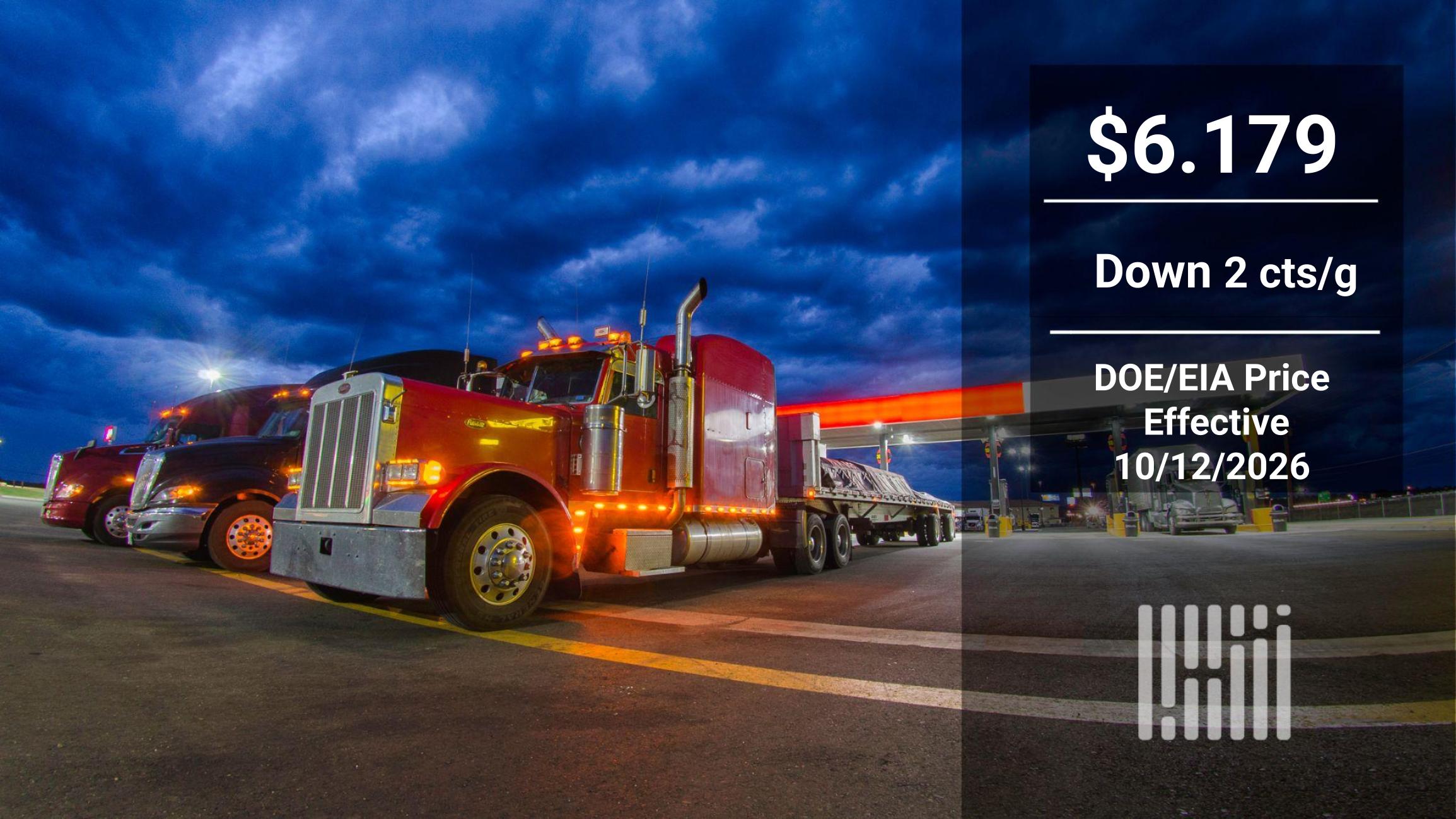
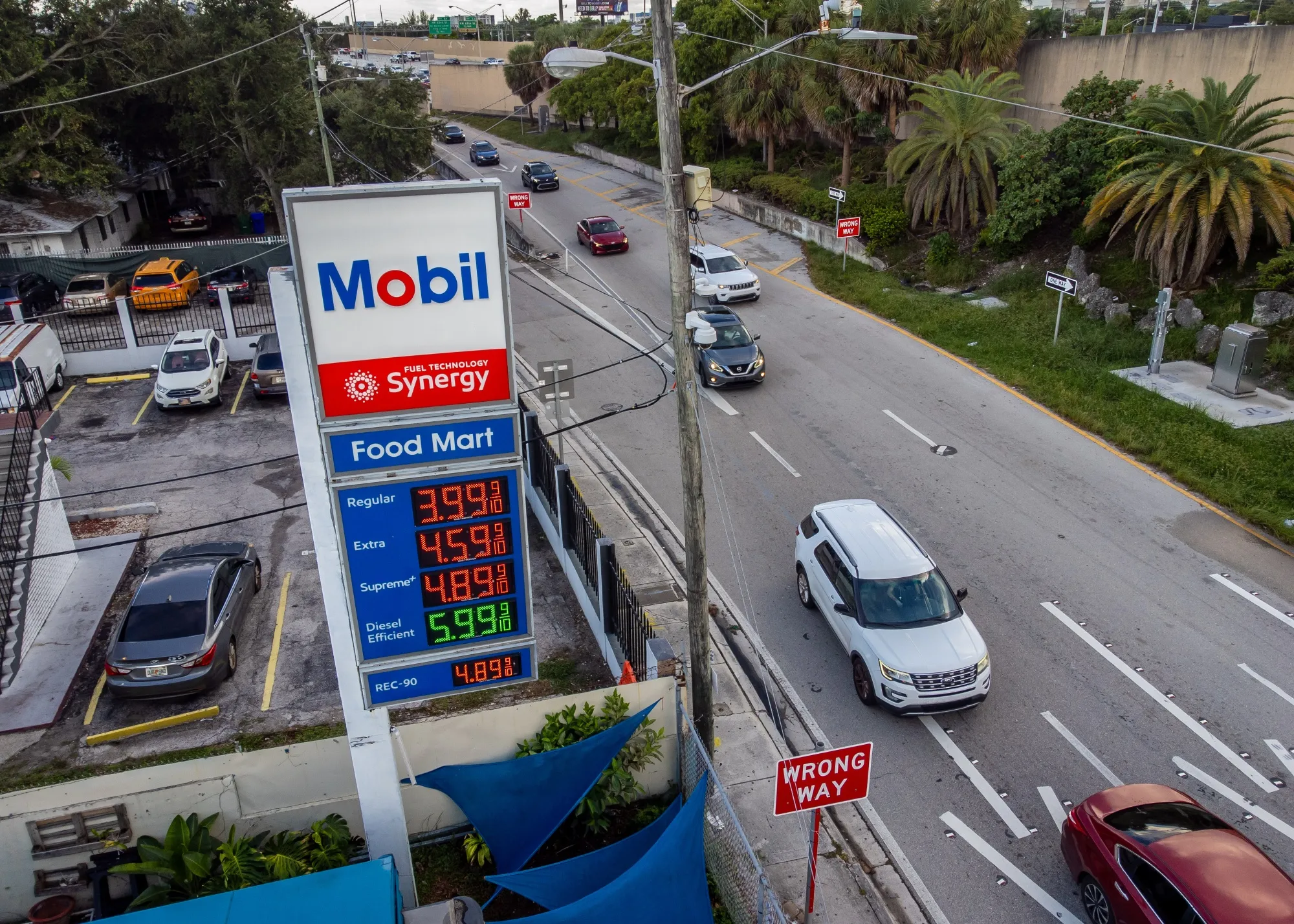
The news reports that diesel prices remain elevated in global markets despite coordinated efforts to boost supply, signaling that supply constraints are outpacing demand-side management. The source provides no regional breakdown, exact price levels, or timeline for the supply measures, so the magnitude cannot be quantified from this item alone. A second item, on U.S. gasoline prices approaching Biden-era averages ahead of the midterms, points in the same direction for fuel costs, but it has limited direct relevance to cross-border sellers. For Amazon FBA, Shopify merchants using 3PL providers, and eBay sellers shipping by ground, the practical signal is that fuel-linked costs are unlikely to fall quickly.
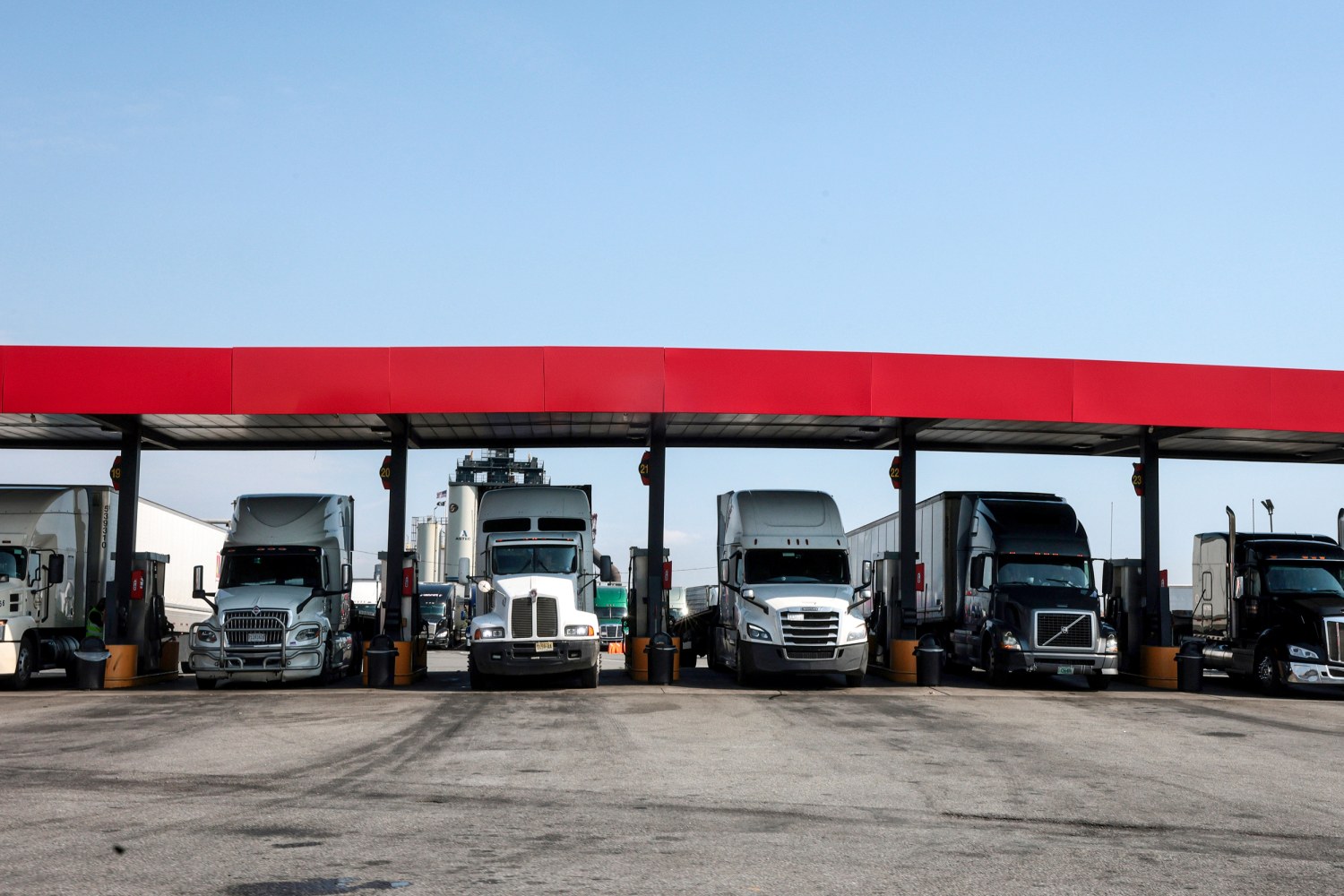
Diesel is the main input for linehaul trucking, drayage and last-mile delivery vehicles. Industry data shows fuel typically accounts for roughly 20-30% of linehaul trucking costs, and carriers pass changes through via fuel surcharges that are often reset weekly or monthly. The operational impact is therefore concentrated in ground-heavy supply chains: US domestic FBA replenishment, cross-border trucking from Mexico or Canada, and European intra-EU road freight. Sellers relying on bulky categories such as furniture, home goods, and outdoor equipment, where shipping cost per unit is already high, are most exposed. Expect fuel surcharges of roughly 3-8% on freight invoices to be a realistic planning range during a period of sustained high diesel prices, though actual figures depend on contracts and lanes.
Specifically for sellers, the cost pressure is most acute for those with high-volume, low-margin SKUs. Similar fuel spikes in prior cycles have compressed contribution margins by 1-3 points for merchants that did not adjust prices, while sellers that shifted to sea or rail for non-urgent replenishment preserved more margin. Fulfillment decisions also matter: Amazon FBA inbound placement and storage fees, and 3PL warehouse-to-door charges, can each absorb fuel surcharges that were not previously budgeted. Sellers operating in markets with limited alternative transport, such as rural US or remote EU regions, face the largest risk.
Looking at platform data patterns, consumers do not typically absorb fuel-driven shipping increases without some friction, so pricing should be tested carefully rather than passed through in full. Monitor weekly carrier fuel surcharge tables and diesel benchmark indices, and treat the current signal as a planning assumption rather than a confirmed trend, given the limited detail in the source.
Questions 8
Why do high diesel prices affect cross-border e-commerce sellers' costs?
Diesel powers linehaul trucks, drayage and last-mile delivery vans, so fuel price moves flow directly into freight and fulfillment invoices. Carriers typically recover this through fuel surcharges that reset weekly or monthly. The news reports diesel prices remain elevated despite supply efforts, with no specific regional or price figures given. Sellers should therefore plan for sustained, not temporary, surcharge pressure on ground-based shipping.
What should sellers monitor to know when diesel cost pressure is easing?
Track weekly diesel benchmark prices such as the U.S. EIA retail diesel series and your carriers' published fuel surcharge tables. A sustained decline over several weeks in both indicators, combined with carrier surcharge resets, would signal easing. Because the source article lacks timeline details for supply efforts, treat any relief as unconfirmed until surcharge tables actually fall.