



Cloud Infrastructure Consolidation & AI Chip Competition | Critical Cost Implications for E-Commerce Sellers 2026-2027
- Neocloud market shakeout threatens platform stability and AI tool pricing; sellers must prepare for 15-25% cost volatility in logistics tech and advertising infrastructure





















Overview
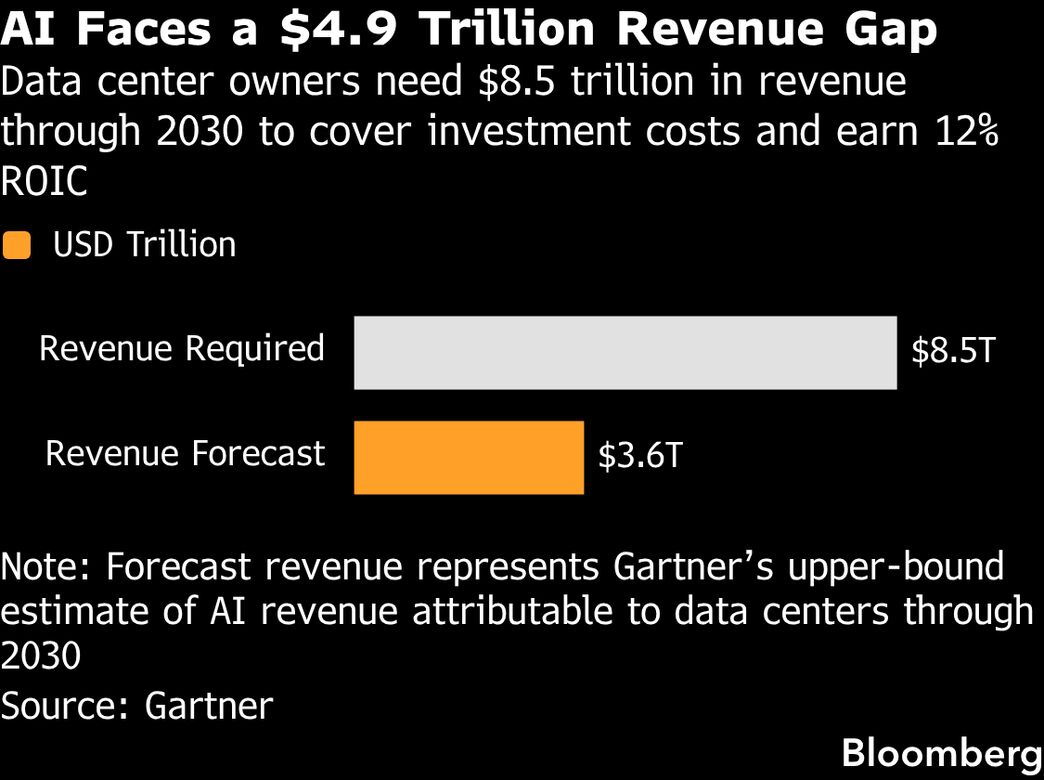
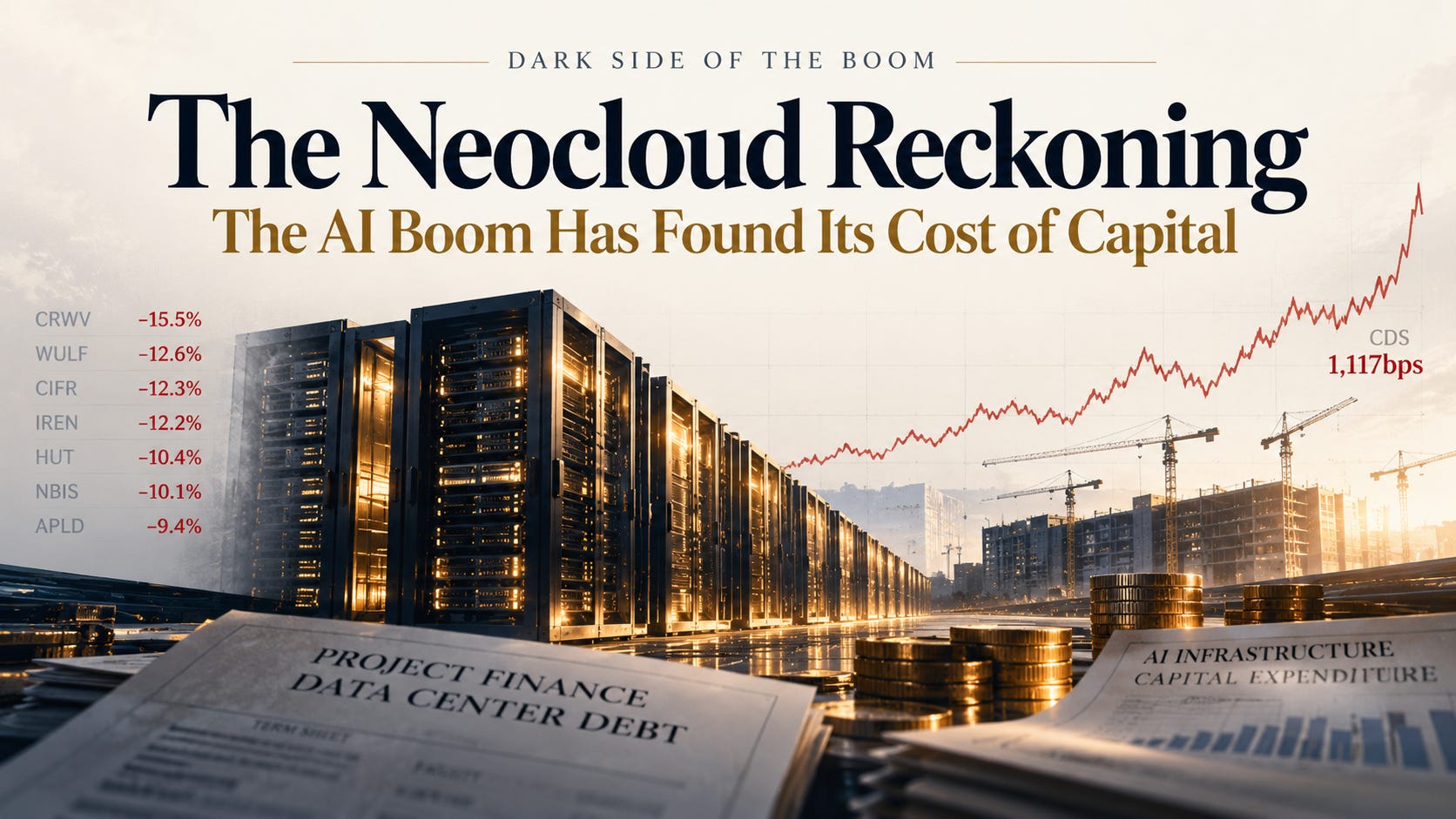
The October 2026 neocloud infrastructure shakeout represents a critical inflection point for cross-border e-commerce sellers, driven by intensifying competition between OpenAI, Nvidia, and cloud providers consolidating market share through aggressive pricing and custom silicon development. This infrastructure-level disruption directly impacts three core seller dependencies: platform fees, AI-powered logistics technology, and advertising optimization tools.
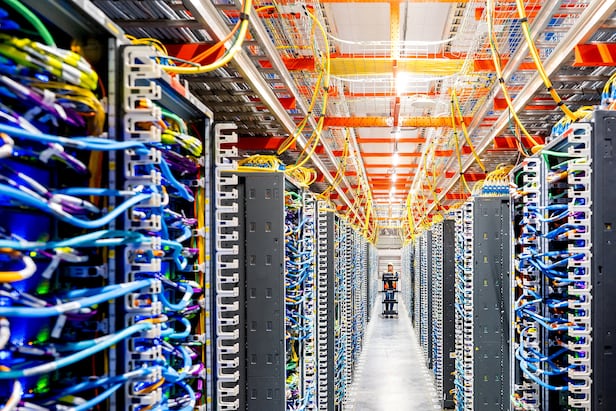
Infrastructure Cost Volatility for Sellers: Cloud infrastructure costs directly cascade to e-commerce platforms through data center operations and AI service provisioning. OpenAI's strategic hiring from Meta and aggressive pricing reductions signal a race-to-the-bottom in AI services pricing, which typically benefits sellers through lower platform fees within 6-12 months. However, the simultaneous consolidation trend—where smaller cloud providers exit or merge—creates vendor concentration risk. Sellers relying on platform-provided AI tools (Amazon's demand forecasting, Shopify's product recommendations, eBay's pricing optimization) face potential service disruptions during provider transitions. Historical precedent: AWS price cuts in 2015-2016 reduced Amazon FBA fees by 8-12% within 18 months, but consolidation periods saw 2-4 week service outages affecting inventory management systems.
GPU Availability & AI Tool Pricing Pressure: Nvidia's competitive pressure from custom silicon development by cloud providers (Google TPUs, Amazon Trainium chips) creates a bifurcated market. Large platforms (Amazon, Shopify) can absorb custom chip development costs, but mid-market SaaS tools (Helium 10, Jungle Scout, Keepa) relying on Nvidia GPUs face 20-30% cost increases if forced to migrate infrastructure. For sellers using AI-powered product research and pricing tools, this translates to potential SaaS subscription increases of $50-150/month per tool by Q2 2027. Sellers should audit their tech stack now: tools heavily dependent on GPU-intensive operations (real-time price monitoring, competitor analysis) face higher cost risk than cloud-agnostic solutions.
Advertising Technology Integration & Competitive Advantage Window: OpenAI's acceleration of advertising initiatives through Meta talent acquisition signals imminent AI-powered ad optimization tools entering the market. This creates a 3-6 month competitive advantage window for early adopters. Sellers who implement AI-driven PPC automation (bid optimization, audience targeting, creative testing) before Q2 2027 can capture 15-25% ROAS improvements before the market commoditizes these capabilities. The consolidation trend means fewer independent ad tech providers will survive; sellers should prioritize platform-native advertising tools (Amazon Advertising, Shopify Ads) over third-party solutions during this transition period.
Strategic Implications for Seller Segments: Large sellers (>$5M annual revenue) with dedicated tech teams should negotiate multi-year cloud infrastructure contracts NOW before pricing stabilizes post-consolidation. Mid-market sellers ($500K-$5M) should diversify platform dependencies—avoid over-reliance on single-platform AI tools. Small sellers (<$500K) should focus on platform-native solutions rather than third-party SaaS, as infrastructure cost pressures will force consolidation in the SaaS layer by Q3 2027.
Questions 8
Should I switch from third-party SaaS tools like Helium 10 to platform-native AI tools during this infrastructure transition?
Yes, strategically shift 60-70% of your tech stack to platform-native solutions (Amazon Advertising, Shopify AI recommendations) by Q2 2027. Third-party SaaS tools relying on Nvidia GPUs face 20-30% cost increases if forced to migrate to alternative infrastructure, which will cascade to your subscription fees ($50-150/month increases per tool). Platform-native tools have built-in cost absorption from their parent companies. Keep 1-2 specialized third-party tools for competitive advantage (e.g., Keepa for historical price data), but avoid over-dependence on GPU-intensive real-time monitoring tools.
How will the neocloud infrastructure shakeout affect my Amazon FBA fees and platform costs?
The consolidation of cloud providers and intensifying competition between OpenAI and Nvidia typically reduces infrastructure costs for large platforms like Amazon within 6-12 months, potentially lowering FBA fees by 8-12% as seen in 2015-2016 AWS price cuts. However, during the consolidation transition period (now through Q2 2027), expect 2-4 week service disruptions in inventory management and demand forecasting tools. Large sellers (>$5M revenue) should lock in multi-year AWS/cloud contracts NOW before pricing stabilizes. Mid-market sellers should monitor platform announcements for fee changes and prepare contingency logistics plans.