




China Q3 GDP 4.5% AI Export Boom | Seller Sourcing Impact
- Tech-component exports drove growth while domestic retail sales rose only 1.1% in September, shaping sourcing and China-market decisions for cross-border sellers





















Overview
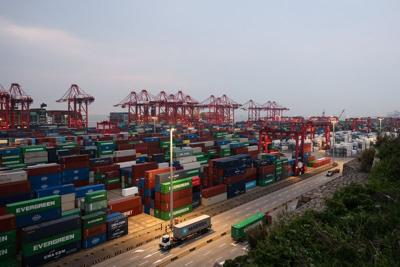
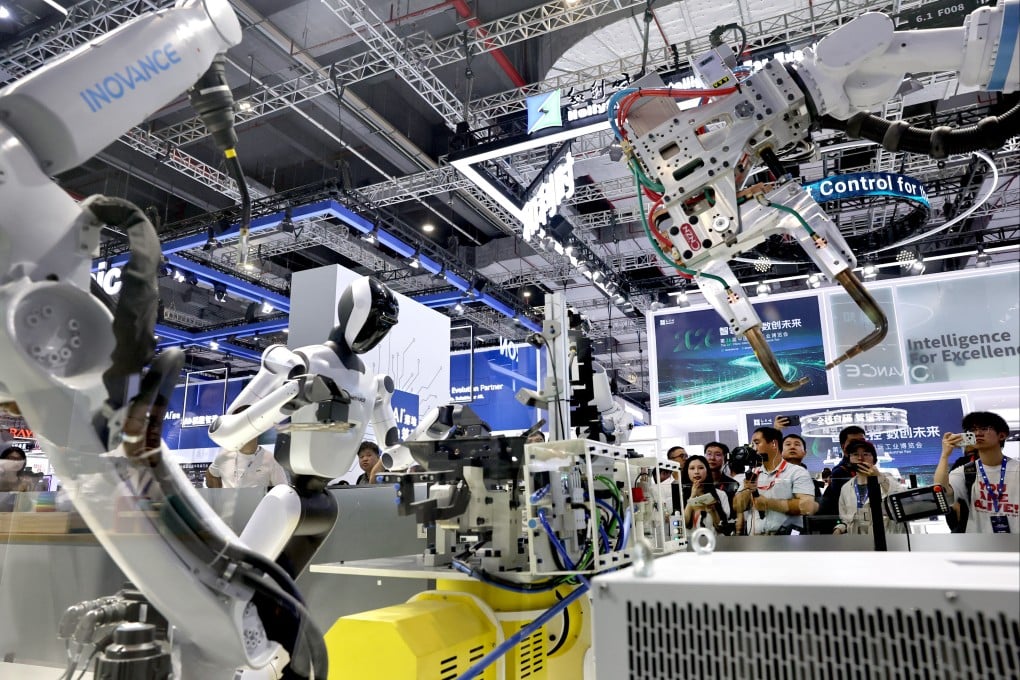
China's third-quarter GDP grew 4.5% year over year, beating the 4.4% consensus and rebounding from Q2's 4.3%, according to the National Bureau of Statistics data cited in the news reports. Export-led manufacturing, particularly semiconductor chips and electronics components tied to global AI demand, carried the quarter, while domestic demand stayed weak. For cross-border sellers, the signal is clear: Chinese supply capacity for electronics and tech components is firm, but the China consumer market is not yet a reliable growth engine.
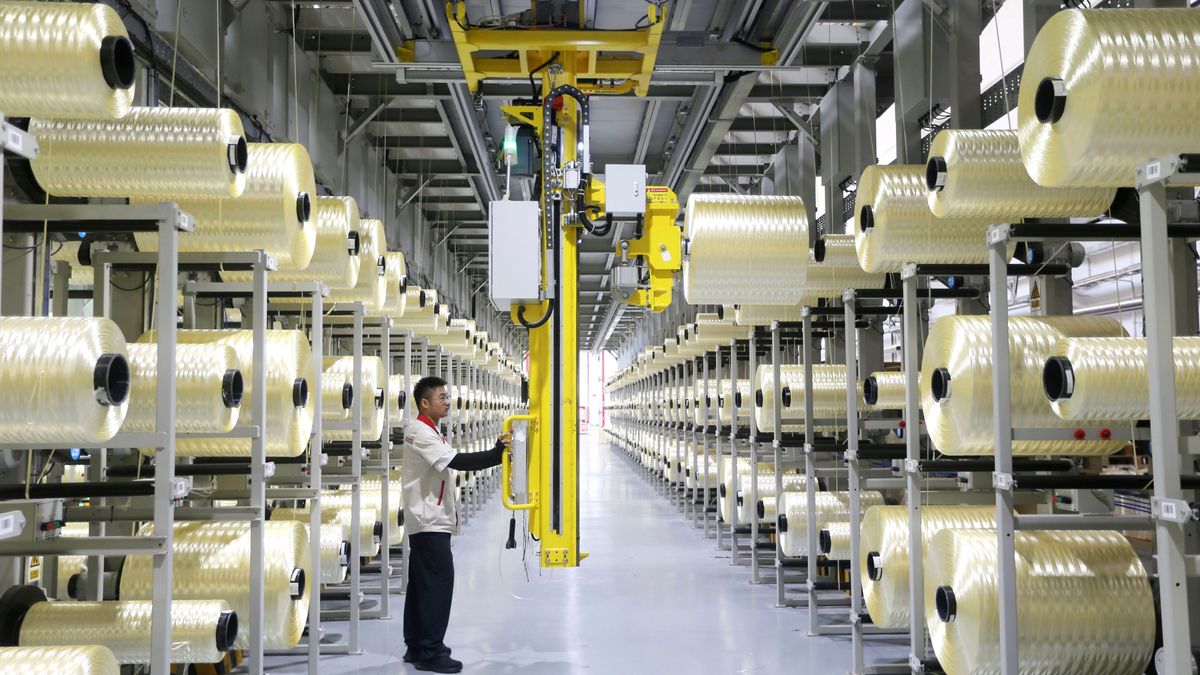
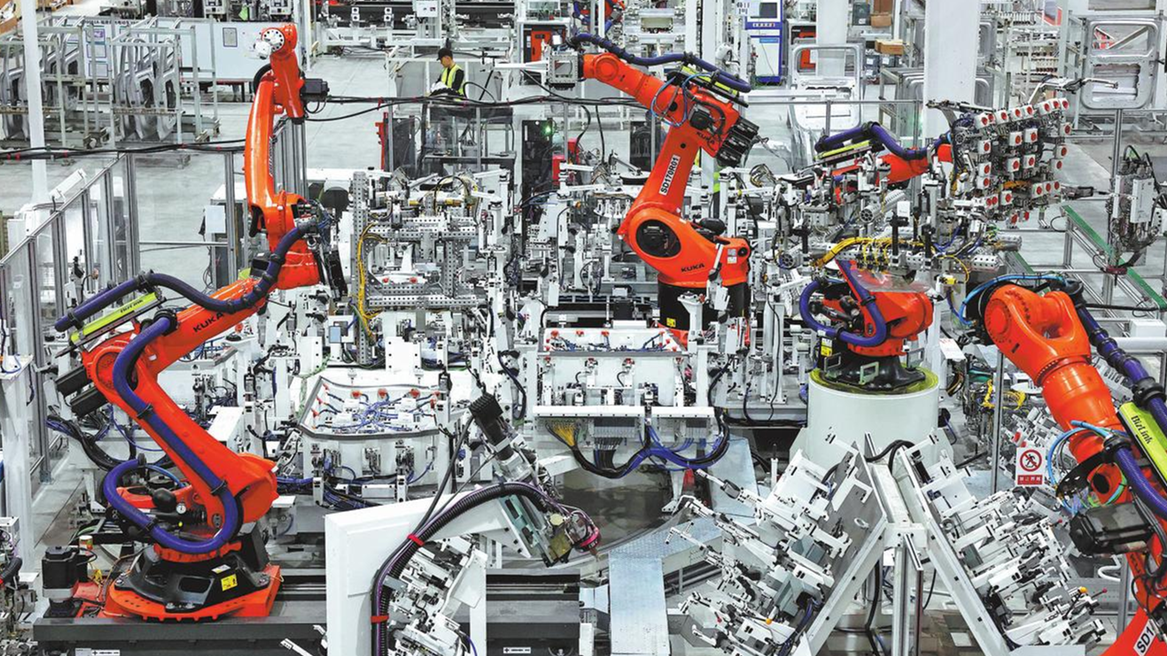
Supply-side strength favors sourcing from China. The reports show exports of technological goods offsetting a property slump, and industrial output rose 5.5%. For sellers sourcing electronics accessories, smart-home parts or components, this points to available capacity and steady production. Sellers on Amazon should still check supplier lead times, since AI-driven demand for chips and components can tighten allocation for smaller buyers. Industry data suggests component price volatility often rises when export orders concentrate in one sector, so locking quotes for 60-90 days can reduce margin risk.
Domestic consumption remains a drag, limiting China-market upside. Fixed-asset investment fell 7.2% in the first nine months, and property investment dropped 20.2%, according to the reports. Retail sales grew only 1.1% in September, though this beat the 0.6% forecast. Since roughly 70% of household wealth is tied to property, sellers targeting Chinese consumers through Tmall or Douyin should expect price-sensitive buyers and avoid premium launches until retail data shows sustained recovery. The IMF cut its 2026 forecast to 4.5% and its 2027 forecast to 4.0%, signaling a slow domestic rebound.
Policy support is fiscal, not monetary, and the trade risks are two-sided. Beijing allocated 550 billion yuan in unused debt quota to local governments in early October, and economists expect the People's Bank of China to hold rates through year-end. Trade tensions with the EU and existing U.S. tariff pressure remain unresolved. Sellers importing Chinese goods into the US or EU should verify current HS code tariff rates before finalizing landed cost, and track any new duty announcements, since tariff changes can shift margins by several percentage points within a single quarter.
Immediate actions (0-30 days): Request updated quotes from Chinese suppliers and confirm lead times before the year-end peak. Review HS code tariff classifications for electronics SKUs. Strategic adjustments (1-6 months): Diversify 15-20% of sourcing volume to Vietnam or India for tariff-exposed categories, and test one China-domestic channel only with small budgets. Risk mitigation: Monitor the next NBS release and any PBOC rate decision, and avoid long-term inventory commitments that assume a rapid domestic consumer recovery. Cost-benefit: a 3-5% sourcing premium for supplier diversification is typically less costly than a sudden tariff shock on a single-origin SKU.
Questions 6
Does China's Q3 GDP growth of 4.5% mean sourcing from China gets cheaper?
Not automatically. The reports show Q3 growth of 4.5%, above the 4.4% consensus, driven by exports of semiconductor chips and electronics components. Strong export demand tends to keep factory capacity busy, which can firm component prices and lengthen lead times for smaller buyers. Sellers should request quotes valid for 60-90 days and compare at least two suppliers before assuming lower costs.
Is China's Q3 2026 growth data relevant to Amazon sellers outside China?
Yes. Electronics and component exports drive sourcing costs and availability for Amazon sellers worldwide. When Chinese tech output is strong, component allocation can tighten, affecting Amazon FBA restock timing. Monitor supplier lead times and keep 4-6 weeks of safety stock on AI-linked electronics SKUs.