


Utah Sues Kalshi | Prediction Market Compliance Risk for Sellers
- Utah seeks $30.6M-$61.2M in fee repayment and a ban on wagers, putting event-contract promotions and fintech-linked commerce under state gambling law scrutiny












Overview
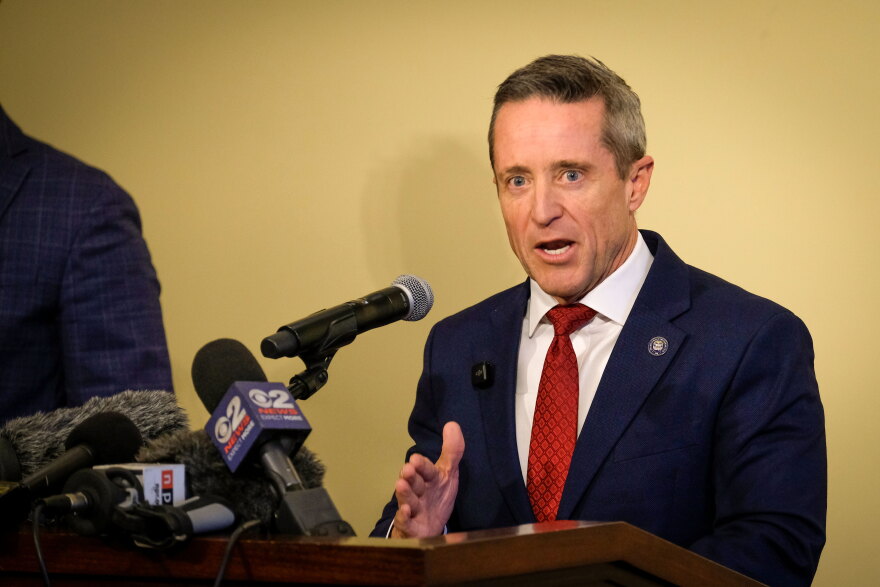
The Utah Attorney General has filed a civil lawsuit in 3rd District Court against Kalshi, four subsidiaries and two Pennsylvania-based trading companies, arguing that the federally regulated prediction market operates as an unlicensed gambling operator. The complaint seeks an injunction halting Kalshi wagers in Utah, approval of a geolocation tool to enforce the state gambling ban, and repayment of fees the state estimates at $30.6M-$61.2M. Utah residents reportedly lost $5.5M on individual wagers. For sellers and fintech operators, this is a jurisdictional test case: whether a CFTC-licensed event contract platform can be policed under state gambling law.
The operational picture is important. The complaint describes a closed-loop wagering system in which Kalshi acts as market maker, retains a portion of each wager, and settles payouts. Its catalog has expanded from financial contracts into sports proposition bets, parlays and point spreads, plus election, culture and "mention" markets, with 100,000 to 300,000 open markets per day during a three-month summer window. The state says the company's own offering model, not its users, is the target; more than 32,000 verified Utah accounts are named as non-defendants. Specifically for sellers, this matters because the same gambling-versus-financial-product logic can reach any digital product that bundles wagering mechanics, rewards, or prediction-linked promotions.
The legal trajectory is unsettled. A federal judge sided with Utah in August, Kalshi's appeal to the 10th U.S. Circuit Court of Appeals is pending, and a stay request was denied last month. In July, Attorney General Brown joined 43 other attorneys general in a letter criticizing prediction markets, which signals multistate coordination rather than a single-state dispute. Industry patterns from prior state-federal preemption fights suggest appellate timelines of several months, meaning compliance uncertainty will likely persist through the next major holiday and sports season, when promotional volume typically peaks.
The operational impact for merchants is indirect but real. Brands using prediction-market tie-ins, sweepstakes-style giveaways or "bet-linked" loyalty mechanics in Utah and other contested states face rising risk of geofencing requirements, payment-processor scrutiny and marketplace policy tightening. Sellers in categories adjacent to sports and entertainment merchandise, such as jerseys, collectibles and fan accessories, may see increased consumer attention as trading activity grows, but should avoid promotions that resemble wagering. Industry data shows that geolocation compliance tools typically add modest integration cost, while legal exposure from unlicensed gambling claims can be far larger.
Looking ahead, the 10th Circuit ruling will be the key indicator. A ruling for Utah would strengthen state authority over event-contract platforms and may trigger similar actions across the 44 AG coalition states; a ruling for Kalshi would reinforce federal CFTC preemption and sustain the category's growth in digital commerce.
Questions 7
What is the status of the Kalshi appeal in the 10th Circuit?
Kalshi's appeal to the 10th U.S. Circuit Court of Appeals remains pending. A federal judge sided with Utah in August, and a stay request was denied last month. The state says it is seeking a geolocation tool to enforce its gambling ban, so any ruling will likely define how far state law reaches federally licensed platforms. Merchants should monitor the docket rather than wait for a final decision.
Does the Utah lawsuit against Kalshi affect e-commerce sellers directly?
Not directly for most merchants, but it tests whether federally licensed event contract platforms can be regulated under state gambling law. The Utah Attorney General seeks to halt Kalshi wagers in Utah and recover fees estimated at $30.6M-$61.2M. Sellers using prediction-linked promotions or bet-style giveaways in contested states should review their exposure now, since outcomes could shape how such mechanics are allowed in US digital commerce.