




Oil Above $110 Lifts Freight Costs | Cross-Border Sellers Act Now
- Brent at $109-111 and WTI near $100 could lift fuel surcharges 5-12% for sellers shipping 1,000+ parcels monthly, with EUR and GBP volatility adding pricing risk





Overview
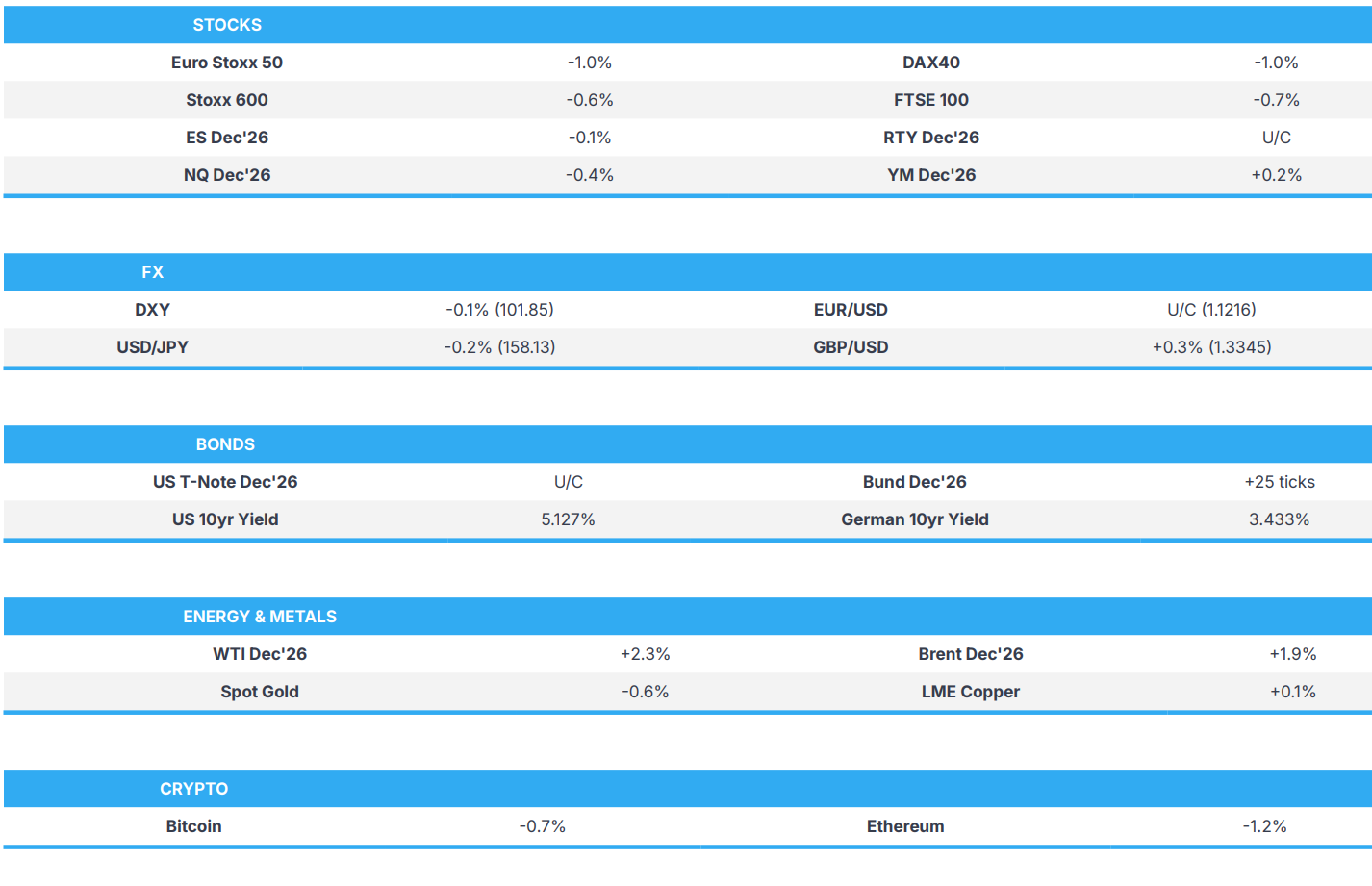
Brent crude above $110 and WTI near $100 on October 20, 2026 mark the main near-term cost signal for cross-border sellers, as Middle East escalation (Houthi attacks on Saudi Arabia, an IRGC claim of downing a US MQ-9 drone over the Strait of Hormuz) keeps energy prices elevated. News 1 reports Brent up 1.37% to $111.05 and WTI up 2.82% to $106.58 in early US trading, while News 2 records WTI trading between $98.04 and $100.93 and Brent between $109.00 and $111.75. For sellers, this translates into higher fuel, parcel and air-freight surcharges, typically passed through with a lag of several weeks after sustained crude moves.
Freight-intensive categories face the sharpest margin pressure. Industry experience suggests that a sustained 20-30% rise in crude often shows up as a 5-12% increase in carrier fuel surcharges within one to two billing cycles. For a seller shipping 1,000 parcels monthly at an average $8 fulfilment-and-postage cost, that implies roughly $400-960 in extra monthly cost. Sellers in heavy categories such as home goods, fitness equipment and furniture, and those using Amazon FBA inbound consolidation, should recalculate landed cost per SKU now rather than after surcharges reach their P&L.
Currency and central-bank signals compound the pressure for EU and UK sellers. News 2 reports sterling rising from 1.3328 to 1.3358 against the dollar after UK unemployment fell to 4.7% versus 4.9% expected, while the euro was the weakest G10 currency as the OAT-Bund spread widened to 151 basis points. Money markets price about an 80% chance of a Bank of Canada hike next week, up from 40% a week earlier. The dollar index holds 101.74-101.98 ahead of the FOMC meeting. Sellers pricing in multiple currencies on Amazon.co.uk, Amazon.de or Shopify Markets should review FX buffers, since these moves can erode 2-4% of margin on unhedged repricing. Separately, CoreWeave CDS above 1,000 points and a 25%-plus weekly share drop signal AI-sector credit stress, which could affect the cost and reliability of AI-driven listing and ad tools over the coming months.
Consumer demand is the second-order risk. Sustained energy costs can weigh on discretionary spending in price-sensitive markets. Industry patterns show that when fuel prices stay elevated, buyers often shift toward value-tier SKUs and away from premium impulse purchases, so sellers should expect conversion-rate pressure in high-ticket categories and review PPC bids accordingly. The data is still a single-session snapshot, and the IEA's possible further emergency stock release and Iranian diplomacy signals could move prices sharply in either direction.
Questions 6
How much will rising oil prices raise my shipping costs as a cross-border seller?
With Brent above $110 and WTI near $100 on October 20, 2026, carrier fuel surcharges typically rise with a lag of one to two billing cycles. Industry patterns suggest a 5-12% increase in surcharges after a sustained 20-30% crude move, which for 1,000 parcels a month at about $8 each equals roughly $400-960 in extra monthly cost. Sellers should recalculate landed cost per SKU now instead of waiting for invoices to reflect the change.
Should I adjust GBP and EUR prices on Amazon UK and Amazon.de now?
News 2 shows sterling rising from 1.3328 to 1.3358 against the dollar after UK unemployment fell to 4.7%, while the euro was the weakest G10 currency as the OAT-Bund spread widened to 151 basis points. These moves can erode 2-4% of margin on unhedged repricing, so sellers should set FX buffers before changing list prices on Amazon.co.uk or Amazon.de. Review pricing weekly until the FOMC meeting next week clarifies dollar direction.