



Oil Shock Lifts Freight Costs | Cross-Border Sellers Act Now
- Brent near $110 and diesel doubled, raising fuel surcharges on Asia-Europe and Asia-Middle East lanes for cross-border sellers



















Overview
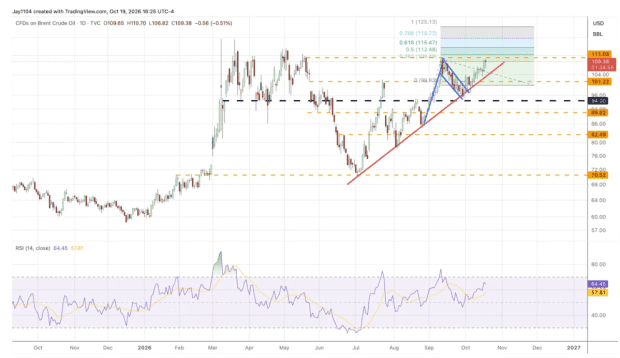
Brent crude near $110 per barrel and diesel prices roughly doubled from pre-war levels signal a sustained fuel-cost shock that will flow into cross-border freight, parcel and last-mile surcharges for sellers shipping from Asia. The news reports Brent touched a five-month high of $111.99 on Tuesday before settling at $108.79, and was trading at $110.13 in early Wednesday trading on October 21, 2026, while WTI sat near $98.92. Kpler counted at least 18 vessel attacks over two weeks, and the IEA's Fatih Birol says markets will not normalise in 2027.
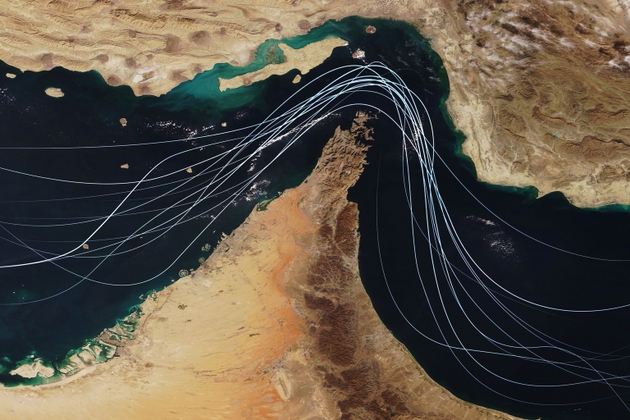
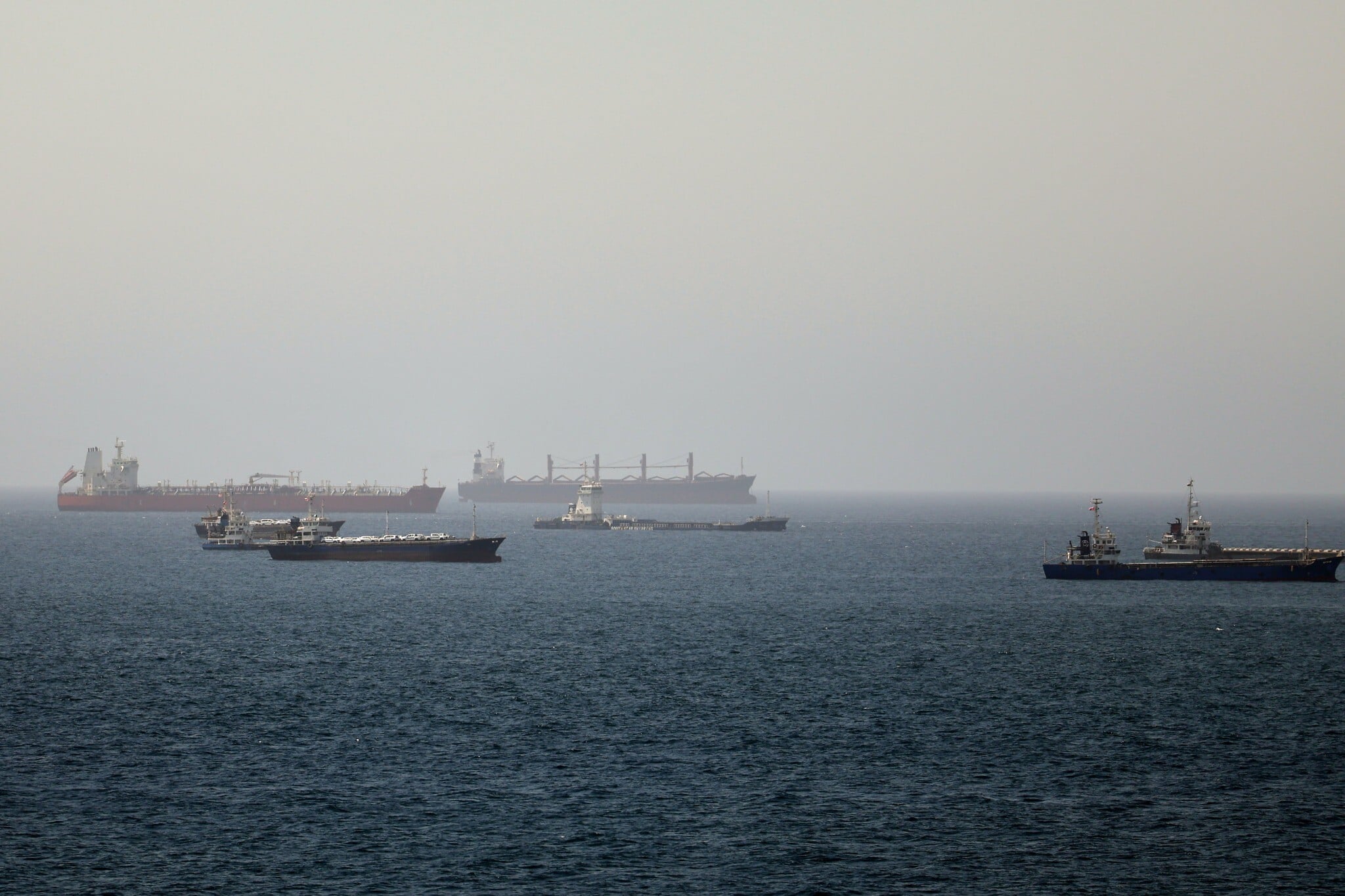
Freight pricing is the first and most direct channel. Goldman Sachs reports the global average crude freight rate rose above $20 per barrel versus about $3 a year earlier, with war-risk premiums for Hormuz crossings accounting for roughly $7 of that increase and ship-to-ship transfers about $4. Sellers shipping Asia-to-Europe and Asia-to-Middle East lanes face the greatest exposure because Red Sea and Hormuz disruptions can force longer routing and higher insurance. Sellers on fixed-rate freight contracts are better insulated than those on spot-rate bookings, which typically reprice within weeks of a fuel surcharge update.
Diesel tightness is the second channel, and it reaches fulfilment. Two US Energy Department officials said they are working with refiners to boost fuel output because a diesel shortage has raised prices. Industry data shows truck capacity tightens when diesel is scarce, so FBA inbound trucking and 3PL linehaul costs can rise even on domestic legs. Fulfilment-heavy sellers with multi-zone Amazon FBA storage may see indirect pressure through carrier fuel-surcharge resets rather than direct rate hikes.
Demand effects are secondary but building. Gasoline reached $4.27 per gallon per AAA data, up nearly $1.30 since late February, and affordability is a central issue before the early November US midterms. Bulky, low-ticket goods such as home organisation, pet supplies and small appliances are most sensitive to landed-cost increases, and sellers in these categories typically see margin compression first. Sellers in energy-sensitive markets may trade down, so price-band discipline matters.
Looking at timing, the IEA notes 1.6 billion barrels remain in member stocks, but further releases are not guaranteed. Future direction depends on whether US-Iran tensions escalate or stabilise, so treat current surcharges as a baseline rather than a peak.
Questions 6
How does Brent crude near $110 affect cross-border freight surcharges?
Brent traded around $110.13 in early October 21, 2026 trading, and higher crude benchmarks typically lift bunker fuel and diesel costs that flow into ocean freight and parcel fuel surcharges. Goldman Sachs reports the global average crude freight rate rose above $20 per barrel versus about $3 a year earlier. Sellers on Asia-to-Europe and Asia-to-Middle East lanes should expect surcharge resets within weeks. Reviewing carrier fuel-surcharge tables monthly is the practical checkpoint.
Should I lock in fixed-rate freight contracts before fuel surcharges rise further?
Sellers with fixed-rate or flexible carrier contracts are better positioned than spot-rate shippers, according to the Reuters-sourced market report. Locking in rates for the next quarter can cap exposure while Hormuz and Red Sea disruptions persist. Compare the contract premium against your spot-rate surcharge trend before committing. Contracts with fuel-index clauses offer partial protection without full price lock-in.