




Edge AI on the Moon | LLM Rover Signals Seller Tech Trends
- Astrolab FLIP rover to run first LLMs on lunar surface by Nov 2026; indirect impact for cross-border logistics and AI tool buyers




Overview
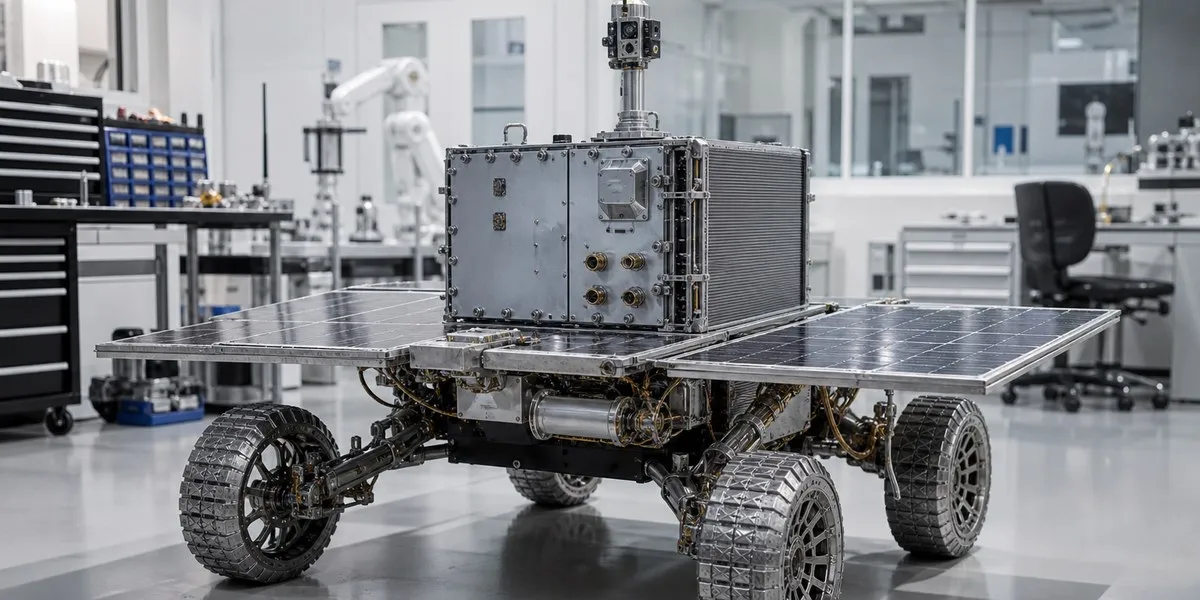
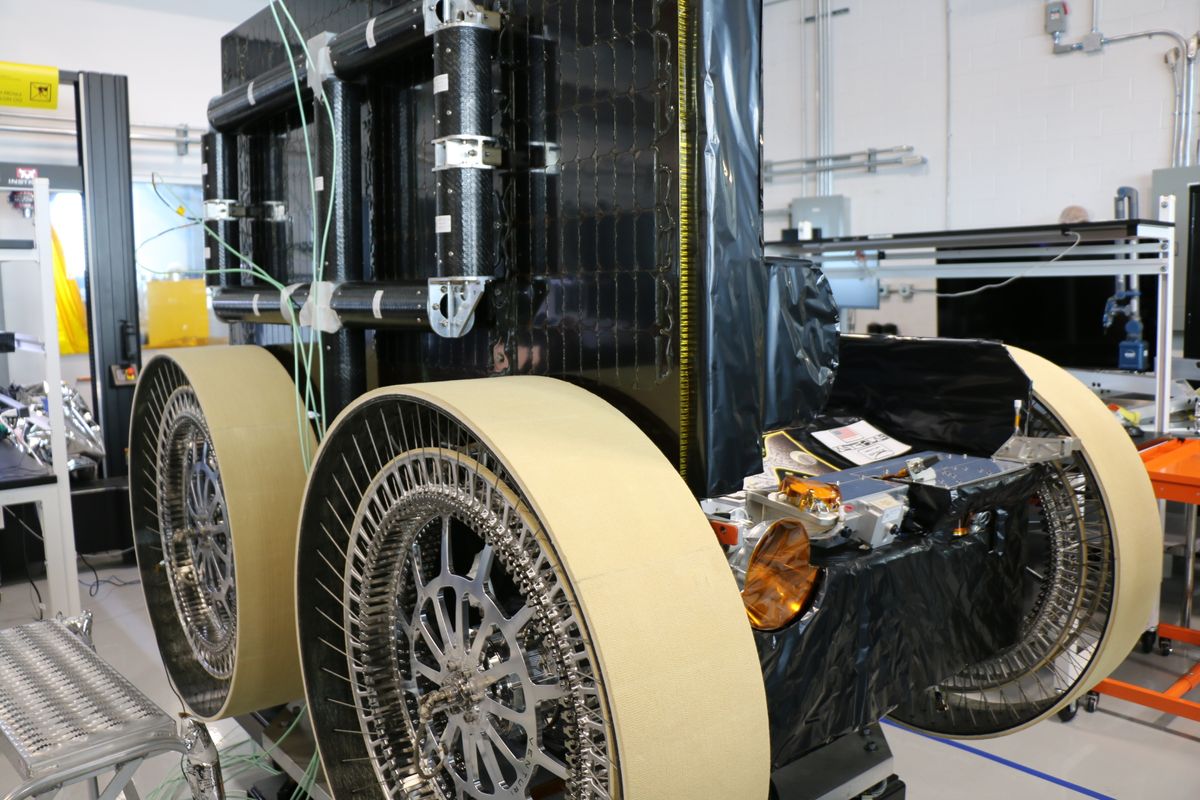
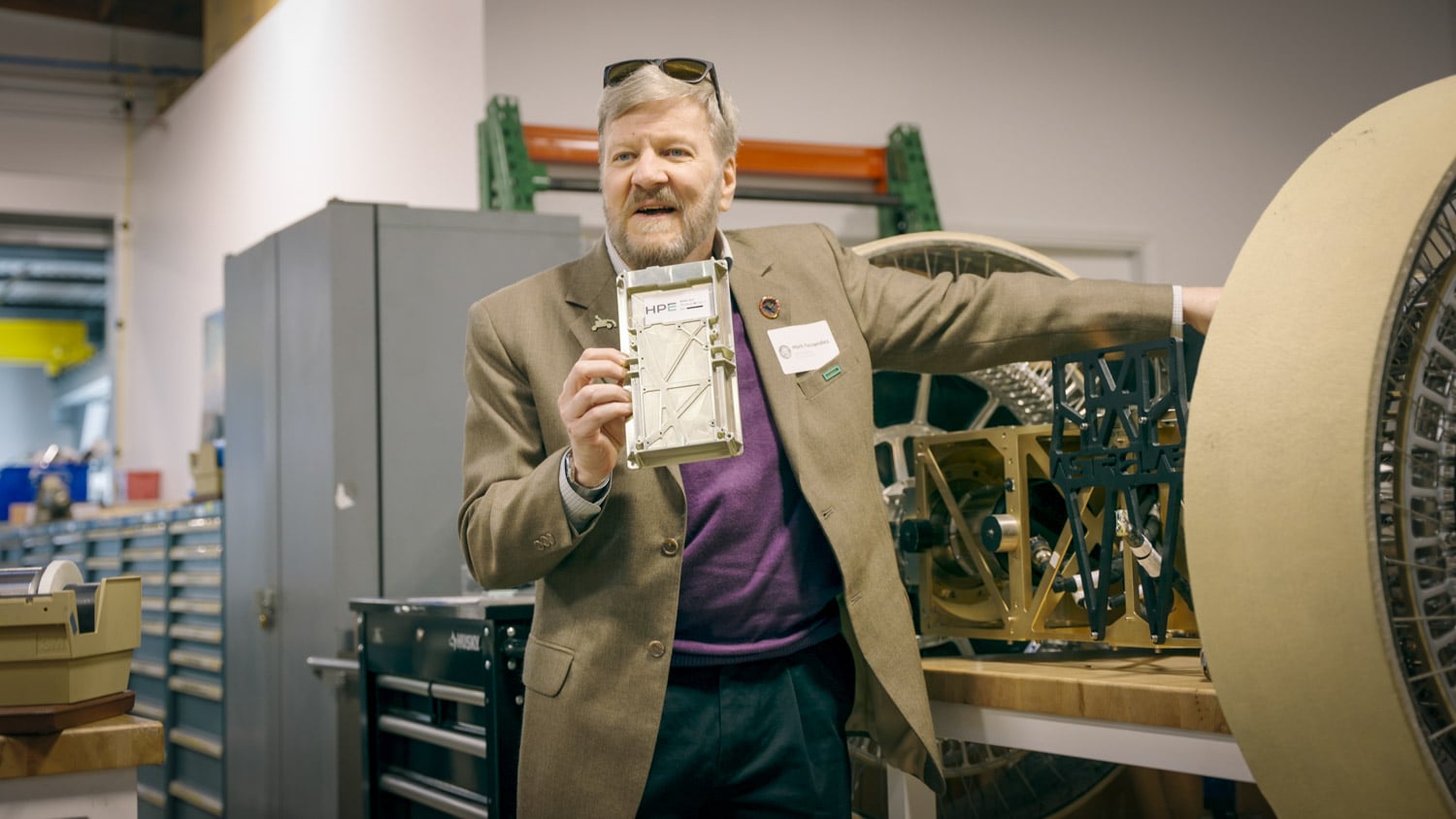
The news reports that Astrolab's FLIP (FLEX Lunar Innovation Platform) rover will become the first to run large language models (LLMs) on the Moon's surface, with launch slated as early as November 2026. The onboard HPE Spaceborne-4 edge computer pairs a 64-bit CPU with a GPU, and the rover is designed to survive at least 150 hours of lunar night over a planned mission of about 10 days. For cross-border sellers, the direct commercial effect is minimal, but the underlying signal is clear: AI inference is moving to edge hardware in extreme conditions. This is a long-horizon technology signal, not an operational change for this quarter.
The most transferable insight is the engineering approach. HPE did not build traditional space-hardened hardware. Instead, its monitoring software detects radiation-induced upsets and lowers processor power and speed during radiation spikes. Industry data shows that edge AI is generally cheaper to deploy when it relies on software resilience rather than specialized silicon, which is the same logic behind many commercial warehouse robots and handheld scanners. The news also reports that custom LLMs will filter camera and lidar data on the rover to reduce transmissions to Earth. This mirrors what sellers already seek in 3PL warehouses: local AI that cuts bandwidth and latency, for example computer vision that flags damaged parcels before data reaches a central dashboard.
Specifically for sellers, the operational impact will arrive through vendors rather than through space missions. Expect warehouse vision systems, returns-inspection tools, and AI copilots for listing content to adopt edge inference over the next 1-3 years. Researchers quoted in the news, including Roser Almenar of the University of Valencia, warn that LLMs can produce inaccurate outputs, with serious consequences in space. That caution applies on Earth too: an AI that auto-generates ASIN listings or customs declarations without human review can trigger compliance errors. Sellers should treat accuracy audits as a required step in any AI workflow.
Immediate actions (0-30 days): Monitor your 3PL and WMS vendors for edge-AI or computer-vision roadmaps, and ask for accuracy benchmarks. Audit any LLM-driven listing or HS-code tool against a sample of 50 SKUs before scaling. Strategic adjustments (1-6 months): Budget a pilot of AI returns grading or damage detection, typically $200-500 monthly for small operations, and measure against your current manual inspection cost. Risk mitigation: Keep human sign-off on customs classifications and product claims, and review vendor data-handling terms. The mission itself has no near-term cost or policy impact on Amazon, Shopify, or Temu sellers.
Questions 6
Will the Astrolab FLIP lunar rover affect my Amazon FBA or cross-border sales?
Not directly. The news reports that Astrolab's FLIP rover is slated to launch as early as November 2026 and run about 10 days on the Moon, with no link to commercial supply chains. Its relevance for sellers is as a signal that edge AI is moving into harsh environments. Expect any practical effect to reach Amazon FBA or 3PL operations only indirectly, through vendor tools adopted over the next 1-3 years.
What is the HPE Spaceborne-4 computer and why does it matter for AI at the edge?
The HPE Spaceborne-4 is an edge computer combining a 64-bit CPU with a GPU, according to the news. It will run custom LLMs that analyze camera and lidar data on the lunar surface. The design matters because HPE uses monitoring software that lowers power and speed during radiation spikes rather than relying on traditional space-hardened hardware. This software-resilience approach can lower deployment costs for commercial edge AI.