


Android 17 QPR3 Beta 2 | Pixel Update Signals Seller Tech Risks
- Carrier fixes and Wi-Fi Aware changes touch 1 platform update across Pixel 6a–Pixel 11 series, with no direct seller fee or policy change








Overview
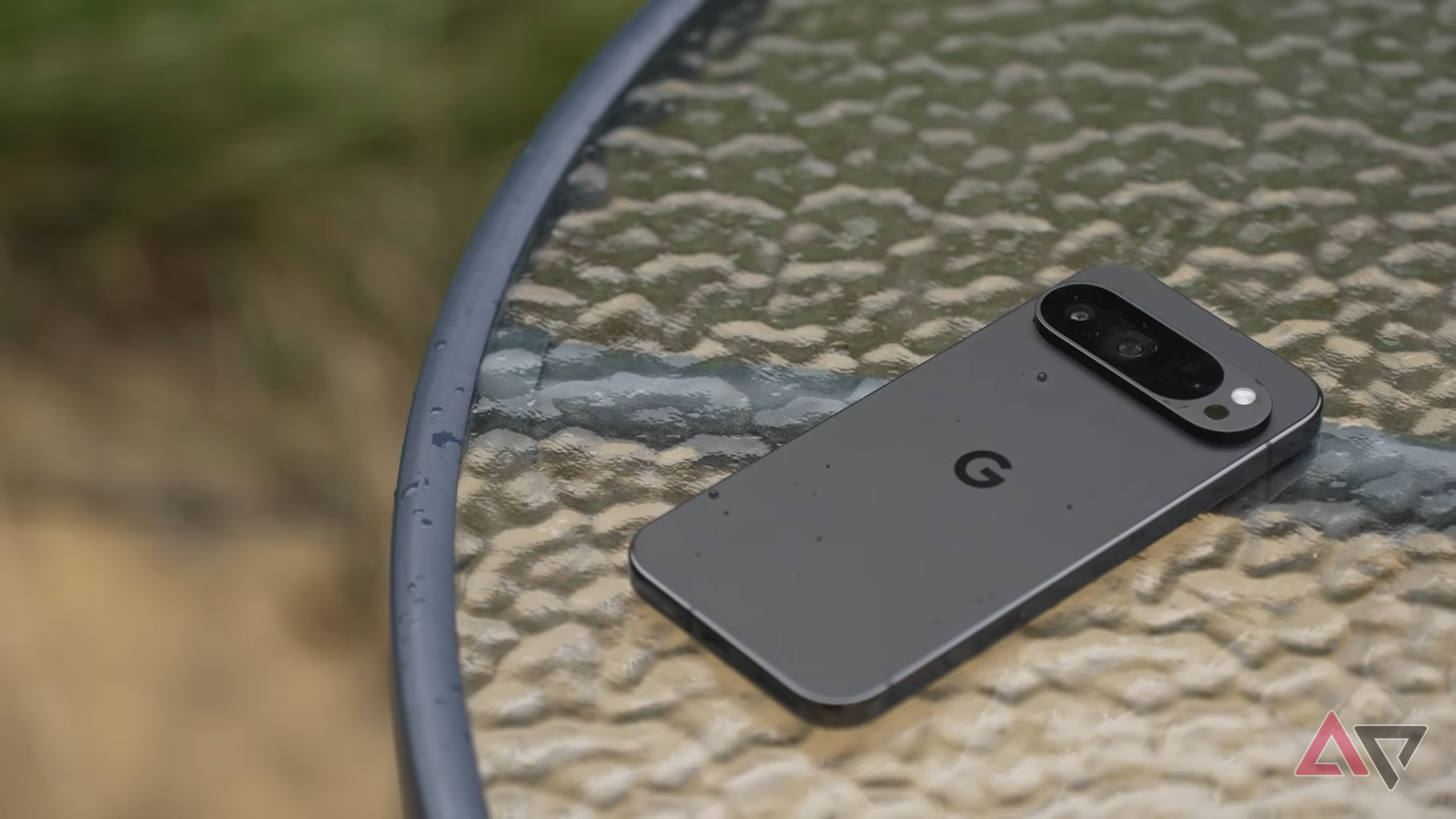
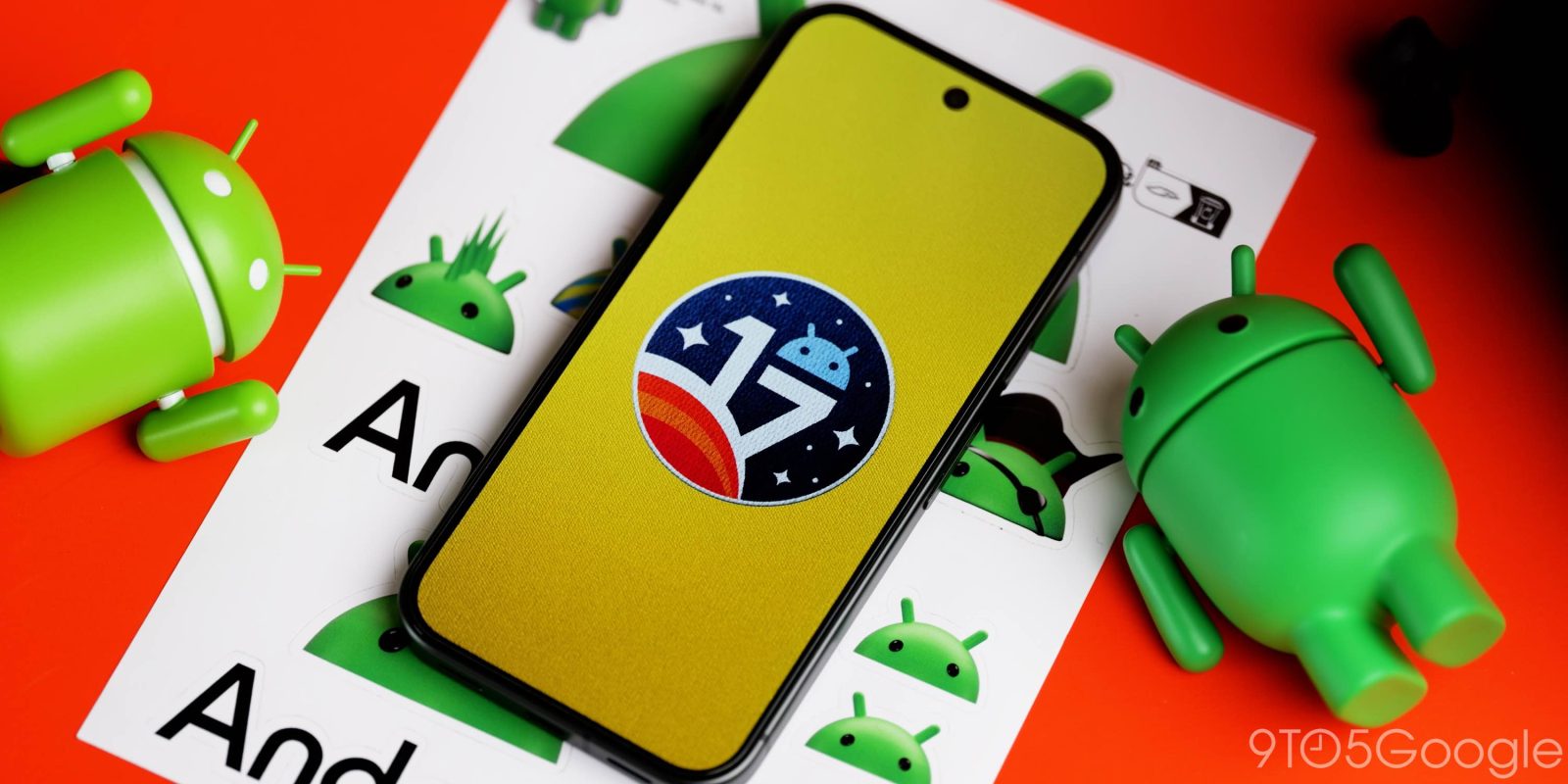
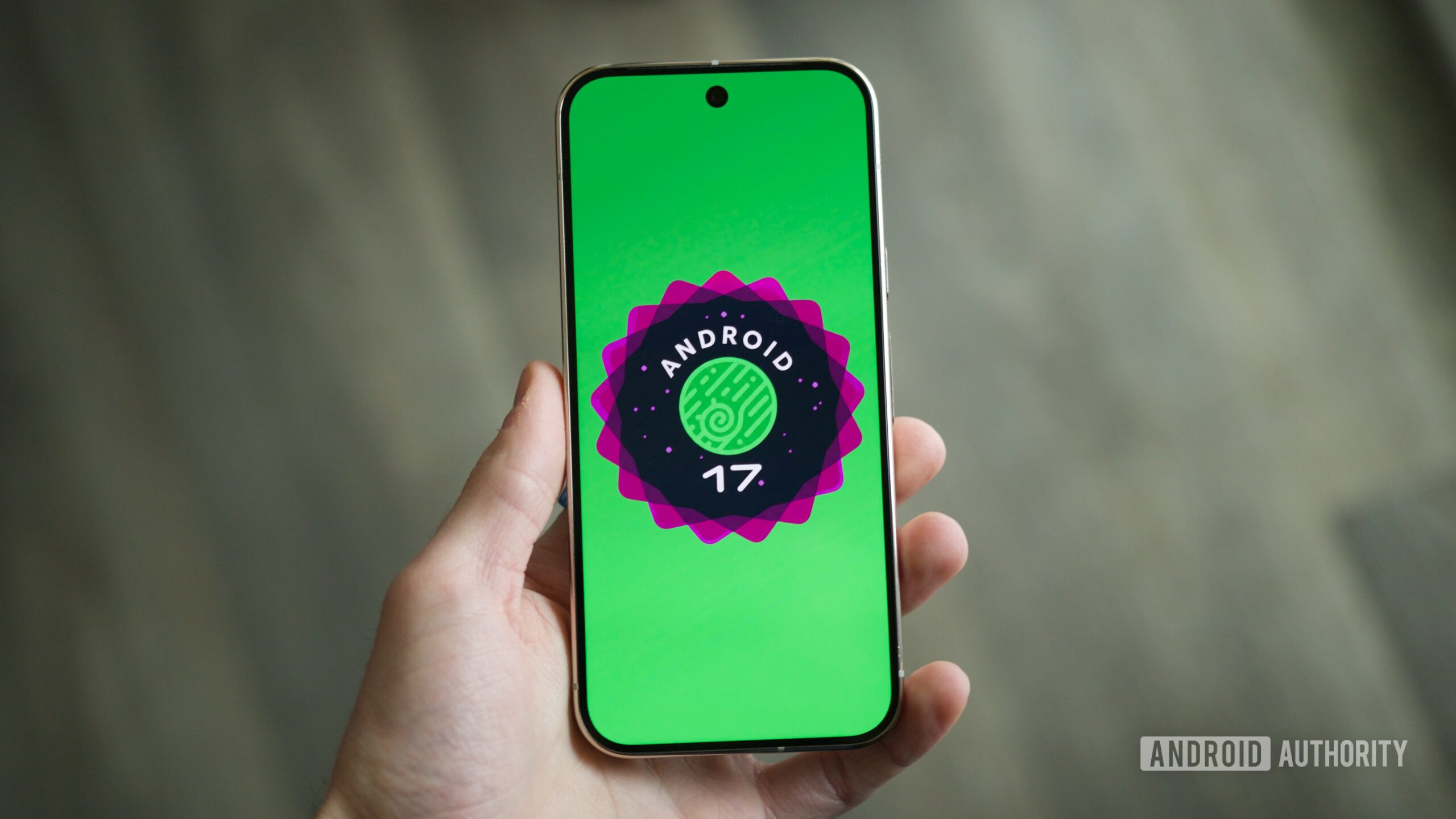
The news reports that Google released Android 17 QPR3 Beta 2 on October 20, 2026, to still-supported Pixel devices from the Pixel 6a through the Pixel 11 series. The build (DP11.261002.005) carries a 2026-10-05 security patch level and includes at least 20 fixes covering crashes, Quick Settings display issues, Bluetooth pairing failures, and idle battery drain. Per the 9to5Google rolling gallery, notable items include a new Lock Screen setting that requires unlock before Wi-Fi, Bluetooth, Airplane mode, or mobile data tiles can be changed. No direct change to Amazon, Shopify, eBay, Temu, or TikTok Shop policies, seller fees, or cross-border regulations was reported. Industry context: this is a beta, so behavior may change before stable release.
This update carries no direct fee, policy, or logistics change for sellers, but it creates an indirect risk for mobile-first shopping flows. Carrier-specific fixes for Wi-Fi Calling and VoLTE on networks such as ITE, OXIO, and Dish Network, plus intermittent crashes and reboots, can interrupt mobile checkout, 2FA prompts, and seller-app sessions on Pixel handsets. Pixel holds a small share of the US Android base, so the direct impact on conversion is modest. Still, for sellers running mobile storefronts or Shopify and Amazon Seller apps, a reboot during a checkout or order-confirmation step can show up as abandoned carts rather than as a platform error.
Developers and tool vendors should treat the Wi-Fi Aware data path issue and the PublishedApi lint fix as the real operational signals. Apps that depend on local peer-to-peer networking, such as in-store POS pairing, warehouse scanner handhelds, or local inventory sync, may see failures on Pixel 6a–11 devices until the fix ships. Library maintainers using internal PublishedApi declarations will see changed API checks in builds. Sellers using AI-driven fulfillment or inventory-counting apps should audit those apps against the QPR3 beta on a test Pixel before stable rollout. The high idle battery drain from motion sensors after Face Unlock or camera use also matters for field staff using Pixels for barcode scanning, since shorter battery life can reduce daily scan throughput.
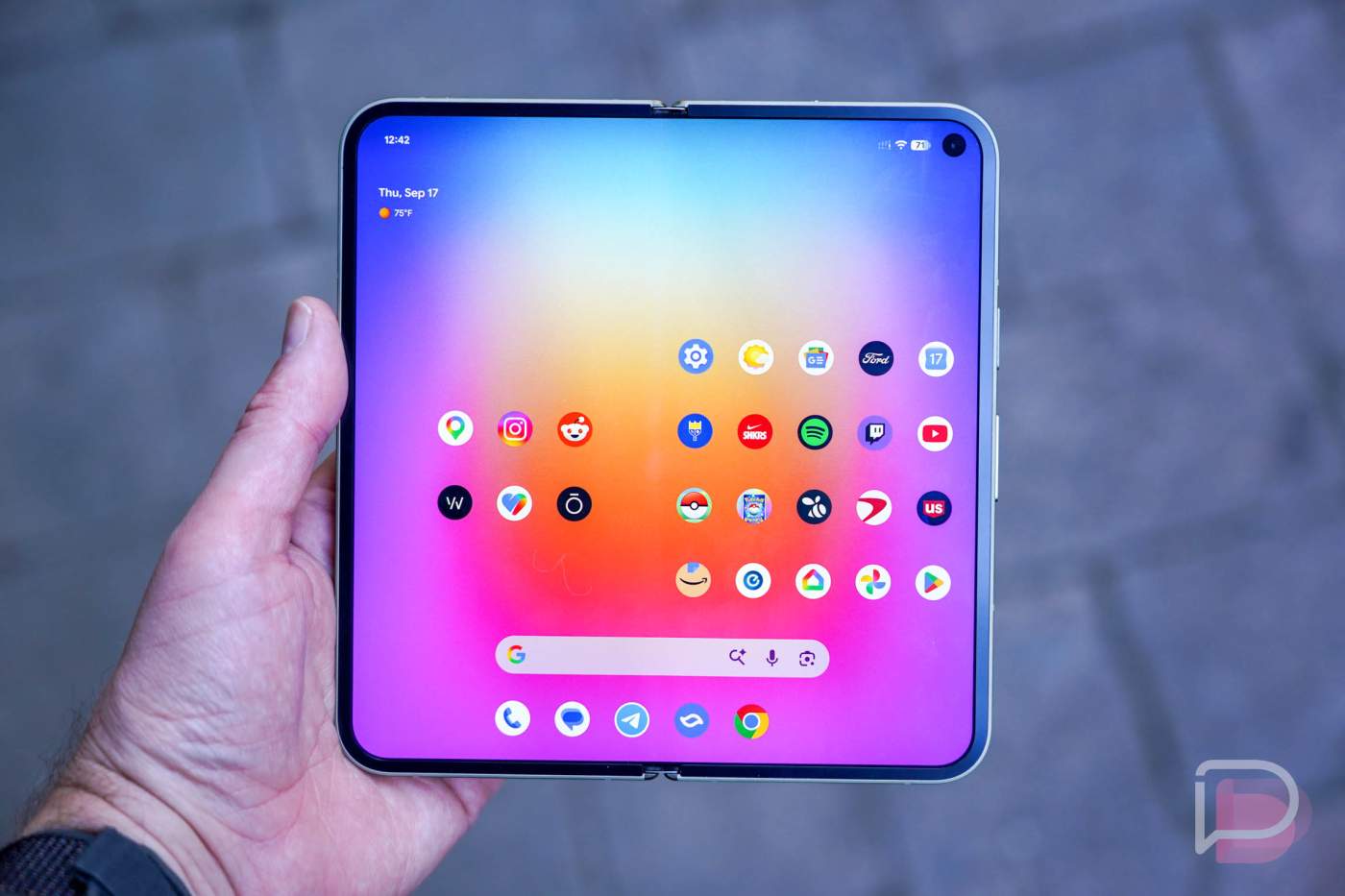
Looking at the pattern across both reports, the operational value is in testing, not in reacting. Both sources agree the build is provisional and that the changelog is still being compiled. Historically, Android QPR betas are revised across several builds before stable release, so issue lists can shift. An AI-assisted regression checklist, built from the issue list and run on a Pixel 6a and Pixel 11 Pro Fold, can catch these failures before stable rollout. Monitoring the 9to5Google gallery and the Android Beta program for changes is a low-cost task. Overall, this is a low-urgency, high-signal item for technical sellers, not a platform event.
Questions 6
Does Android 17 QPR3 Beta 2 change Amazon or Shopify seller fees?
No. The reports say the build has no direct effect on e-commerce platforms, seller fees, policies, logistics, or cross-border regulations. Amazon Seller Central and Shopify admin fee structures are unaffected by this Pixel beta. The practical exposure is indirect, through device stability in mobile checkout and seller-app sessions.
Which Pixel devices get Android 17 QPR3 Beta 2?
Google released the beta on October 20, 2026, to all still-supported Pixel devices, from the Pixel 6a through the Pixel 11 series, including the Pixel 11 Pro Fold. The build number is DP11.261002.005 with a 2026-10-05 security patch level. It is distributed through the Android Beta program and is not a stable release.